
Little to common knowledge is that fishes are measured in multiple different ways and using different land marks to measure the fish from. These landmarks standardise any measurements and are frequently used in scientific papers over weight. The measuring of fishes is known as morphometrics, “morpho” coming from morphology the study of body shape and “metrics” coming from measuring.
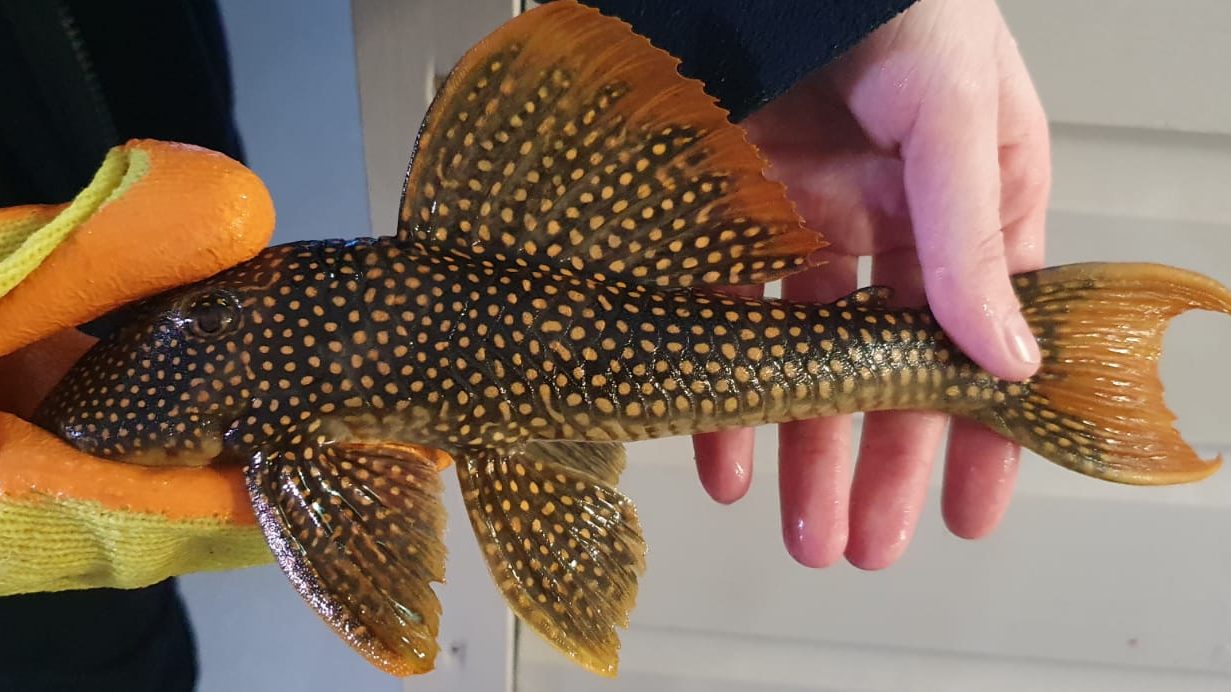
Aspects of these measurements can be formal although many do provide a use in describing species and the landmarks used can be specific to particular taxa, groups. These measurements and as they change with age or between species, genera and families can tell us how fishes shape changes to the environment or allometric influences.
There are a few particularly common morphometrics that are most important as a fishkeeper to know:
- Total Length (TL): This is the measurement from the tip of the head to the tip of the tail/caudal fin. This is the most problematic as caudal fins are commonly damaged and the length can be exceptionally and misleadingly long in some species or individuals. For example Panaqolus albivermis grows to around 12cm excluding this caudal fin but including the caudal fin and the extensions could bring it up to 20cm. Most reliable websites do not use this measurement.
- Fork Length (FL): Very infrequently used in the aquarium hobby, this measurement goes from the tip of the head to the dip between the two lobes of a forked caudal fin. Similar flaws to total length but not all fishes have forked tails.
- Standard Length (SL): As the name suggests this is the most reliable and common measure. Standard Length measures from the tip of the head to the end of the caudal peduncle or more easily remembered as to the base of the caudal fin. This measurement totally excludes the caudal fin and any variations with it. As this is the most reliable measurement reliable websites such as Seriously Fish, Planet Catfish, Scotcat etc. all use it even if they might not state it.
- Head Length (HL): Rarely mentioned but worth just including, this is the measurement from the tip of the head to the end of the nuchal plate in Loricariids but seems to be end of the gill oppercula in others.
As people might have worked out there is a problem with these three measurements, many people are simply not aware they exist and therefore basing stocking and fish judgements on an incorrect measurement of length. For some species this misunderstanding might not make much of a difference but for some it could mean the difference between a 30cm fish and a 50cm fish.
It is also good to note that the metric system is used within science as it is the standard system and while many people use inches there is a reasonable difference in size particularly if choosing smaller fishes between each inch.
So why are these measurements used?
Well scientific papers and particularly species descriptions need standard units of measure. As hobbyists for many fishes particularly those who aren’t common or have not often been kept in the hobby we only have those scientific papers to go by on how big the fish gets. Sometimes we don’t even know potentially how long but these scientific papers will generally list the sizes of all the fishes they have caught. Assumptions can be made but do we want assumptions or honesty?
Many websites likely copy the length measurements of the reliable websites and do not transfer over how the fish are measured and this likely causes a lot of confusion.

Other Morphometrics
Maybe not so useful to aquariums apart from understanding physiology is there are many other measurements of fishes between different land marks all over the fish. These can be useful to identify certain fishes such as Panaque armbrusteri has a shorter pectoral fin then Panaque nigrolineatus (Lujan et al., 2010).
These measurements are generally what is specific to a group of fishes for example for Loricariidae we follow Armbruster (2009) as shown below:

1-20 here shows simple standard length and is probably the easiest way to visualise it. These measurements can show how shape changes between different species and individuals, Panaque for example would have deeper measurements around the head whereas Loricariinae will generally be slimmer and narrower.
Measurements are particularly useful for standardising, meaning everyone knows exactly what each other is talking about. Rather then me saying 15cm and someone saying 5 inches and another person saying 20cm. Scientists had long thought out and solved this issue but do state what measurements you are using hence you’ll see me say SL.
References:
Armbruster, J. W. (2003). Peckoltia sabaji, a new species from the Guyana Shield (Siluriformes: Loricariidae). Zootaxa, 344(1), 1-12.
Lujan, N. K., Hidalgo, M., & Stewart, D. J. (2010). Revision of Panaque (Panaque), with descriptions of three new species from the Amazon Basin (Siluriformes, Loricariidae). Copeia, 2010(4), 676-704.
 The Scientific Fishkeeper
Pingback: Pleco’s and Whiptail Catfishes, the Beginners Guide to Loricariid catfishes. | The Scientific Fishkeeper