Author Archives: freshwaterichthyology

Blackwater Aquariums, what is blackwater?

Blackwater is one of the most popular biotypes of current years although it has been one of the most commonly known. Biotypes being more loose then biotope, just fishes which originate from similar habitats but could be from different localities. Although blackwater is diverse so maybe more then a biotype. There have been many misconceptions about blackwater for various reasons and this is possibly due to the popularity but also as entire regions become generalised as blackwater.

This article is not really going to be about biotopes, more then often most blackwater setups are not biotopes.

What is blackwater?

Blackwater is most simply defined as an aquatic habitat stained by tannins but are low in suspended sediment (Meyer, 1990). Tannins are also known as tannoids and tannic acids. These tannic acids result in a higher turbidity. Most often these habitats are drained from regions with sandy soils that do not retain any of the organic matter so it is leached into the water. These rivers are often low gradient (Meyer, 1990) but actual size of the river varies given the Rio Negro and .

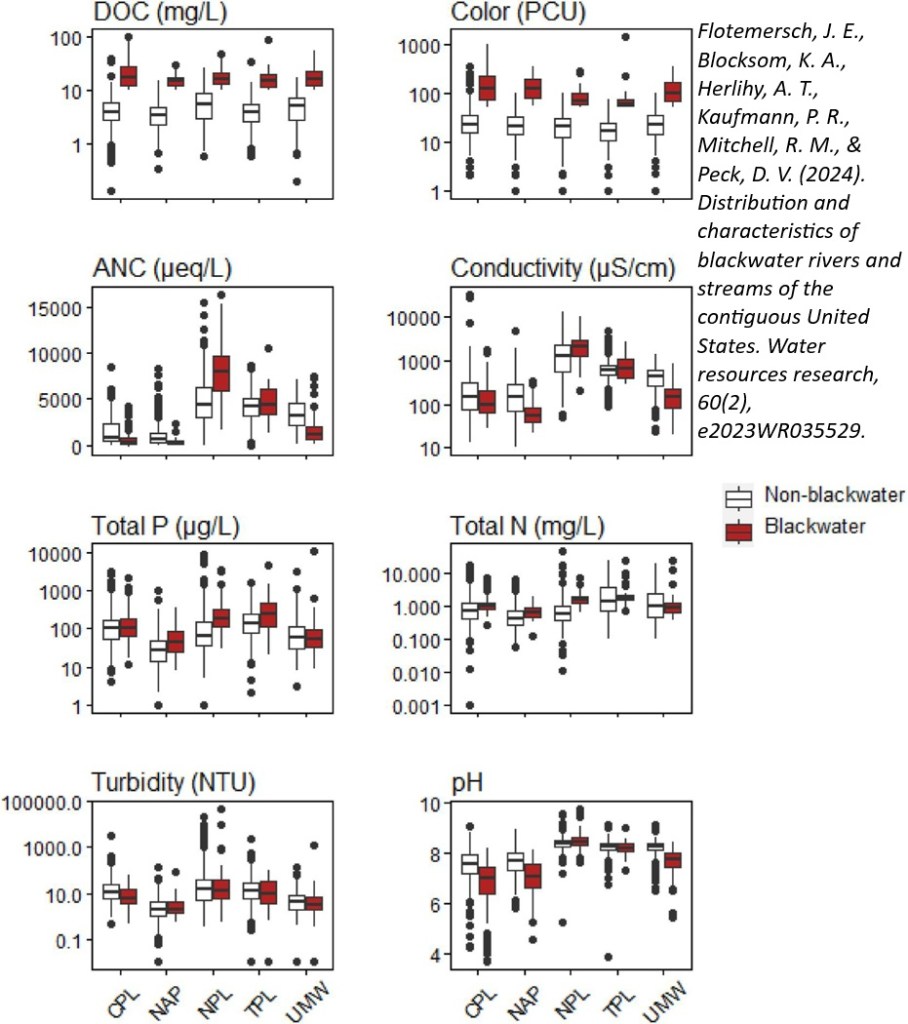
Figure 1: Water parameters of different water bodies (Flotemersch et al., 2024)

The water chemistry of blackwater habitats can be varied in conductivity and pH and therefore hardness (Fig 1; Flotemersch et al., 2024). Although they are typically lower in conductivity and pH this is not always the case.

Frequently cited will be Alfred Russell Wallace’s publication on his travels within South America. When inspecting the book there is no mention of water parameters and this is not surprising as the ability to test water parameters was already limited in the 1850’s, particularly for a naturalist of a modest background but also in the field would entirely be impractical. In fact, the book is very vague as to the hydrology (Wallace, 1853). So while he was analysing species within the Rio Negro, Brazil he wasn’t the first to identify these stained waters, in fact many have given the number of towns and rivers labelled as blackwater and later noted for being of this physiology.

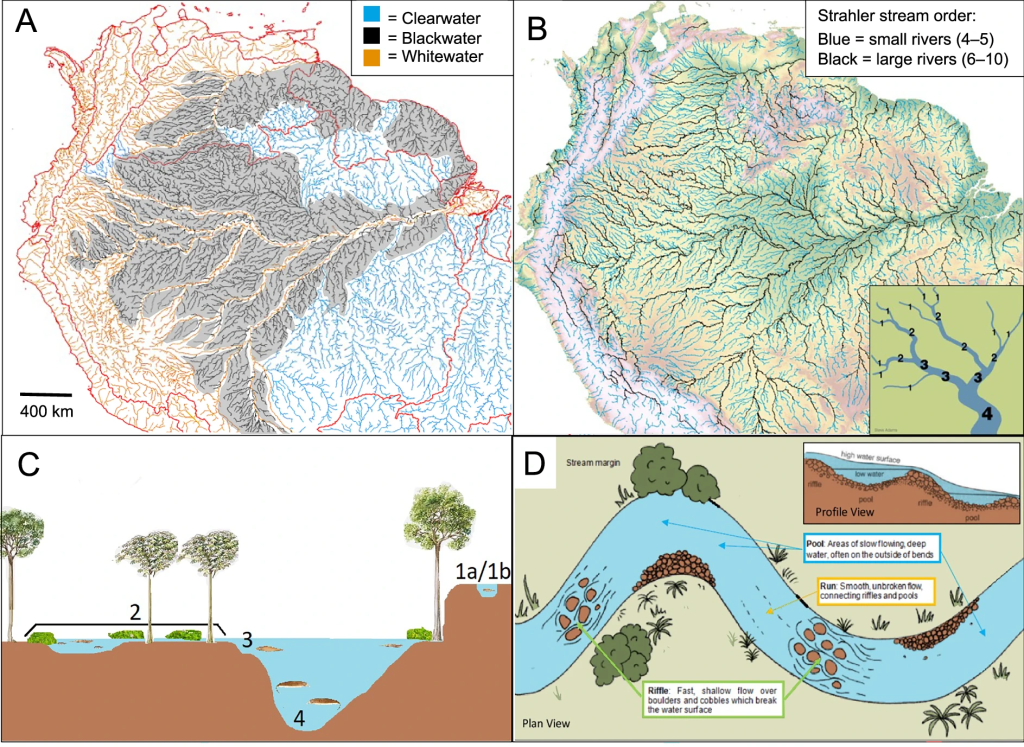
Figure 2: South American stream hydrology/physiology (Albert et al., 2025).

Blackwater habitats as previously mentioned are more typical with specific river hydrological physiologies and distributions are often based on these. Figure 2 displays the distribution of blackwater habitats across Northern South American freshwater ecosystems, defining them mostly at lower flow habitats.

What are tannins?

Tannins are one of the many compounds produced by plants to reduce predation by herbivores, often bitter tasting compounds. These compounds are what stains your black, green and red teas which actually disproves the idea that tannins can only exist in soft, low pH waters but it is easier to obtain in those softer waters as any tea drinker might know.

These compounds are a bit more complex as anti-herbivory mechanisms using a bitter taste. Tannins are antinutrients, limiting protein uptake (Becker and Makker, 1999; Hassan et al., 2020; Wang et al., 2024; Kokou and Fountoulak, 2018) although could also damage other physiological processes (Liu et al., 2025; Omnes et al., 2017). While a more well known benefit is that tannins are also antimicrobial (Wagner et al., 2012; Balta & Balta, 2024), like the antinutrient effect it will be concentration dependent. While there are studies on both looking at these effects of tannins, we don’t know the concentrations of these compounds in our aquariums and it makes it impossible to assume if there is an antimicrobial or antinutritional effect when present within our aquariums. This unpredictability is increased by the fact that other compounds influence the turbidity/staining so we can’t assume that darker stains mean increased antimicrobial/antinutritional effects over a tank with reduced staining as the concentrations of tannins to change the stain differ.

The effect of hardness

What you might have noticed is that there is no mention of hardness or conductivity in my definitions. There is a reason why, there are hard water and brackish blackwater habitats but these are less common but this doesn’t mean they don’t exist and many definitions allow for this (Flotemersch et al., 2024; Hackney et al., 2022; Bonotto et al., 2025) . Blackwater as a term is useful as a definition for tannin rich waters as distinctive habitats as these tannins effect productivity just by light penetration but it’d require a shift in the other terms whitewater and clearwater into much broader categories.

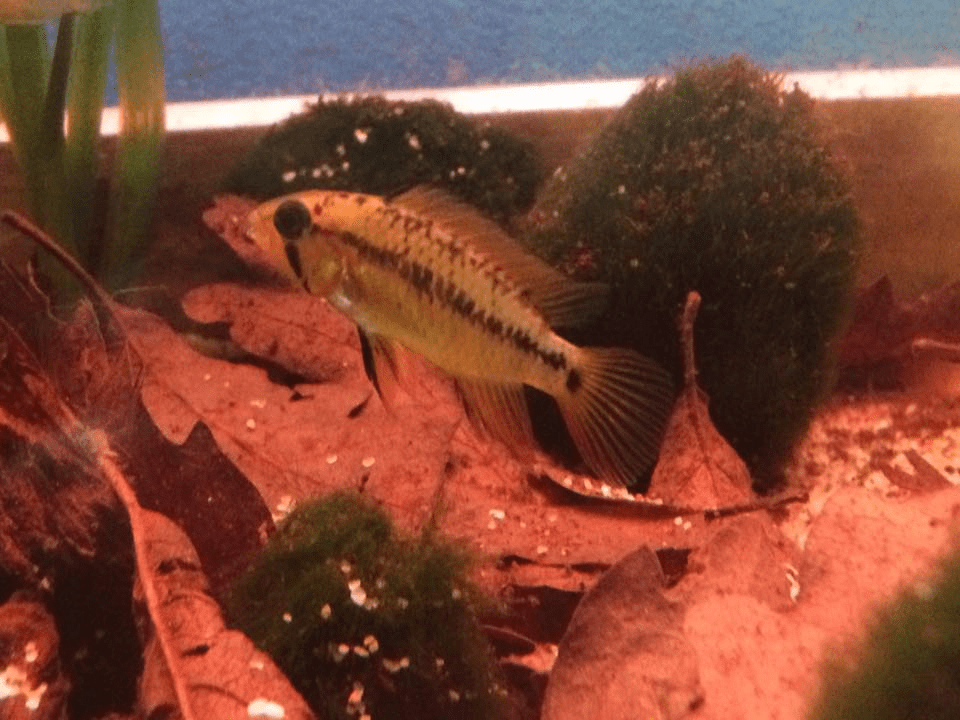
Apistogramma cacatuoides, dwarf cockatoo cichlid female.

Tannins are actually reasonably common in daily life, these are the compounds which stain teas, beers and wines with their distinctive range of red, yellow and brown tones. If you are a tea drinker you might know that you can make a stained tea whether you have hard or soft water, just if you have hard water often you need a higher concentration. The tannins are still released as the plant breaks down, this is no different from in nature. Maybe the misconception that blackwater is only found in softer waters is also the perception that all freshwater habitats are full of leaf litter and botanicals which is a photographical bias regarding popular freshwater media. But there is an incredible diversity of freshwater habitats and situations, so while there will be white/clear waters with leaf litter and submerged plant matter not all do. What probably switches a river towards being blackwater further is the amount of external humic acids draining from outside the river into it, this is confirmed with Meyers (1990) definition. Most of these rivers at the end of the day seem to flow through heavily forested areas so it is likely a strong influence from the external and internal plant matter. But as earlier stated don’t confuse a highly turbid (low clarity) river with being blackwater, there are many rivers with higher sediment loads or other reasons clarity can be low such as just being lower down the stream order with a lot of silt and maybe tidal which kicks up a lot of that silt.

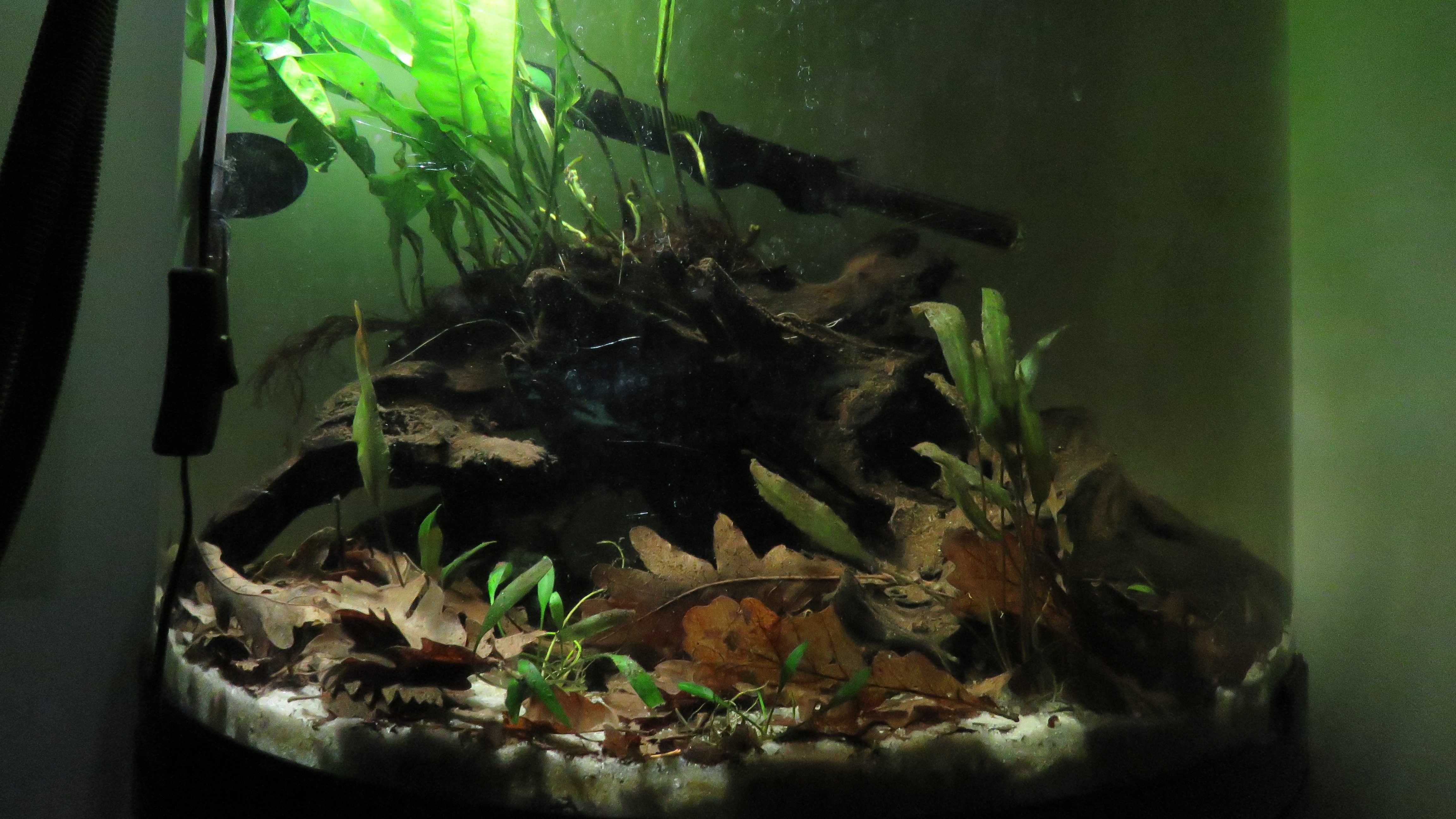
A clearwater aquarium using leaf litter for Pangio spp.

Differences in plant species and structures

Different species of plants contain different concentrations of tannins, this is kind of well known as you might have your preference of species but also noticed some produce a deeper stain more easily then others. What is probably lesser known is different plant structures produce different levels of tannins and this can vary seasonally, this is why plant saplings can be more toxic then their leaves at lower doses. This isn’t a guide on how to use botanicals but I recommend this article on species to use: https://www.practicalfishkeeping.co.uk/features/free-tank-decor/ Just be careful with articles as many do not cover the positives and negatives of plant compounds and many of the health benefits could be overstated in the concentrations we are using.

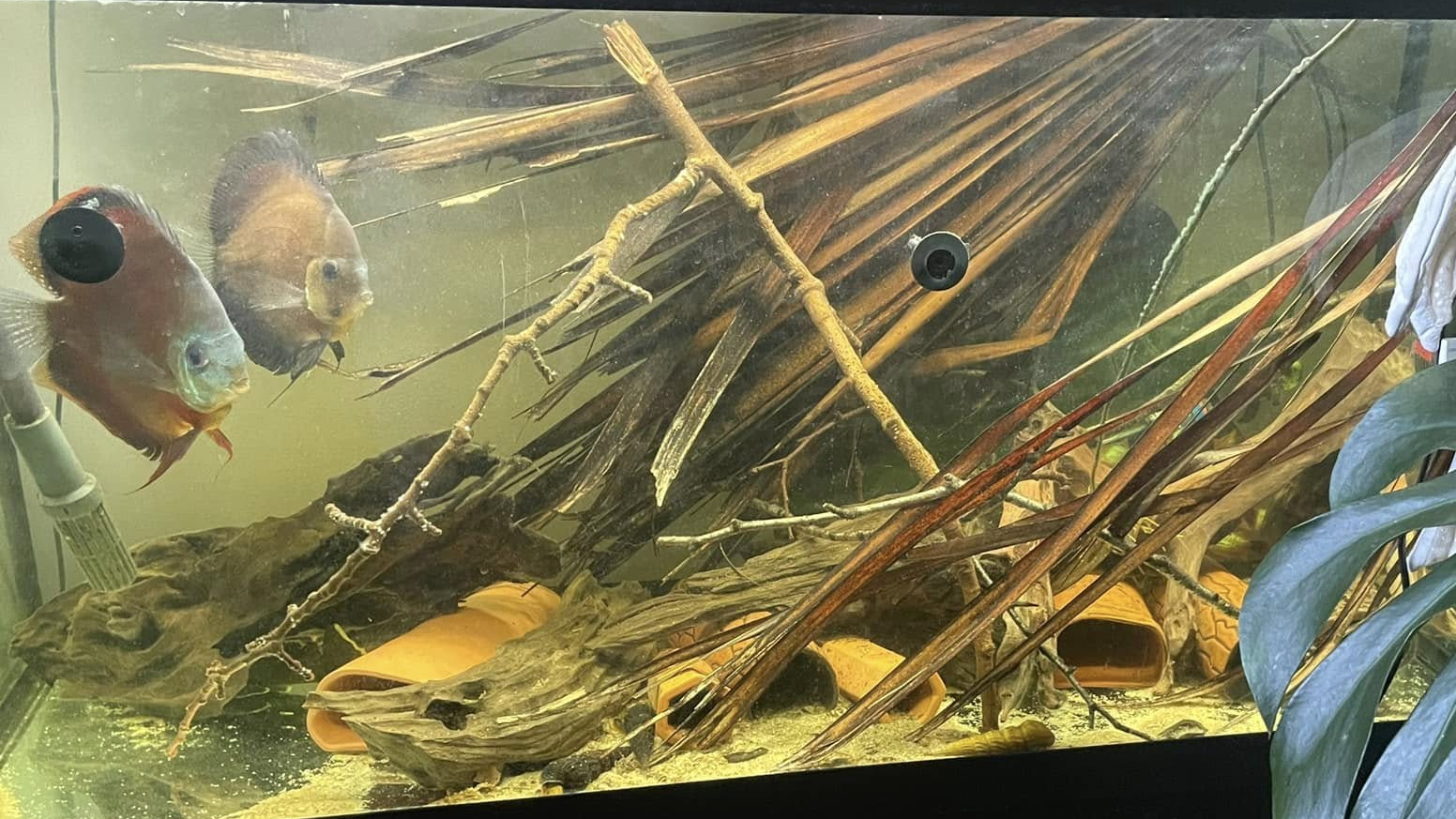
Red cover domestic discus, Symphysodon sp. x.

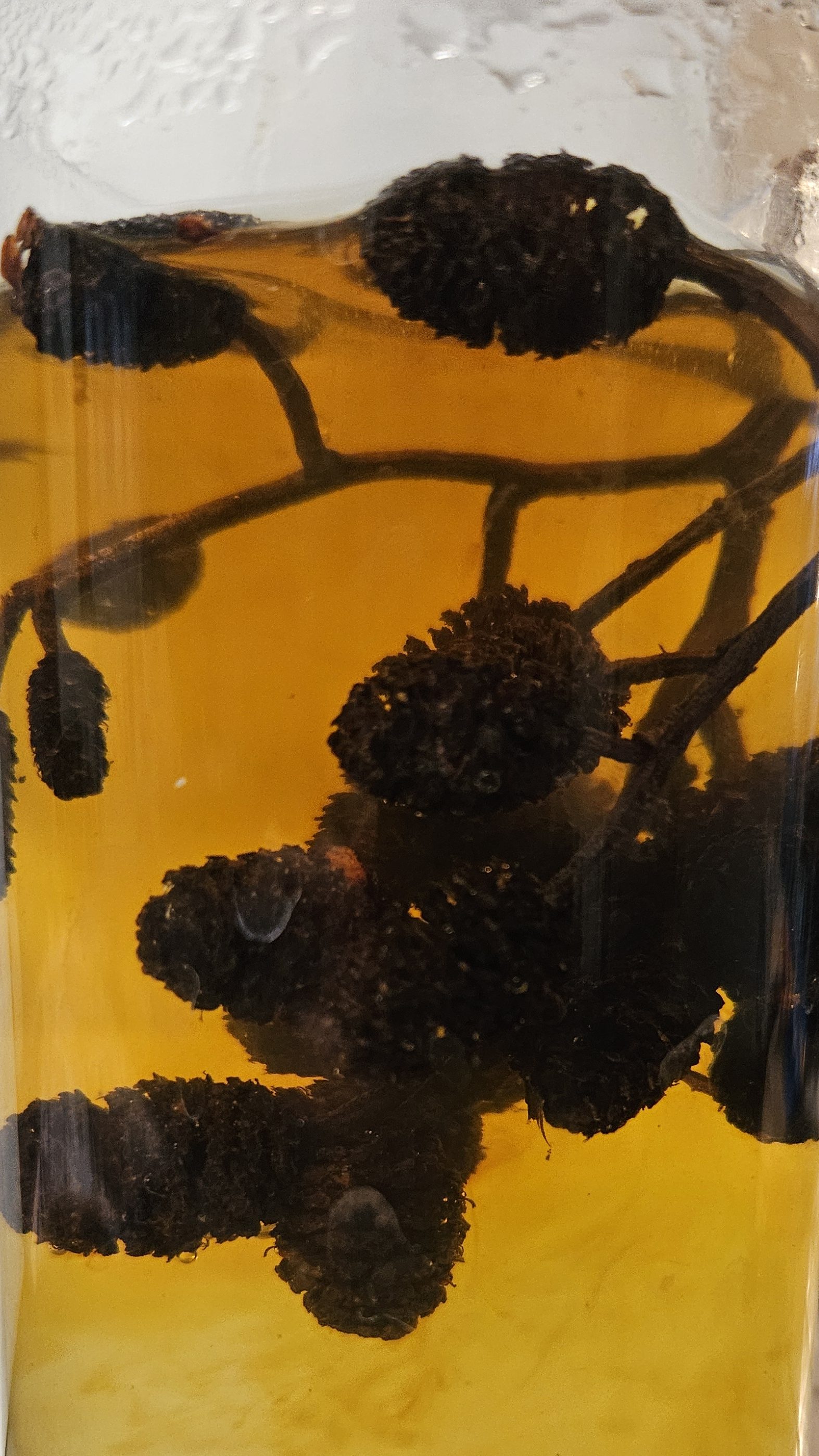
Personally I do not collect botanicals for their stains and I do not use leaves as I keep largely clear/whitewater fishes personally. Alder cones (from Alnus spp.) are one of the best examples to release tannins that you can collect whereas for leaf litter oak leaves (Quercus spp.) are often distinctive. I have also found palm leaves from Trachycarpus fortunei seem to release over a long time a weaker tannin content. But I do largely collect fresh and dried woods from safe deciduous trees such as oak, beech, birch and sycamores.

Plant compounds

Tannins seem the most well known of the plant compounds to the aquarist, these are a form of polyphenol but plants produce a whole diversity of different compounds with a wide range of different properties. It is worth investigating the various compounds of different plants before adding them to the aquarium in larger quantities, dried or fresh because drying doesn’t largely remove them unless you have a way of draining them. This is a massive topic and while many probably wont kill a fish rapidly and depend on how they are introduced to the fish it is worth considering. One example is calcium oxalates found in many aroids such as Anubias and pothos, these are toxins which require being ingested and particular volumes so while they cause damage it is only a concern in larger volumes but we don’t know how much as it’s largely unknown how much many different aroid species contain.

The blackwater adaptation

Fishes that inhabit blackwater habitats likely have adaptations to cope with the physiological stressors of tannins and other plant compounds so they might be able to benefit from those positives such as antimicrobial activity. Perhaps it could be from a higher protein requirement but then due to antimicrobial properties they might not have evolved an immune system that can cope with higher microbial loads. It is likely species dependent. Recognised adaptations is to the lower oxygen saturations within blackwater habitats which is likely a barrier for other species (Small et al., 2014) but blackwater species could be less adaptable to temperatures higher then their normal range (Braz‐Mota et al., 2025).

Conclusion

Blackwater habitats and freshwaters are unusual habitats classified by their ‘tea’ coloured staining caused by compounds known as tannins. Tannins are complicated and there are negatives as well as positives. At the end of the day if you have fishes from blackwater habitats there is likely a benefit.

References:

Albert, J. S., Abrahão, V., Akin, D. R., Allen, J. G., Ândrade, M., Arce, M., … & Reis, R. E. (2025). An ecological trait matrix of Neotropical freshwater fishes. Scientific data, 12(1), 1127.

Balta, Z. D., & Balta, F. (2024) Determination of Antimicrobial Activity and MIC Value of Tannic Acid Against Four Different Fish Pathogens. Journal of Anatolian Environmental and Animal Sciences, 9(4), 582-589.

Becker, K., & Makkar, H. P. S. (1999). Effects of dietary tannic acid and quebracho tannin on growth performance and metabolic rates of common carp (Cyprinus carpio L.). Aquaculture, 175(3-4), 327-335.

Bogotá-Gregory, J. D., Lima, F. C., Correa, S. B., Silva-Oliveira, C., Jenkins, D. G., Ribeiro, F. R., … & Crampton, W. G. (2020). Biogeochemical water type influences community composition, species richness, and biomass in megadiverse Amazonian fish assemblages. Scientific Reports, 10(1), 15349.

Bonotto, D. M., Lunardi, M., & Goonetilleke, A. (2025). Hydrochemistry of Blackwaters in a Shoreline Zone of São Paulo State, Brazil. Journal of Marine Science and Engineering13(8), 1575.

Braz‐Mota, S., Duarte, R. M., & Val, A. L. (2025). Contrasting thermal and hypoxic responses of species from blackwater and whitewater rivers. Journal of Fish Biology.

Hackney, C. T., Adams, S. M., & Martin, W. H. (Eds.). (1992). Biodiversity of the southeastern United States: aquatic communities (pp. xiii+-779).

Hassan, Z. M., Manyelo, T. G., Selaledi, L., & Mabelebele, M. (2020). The effects of tannins in monogastric animals with special reference to alternative feed ingredients. Molecules, 25(20), 4680.

Kokou, F., & Fountoulaki, E. (2018). Aquaculture waste production associated with antinutrient presence in common fish feed plant ingredients. Aquaculture, 495, 295-310.

Liu, J., Zhang, X., Lu, Q., Zhang, H., Lin, L., & Li, Q. (2025). Tannic acid reduced the growth performance, antioxidant, and immune functions of the Nile tilapia (Oreochromis niloticus). Aquaculture, 596, 741872.

Meyer, J. L. (1990). A blackwater perspective on riverine ecosystems. BioScience40(9), 643-651.

Flotemersch, J. E., Blocksom, K. A., Herlihy, A. T., Kaufmann, P. R., Mitchell, R. M., & Peck, D. V. (2024). Distribution and characteristics of blackwater rivers and streams of the contiguous United States. Water resources research, 60(2), e2023WR035529.

Omnes, M. H., Le Goasduff, J., Le Delliou, H., Le Bayon, N., Quazuguel, P., & Robin, J. H. (2017). Effects of dietary tannin on growth, feed utilization and digestibility, and carcass composition in juvenile European seabass (Dicentrarchus labrax L.). Aquaculture Reports, 6, 21-27.#

Ríos-Villamizar, E. A., Adeney, J. M., Piedade, M. T. F., & Junk, W. J. (2020). New insights on the classification of major Amazonian river water types. Sustainable Water Resources Management6(5), 83.

Small, K., Kopf, R. K., Watts, R. J., & Howitt, J. (2014). Hypoxia, blackwater and fish kills: experimental lethal oxygen thresholds in juvenile predatory lowland river fishes. PLoS One9(4), e94524.

Wallace, A. R. (1889). A narrative of travels on the Amazon and Rio Negro: with an account of the native tribes, and observations on the climate, geology, and natural history of the Amazon valley (No. 8). Ward, Lock.

Wagner, E. J., Oplinger, R. W., & Bartley, M. (2012). Evaluation of tannic acid for disinfection of rainbow trout eggs. North American Journal of Aquaculture, 74(1), 80-83.

Wang, Y., Wu, J., Li, L., Yao, Y., Chen, C., Hong, Y., … & Liu, W. (2024). Effects of Tannic Acid Supplementation of a High‐Carbohydrate Diet on the Growth, Serum Biochemical Parameters, Antioxidant Capacity, Digestive Enzyme Activity, and Liver and Intestinal Health of Largemouth Bass, Micropterus salmoides. Aquaculture Nutrition, 2024(1), 6682798.

Social Media, where to go for advice?

Social media is tricky when looking for fishkeeping advice, there are a lot of sources and all with their pro’s and con’s. It’s even more tricky for a beginner but I assume most reading this website are not beginners, even the most seasoned aquarist can fall into echo chambers and feel lost with knowing where to go. I hope this article can offer some help.

Some might know that I do not just have this website, I have a Youtube channel, run multiple Facebook groups and can be active on Discord. Previously I was on a few forums and sometimes will frequent the Planet Catfish forum. Social media is hectic and confusing, it can be full of drama but where isn’t that has people?

At the end of the day many fishkeepers don’t frequent a lot of social media, Youtube particularly is very focused onto those who can make videos which takes skill and time.

So what social media is there?

Throughout this article I wont include channels/groups that encourage poor welfare, out of date or inaccurate/unreliable ideas. This is not the extensive list as no doubt I’ll have missed some.

Youtube/Instagram

I would say both of these platforms are quite similar. I largely am not keen on either for learning, they are entertainment platforms. Viewer count is not about knowledge (or experience) but about entertainment value. Youtube is tricky as there is no real argument for or against, on it’s own largely it’s self focused so ideas cannot really be contested or debated. There is little ability to cite sources and it is not frequently done.

Both are so much of a bottleneck that the most knowledgeable fishkeepers inevitably will not be the most popular. The most seasoned aquarists seem to frequent other sources.

Saying all of that there are great channels, those that show different biotopes or discuss the science.

My favorite channels:

  • Professor Leandro Souza, (https://www.youtube.com/@LeandroSousa_IctioXingu). A great channel for anything connected to the Rio Xingu, it is largely in Portuguese but subtitles exist. Not just can you see the habitats of the various fishes but the fishes themselves.
  • Chris Englezou/CE Fish Essentials, (https://www.youtube.com/@cefishessentials). Great for biotopes and some real thought provoking discussion.
  • Cam and John, The Fish Room (https://www.youtube.com/@TheFishRoom). Their weekly livestream/interview is one of the best podcasts around. They have interviewed some of the top names of fishkeeping from Ian Fuller to Project Piaba (and some Rift Valley cichlid people) and really care for advancing knowledge. If fishes aren’t entirely your thing many episodes involve interviewing brands and aquascapers.
  • Meenkaran, (https://www.youtube.com/@flare1979/). If you want to see anything from biotopes to husbandry and science of South East Asian fishes, no further needed to go.

Knowledgeable fishkeepers:

I put this as separate as they are kind of a different format and knowledge to be gained.

  • Alyssa Bentley, (https://www.youtube.com/@mangala666). One of the best Loricariid breeders, she is currently building a fishroom after many years of fishkeeping.
  • Dylan/DJA Aquatics, (https://www.youtube.com/@DJAAquatics). A Loricariid breeder with a lot of knowledge and passion for this group of fishes and Corydoradinae.
  • Graeme/Aquarium Adventures, (https://www.youtube.com/@AquariumAdventures). A great channel for fishkeeping in general, a channel that emphasizes the fact we are always learning as fishkeepers. If you want to try a different aquarium sealant other then silicone, a great channel to watch.
  • Paul/BigFishLad, (https://www.youtube.com/@bigfishlad4847). Good for anyone interested in keeping those larger Central/South American cichlids, what is required and a channel that shows high welfare or thoughtful care of these fishes.
  • StephenP, (https://www.youtube.com/@StephenP2003). Stephen has a real interest for plants and learning more about them. Not just the husbandry but also the science behind them.
  • Tropical Fish Hub, (https://www.youtube.com/@tropicalfishhub). A great channel largely focused on South American fishes. Looks more into their husbandry but has a lot of high welfare and thoughtful setups.
  • Bills Cichlid Room, (https://www.youtube.com/@BillsCichlidRoom). This channel is great for seeing a realistic fishroom with a particular focus on cichlids. Bill obviously has a lot of knowledge about a variety of freshwater fishes but particularly cichlids.
  • Amiidae, (https://www.youtube.com/@amiidae). This channel shows a lot of footage of rarer species from a diversity of locations.

Discord Servers:

Don’t forget we have our own discord server! The link to join: https://discord.gg/CzFRvEQkrT

Might Scottish Law Ban Aquariums and Other Exotics?

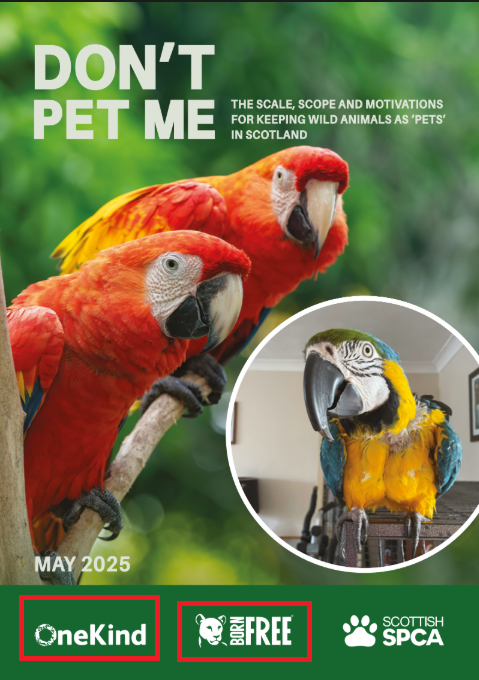
While it has been a hot topic in the exotic pet community for a while this topic is starting to gain traction in the aquarium hobby. The Scottish Government was provided with a report by the SSPCA, Born Free Foundation and One Kind titled “Don’t Pet Me”. This report sets out a case for the restriction and banning of a number of pets although definitions are unclear they largely use the term wild animals.

When analysing a document like this it’s important to understand who wrote it, unlike scientific papers this is not peer reviewed and biases do not have to be declared. Born Free Foundation is already actively against exotic pets (https://www.bornfree.org.uk/wild-animals-pets/), this is also the case for OneKind (https://www.onekind.org/listing/category/dont-pet-me) and the Scottish SSPCA is largely an animal welfare organisation but has done a lot of really good work. The others have done misleading campaigns in the past but I wont get into them as the focus here is this one. None of the contributors seem to be stakeholders in the industry nor scientists studying the relevant taxa.

The Reports Methodology

The first thing to set out is what they mean by a wild animal. This report fails to provide a definition for a wild animal, or as they say an exotic pet, I shall be using these terms interchangeable. This lack of clarity is problematic as the definition and understanding of the term varies. The Cambridge dictionary states a wild animal as “An animal that lives in natural conditions and is not cared for by humans”, which is a broad brush but ignores any captive animals as they are obviously being cared for. UK law doesn’t seem to have a definition beyond a list of those species covered by the Dangerous Wild Animals Act 1976 which require a license. Exotic pets in an interim report with the Scottish government identified the term is misleading and inappropriate with varying definitions (https://www.gov.scot/publications/scottish-animal-welfare-commission-interim-report-exotic-pets-scotland/pages/5/). A debate in the UK parliament identified exotic pets as rare or unusual https://commonslibrary.parliament.uk/research-briefings/cdp-2015-0124/, not a helpful definition. A 2022 final report mentions rabbits and small rodents as exotic pets although doesn’t focus on these excluding dwarf hamsters (https://www.gov.scot/publications/final-report-exotic-pet-working-group-scottish-animal-welfare-commission/pages/4/). When it comes to vets it’s generally considered anything that is neither livestock, horses, a dog or cat is considered exotic. With such a broad definition this makes this 2025 report handed to the Scottish Government concerning but also open.

While literature is present on the topic of a variety of exotic pets, this report also fails to reference much of this peer reviewed scientific literature. Much of the literature provided shows a clear conformation bias rather then an argument, it only portrays one point of view. There is no discussion of the benefits and many of the citations reference trends in other countries opposed to focus on practices in the UK. Some of the sources are irrelevant e.g. the captive husbandry of slow loris (Nekaris et al., 2015) in page 31 and used it to compare to crested gecko’s, could they not find a single source that inferred that the squeaking behaviour was an example of stress in this gecko species? Just because viewers might find a behaviour cute it doesn’t mean they want to buy the animal. Ramsay et al. (2007) is used to discuss red eared sliders, a species already banned in the UK. Realistically given the very limited citations there isn’t so much I can say about them.

They claim to send a mystery shopper to a range of stores as mentioned in page 8, while it sounds ideal how do we know what stores were included and the quality of those stores? Was it just the bad eggs? Could they not say which stores they visited?

Figure 2: Some definitions provided by the Don’t Pet me report, 2025.

There are some issues with the terminology used (Fig 2), maybe it is too simplistic but they could have cited a source with a detailed definition. The one that is most odd to me is morphs, not all morphs are ‘sought after’, this phrase maybe makes it seem like there is a trend or market. A morph really is just a variant. The term morph is very specific to the reptile hobby and seems more like targeting as within other exotic pet hobbies we might use terms such as breeds or variants.

The Reports Results

Some of these results would benefit from reliable citations such as “For example, royal (ball)
pythons (Python regius) are frequently wild-caught”, given the number of morphs in the UK which would not be wild caught as these are captive strains this is likely misleading. Additionally yes there will be royal pythons wild caught but are these reaching the UK? The paper that the report they mention mostly doesn’t infer this is relevant (Green et al., 2020) as the source of royals into the UK isn’t mentioned. This could be solved by asking wholesalers.

The report criticises the use of RUB’s (Really Useful Boxes), the reptile hobby already criticises this and it’s a self policing hobby that is regulating, yet there is little mention of this. This self policing trait within exotic pet communities while sometimes internally criticised is an important part of developing and improving welfare based on science and evidence within a hobby (Muka, 2022), it is not rare either. Maybe this is evidence of how the worst parts of our communities let us down, and could now be our downfall. My community here, on Youtube and Discord is not alone in providing up to date husbandry that also helps self police to the hobby. This has been somewhat recognised within the report for the hedgehog hobby (Page 12) but it makes no effort to recognise how widespread this is. There is frequent criticism of snake enclosure sizes, maybe supporting and promoting those who are encouraging evidence based husbandry would be better then making it seem like the whole hobby is doing this.

Some of the images used (e.g. Page 13) are not from the UK or represent the UK trade, many parrots in the UK will be captive bred. This is emotive imagery but not realistic.

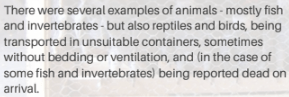
Figure 3: Criticism of transportation by the Don’t Pet me report, 2025.

Fishes are often transported as we are well aware in bags sometimes polyboxes but these are safe for the fish in movement and there has yet to be a good alternative. The mention of bedding and ventilation for shipping fishes is just ridiculous, what bedding would they suggest? And ventilation? It’s just as bad as PETA suggesting we use tranquilisers to transport fishes. Any decor does risk breaking the bag but also if it shifts stressing out or damaging the fish.

Figure 4: Criticism of shop labelling by the Don’t Pet me report, 2025.

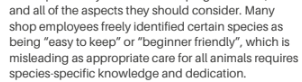
Some of the criticism maybe is a little odd (Figure 4), labelling a species as easy to keep or beginner friendly doesn’t mean the store isn’t recognising there is species specific requirements, it’s inferring that the husbandry is not as difficult as other species. While I disagree often with the species chosen it is not for this reason, often these species might have requirements that can be missed by someone after an ‘easy’ pet but no hobbyist usually wants their animals listed as easy.

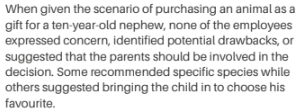
Figure 5: Don’t Pet me report, 2025.

While a problematic scenario is provided (Figure 5) when provided with a challenging situation such as a child wanting a pet the second solution is not bad. Customers can be challenging and this second solution likely would allow the child to obtain some education from the animal, avoid an unwanted pet and hopefully get the parents involved. But without a full script much of this secret shopping experience is biased and unreliable. The report fails to recognise that sales setups are aimed to be short term and therefore often smaller then a long term setup and these are not recommended for long term care.

Issues with Data

There are frequent issues with the data provided which could be misleading but also infer to me a lack of knowledge about animal biology and husbandry.

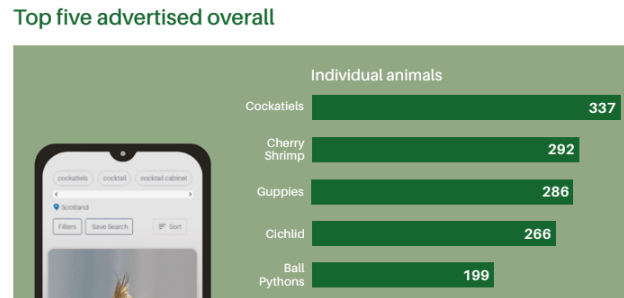
Figure 6: Number of individual species sold from the Don’t Pet me report, 2025.

Data often needs to be properly dissected and understood or it can be misread. Figure 6 identifies cherry shrimp (Neocardinia davidi), Guppies (Poecilia reticulata, do they mean P. wingei hybrids as well?) and cichlids as the most populous species sold. There are loads of errors with this statistic. Firstly cherry shrimp and guppies are very frequent spawners and small organisms as hobbyists we know this, so it makes sense so many would be for sale. But given their size they take up much less space and instead particularly for guppies a focus would be better aimed as only buying males given females are often already pregnant. I don’t see how these two are a problem entirely being so high, they are easy going aquatics. Cichlids though is an issue, you first have the bias that this is one of the largest families of fishes with incredible diversity. So it is understandable why there would be so many. I do have an issue with data like this where there is not equitable groups provided. The fishes shown here represent likely multiple species so would represent more individuals, is that bad?

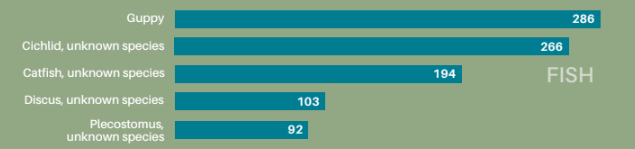
Figure 7: Top five advertised per category and number of animals in the Don’t Pet me report, 2025.

Figure 7 is very problematic to me as none of these groupings really have definitions. My criticism of the term guppy without a scientific name is the same from the previous comment. Unknown species could infer the seller doesn’t know the species, or the writers of the report have no idea, if they can’t identify the species why are they writing a report on husbandry? Is it to make the sellers look bad if it infers that the seller doesn’t know? Discus are cichlids and ‘Plecostomus’ are catfishes. The discus category is concerning as it’s pretty simple, wilds aren’t common in the UK so we are dealing with domestics which are a hybrid, it’s not even unknown they are a mixture of mostly Symphysodon tarzoo and S. aequifasciatus (Ng et al., 2021).

Plecostomus as someone who studies Loricariids is the most problematic category. Plecostomus is no longer a valid genus, Hypostomus plecostomus is barely if at all in the trade. Plecostomus as a common name is a pick and mix name, so how broad do they mean? Could they be including the Chinese algae eater, Gyrinocheilus aymonieri, which is a very frequently rehomed fish. Are they including Ancistrus as some have done? What about Loricariinae? 92 (Figure 7) would be a lot even just for Pterygoplichthys which has never been in Plecostomus. Loricariidae is popular but the term Plecostomus means very little without a definition. Many people breed Loricariids and according to the IUCN what is identified, there are still many threatened in the wild. I’m not being pedantic though, this is not a consistent term.

Exotic pet demographics

As someone who has been diagnosed with dyslexia and SpLD since I was 8 this section infuriated me. There was an obvious targeting of neurodiverse people.

Figure 8: Mentions of Neurodiversity in the Don’t Pet me report, 2025.

An unneeded targeting of neurodiversity was included (Figure 8), why this was relevant I have no idea. While they recognise precise knowledge it seems to infer there is something problematic with neurodiverse people and animals, that maybe we are less capable. Neurodiversity includes conditions from autism, dyslexia, ADHD and similar, it’s a broad term but we all think differently, this means we can problem solve. These conditions do not infer with our ability to keep animals with high welfare and in fact it might mean we can identify new solutions to husbandry problems.

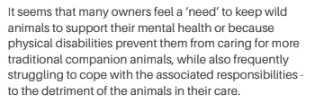
They continue to target disabilities.

Figure 8b. Criticism of the disabled community in the Don’t Pet me report, 2025.

There is no need to explain how animals help with mental health, we all know that. Although I argue fishes are stress causing haha, I must say Zach, my little (6kg! but not overweight) void cat has been a blessing to me (even if he ensures he has breakfast at 2-4am no matter what). Exotics can differ a lot from traditional pets so it makes sense many provide solutions to disabled people, it could be from cleanliness and issues with fur or just fascination. This statement (Figure 8b) infers that disabled people, that includes the neurodiverse community so those with dyslexia, ADHD and autism can’t cope with their animals because we are disabled. Most of us our disability has nothing to do with animal husbandry! While I have short term memory issues, issues with understanding language it has nothing to do with how I can keep my animals. Even when I’ve broken bones I’ve still managed to do water changes, in a way my dyslexia has allowed me to problem solve around not being able to use a broken arm/wrist. It ignores how disabled people can identify new solutions due to differences in thinking. I don’t know what disabled people are frequently saying they can’t cope as that’s definitely a minority. Neurodiversity is common in fishkeeping and no one has told it’s causing them to struggle. I’ve worked in the trade and I know exactly how much I can care for and I know I can keep a lot more then I do now (academia means moving a lot).

Another concern of the report which highlights a bias is they recognise on page 21 that many keepers work with animals, qualifications vary from none to PhD. Yet in the next paragraph they state “Most people who own wild animals appear to be either irresponsible, or well-intentioned but lacking the necessary knowledge and equipment.”. This is clearly stating they think that those who work with the animals husbandry are not as knowledgeable, as who? I assume them? Do they have anything to back this up? And given Born Free has frequently campaigned against zoos it infers that they are inferring there are no husbandry experts. It infers that zookeepers and store staff, academics etc. don’t know as much as they do.

Figure 9: Don’t Pet me report, 2025.

I don’t know why Figure 9 was included, is this inferring that people who show their animals are of a low socio-economic status? And what do they mean by that? How are they judging? You can’t judge from a video or photo someone’s socio-economic status.

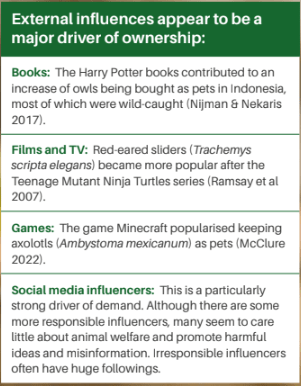
Figure 10: Don’t Pet me report, 2025.

No one is debating the external influences with the hobby (Figure 10), the hobby actively tries to fight it yet little mention or promotion of responsible communities.

Frequently throughout statements are made but not cited or even a lack of values provided. They state their opinions but make it unclear that they are opinions. They do not communicate with husbandry or scientific experts in a variety of groups. Frequently statements are made about the hobby that the hobby is trying to solve.

Page 29 fails to recognise the lack of availability of exotic vets or specialism of vets particularly for diverse groups. It also fails to recognise responsible communities and individuals recommend vets frequently where this is the required intervention and not a husbandry issue.

They state people blame “Flimsy enclosures were often blamed but human error was also a cause.”, both of these can easily be the cause as there are weak enclosures and an owner might not be aware. This is obviously more common with small mammals but with fishes a lid is always promoted for a variety of reasons.

On page 29 they identify the use of live feeding vertebrates, the legislation on this is tricky but it would be great if they could provide clarity as to if their sources were in the US or other countries where this is common. I have yet to hear of this in the UK.

I guess this is a positive for fishkeeping!

They do mention issues with handling on page 31, as someone whose worked with a range of exotic animals but also a fan of choice based handling. It can be useful for animals to get used to handling as sometimes care might be required, this is less common for non-mammalian exotics who lack nails or fur that needs trimming. They mention axolotls being handled which I have yet to see being common practice……. although aquatic species being handled for some such as Loricariids it allows for a quick clear assessment of the fish and as facultative air breathers it causes little harm, most people are only taking photos when being moved between setups so will be out of the water anyway. Seeing defensive as ‘cute’ is not entirely common but for some animals if handling is required confidence is needed as waiting, going in slow will likely result in an accident.

Premature death in the trade is mentioned but there are no real statistics on this and this should be recognised.

For demographics my personal concern has been the age groups between around 16-18 which will be moving for university or perhaps renting, not that they can’t keep pets but it does effect choices. Having animals younger effects where you can live given rental restrictions but also animals being banned from university halls. This has not been identified in the report yet within aquariums and reptiles there is definitely a demographic gap where there are less people between around 18-30 although I would be curious how the upper end might change.

The reports recommendations

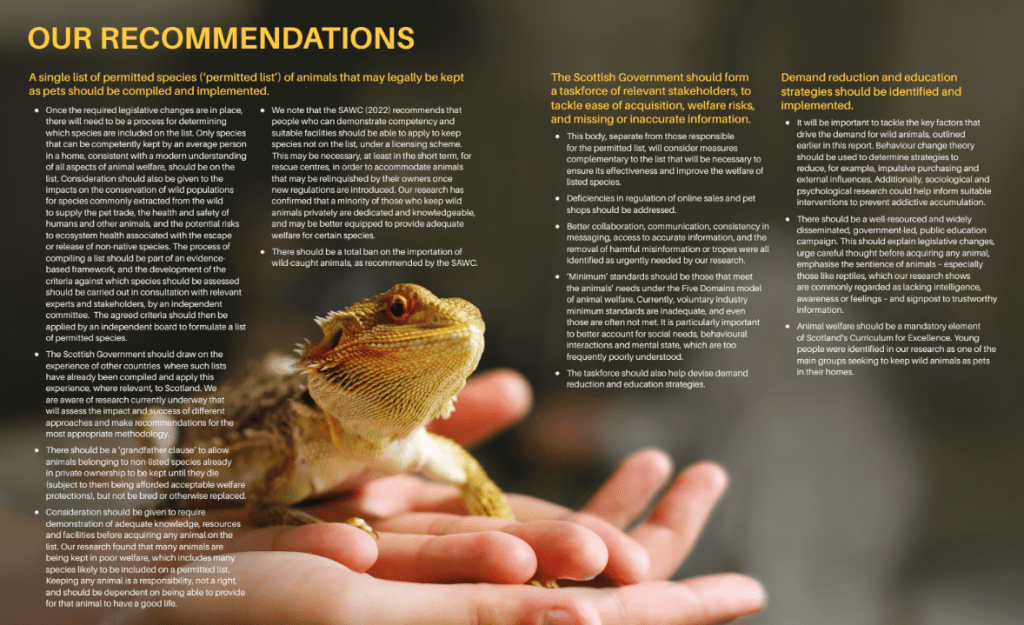
A Positive List

The most concerning part of the report is the promotion of a positive list, this is a list of species that people would be allowed to keep. We have no idea what would be included here and the report provides little clarity other then more common exotics such as rabbits, guinea pigs and hamsters maybe wont be included? This is regardless of those three also facing similar difficulties but also have active communities promoting welfare.

This positive list could mean many things, it could mean that you could keep what you have till it passes. It might mean you cannot breed, trade or sell the animals. It could mean euthanasia. It could mean no imports. Most of these would make legal captive populations extinct.

Illegal populations will always exist but these will go underground, animals will have no access to veterinary care. While exotic vets are rare there will be even less access to them for the animals that exist legally as demand decreases, many of these animals are long lived so catfishes, parrots and reptiles would be without.

The benefits of the aquarium hobby are well known, both to people but also to the species encountered within it (Evers et al., 2019). As a hobby we do need to promote and further these benefits, we need to reduce the pressure on a small number of species but be responsible with what we keep. The hobby is a source of knowledge both from hobbyists (Marchio, 2018) who are not professionals but also from academics and husbandry experts, it has been identified previously vets will defer to hobbyists for knowledge (Walster et al., 2015).

Encounters, awareness and exposure to a diversity species will decrease. Zoos contain a very limited number of exotics for many groups such as freshwater fishes. A lot of interest in many freshwater groups which can lead to scientific research or conservation (ex-situ and in-situ) can originate from this exposure. There are many aspects of the aquarium hobby involved in ex-situ conservation and captive breeding so a positive list would remove this potentially causing an extinction of some species. Captive breeding fishes is promoted within the hobby and often not for money (Pountney, 2023).

The aquarium hobby provides an industry for locals who fish for the species we value as hobbyists. None more obvious then the cardinal tetra and discus of South America such as around Manaus. The aquarium hobby provides a job for locals, without it to support their families they would have to go into other jobs such as deforestation or mining.

The aquarium hobby, it’s exposure and the structure itself has allowed for the identification of new species, while not always classified we have systems such as the L number and CW number system. These can support and aid scientific research.

What can you do to protect your hobby?

While this is a Scottish report and aimed at restricting animals within Scotland there is no harm in making your concerns known throughout the UK. Contact your local MP with your concerns. Within Scotland be aware of who you are voting for.

OATA has great sources as the only representative for UK fishkeeping who is able to fight this report: https://ornamentalfish.org/

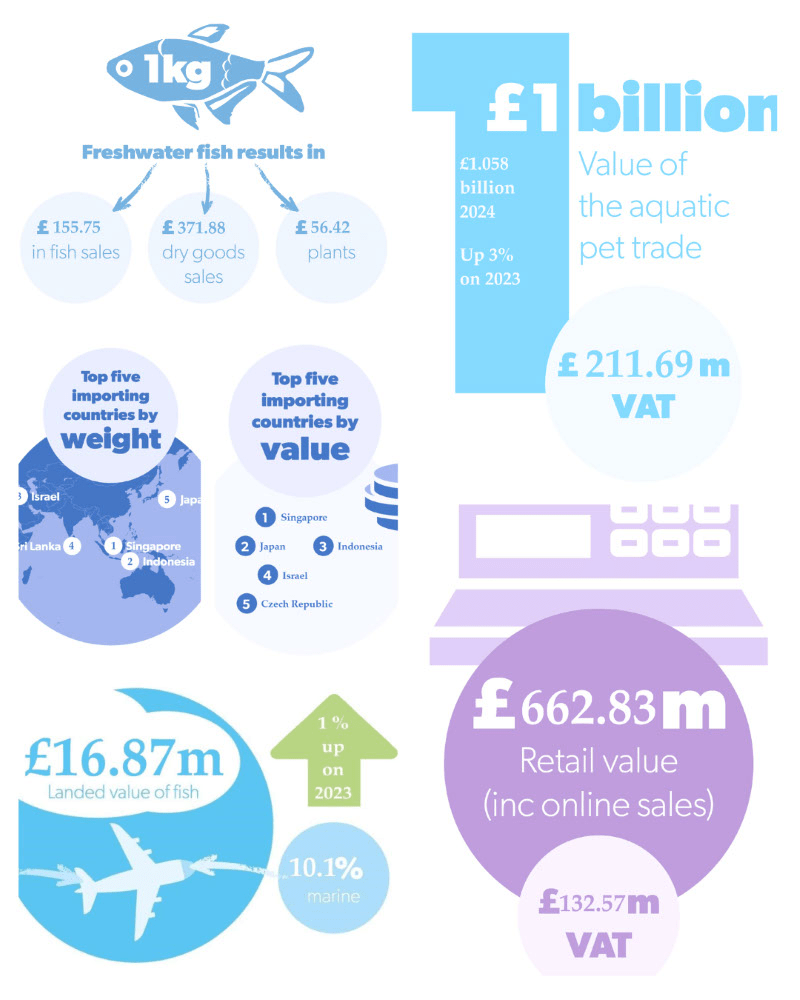
Amazing figure provided for OATA of the impact of the aquarium hobby in the UK from 2024-2025.

The report itself: https://dontpetme.org/ https://drive.google.com/file/d/1nvje1bJ0x0ESLKbRuPDm7sUyFZ_VVCJN/view

Evers, H. G., Pinnegar, J. K., & Taylor, M. I. (2019). Where are they all from?–sources and sustainability in the ornamental freshwater fish trade. Journal of Fish Biology94(6), 909-916.

Green, J., Coulthard, E., Megson, D., Norrey, J., Norrey, L., Rowntree, J. K., … & D’cruze, N. (2020). Blind trading: a literature review of research addressing the welfare of ball pythons in the exotic pet trade. Animals10(2), 193.

Marchio, E. A. (2018). The art of aquarium keeping communicates science and conservation. Frontiers in Communication3, 17.

Muka, S. (2022). Taking hobbyists seriously: The reef tank hobby and knowledge production in serious leisure. Studies in History and Philosophy of Science93, 192-202.

Nekaris, K. A. I., Musing, L., Vazquez, A. G., & Donati, G. (2015). Is tickling torture? Assessing welfare towards slow lorises (Nycticebus spp.) within Web 2.0 videos. Folia Primatologica, 86(6), 534-551.

Ng, T. T., Sung, Y. Y., Danish-Daniel, M., Sorgeloos, P., de Peer, Y. V., Wong, L. L., & Tan, M. P. (2021). Genetic variation of domesticated discus (Symphysodon spp.). Aquaculture, Aquarium, Conservation & Legislation14(2), 832-840.

Pountney, S. M. (2023). Survey indicates large proportion of fishkeeping hobbyists engaged in producing ornamental fish. Aquaculture Reports29, 101503.

Walster, C., Rasidi, E., Saint-Erne, N., & Loh, R. (2015). The welfare of ornamental fish in the home aquarium. Companion Animal20(5), 302-306.

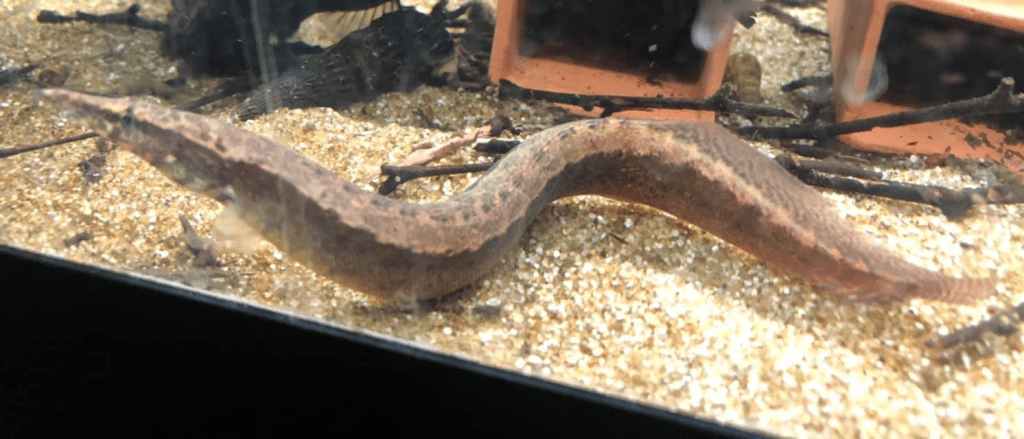
The perfect small ‘eel’, Macrognathus circumcintus a short guide

Many fishkeepers are after something unique and usual for their aquarium and sadly many of what we call oddballs are usually quite large. There are always exceptions to this and these only need to be encouraged.

The eel issue

Before exploring Macrognathus circumcinctus I should explain the issue with the word eel. Eel is a common name that realistically describes anything anguilliform in shape. Anguilliform is a fish shape which refers to that elongate body shape and would generally use that body for locomotion. This is easily confused with Anguilliformes, true eels are quite distantly related from what we see sold as freshwater eels with the exception of the large Gymnothorax polyuranodon (Lifestyle is debated; Ebner et al., 2011; Ebner et al., 2019) and G. tile (actually brackish). Eels are found in many clades from the eel loaches in Pangio and Vaillentella; to the eel catfishes in Channallabes. Gymnotiformes, true knifefishes are also described as either eels or having anguilliform morphology.

No group is referred to as eels as much as Synbranchiformes and this is where Macrognathus circumcintus places. Other popular ‘eel’ fishes are also found in this clade, Mastacembelus erythrotaenia (Fire eel), Mastacembelus armatus (tyre track eel) and if more interested in Asian cooking then Monopterus spp. (swamp eels). The South American swamp eel, Synbranchus spp. is particularly interesting given along with being obligate air breathers they are sequential/diandric hermaphrodites (Barros et al., 2017).

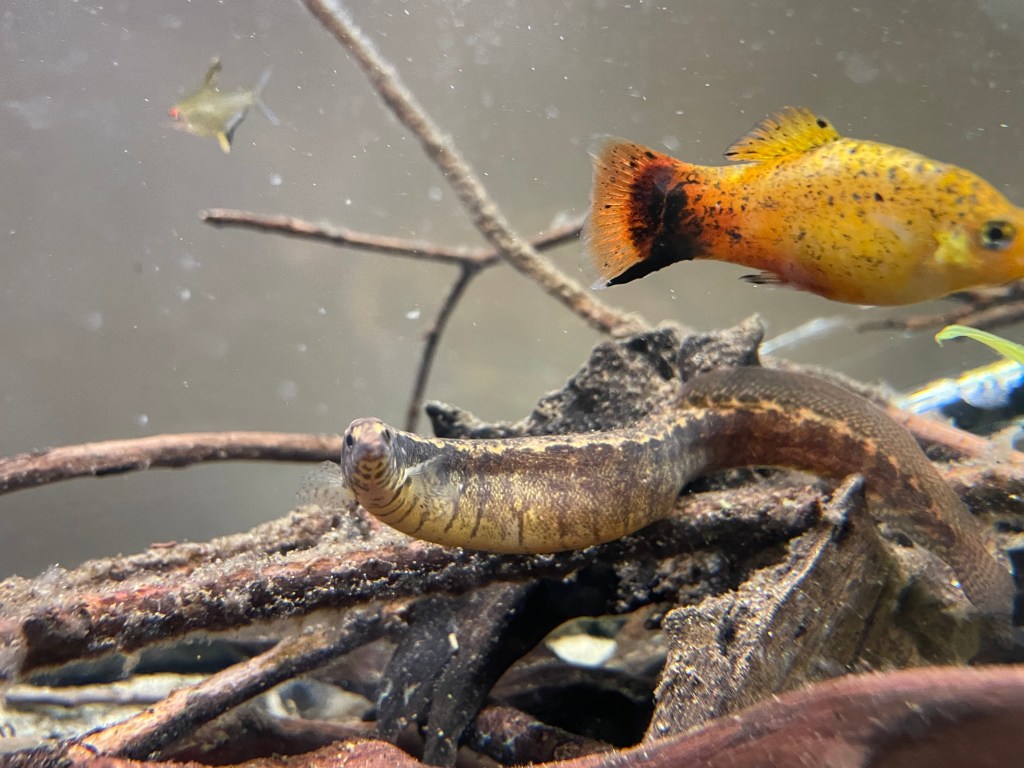
The Half Banded Spiny Eel, Macrognathus circumcinctus

Taxonomy: Previously Mastacembelus before being revised in 1984.

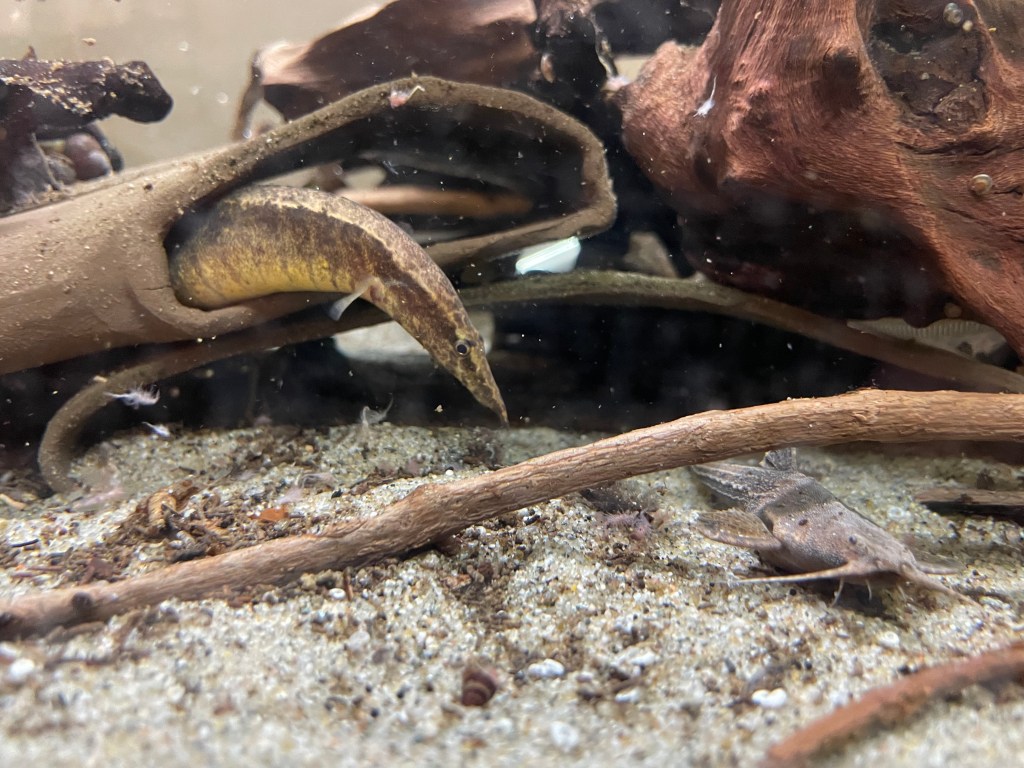
Locality: Widespread throughout South East Asia. GBIF (Global Biodiversity Information Facility) records this species largely in Thailand and Cambodia with a few reaching out into Vietnam, Malaysia, Borneo and Sumatra. Whether these represent the same species I don’t know.

Size: 9-13cm SL (Maharsi et al., 2024; Parenti & Lim, 2005), there is some report of a 28.5cm individual from Fishbase but this seems exceptional.

Habitat: It seems they prefer rocky habitats with reasonable currents (Maharsi et al., 2024), they prefer it shaded and it also seems to be largely turbid not by tannins but by sediment. These habitats probably have a lot of invertebrates feeding on the diversity of bacteria.

Temperature: 26.7-29.2 (Maharsi et al., 2024)

pH: 6.4-8.33 (Maharsi et al., 2024).

Diet: Invertebrates (Maharsi et al., 2024), maybe small fishes but I have seen mine actively feed on mushrooms. They can be quite quick ambush predators while also capable of searching for food amongst crevices. This invertebrate diet is pretty consistent throughout Macrognathus (Sarmah & Kardong, 2024). Ideally as a fishkeeper it would be worth aiming for a diet with an insect/invertebrate based dry/gel diet such as Repashy Bottom Scratcher Or Fluval Bug Bites. Building on that diet with a diversity of frozen and freeze dried foods. You can also try live foods such as earthworms on larger individuals but tubifex, blackworms, daphina etc. on smaller.

Hardscape: A lot of decor so they have places to hide and explore, a confident individual will come out but also if in a group it gives them space to hide should be required.

Substrate: While I’ve never experienced this species burying particularly and even less with age many will bury in the sand and it is therefore beneficial as enrichment to provide that for them.

Sociality, a problem?

While almost all websites on the species will record this species as social, it doesn’t take much to find out the picture is a little more complicated. In reality some are and it’s worth buying more if you can because if yours are social they will benefit from that interaction as basic enrichment. Mine and many others have M. circumcinctus who wont tolerate others of their species and even other eel shaped fishes, while I thought it was because even before I took on mine it was housed alone for potentially many years. Over time it’s become clear mine is not alone and they can even be aggressive from a younger age. They are very much individuals so it is likely that more then anything else.

References:

Barros, N. H. C., De Souza, A. A., Peebles, E. B., & Chellappa, S. (2017). Dynamics of sex reversal in the marbled swamp eel (Synbranchus marmoratus Bloch, 1795), a diandric hermaphrodite from Marechal Dutra Reservoir, northeastern Brazil. Journal of Applied Ichthyology33(3), 443-449.

Ebner, B. C., Donaldson, J. A., Courtney, R., Fitzpatrick, R., Starrs, D., Fletcher, C. S., & Seymour, J. (2019). Averting danger under the bridge: video confirms that adult small-toothed morays tolerate salinity before and during tidal influx. Pacific Conservation Biology26(2), 182-189.

Ebner, B. C., Kroll, B., Godfrey, P., Thuesen, P. A., Vallance, T., Pusey, B., … & Perna, C. N. (2011). Is the elusive Gymnothorax polyuranodon really a freshwater moray?. Journal of Fish Biology79(1), 70-79.

Fricke, R., Eschmeyer, W. N. & Van der Laan, R. (eds) 2024.  ESCHMEYER’S CATALOG OF FISHES: GENERA, SPECIES, REFERENCES. (http://researcharchive.calacademy.org/research/ichthyology/catalog/fishcatmain.asp). Electronic version 05/09/2024.

Maharsi, G. J., Waluyo, W., & Armando, E. (2024). Study of Ecobiological Characteristics of Spiny Eel (Mastacembelidae) in Elo River, Magelang, Central Java. JFMR (Journal of Fisheries and Marine Research)8(3), 8-15.

Parenti, L. R., & Lim, K. K. (2005). Fishes of the Rajang Basin, Sarawak, Malaysia. The Raffles Bulletin of Zoology13, 175-208.

Sarmah, P., & Kardong, D. (2024). Biology Of Macrognathus Sp. With Special Reference To Macrognathus Pancalus (Hamilton) And Macrognathus Aral (Bloch And Schneider). Journal of Advanced Zoology45(1).

Are nitrates harmful to aquarium fishes?

It is quite common for nitrates to be labelled as non-toxic to fishes and it is kind of accepted that nitrates have a lower toxicity to ammonia and nitrites, or more that these have a higher acute (short term) toxicity. Every aquarium community will give you a different maximum level of nitrate toxicity, this kind of reflects that nitrate toxicity is very much misunderstood and rarely fact checked. Not just is this topic rarely fact checked but often it is a lot more complex as it takes understanding the limitations of the scientific literature.

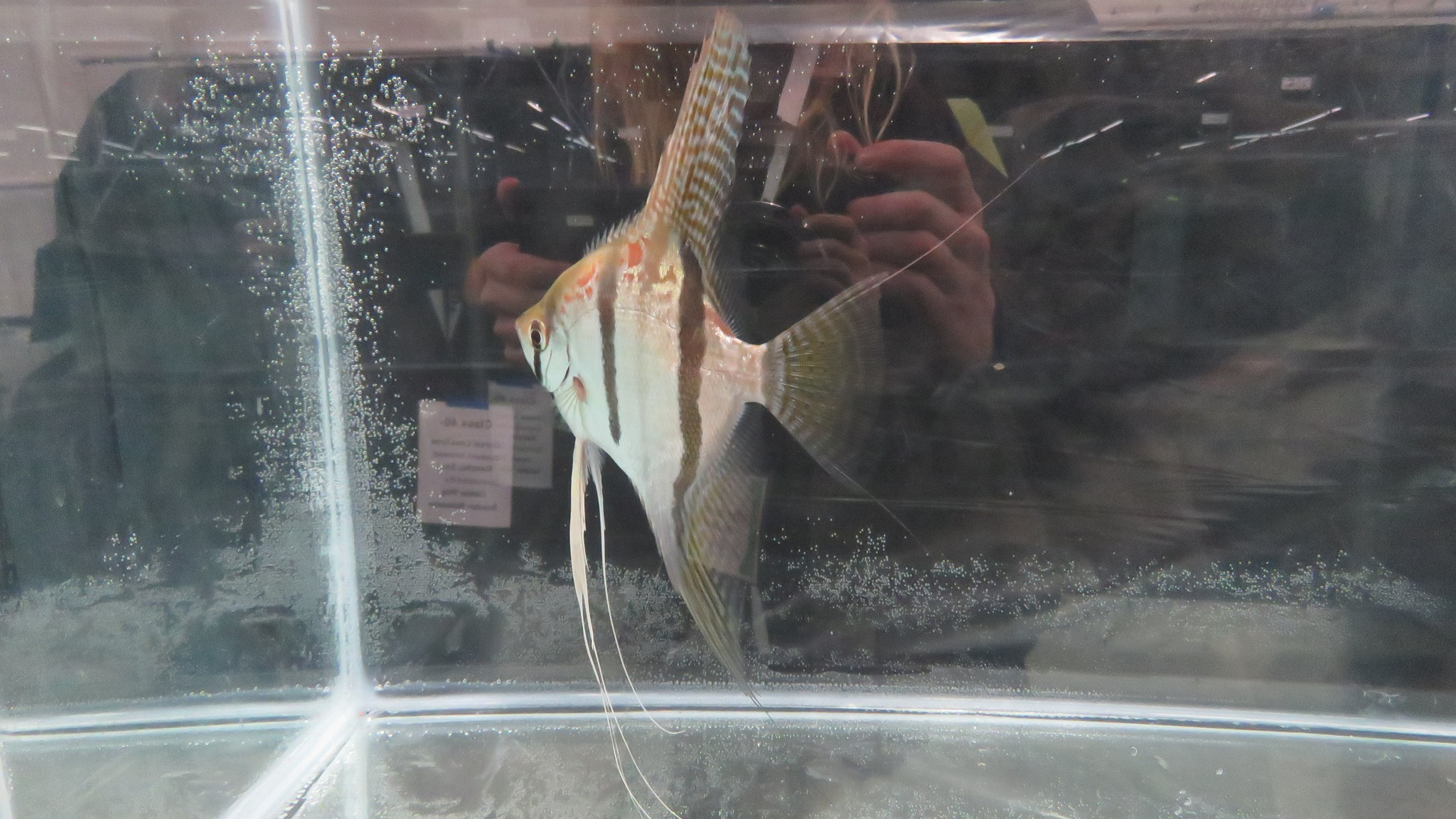
One of the beautiful angelfish, Pterophyllum scalare at the Keystone Clash 2024.

It is noted in the scientific literature that nitrate exposure is neglected (Monsees et al., 2017), so why do we focus on the lack of studies in the assumption it’s non-toxic with little science to say it is.

At the end of the day, we know nitrates is toxic. We don’t know the safe levels and therefore it is more ethical to assume that as little as possible is safer then more because we know that nitrates have no benefits. It is better to assume that negative for the sake of a little bit of hard work if it could benefit the animal.

There are definitely flaws in the idea nitrates are not toxic particularly when saying up to 20, 40, 100ppm are fine. Let me discuss each limitation to these claims:

  • Most studies focus on species that we do not keep, hardy species such as tilapia (Oreochromis; Monsees et al., 2017), carp, Salmonids (Yu et al., 2021) or Danio rerio. Many of these do not apply either due to temperature or just not closely related to anything we are discussing.
  • These studies are short term so look at acute exposure not long term chronic exposure (Monsees et al., 2017; Yu et al., 2021). If the studies only look at 30 days it cannot be assumed that the effect is the same at 5, 10 or 20 years.
  • Studies use distinct gradings of exposure, often wide values so it is not possible to understand effects between those values (Gomez Isaza & Cramp, 2020; 2021; Yu et al., 2021). If they only test from 10ppm onwards the effect below 10ppm is unknown (Cano-Rocabayera et al., 2019) and if effects are only noted at 50ppm but they don’t test between that and 10ppm it cannot be assumed that 50ppm is a minimum level.
  • No study looks at all effects of exposure, particularly physiological effects so could miss other effects of the treatments exposed (Cano-Rocabayera, 2019; Monsees et al., 2017; Yu et al., 2021).
  • Many people focus on lethal effects in the short term and lethal doesn’t mean it isn’t causing other damage.

Why these limitations? Well the funding understandably is highest for food fishes and these do not need to be kept long term particularly on the scale for fishkeeping, along with that the aim is often not reproduction.

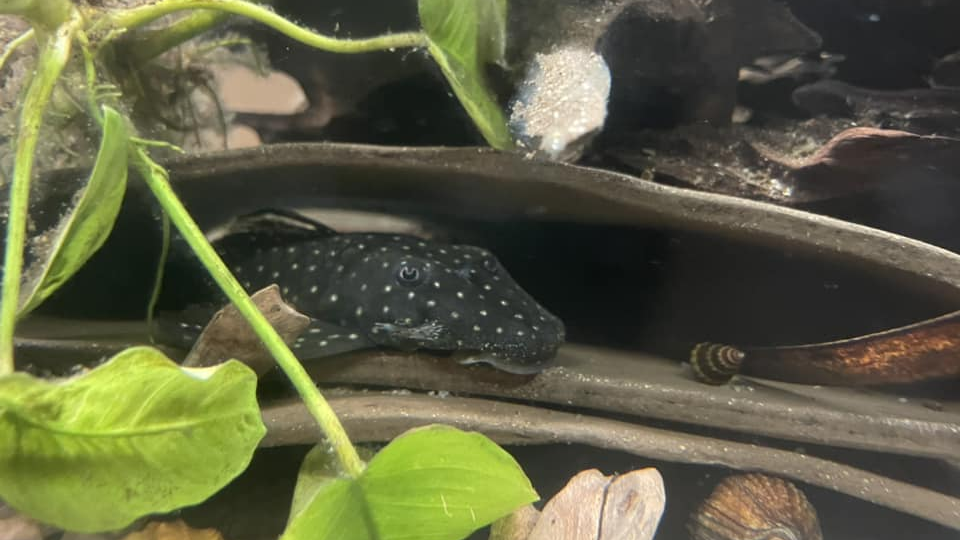
Lasiancistrus sp. obtained from Acres Aquatics, Warminster UK.

We know that nitrate is a pollutant that requires long term, chronic exposure (Yu et al., 2021) so this is where the limitation in understanding arises. When it comes to exposure levels 0ppm is usually the control to the next exposure level is tested there are effects on the fishes physiology (Kellock et al., 2018; Gomez Isaza & Cramp, 2021) that many aquarists would not be able to test for. While not always statistical there seems to always be effect but not lethal till very very high concentrations e.g. 600ppm, Regardless it does effect adaptability to change (Presa et al., 2022).

It does seem in every study there is a difference between low level exposure and no exposure in the short term in those cited but it is not significant, what about long term? If we think this is short term exposure causing some damage but over time and years, is recovery possible? I’d assume likely not.

There is never really any support for any one value to be the toxic level for many or any fishes (Isaza et al., 2020; Presa et al., 2011; Villa-Villaseñor et al., 2022; in general any of the citations).

What are the effects of nitrates?

Natural habitats are known as oligotrophic and normally have very little nitrates that is close to the undetectable level without a pollution event. Clearly captive fishes have a little more adaptability but many of the fishes we keep are wild caught and does it depend on the generation (Isaza et al., 2020).

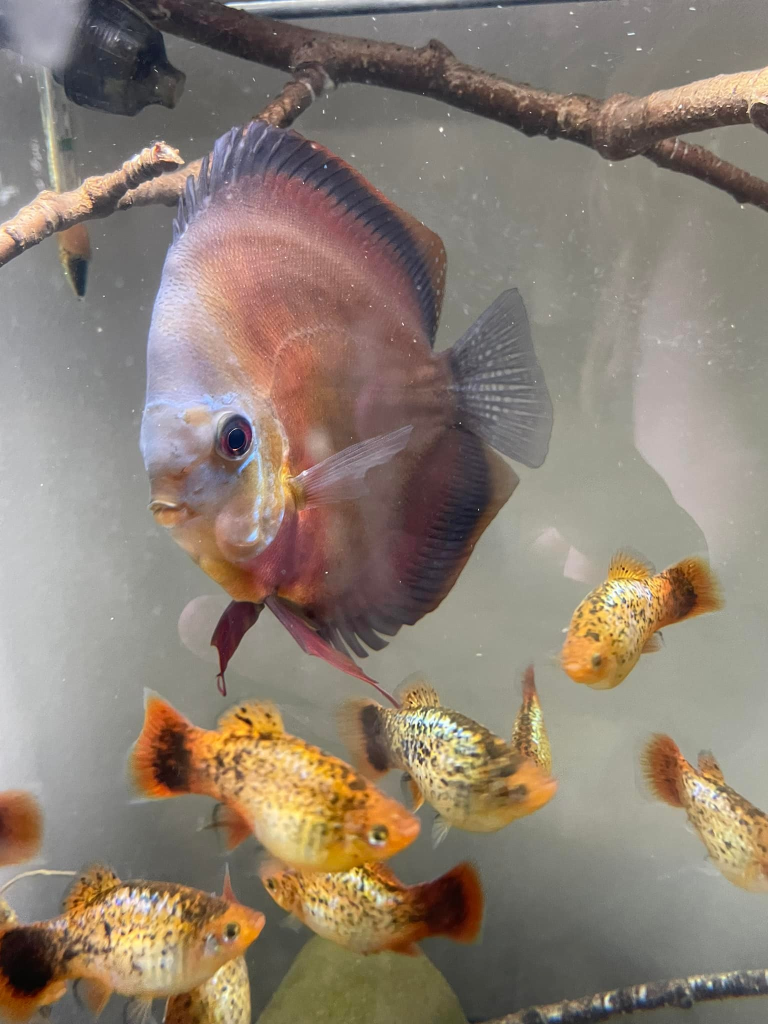
Male red cover discus, Symphysodon sp. x. with Xiphophorus maculatus x. X. variatus

Test kit reliability.

The crutch a reliance on nitrates being low levels before water changes relies on reliable test kits. Dip stick, paper test kits have always been argued as unreliable, giving both false negatives and false positives although when first opened many will note they do show some reliability. Liquid test kits are a little bit more complicated, obviously we can’t calibrate them personally as we have nothing to calibrate them against as a hobby and similarly if using a digital system.

We think our liquid test kits are 100% reliable but they do expire and once opened it’s tricky to say when this happens. I generally say liquid test kits should be replaced annually as there can be false results after that depending on brand and product. But I have seen some test kits newly opened, long before their expiry date give both false negatives and positives for nitrates. So, why rely on these for water changes?

Conclusions

I think this argument is similar to UVB to produce vitamin D in reptiles, there has always been the idea that UVB is not needed for certain reptiles, they are nocturnal or consume whole mammals who provide vitamin D. Yet over time there has been evidence that even in these animals there is a benefit to providing Vitamin D. As this is not a reptile website and to save all the citations I will forward the Reptile Lighting Facebook group: https://www.facebook.com/groups/384134861721116 This group provides many citations.

Water changes are vital but also better to be cautious when it comes to test kits and go on the precaution of maybe more nitrates then you actually have. It’s also worth testing your tap water.

While we don’t know the long term damage of low level nitrates it’s worth acting on the precaution.

References:

Cano-Rocabayera, O., De Sostoa, A., Padrós, F., Cardenas, L., & Maceda-Veiga, A. (2019). Ecologically relevant biomarkers reveal that chronic effects of nitrate depend on sex and life stage in the invasive fish Gambusia holbrooki. Plos one14(1), e0211389.

Gomez Isaza, D. F., Cramp, R. L., & Franklin, C. E. (2020). Simultaneous exposure to nitrate and low pH reduces the blood oxygen-carrying capacity and functional performance of a freshwater fish. Conservation physiology8(1), coz092.

Gomez Isaza, D. F., Cramp, R. L., & Franklin, C. E. (2021). Exposure to nitrate increases susceptibility to hypoxia in fish. Physiological and Biochemical Zoology94(2), 124-142.

Isaza, D. F. G., Cramp, R. L., & Franklin, C. E. (2020). Living in polluted waters: A meta-analysis of the effects of nitrate and interactions with other environmental stressors on freshwater taxa. Environmental Pollution261, 114091.

Kellock, K. A., Moore, A. P., & Bringolf, R. B. (2018). Chronic nitrate exposure alters reproductive physiology in fathead minnows. Environmental Pollution232, 322-328.

Monsees, H., Klatt, L., Kloas, W., & Wuertz, S. (2017). Chronic exposure to nitrate significantly reduces growth and affects the health status of juvenile Nile tilapia (Oreochromis niloticus L.) in recirculating aquaculture systems. Aquaculture Research48(7), 3482-3492.

Presa, L. S., Neves, G. C., Maltez, L. C., Sampaio, L. A., Monserrat, J. M., Copatti, C. E., & Garcia, L. (2022). Acute and sub‐lethal effects of nitrate on haematological and oxidative stress parameters of juvenile mullet (Mugil liza) in freshwater. Aquaculture Research53(9), 3346-3357.

Villa-Villaseñor, I. M., Yáñez-Rivera, B., Rueda-Jasso, R. A., Herrera-Vargas, M. A., Hernández-Morales, R., Meléndez-Herrera, E., & Domínguez-Domínguez, O. (2022). Differential sensitivity of offspring from four species of goodeine freshwater fish to acute exposure to nitrates. Frontiers in Ecology and Evolution, 10, 1014814.

Yu, J., Xiao, Y., Wang, Y., Xu, S., Zhou, L., Li, J., & Li, X. (2021). Chronic nitrate exposure cause alteration of blood physiological parameters, redox status and apoptosis of juvenile turbot (Scophthalmus maximus). Environmental Pollution283, 117103.

INKBIRD  ITC-306A Review and Setup

INKBIRD is a brand that produces external thermostat, these are units that regulate the temperature change provided by a heating unit. Without a thermostat the heater will not switch off at the desired temperature or switch on when the temperature is too low. Many heaters contain their own ones but very frequently they do malfunction, these external units are more reliable. Some heaters do not have an internal thermostat such as many titanium products so would require an external thermostat to avoid overheating the tank.

There aren’t many external thermostats on the market other than INKBIRD’s temperature controllers. I will be discussing the INKBIRD  ITC-306A as this is the one I currently use and it has all of the features I discuss. These external thermostats by INKBIRD are also unique as being controlled via an app that you can view/control remotely so any issues with temperature can be controlled wherever you are. The reptile hobby does have a wider range of thermostats but the probes used to measure the temperature are often not waterproof and do not have an app to control the temperatures.

Generally the majority of people set their external thermostats as the only thermostat with the heater unit itself at a much higher temperature. Personally I prefer to use both as a fail safe, so the heaters are only setup above that of the INKBIRD temperature controller but within a tolerable range for the fishes. So my desired range is 28.5-29c, it’s what I set the INKBIRD temperature controllers to but I set the heaters to around 32c which is tolerable for the fishes.

The other benefit is these are connected to WIFI and therefore can be controlled from my phone. On top of that it will send push alerts for any issues and if I notice that the units are disconnected it could hint to a power or wifi outage.

These thermostats do not require only to be controlled via your phone but also can be used manually if that is preferred. It also means they will stay running during any WIFI or power outage. The temperature history also allows for you to loosely track how long it takes to heat the tank and also if and when there was any power outages.

One feature that is not really discussed much within fishkeeping is due to the app’s record of temperature changes and the long heating alarm you can identify how the heaters are managing to heat up the tank. Aquarium heaters usually don’t last more then a few years and over time particularly at higher temperatures they struggle to reach the desired temperature or reach that temperature rapidly. You can identify this with the heating record as the heaters take longer to heat the tank or the long heating alarm will set off after a desired amount of time, I usually go for around 24 hours as if a heater takes longer then that I need to replace it.

All alarms can also be switched off remotely which is great!

Review/opinion:

I have two INKBIRD temperature controllers myself and have done since 2021, they have proven reliable to me and a necessary part of my aquariums since having heaters fail in the past. They are really good and reliable units, setting them up is quick and they have a memory so you don’t need to change any settings every time you attach your app to each unit. Where I do keep fishes that require 28c I think it puts a lot of pressure on most heaters so the INKBIRD thermostats really help here. I have had heaters overheat a tank before or just stop working so without an INKBIRD I had no idea till I checked the thermometer. Since having the INKBIRD temperature controllers they are a much more reliable method of controlling the temperature. The thermostat allows for two heaters to be attached meaning it doesn’t take as long to reach the desired temperature. I really find the app useful as well, anything remote saves me worrying about my fishes.

Setting up your INKBIRD

Step 1: Download the INKBIRD app on the Apple App store or what is required for Android.

Step 2: Your home screen should look similar to this without any INKBIRD temperature controllers setup. Click on the Plus Icon.

Step 2: Choose the product you have, here the INKBIRD-306A.

Step 3: Choose the mode. I find AP mode the easiest, it might not be automatically set to that so press the other mode option to select it.

Step 4: Press the WIFI button on the INKBIRD until the light on the unit blinks slowly. This might take several goes.

Step 5: The INKBIRD will then require your WIFI including password of which needs filling in.

Step 6: It will request for you to join the network that is provided by the INKBIRD unit. Go onto your WIFI settings and join that network.

Step 7: Press connect.

Step 8: It will then connect which can take time, keep the phone close to the INKBIRD unit while connecting.

Step 9: All connected, you can name the unit.

Running an INKBIRD

This is the main screen, it has several updates so hadn’t always looked like this. It should be pretty self explanatory how to use.

The central value is the temperature where it will tell you if the heaters are providing heat or not. This screen is also where any warnings will appear such as low temperature, wide temperature range between probes etc.

You can select temperature by pressing on that range T1-T2.

Under settings you will find this screen, this is where you can select alarms. I have mine currently at around 26c so I know if the temperature drops below the tolerable range for my fishes long term. Heating time might also be worth considering, it’ll produce an alarm if too long so consider how long after a water change the aquarium takes to reach it’s desired temperature.

Video Review

How to Sex your Loricariid (Pleco/whiptail catfish).

This is a big question when it comes to keeping Loricariids in the aquarium as more then often people want to spawn the fishes but sometimes people just want to name them.

What is the sex determination methods in Loricariidae?

This is actually a more vast discussion then some other groups like mammals. In fact Loricariid’s use a range of karyotypes to determine sex from the more well known ZW and XY to multiple sex chromosomes. Ancistrus (Bristlenoses) is a large genus representing over 60 spp. (Eschmeyer, 2025), this genus does show multiple sex determination methods and some not as well known such as ZZ/ZW1W2 in Ancistrus clementinae (Nirchio et al., 2023) or ZZ/ZW in Ancistrus ranunculus (Oliveira et al., 2007). It seems many genera show a lot of diversity (Sassi et al., 2023) and this is possibly a large barrier to hybridization and maybe could lead to speciation.

What do you need to be able to identify the sex of your Loricariid?

  • A mature fish, unless the fish has reached sexual maturity it likely wont show many sexually dimorphic features although there are slight exceptions at the smaller level or during dissection. Largely this will mean close to fully grown and/or clearer odontode growth. Some species this might take a year such as some of the more common Ancistrus or 5+ years like the Hemiancistrus medians group (e.g. Panaque, Baryancistrus etc.)
  • A bowl, container or polybox can be useful to examine around the fish particularly below. Fill this with the tank water, do not do it during acclimation. It can be done in store.

Anatomy that allows you to sex Loricariids

Venting – Genital papilla and the urogenital pore

Figure 1: Baryancistrus chrysolomus, mango/magnum pleco juvenile.

The genital papilla and the urogenital pore are the same thing, this is a combined organ where the fish passes waste but also the gametes (eggs and sperm). This is not the same for all Loricariids where the genital pore is separate from the anus such as in Neoplecostomus. It is clearly on the abdomen, shape is normally ambiguous in juveniles.

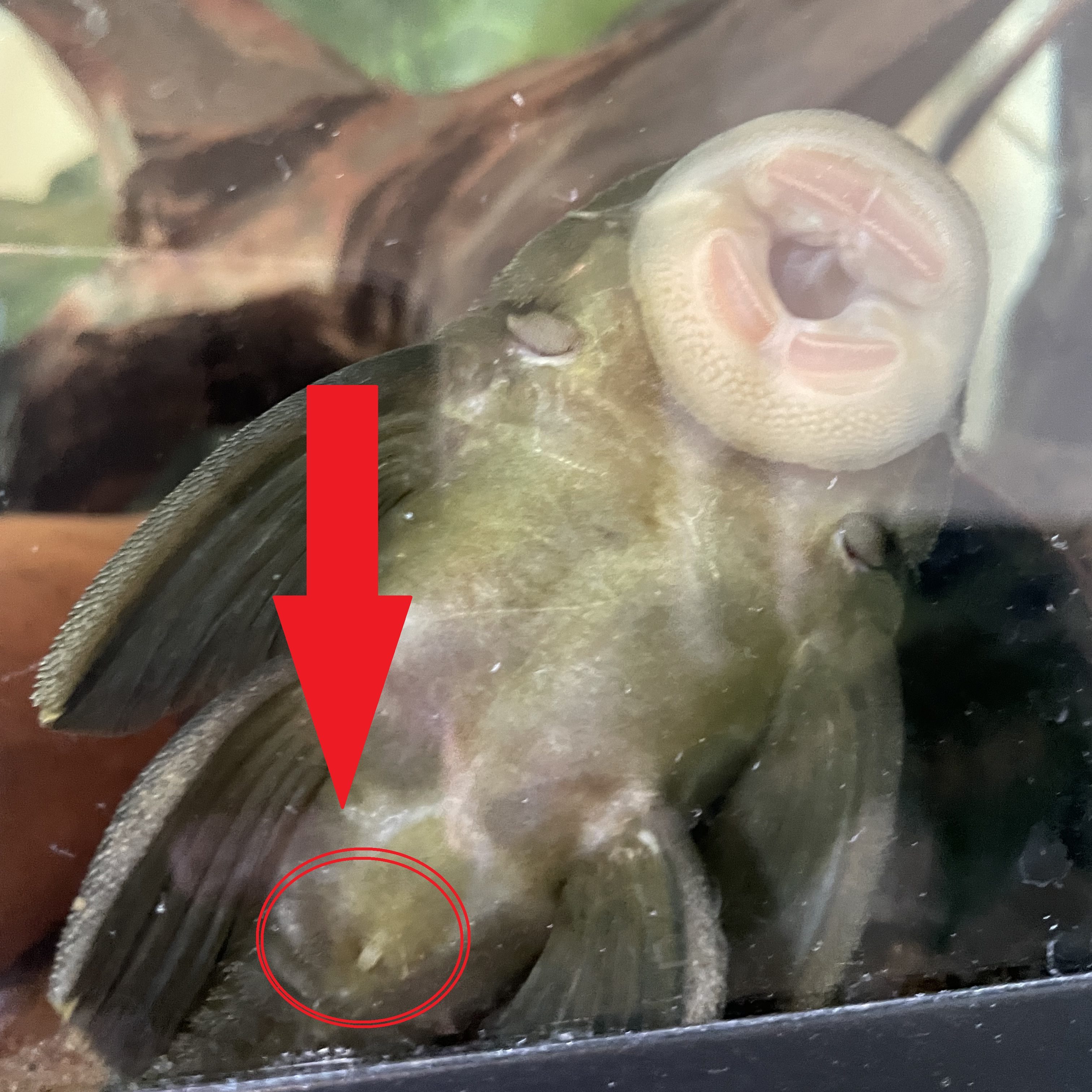
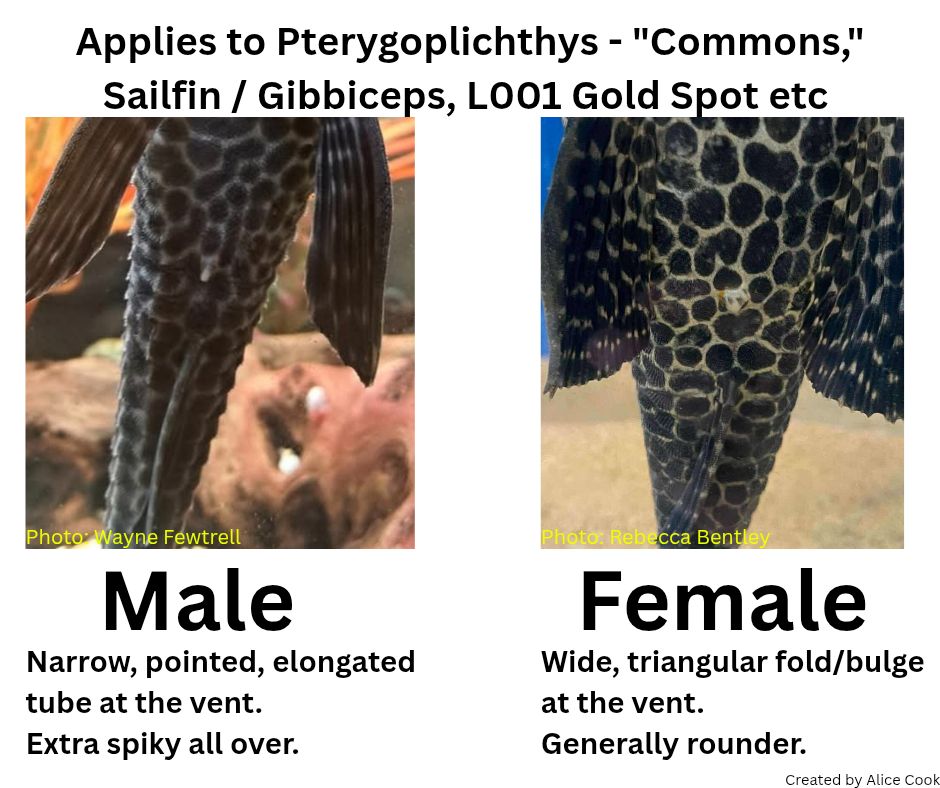
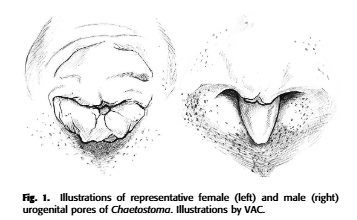
The shape of the genital papilla is the most reliable method to sex Lorcariids, it’s most easily stated as V shaped in males and U in females. This can be tricky to see in some genera which have more elongate genital papilla such as the Pterygoplichthys in figure 2.

Figure 2: created by In the Bag Tropical Fish UK, Alice Cook. Depicting Pterygoplichthys pardalis and Pterygoplichthys gibbiceps.
Figure 4: Mature female Baryancistrus chrysolomus, not showing the clearest maturity.

Some other genera the females are much wider so it is much more square as above. The best method is to see multiple individuals and compare between them which can be done against the glass and taking photos or even within a container to take a more up close look.

Figure 5: The genital papilla of Chaetostoma as explained by Lujan et al. (2015) in Lujan, N. K., Meza-Vargas, V., Astudillo-Clavijo, V., Barriga-Salazar, R., & López-Fernández, H. (2015). A multilocus molecular phylogeny for Chaetostoma clade genera and species with a review of Chaetostoma (Siluriformes: Loricariidae) from the Central Andes. Copeia103(3), 664-701.

I find this method the most reliable particularly as there is less individual variation between individuals and also depends less on the age of the fish. The shape can be applied also to Loricariinae (whiptail catfishes) and Hypoptopominae (Otocinclus, Parotocinclus, Hypoptopoma etc.).

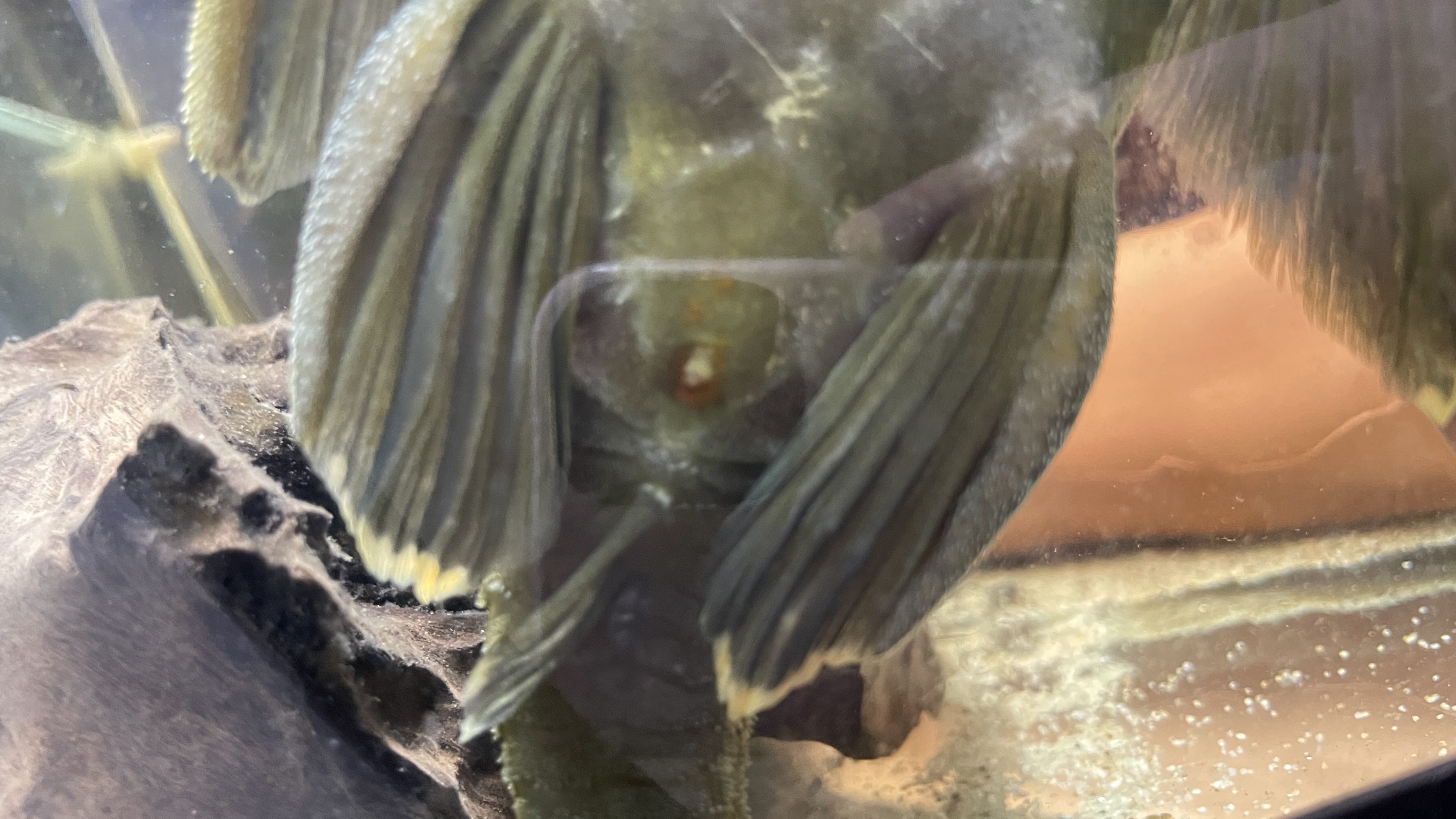
The final part of the genital papilla when it comes to sexing Loricariids is spotting around this region in females. These papilla/spots can be green or yellow in colour and can range from one to many in number, once visible to the eye it hints maturity in the females. While it is very obvious in Hypostominae (traditional pleco’s) it is unclear as to if these are present in the other subfamilies even the distantly related but similarly looking Pseudancistrus genisetiger (slate pleco’s) and Rhinelepinae. Although I have been told by Fauna Tropica (https://www.faunatropica.eu/) that these spots can be seen under a microscope and maybe a macrolens before maturity even as younger juveniles.

Figure 6: Genital papilla of a female Baryancistrus chrysolomus.

Body shape

I am not a massive fan of using body shape as it can depend on many factors. Using how plump the fish is does depend on how well the fish has been fed but also females once the female has released eggs can suddenly reduce weight.

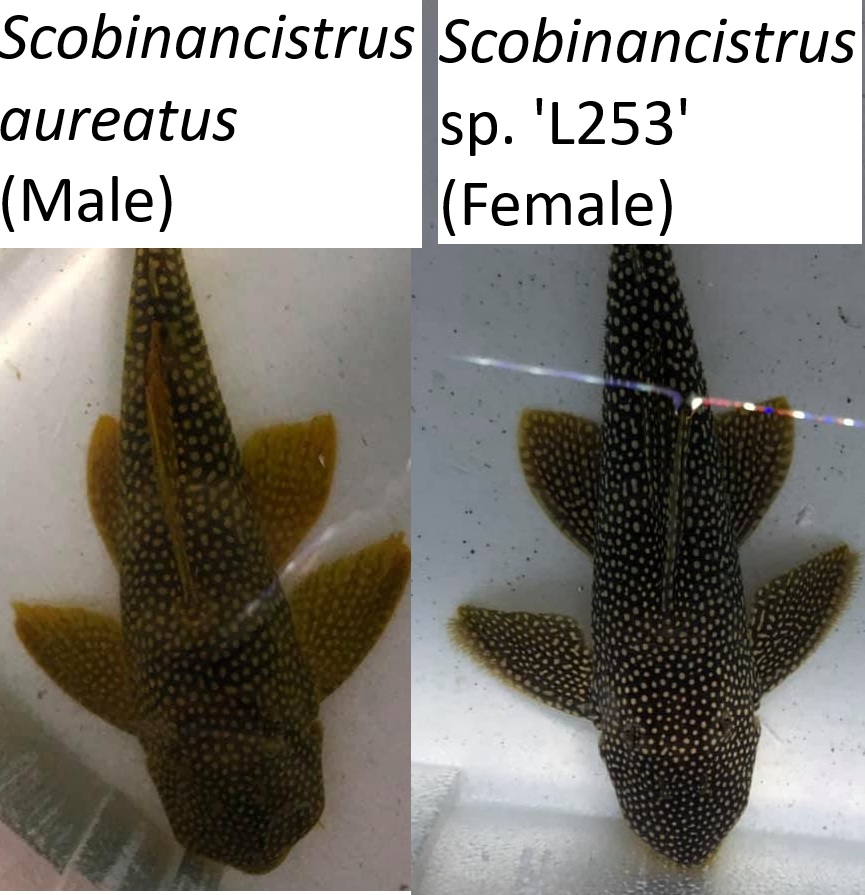
Head shape does seem the most reliable method regarding the general anatomy but can be limited when it comes to stunted fish but there is also a lot of individual variation. In general it is assumed females display more elongate heads whereas males are shorter and wider, this is a trend we do see in other fishes.

Figure 7: Body shape in two different Scobinancistrus species but clearly shows the sexual dimorphism.

Personally when it comes to sexing individuals from photos I am less of a fan of this method as it does rely even more on angle of the photo but also maturity. You can see a larger difference in some genera then others and some species you might not see it at all.

Odontodes

Figure 8: Opercular odontodes on Ancistrus ranunculus.

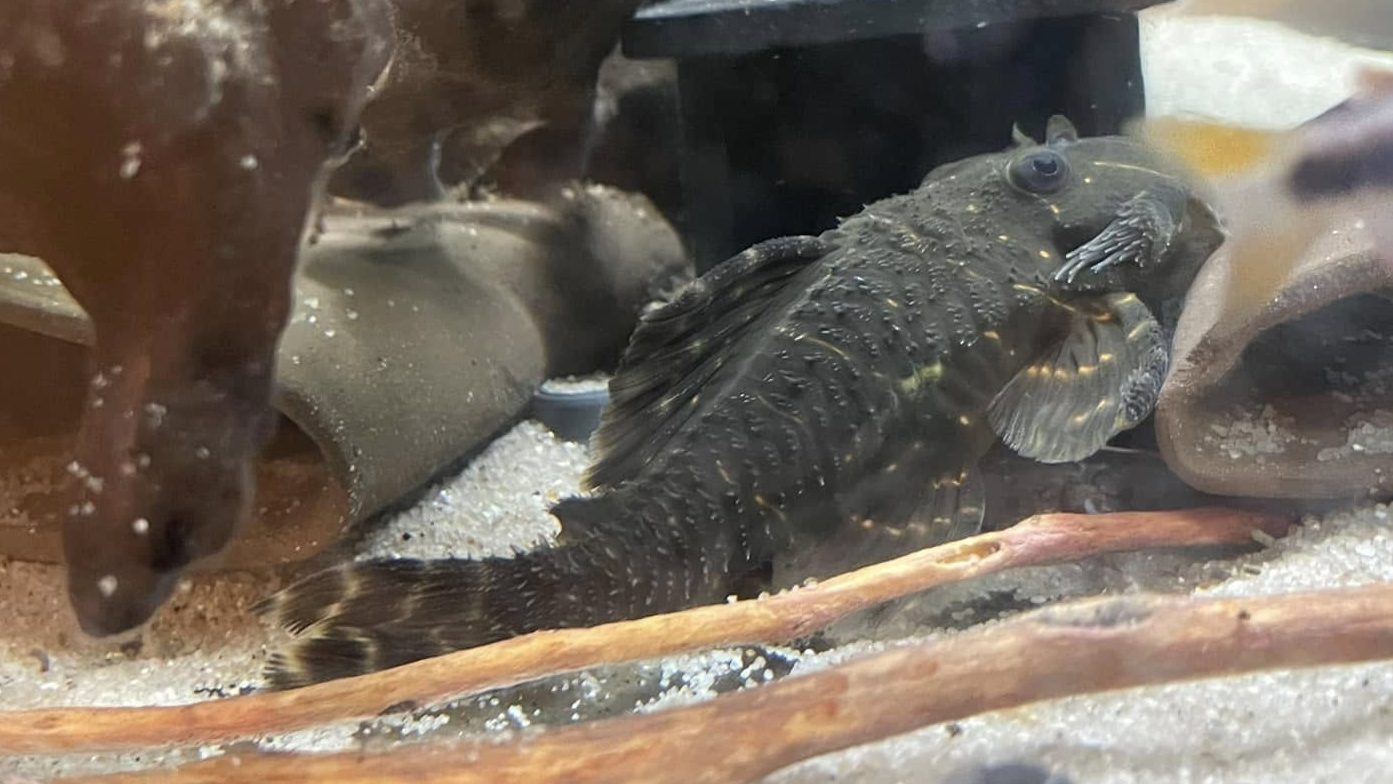
Odontodes are the external teeth that cover Loricariids, this does include everything from Otocinclus to Farlowella to Hypancistrus. In some species they can be enlarged in certain areas and this is known as hypertrophied, further in some these odontodes can be sexually dimorphic. Odontodes as a secondary sexual characteristic though are not a rule and there are many exceptions, in addition they can be seasonal so males might have reduced ones seasonally and females can have larger ones, it depends on the genus.

Figure 9: Panaqolus albivermis (flash pleco), male showing clear hypertrophied odontodes.

Odontodes are most useful in the Peckoltia clade, this includes Hypancistrus, Peckoltia, Panaqolus, Pseudoqolus, Ancistomus and Scobinancistrus. Although Scobinancistrus and species such as Peckoltia sabaji do not have particularly sexually dimorphic odontodes and I recommend using the genital papilla. These odontodes are hypertrophied in all individuals at the gill opercular although can be larger in males. The most obvious method with this clade is hypertrophied odontodes on the caudal peduncle and pectoral fin of the males.

Figure 10: Baryancistrus demantoides (high finned green phantom), female.

When using this trait be careful with other clades, some such as the Hemiancistrus medians group which includes Hemiancistrus medians, some other Hemiancistrus (this genus requires revision), Panaque, Parancistrus, Baryancistrus and some Spectracanthicus (again another genus that requires revision). In these clades I find females can grow large odontodes seasonally and this was very evident to me in a clearly female Baryancistrus demantoides (Fig 10). The key thing to note about odontodes is they can be shed.

Figure 11: Farlowella vittata group pictured at Aqualife, Leyland.

Another clade that easily gets forgotten is Loricariinae, while genital papilla are a clear way to sex many genera within this subfamily. Odontodes can provide an additional quick way to sex many particularly Farlowellini (Farlowella, Sturisoma and Sturisomatichthys mostly; Fig 11). These are reliably hypertrophied around the head and/or rostrum in this clade.

Tentacles

This is an exclusive trait to the genus Ancistrus and the species Lasiancistrus tentaculatus. These are fleshy growths derived from the odontode sheaths (Sabaj et al., 1999), which might explain why sexually dimorphism is shown as related clades such as Lasiancistrus shows some clearer dimorphism in the odontodes. In Ancistrus while in the common bristlenose the males display larger tentacles whereas the females display little to none, there are Ancistrus where females have large tentacles, some which have none and some where the size is the same. Not to be confused with odontodes which is why it is best not to refer to them as spines or bristles.

Some factors that are often myths when it comes to sexing Loricariids

Behaviour

It is a common misconception that males are more aggressive then females and often this has no grounding in experience or science, it’s often an assumption. Males and females do have different territories as males are involved in the brood care whereas females roam but where species are territorial it is in both sexes. In territorial species aggression is shown between and within the sexes. Often this idea of males being more aggressive is based in the coy female myth (Milam, 2013; Rosvall, 2013), many scientists have disproved this but Lucy Cooke makes some good approachable books to the topic. Females in Loricariids have no reason to be less aggressive. Personal experience I’ve seen aggression from both and if anything where females tend to roam their aggression is wider spread then close to the caves where males dwell.

The other myth is that females will not use caves, particularly as juveniles they will definitely hide a lot but even as adults females use caves as refuges, they might even have a preferred cave. Males use the caves to spawn in Hypostominae and some Loricariinae but not all do and those that like crevices will use them.

Conclusion

It can be really tricky to identify whether your Loricariid is male or female. Hopefully this offers some ideas to help sex your fishes. I tend to recommend using the abdomen of the fish as I feel this is most reliable and doesn’t leave space for any amounts of individual variation.

For great comparative photos check out: https://www.suedamerikafans.de/en/zur-unterscheidung-der-geschlechter-klein-bleibender-hypostominaer-harnischwelse/

References:

Lujan, N. K., Meza-Vargas, V., Astudillo-Clavijo, V., Barriga-Salazar, R., & López-Fernández, H. (2015). A multilocus molecular phylogeny for Chaetostoma clade genera and species with a review of Chaetostoma (Siluriformes: Loricariidae) from the Central Andes. Copeia103(3), 664-701.

Milam, E. L. (2013). Making males aggressive and females coy: Gender across the animal-human boundary. In Women, Science, and Technology (pp. 206-222). Routledge.

Nirchio, M., Oliveira, C., de Bello Cioffi, M., de Menezes Cavalcante Sassi, F., Valdiviezo, J., Paim, F. G., … & Rossi, A. R. (2023). Occurrence of sex chromosomes in fish of the genus Ancistrus with a new description of multiple sex chromosomes in the Ecuadorian endemic Ancistrus clementinae (Loricariidae). Genes14(2), 306.

Oliveira, R. R. D., Feldberg, E., Anjos, M. B. D., & Zuanon, J. (2007). Karyotype characterization and ZZ/ZW sex chromosome heteromorphism in two species of the catfish genus Ancistrus Kner, 1854 (Siluriformes: Loricariidae) from the Amazon basin. Neotropical Ichthyology5, 301-306.

Rosvall, K. A. (2013). Proximate perspectives on the evolution of female aggression: good for the gander, good for the goose?. Philosophical Transactions of the Royal Society B: Biological Sciences368(1631), 20130083.

Sabaj, M. H., Armbruster, J. W., & Page, L. M. (1999). Spawning in Ancistrus (Siluriformes: Loricariidae) with comments on the evolution of snout tentacles as a novel reproductive strategy: larval mimicry. Ichthyological Exploration of Freshwaters10(3), 217-229.

Sassi, F. D. M. C., Deon, G. A., Sember, A., Liehr, T., Oyakawa, O. T., Moreira Filho, O., … & Cioffi, M. D. B. (2023). Turnover of multiple sex chromosomes in Harttia catfish (Siluriformes, Loricariidae): a glimpse from whole chromosome painting. Frontiers in Genetics14, 1226222.

Bee’s, a benefit to aquariums?

The use of various items produced by bees is popular within our daily lives, the most commonly used product being honey. The health benefit of products related to bees have been noticed for many hundreds maybe thousands of years from anti-microbial properties to general health. Honey maybe isn’t the most practical in the aquarium but two products you might find; bee pollen and propolis.

What is bee pollen?

Bee pollen is literally just the pollen collected by the bees. It is generally collected by forcing the bees to enter the hive through smaller then normal holes so the pollen drops below to be collected. This possibly puts a lot of pressure on the hive depending on how this is done.

What is the purpose of bee pollen in the aquarium?

Bee pollen is a dietary additive, there is a rising popularity in regards of this ingredient for people and perhaps this is the source of the idea. While it is an interesting ingredient and for those that might feed on fruit there could be a benefit. The actual benefits in general are debatable, with an omnivorous/carnivorous Clarias sp. catfish there were many physiological benefits shown up to 1% addition (Nowosad et al., 2022). When bee pollen was added to the diet of the insectivore zebrafish, Danio rerio there is no shown benefits to physiology but improve viral resistance (Di Chiacchio et al., 2021). In Nile tilapia, Oreochromis niloticus liver regeneration is shown to occur when fed bee pollen (Picoli et al., 2019).

What is propolis?

Propolis is the compounds and structures that seal the hive and the waxy structures that the hive is built on. It originates from the waxy areas of plants such as buds.

What is the purpose of propolis in the aquarium?

It’s not particularly common in aquariums but you might find the produce available more within the koi hobby. This product is used largely to seal wounds not just for protection against microbes entering them but also if you want to seal in a treatment. There does seem to be little research into the topic although some of the compounds do show promise when it comes to wound healing (Wibowo et al., 2021) and nutrition (Farag et al., 2021). More importantly there seems to be no papers onto any toxicity of propolis which is somewhat promising but could also be useful to cross out.

Conclusion

A very brief article I guess as to what could apply to the aquarist, it seems there needs a lot more research but I wouldn’t be afraid to use it. Personally I think bee pollen could be great for promoting feeding in fishes due to the sugars present. It’s something I think we could explore further.

References:

Di Chiacchio, I. M., Paiva, I. M., de Abreu, D. J., Carvalho, E. E., Martínez, P. J., Carvalho, S. M., … & Murgas, L. D. S. (2021). Bee pollen as a dietary supplement for fish: Effect on the reproductive performance of zebrafish and the immunological response of their offspring. Fish & Shellfish Immunology119, 300-307.

Farag, M. R., Abdelnour, S. A., Patra, A. K., Dhama, K., Dawood, M. A., Elnesr, S. S., & Alagawany, M. (2021). Propolis: Properties and composition, health benefits and applications in fish nutrition. Fish & Shellfish Immunology115, 179-188.

Nowosad, J., Jasiński, S., Arciuch-Rutkowska, M., Abdel-Latif, H. M., Wróbel, M., Mikiewicz, M., … & Kucharczyk, D. (2022). Effects of bee pollen on growth performance, intestinal microbiota and histomorphometry in African catfish. Animals13(1), 132.

Picoli, F., Lopes, D. L. D. A., Zampar, A., Serafini, S., Freccia, A., Veronezi, L. O., … & Emerenciano, M. G. C. (2019). Dietary bee pollen affects hepatic–intestinal histomorphometry of Nile tilapia fingerlings. Aquaculture Research50(11), 3295-3304.

Wibowo, I., Utami, N., Anggraeni, T., Barlian, A., Putra, R. E., Indriani, A. D., … & Ekawardhani, S. (2021). Propolis can improve caudal fin regeneration in zebrafish (Danio rerio) induced by the combined administration of Alloxan and glucose. Zebrafish18(4), 274-281.

Pangio (Kuhli loaches), the eel loach we overlook

Eels constantly cause fascination within aquarists but many true eels, Anguilliformes are simply too large for the majority of aquarists. A much smaller but fascinating alternative comes from Cypriniformes, a relatively medium sized genus known as Pangio. I’ve previously owned Pangio for many years and they are one fish I would definitely keep again.

Pangio myersi and Pangio semicincta/kuhlii

Pangio contains around 32 species (Bohlen et al., 2011), exclusive to South East Asia. They are clearly small anguilliform (the eel shape, not the taxa) but borderline very similar to the larger loach relative, Misgurnus anguillicaudatus (weather loach). For the aquarist the taxonomy can prove confusing with revisions that are not always well known such as the synonymy of Pangio semicincta and Pangio kuhlii (Kottelat, M & Lim, 1993) but is frequently debated seemingly with little explanation as to why (Eschmeyer, 2025). Molecular phylogenetics hasn’t seemed to have solved the confusion, or it’s suggested that the two species are the same (Bohlen et al., 2011). Another problem is Pangio myersi is nested within the two (Bohlen et al., 2011) although easily diagnosed for aquarists by thick barring from dorsal to abdomen (Kottelat, M & Lim, 1993).

There doesn’t seem to be immediately much morphological diversity in this genus, there is a diversity of patterning. While many will attempt diagnosing species by colouration, this has been called into question with solid marked individuals being identified as those with stripes (Bohlen et al., 2011). Like all loaches they contain small scales that to some can make them seem scaleless.

My interest is largely in morphology and like many there seems to be no anatomical studies. The majority focuses in the taxonomic records and this makes it really difficult to understand the morphology that might have ecological importance and also husbandry. We can clearly see a inferior (ventrally facing) mouth so they feed below and given the barbels it seems a common trait with those rooting in the substrate given they are not mobile.

Pangio cuneovergata

In the aquarium hobby we keep very few species but a diversity is starting to be imported and not just as bycatch. You can expect to find of the distinctively patterned species Pangio semicincta/kuhlii, P. myersi and P. shelfordii. The smallest species that is now being imported in reasonable numbers is Pangio cuneovergata. There are a few solid coloured species and these are likely Pangio oblonga and P. anguillaris, potentially also P. malayana who is shown to have solid individuals.

Pangio semincincta/kuhlii

How to Identify your Pangio?

This is a tricky topic but there are multiple sources that holds clues.

Figure 1: A Key to the Pangio of the Malay Penninsula as described in: Bohlen, J., Šlechtová, V., Tan, H. H., & Britz, R. (2011). Phylogeny of the southeast Asian freshwater fish genus Pangio (Cypriniformes; Cobitidae). Molecular Phylogenetics and Evolution61(3), 854-865.

As described previously there are some hints you can get from experiencing the species in captivity but there is a lot of cross referencing, where you can linking to a locality and exploration of images that could be of use. I find Bohlen et al. (2011; Fig 1) possibly the most useful of the papers for identification of species even if images are limited. One must also remember where you might have imported from one country it doesn’t mean that is where it is caught.

Habitat

There is little ecological details on these fishes. Habitat likely differs per species. Largely found in blackwater although potentially also highly turbid waters with variable or seasonal currents (Bohlen et al., 2011). Yet in the literature very little else is recorded.

Figure 2: Geographical distribution of Pangio according to INaturalist (2025)

Some assumptions can be made from the locality of these fishes (Fig 2), particularly in reference to temperature, although you will also need to check against elevation and other factors such as is the water body sheltered and therefore cooler. INaturalist (https://www.inaturalist.org/)and GBIF (https://www.gbif.org/) can be useful here although neither make any records of environmental factors. If someone is familiar with these websites then there is other extractions of data that can be done but I am not someone who works with species distributions. Other parameters can be tricky without knowing the geology of the region, some rocks dissolve more readily whereas others allow tannins or just rainwater to drain rapidly through without dissolving minerals.

We also know Pangio almost always seem to breed in tanks with gravel, there are probably exceptions so the substrates must have gravel where they are located with the exception of maybe more elongate species who similar to lamprey bury in silt and sands.

What setup would suit Pangio?

Generally I don’t think the current ideal setup for Pangio needs any adapting, sandy areas and gravel based areas, leaf litter providing many hiding places but also wood or rocks for more solid refuges.

One of my setups in 2017 for multiple Pangio spp., filtered by a Fluval 306 (I think).

A reasonable current but it wouldn’t have to be that strong so a sponge filter would suffice. I would consider with externals, internals or similar filters whether the fishes could get in, they are notorious for finding their ways into filters so either providing an inlet guard or changing filtration method particularly for those like Pangio cuneovergata. Undergravel filters sound great and somewhat are, the fishes will make their way into them and likely also live below the grids but many do report them spawning well there.

There is no doubt these fishes come from more soft acidic water based on locality and therefore I recommend a pH of around 6-7.5 for various reasons. There is flexibility and these fishes have proven themselves very hardy in captivity. Total Dissolved Solids (TDS) below 200ppm but ideally below that 100ppm range unless your water has potentially skewed values. Temperature is definitely the tricky one without knowing exactly the temperature of their caught locality, I would personally cross reference where they are found with water temperatures of the area and who knows other species in the area might have ecological data. Generally 24-28c seems the most ideal but you could be flexible particularly on that upper end to go higher.

They are often noted as being particularly shy although I’ve found with dimmer and dappled lighting but also frequent exposure they don’t seem to be that shy and show a lot of normal feeding and explorative behaviour. Plenty of cover gives them somewhere to retreat to.

References:

Bohlen, J., Šlechtová, V., Tan, H. H., & Britz, R. (2011). Phylogeny of the southeast Asian freshwater fish genus Pangio (Cypriniformes; Cobitidae). Molecular Phylogenetics and Evolution61(3), 854-865.

Kottelat, M & Lim, K. K. P. (1993) A review of the eel-loaches of the genus Pangio (Teleostei:Coditidae) from the Malay Peninsula, with descriptions of six new species. Raffles of Zoology, 41(2): 203-249.

Why ornamental fish nutrition needs change.

It is frequently understood that ornamental fish nutrition differs from food fish nutrition due to differing aims, yet many fish feeds use the same ingredients (Yanong, 1999; Vucko et al., 2017). Much of the research into fish nutrition no doubt due to funding focuses on aquaculture (farming fishes) the concept of efficiency, a fish farmer wants a fish to grow large in as minimal time (usually months) as possible for as little cost as possible. This opposes the fishkeepers who want a diet to give the fish longevity, colour and long term reproductive success, there is also a higher focus on the welfare element as fishes are our pets.

A large factor is there are many species of ornamental fishes across many different fish groupings, this proposes a challenge as reflected in this is the wide range of dietary niches that fishes can exhibit. There are carnivores which can be split into different invertebrate specialist, generalists and also piscivores. Herbivory which can be split into frugivores, algivores, plant eaters and many different specialist and generalist niches. Detritivory also exists and while often classified as feeding on decaying matter in the aquatic sense this could be many things from microbial matrices crossing over a lot with algivory to a mixture of unidentified matter. Omnivory does exist but it is often vague to clearly state a fish is an omnivore as there are few which broadly generalize. And while clades can be generalized such as Loricariids being largely algivores and detritivores, there are carnivores; similarly for Cichlidae the majority are carnivores but there are many exceptions verging into algivory. An important concept as above is generalism vs specialism, the degree of specialism varies between clades and this differs largely between captivity and the wild (Golcher-Benavides and Wagner, 2019). This poses a particular issue for the ornamental aquarist as many aquarium diets fall along the lines of generalism, the ingredients do not largely differ between many products and even brands. This means that even offering a range of different products doesn’t always cater for diversity or all the dietary niches of the fishes you have in the aquarium.

It is always advisable to research the wild diet of the fishes as this will give a good idea of the dietary niche a fish has evolved for over hundreds or thousands of years. Often there are clues in the morphology of the fish, such as head shape, pharyngeal jaw shape and dentition (Burress, 2016). Well known hobby ideas of fish diets can lack fact checking such as the common misconception of Symphysodon (discus fishes) being carnivores yet their wild diet follows more algivory/detritivory (Crampton, 2008) and their morphology is most similar to Tropheus (Fraser et al., 2009), a known algivore. There does remain issues with understanding of wild fish diets, there can be frequent gaps or sampling errors. Such as the original understanding behind the diets of Corydoradinae was based on aquarium fishes, not the wild fishes so it would be better to identify gut analysis and isotope studies of the wild fishes (Alexandrou et al., 2011).

What are the basic nutritional requirements of ornamental fishes?

Like any animal there are broadly the same categories here; carbohydrates, lipids, proteins, vitamins and minerals.

Proteins These are the nutritional requirements many will state of importance with fishes being high and low protein dependent. Although the idea of herbivores having a lower protein requirement then carnivores in the aquatic world fails to understand the high protein levels of algae’s opposed to the terrestrial vascular plants. Different sources of protein do have different volumes of different amino acid and this is important to recognize. This is arguably more important then the actual volume of protein along with accessibility of the protein source. Algivorous fishes might have a lower requirement for protein (Vucko et al., 2017; Yanong, 1999). A large factor of protein requirements is the fishes age, temperature and genetics, as with any nutrient all juvenile fishes will require higher nutrition then those whose growth rate has plateaued more. Excessive protein also increases ammonia production.

Carbohydrates are used as an energy source for many fishes. It is understood that starch unlike cellulose is the utilized form for many ornamental fish feeds, many herbivores and omnivores do not require carbohydrates. Excessive carbohydrates can prevent protein and sugar uptake (Yanong, 1999).

Lipids are another energy source and important for ornamental fishes (Vucko et al., 2017; Yanong, 1999) particularly for spawning fishes who will require them for egg development.

Vitamins and minerals are a complex and diverse topic given how many are vital for life within fishes, without them it can lead to many health issues. I would encourage the reader to read Yanong (1999; https://www.researchgate.net/publication/12102293_Nutrition_of_Ornamental_Fish) for details into this. Some of these vitamins and minerals are taken through diet and others through water, when it comes to water uptake this must be considered with the wild water parameters of the fishes as where calcium is low in the water uptake must be largely from diet. The mineral content of diets can be vague although the total volume is reflected in what is called ash. No, ash isn’t literal ash it means mineral content as when you burn down a diet all that is left is the minerals.

Colour enhancers, this is a concept that is frequently mentioned in food reviewed largely in reference to a diversity of carotenes. While it will always be stated in marketing and social media as a benefit to a fish feed, most fish feeds contain red enhancers of some kind, this is largely a benefit to most fishkeepers excluding those with yellow discus who will change their colour when feeding on it.

Largely these requirements are so complex it’s tricky to address them with one diet when we keep so many species.

Why might change be needed in what we feed our fishes?

Seeing as many farmed fishes diets do not replicate their wild diets, many do not replicate a diversity in fish diets that is the start. Maybe sometimes they do in the labels but the ingredients do, when a diet aimed at algivores has the same ingredients as one aimed at carnivores. For algivores we already know just one algae can compete with a commercial mix of many ingredients which says a lot (Vucko et al., 2017).

It has become clear that diet is key in the health of a fish with diet influencing the development of tumours (cancer; Spitsbergen et al., 2012), liver damage (Rašković et al., 2011) and other health conditions (Žák et al., 2022). There is the potential of poor fecundity and reproductive lifespans on certain diets although could require further exploration. Many fishes we just don’t see them grow to their adult sizes let alone spawn and mortality might be high where they can refuse to feed on traditional captive diets.

References:

Alexandrou, M. A., Oliveira, C., Maillard, M., McGill, R. A., Newton, J., Creer, S., & Taylor, M. I. (2011). Competition and phylogeny determine community structure in Müllerian co-mimics. Nature469(7328), 84-88.

Burress, E. D. (2016). Ecological diversification associated with the pharyngeal jaw diversity of Neotropical cichlid fishes. Journal of Animal Ecology85(1), 302-313.

Crampton, W. G. (2008). Ecology and life history of an Amazon floodplain cichlid: the discus fish Symphysodon (Perciformes: Cichlidae). Neotropical Ichthyology6, 599-612.

Fraser, G. J., Hulsey, C. D., Bloomquist, R. F., Uyesugi, K., Manley, N. R., & Streelman, J. T. (2009). An ancient gene network is co-opted for teeth on old and new jaws. PLoS biology7(2), e1000031.

Golcher-Benavides, J., & Wagner, C. E. (2019). Playing out Liem’s paradox: opportunistic piscivory across Lake Tanganyikan cichlids. The American Naturalist194(2), 260-267.

Vucko, M. J., Cole, A. J., Moorhead, J. A., Pit, J., & de Nys, R. (2017). The freshwater macroalga Oedogonium intermedium can meet the nutritional requirements of the herbivorous fish Ancistrus cirrhosus. Algal research27, 21-31.

Rašković, B., Stanković, M., Marković, Z., & Poleksić, V. (2011). Histological methods in the assessment of different feed effects on liver and intestine of fish. Journal of Agricultural Sciences (Belgrade)56(1), 87-100.

Spitsbergen, J. M., Buhler, D. R., & Peterson, T. S. (2012). Neoplasia and Neoplasm-Associated Lesions in Laboratory Colonies of Zebrafish Emphasizing Key Infl uences of Diet and Aquaculture System Design. Ilar Journal53(2), 114-125.

Yanong, R. P. (1999). Nutrition of ornamental fish. Veterinary Clinics of North America: Exotic Animal Practice2(1), 19-42.

Žák, J., Roy, K., Dyková, I., Mráz, J., & Reichard, M. (2022). Starter feed for carnivorous species as a practical replacement of bloodworms for a vertebrate model organism in ageing, the turquoise killifish Nothobranchius furzeri. Journal of Fish Biology100(4), 894-908.