
Ancistrus commonly known as bristlenose plecos, is a gigantic genus with around 50 spp. currently described but many more undescribed species. They are generally described with the presence of tentacles on the head unlike other Loricariids with the exception of Lasiancistrus tentaculatulatus. Tentacles are not a defining feature though for Ancistrus, there are many species who lack them and previously might have been known under the genera Xenocara.
A common misconception is the connection between tentacles and the sex of the fish which is maybe a half truth as for quite a few females tend to have small to no tentacles whereas males develop substantial (hypertrophied) tentacles. Of course there are exceptions here so lets discuss the mythical medusa plecos.
So who are the species called the medusa plecos:
Ancistrus ranunculus Muller et al., (1994)
Common name: L034
Location: Rio Xingu, Brazil
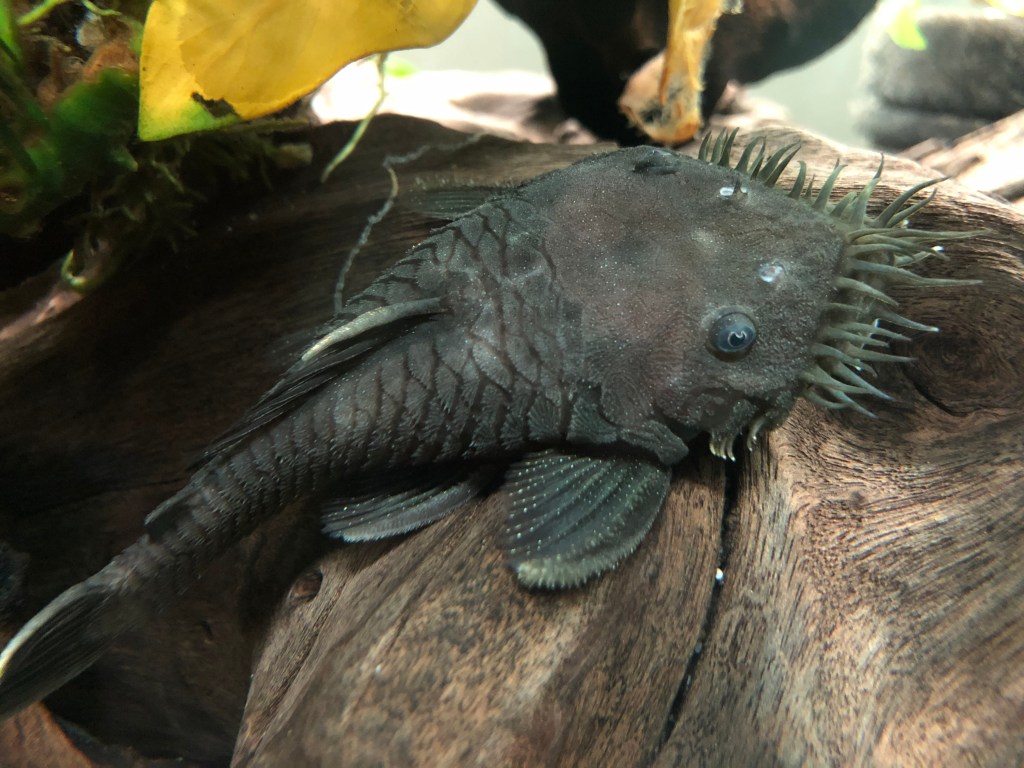
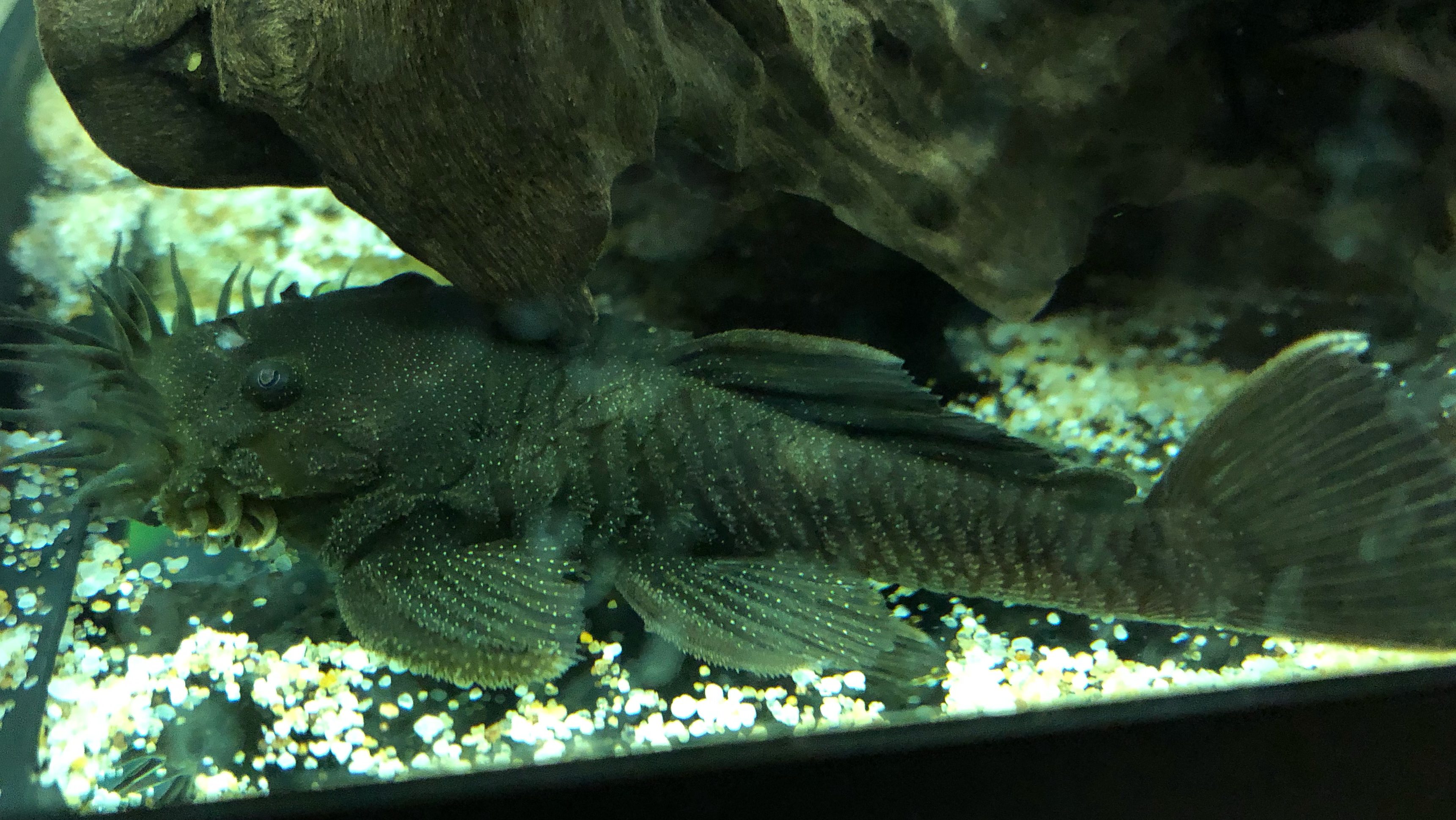
Diagnosis: This is one of the most extreme Ancistrus. This species displays a wide, flat, triangular head. The name ‘ranunculus refers to tadpole and this species definitely looks like the flattest and widest of tadpoles. Some what variable in body shape.
Males and females display very impressive tentacles, males do display often a double row of these tenatacles who are slightly larger. Either way females are often confused with being male.
Colouring is solid black with maybe a little of a blue tinge but not much. When stressed they often express white patches. Juveniles can be spotted in some variants they can have very small almost invisible spotting to maturity.
Ancistrus sp.
Common name: L255, spotted medusa pleco.
Location: Rio Xingu, Brazil
Length: 15cm SL
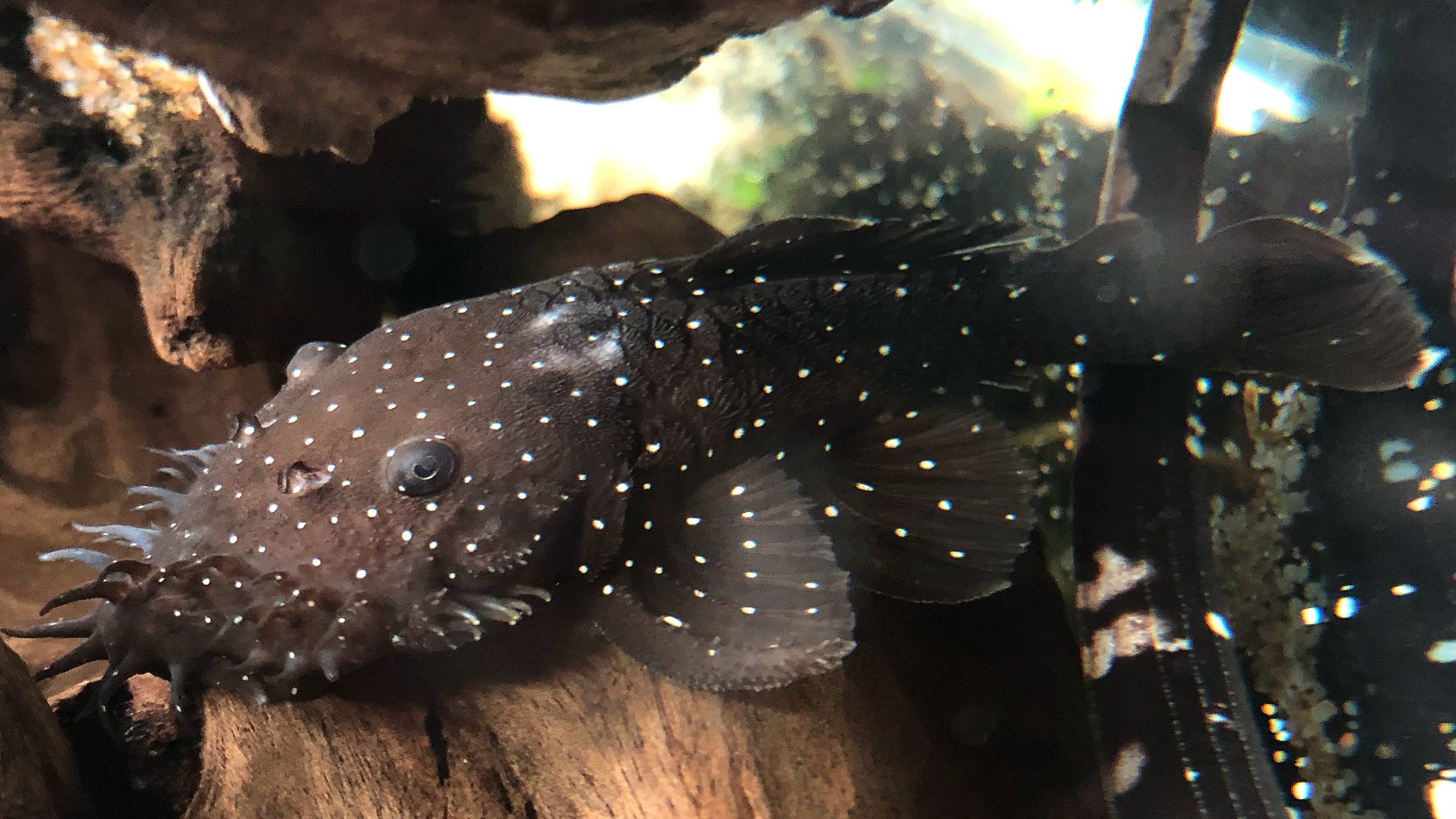
Diagnosis: This is very very similar to Ancistrus ranunculus although displays spotting into maturity which doesn’t disappear when relaxed. They are very striking and could be confused if it was not for that flat, triangular body shape with A. dolichopterus and other spotted Ancistrus.
Debatable if a new species or not.
Ancistrus macropthalamus Pellegrin (1912)
Common name: LDA074, blue medusa pleco.
Location: Rio Orinoco, Columbia
Length: 7-10cm SL.
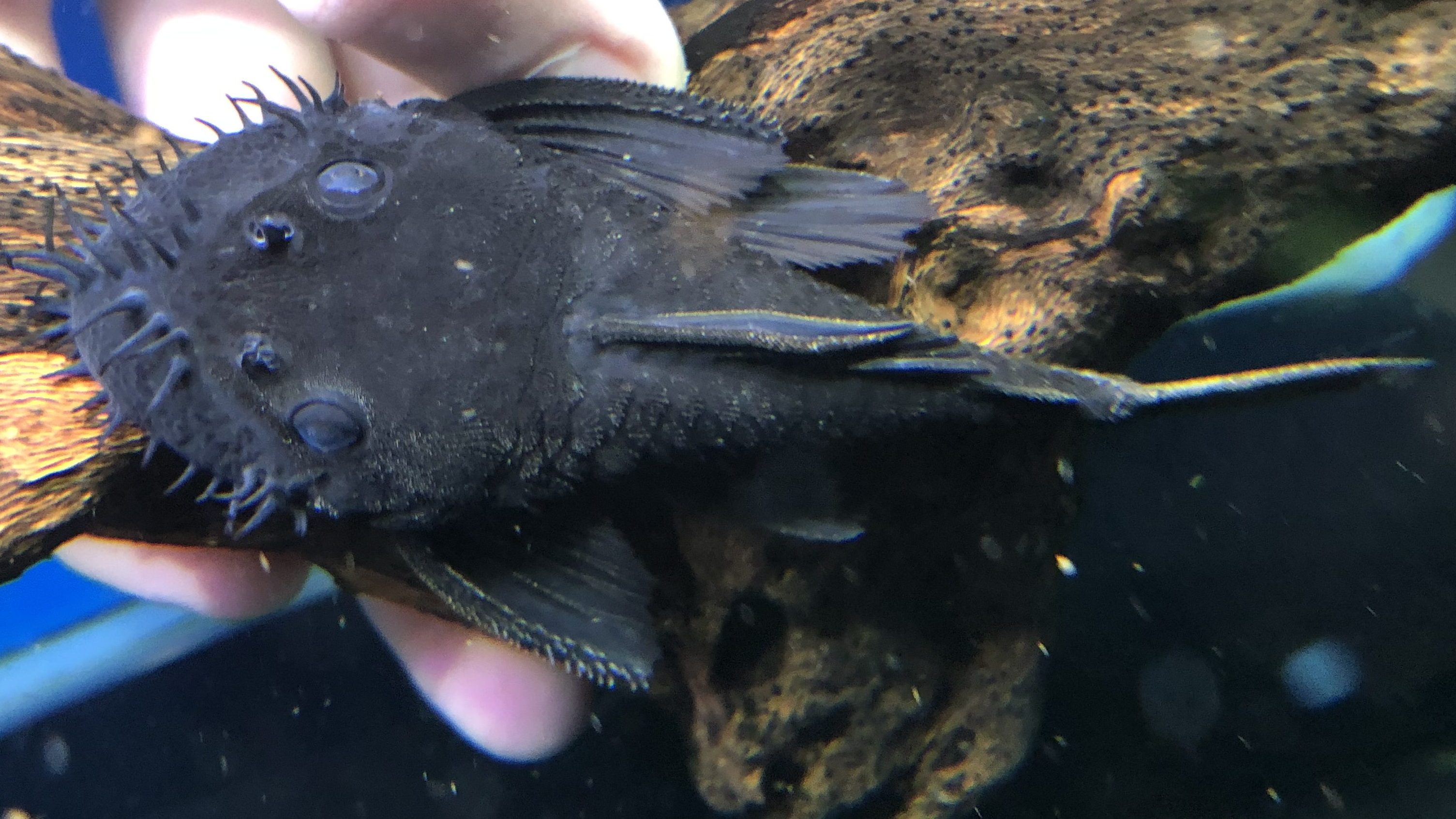
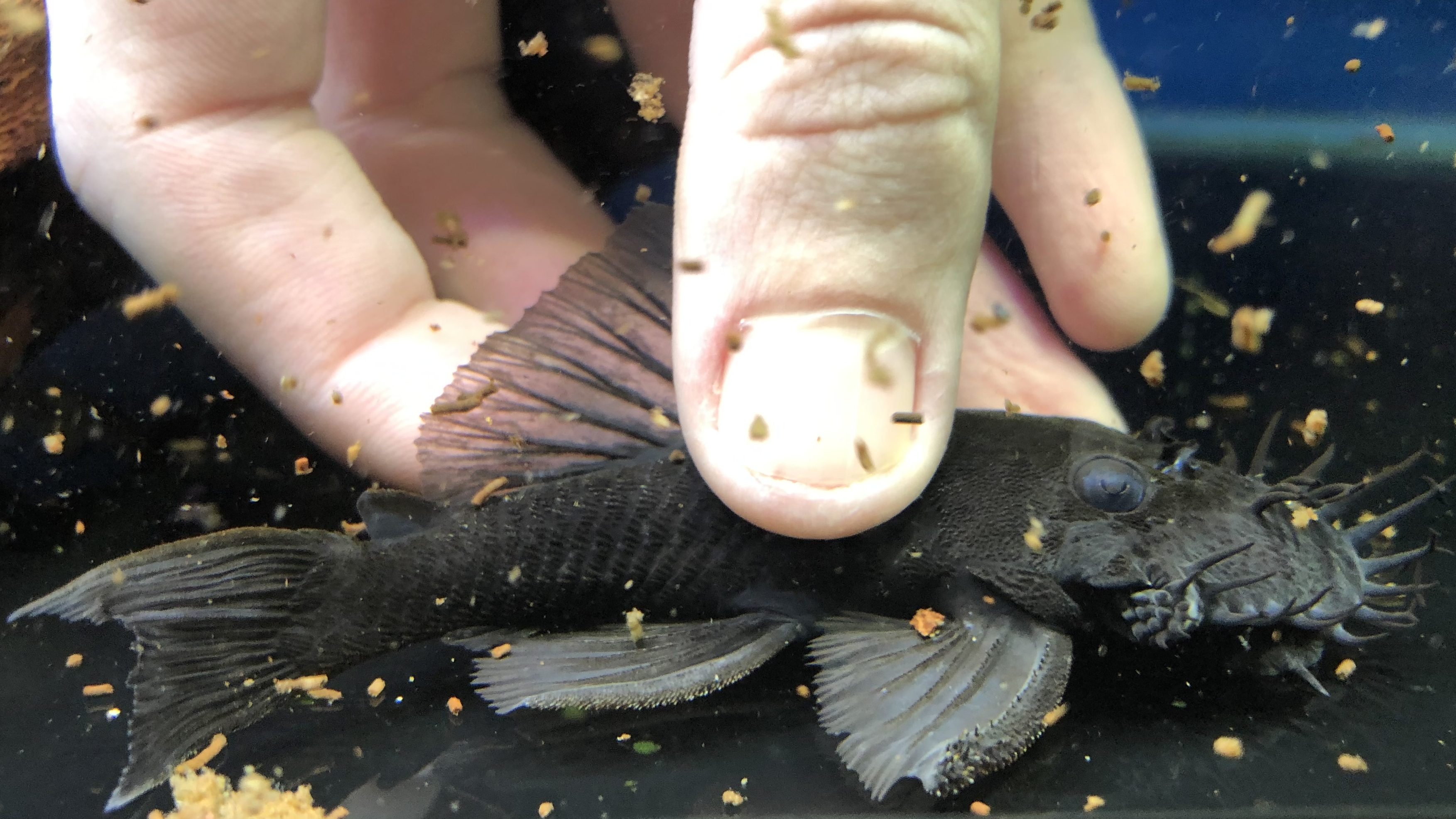
Diagnosis: Flat with larger but rounder head then Ancistrus ranunculus. It is very unusual in comparison regarding eye placement to many Ancistrus.
Colouration is much more with a blue tinge and can be spotted but usually not into maturity.
Tentacles tend to be equal size between both sexes.
Ancistrus aguaboensis Fisch-Muller et al. (2001)
Common name: L032, green medusa pleco.
Length: 5cm SL.
Location: Rio Tocatins, Brazil.
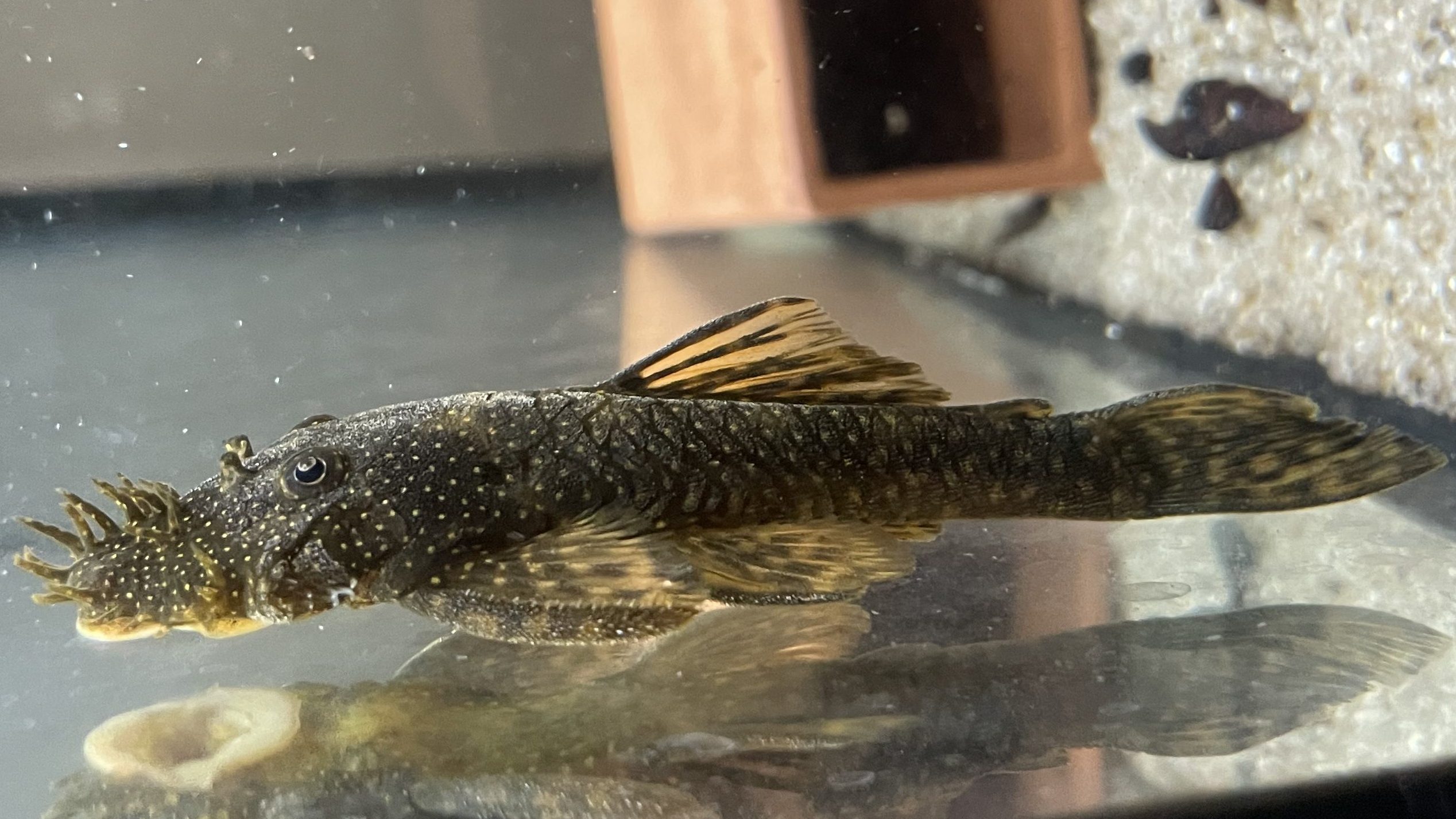
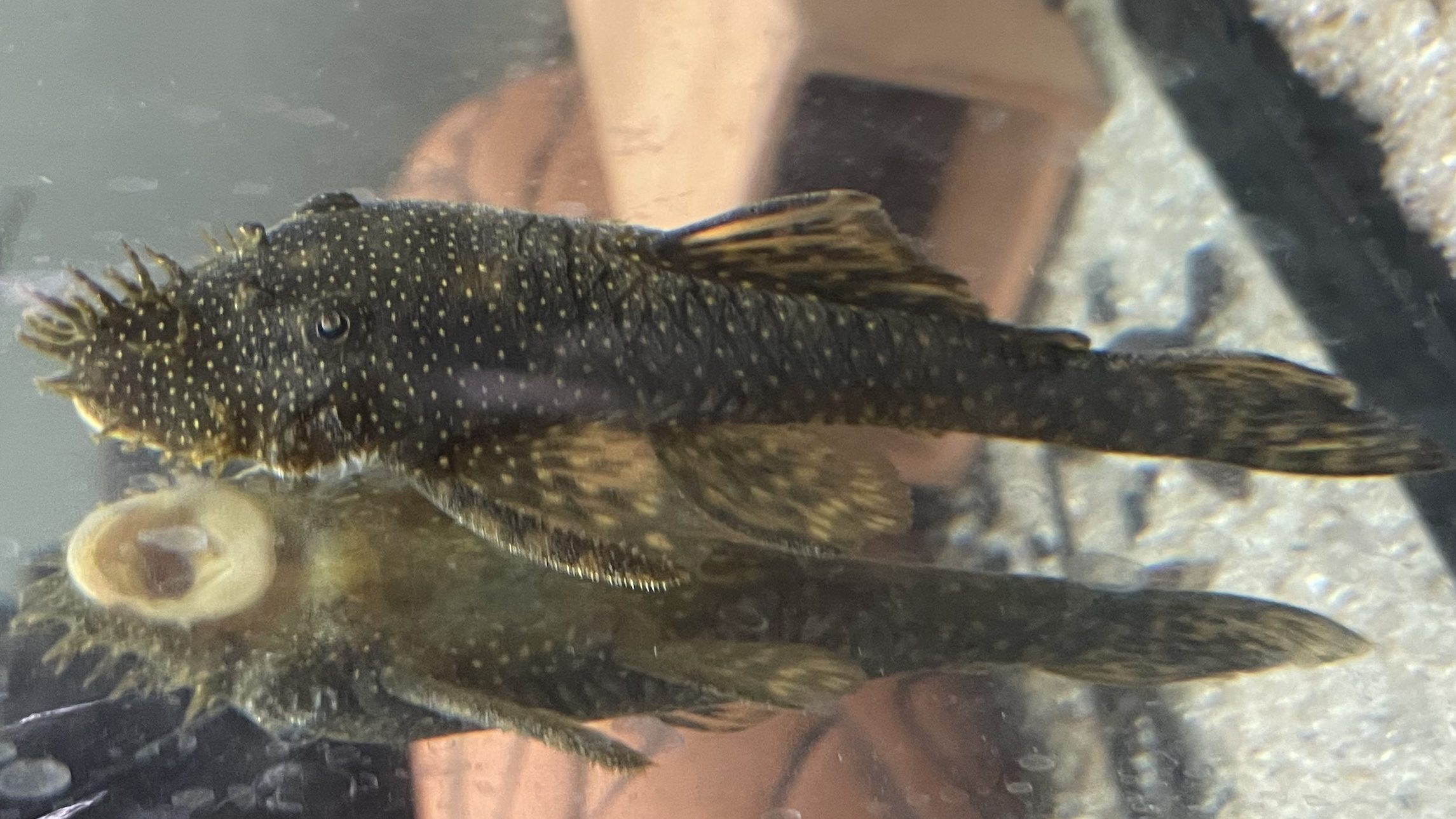
Diagnosis: Almost much more like the traditional small Wild Ancistrus. It is some what of a flat head but not particularly wide.
Colouration is a brown/green tone with white spots, nothing impressive.
Tentacles are very sexually dimorphic and while females have tentacles are much smaller.
The Locality Clue
I have to empathise how important the difference in locality is. Always ask where these fishes were imported from as they will not be imported from other countries then their locality listed here. Ancistrus ranunculus is a Brazilian species and this is the biggest mistake as people will sell the Columbian Ancistrus macropthalamus under this name and label.
Husbandry
Not the focus of this article but half a warning. The morphology of these Ancistrus is based on high velocity of water not just that but high temperatures, 28c or more. I’ve tried lower at 26c and it was an awful failure, I don’t just say this from my experience. The Rio Xingu for Ancistrus ranunculus and Ancistrus sp. ‘L255’ rarely if ever dips below 28c (Rofrigues-Filho et al., 2015). Even below they struggle to feed. The other aspect is that as temperature increases oxygen saturation decreases and these are high velocity fishes so a good current is important either a powerhead, wavemaker or a strong air pump.
Many of these Ancistrus are gregarious, social but none more so then the Ancistrus ranunculus and Ancistrus sp. ‘L255’. It came to my notice when I saw so many people struggling but everyone with success had theirs as a group. Even in the ecological and species description of Ancistrus raununculus notes them as gregarious listed as unlike Hypancistrus zebra (Muller et al., 1994). These fishes generally are social in their own space but it goes elsewhere to where they might struggle to feed otherwise.
Diet might be one of the most important aspects of many fishes husbandry, it also is maybe the most forgotten. Most Ancistrus lack any dietary information although Ancistrus ranunculus has some records suggesting they are almost entirely algivores (Zuanon, 2019). Maybe there is evidence to suggest much more diversity to the genus. Generally this genus is very specialist and I cannot empathise the importance of Repashy soilent green.
Ancistrus is one of the most misunderstood genera maybe because everyone sees the common bristlenose, Ancistrus sp. who is largely much more hardy. There are slow feeding species who don’t compete well but could be much more successful in captivity if not treated like side on. They definitely require a tank being considered around them and while I’d love to see more species in the hobby I’d love there be more demand for treating this genus as it is, a pain!
References:
Fisch-Muller, S., Mazzoni, R. & Weber C. (2001). Genetic and morphological evidences for two new sibling species of Ancistrus (Siluriformes: Loricariidae) in upper rio Tocantins drainage, Brazil. Ichthyological Exploration of Freshwaters. 2(4): 289-304.
Muller, S., Rapp Py-Daniel, L. H. and Zuanon, J. (1994). Ancistrus ranunculus, a new species of loricariid fish (Siluriformes: Loricariidae) from the Xingú and Tocantins rivers, Brazil. Ichthyological Exploration of Freshwaters. 5 (4): 289-296.
Pellegrin, J. (1912). Description d’un poisson nouveau de l’Orénoque appartenant au genre Xenocara. Bulletin de la Société Zoologique de France. 37:271-272.
Rodrigues-Filho, J. L., Abe, D. S., Gatti-Junior, P., Medeiros, G. R., Degani, R. M., Blanco, F. P., Faria, C. R. L., Campanelli, L., Soares, F. S., Sidagis-Galli, C. V., Teixeira-Silva, V., Tundisi, J. E. M., Matsmura-Tundisi, T. and Tundisi, J. G. (2015). Spatial patterns of water quality in Xingu River Basin (Amazonia) prior to the Belo Monte dam impoundment. Brazilian Journal of Biology, 75(3).
Zuanon, J. A. S. (1999). “História natural da ictiofauna de corredeiras do rio Xingu, na região de Altamira, Pará” Unpublished Thesis. Dept. Ecologia Universidade Estadual de Campinas : Campinas, SP
 The Scientific Fishkeeper