
Like any other organism fishes can host pathogens and contract diseases, unlike many other pet related hobbies we are dealing with a wide diversity of different species. The diseases of aquarium fishes is there for a vast topic.
As my specialty is in the evolutionary biology of fishes, diseases are not my specialty. That is not to say like any other fish biologist I do not encounter them, given I am often not using high magnifications I actually am more familiar with larger ectoparasites then bacteria or protozoa. I do have a background in taxonomy as well so am familiar with understanding how even these bacteria, protozoa, fungi etc. are diagnosed to a degree.
Previously there have been many brilliant aquarium books focused on disease and I think more then anything I recommend an aquarist to have at least one. These books were often written by those with a background in pathology, included images of microscope slides and based in science.
Books I’d recommend (there will be others I have forgotten):
- Discus Health, TFH Publication by Dieter Untergasser
- Handbook of Fish Diseases, TFH Publication by Dieter Untergasser.
- The Interpet Manual of Fish Health: Everything You Need to Know About Aquarium Fish, Their Environment and Disease Prevention, Firefly Books Ltd by Dr. Chris Andrews, Adrian Excell and Dr Neville Carrington.
- The Practical Guide to Fish Diseases by Dr. Gerald Bassleer
The main issue with disease is to take anything also marketing a product with a pinch of salt unless it’s discussing a general compound e.g. malachite green, formaldehyde etc.
Diseases of aquarium fishes has become one of the most hotly contested topics within the aquarium hobby of recent years. With many websites making unfounded claims that lack citations where maybe they should to backup any novel ideas or information. This makes diagnosing disease for the general fishkeeper rather challenging. I hope I can make it a little easier or give areas to start researching.
This topic will cover multiple articles and therefore this contents should help guide a user through this page and others.
- Preventative care to avoid disease
- What are pathogens?
- Disease and pathogen specificity.
- Notes on Antibiotics
- Pathogens of fishes and relevant articles to aid in diagnosis:
- References
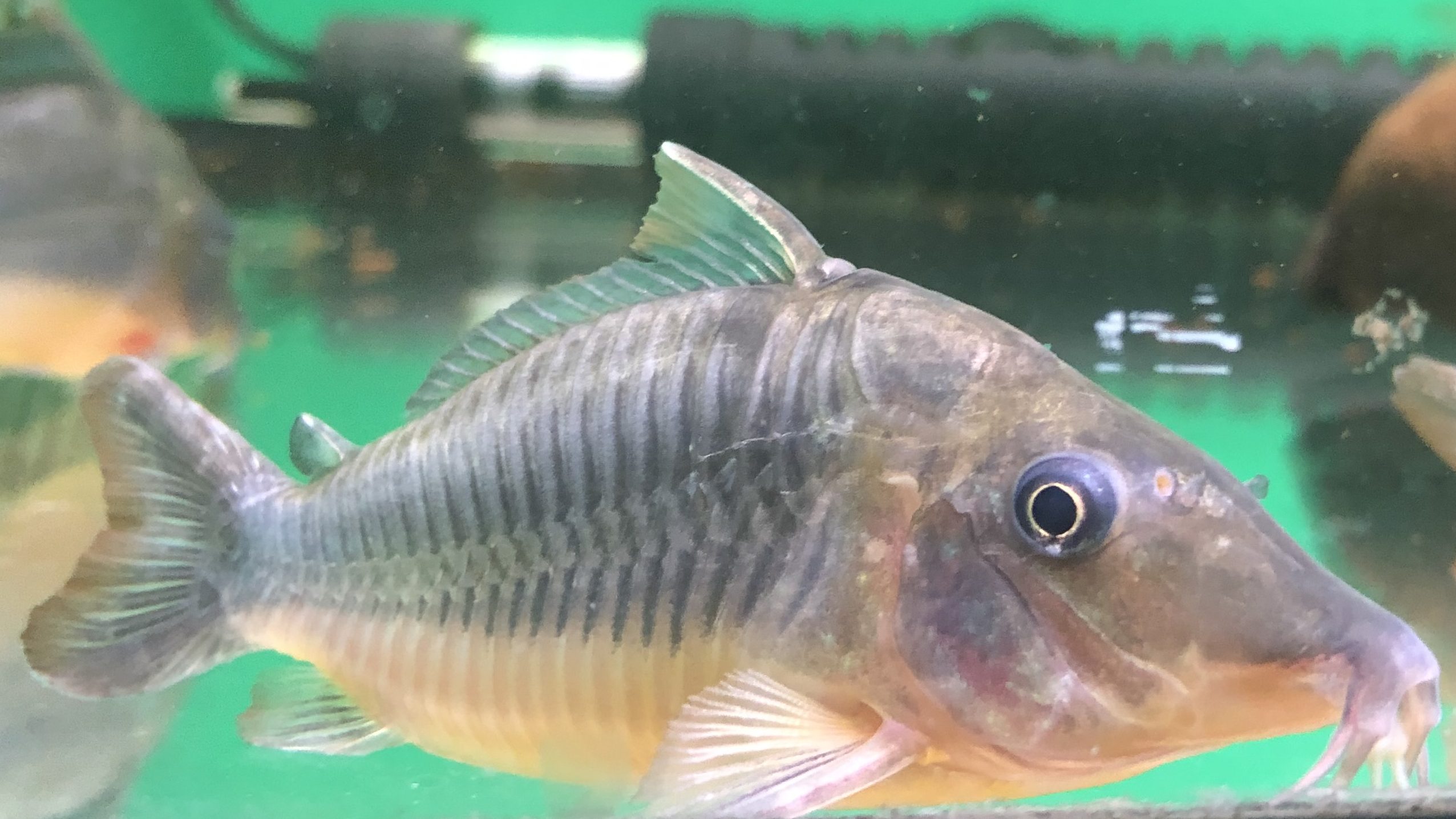
Preventative care to avoid disease
One of the biggest factors when it comes to any organism of preventing disease is ensuring the organism is healthy. There are several influences that might mean a fish is stressed enough to become more susceptible to disease; behavioral, environmental and also diet. If an organism is stressed then the immune system might not be functioning as well as it could and will be less able to fend of disease, this isn’t something new. Some disease might additionally be directly caused by these factors rather then by external pathogens.
So, lets explore preventative care.
Preventing disease by understanding specific fish behavior.
This is probably the most difficult to identify and sometimes the most difficult to cater for as we know so little about fish behavior. Here there are probably two outcomes of not catering for a fishes behavior; poor physiological health or abnormal behavior.
Poor physiological health is very obvious, a fish might have tattered fins, lost scales and reduced colouration. It could be that the fish is being directly attacked in territorial aggression or from a more predatory tankmate. In some fishes just simply removing an offending individual might solve the issue but with some fishes such as the Aulonocara (peacock cichlids), mbuna (multiple genera), Haplochromis etc. of the Rift valley this can create instability in the social hierarchy of the group (Piefke et al., 2021). Of course removing some worst offending species would maybe be a benefit and therefore considering what species are to be included to start off. These voids in hierarchy can create more aggression as individuals are additionally are then identifying where they all fit. It’s a common assumption to assume aggression is male focused, as I discuss in a previous article females do frequently display aggression (Female Aggression).
Aggression can just be simply territorial, Neolamprologous cichlids can be good examples of this where individuals will maintain a space and the location based often on maintaining resources reproductive, predator protection and dietary. Fish sociality can be so very complex so it’s not entirely simple (Walter et al., 1994). This territoriality can also be seen in many Loricariids (Plecos) but also Anabantoids such as Channa or gourami’s, not always related to reproduction but just defense of a space.
Even many shoaling species might show aggression and therefore in that context a good number with an appropriate sex ratio would be best. Sociality in many species is important though, even if it is fleeting there is a behavioral enrichment, this isn’t always possible. But for shoaling and schooling species having others of the same species or population is important.
Many popular fishes can be counted as some what shoaling or schooling such as clown loaches, Chromobotia macracanthus to neon tetra, Paracheirodon innesi. These fishes alone or even in small numbers such as 3 or 6 depending on the species you might see abnormal behavior. Sometimes difficult to identify as some species are just illusive. A shoaling species kept alone could be illusive, swim erratically around the glass or even maybe shoaling with a different species. It’s definitely very context dependent. Sociality is important for behavioral and maybe even physiological development (Riley et al., 2018), we know that though from other verebtrates……. The understanding of species can be difficult but realistically multiple individuals of different species would not make up a shoal. Whether it be Corydoras or tetra, these species might not be closely related but even if they are it doesn’t mean they can communicate and therefore benefit socially. In other fishes such as discus communication is so much in their coloration given they can recognize individuals (Satoh et al., 2016), many varieties have lost or altered this ability and could result in communication issues between domestics, wilds and certain varieties. This means it’s highly likely discus can identify the different species and even populations. I have experienced this myself. Just by the fact so many fishes of the same genus or group are located together behavior likely results in this speciation.
Tankmates themselves can provide another kind of harm, they could be eaten and vice versa. Generally avoiding tankmates that will fit in the mouth is a good rule of measure. Some fishes can expand their mouth further then expected and while many are gape limited (limited by the size of their mouth) others this limitation is minor. Even the slowest fish are more then capable of eating faster fishes, discus feeding on cardinal/neon tetra is commonly accounted and goldfish frequently feed on smaller tankmates. The biggest risk here is if the smaller fish is too big to be swallowed down and that larger fish chokes.
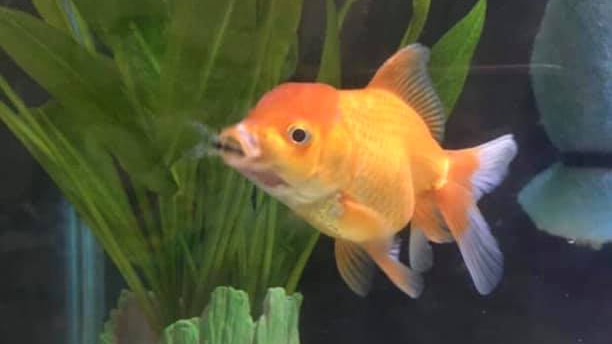
The effect of the environment on fish disease.
More then often we think of the environment as purely about water parameters in fishes but the actual décor is important as well. I have been a long standing admin of goldfish groups and frequently seen where they have choked on gravel for example.
This is so diverse as so much can effect a fishes health.
Water parameters
The influence of water parameters on the health of fishes is so complex and so diverse, here I wont discuss hardness I have discussed it partially in the article on pH and hardness (here). Associated with mismanagement of hardness is gas bubble disease of which would require it’s own article or discussion, it is likely confused with a pH crash due to how quickly it occurs.
So, the main parameters we will focus on will be those related to nitrogen; ammonia, nitrites and nitrates. The values which cause death will vary depending on the fish and other parameters, many effects might seem asymptomatic unless a dissection is undertaken so do not assume because you cannot see an effect the fish isn’t affected. Ammonia itself burns the gills (Liu et al., 2021) but largely targets the the brain (Ip & Chew et al., 2010). Nitrite is the most well known as crossing into the blood combining with the blood to form methaemoglobin resulting in less oxygen carried around the body (Ciji & Akhtar, 2020), it can kill particularly rapidly seeming like a crash. These all are managed by a stable and cycled aquarium. Nitrate is maybe the least understood and the least studied as most studies focus on fishes with particular adaptability. This compound functions the same way as nitrites by combining with the blood to reduce oxygen saturation within the blood at higher volumes (Camargo et al., 2005). Many websites and a number of Youtubers focus on whether it kills but it shouldn’t be about rapid deaths rather long term effects, this is likely due to promoting methods where high nitrates are inevitable (Hrubec et al., 1996). So the question about low volumes becomes difficult, this is because most studies are short term and on fishes completely different from what we keep but even Hrubec et al. (1996) displays the toxicity of nitrate. It is better to assume toxicity then not just for the sake of water changes and half an hour or few hours a week, after all no one would argue for mammals to be left in their own waste because of intensive farming methods that do so.
Most of these nitrogen based compounds effect how oxygen is taken up whether it’s from burning the gills or the binding to the blood. So increasing oxygenation will not be harmful, methylene blue in small volumes is associated with increasing oxygen saturation in humans although it is difficult to find any research into the topic. Olufayo and Yusuf (2016) suggested that volumes of 67ppm to 199ppm of methylene blue didn’t increase oxygen saturation but previous research lists methylene blue as decreasing the solubility of oxygen (Khan et al., 2022). One aspect could be that largely when used in medicine it’s in humans and direct in the body, for fishes it’s added into the water so I think there is a whole other level of things at play. Another aspect of treating any higher values of these compounds is the use of Seachem prime, yes it does but decrease oxygen saturation so there is a balance (Seachem’s website).
Substrate
One of the things that least comes to mind when it comes to the health of fishes is substrates, there is so much diversity of them in stores and this can be overwhelming. Some might interact with the water parameters which is not usually ideal for many fishes as the focus of these is on plants.
The biggest risk substrate is gravels with any fish that might dig around in the substrate. It is frequently accounted particularly with goldfish where the gravel becomes stuck in either the oral or pharyngeal jaws of the fish.
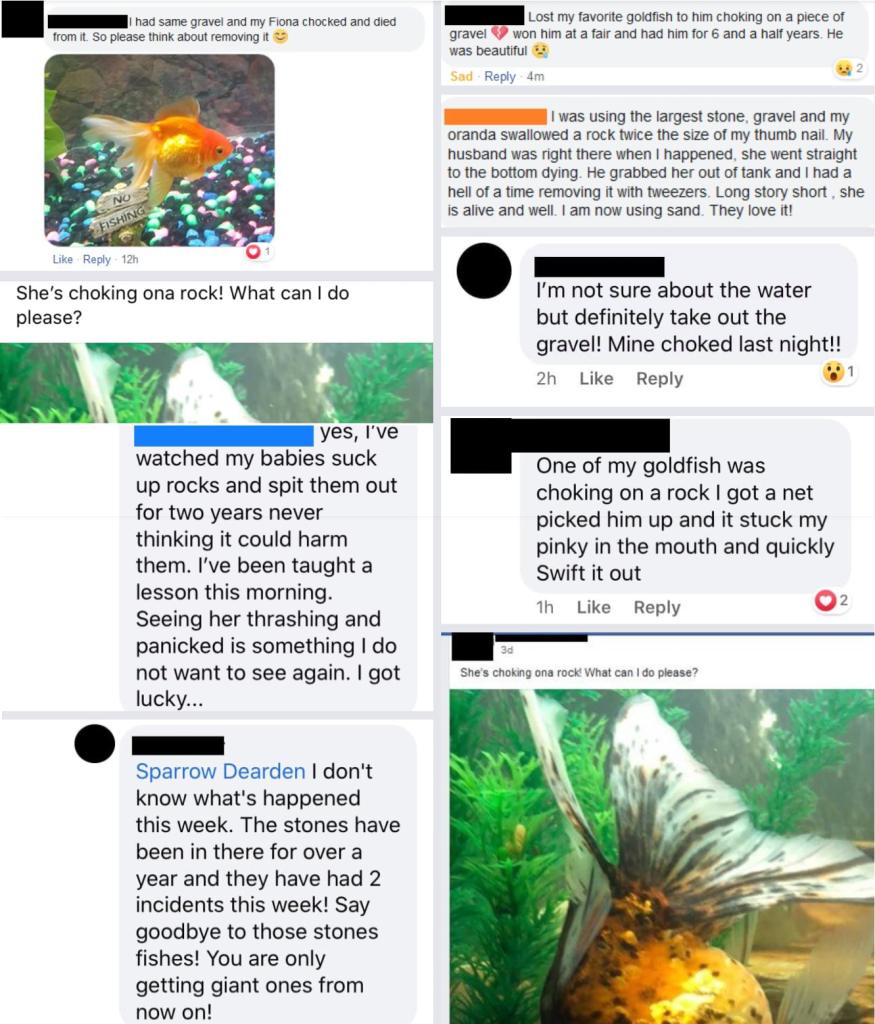
Just as seriously from gravel is impaction although I have never encountered a certain case myself, if that gravel enters the digestive tract it wont exit easily unlike sand of which many fishes pass through their gut even in larger amounts harmlessly (Lujan et al., 2012).
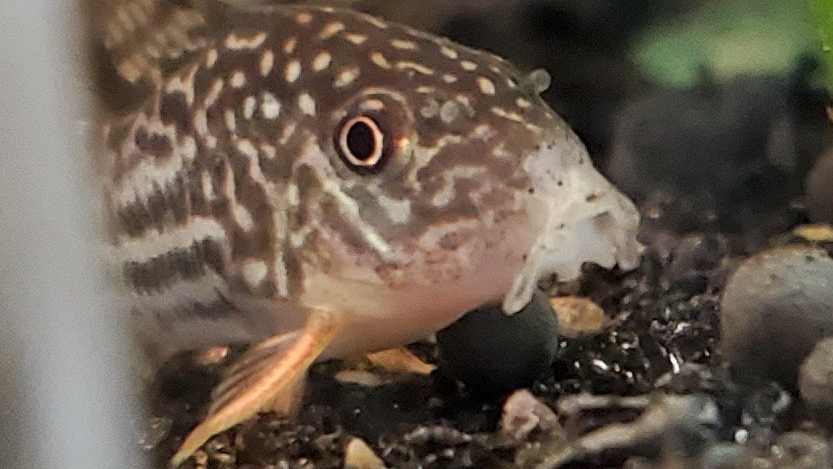
Substrates offer an enrichment for so many fishes which is very important to recognise as so many species naturally search for food. I would rarely have a tank without it. The safest and most natural for many species is sands. One of these fishes that benefits so much are Corydoras and a number of loaches. Sharp substrates in these fishes is associated with erosion of the barbels present around the mouth although there is no studies on the topic and it is sometimes associated with the bacteria that gravel traps. This erosion leaves open wounds and an area highly open to infection.
décor
This is probably the most logical but in the stress of setting up a tank it can be a bit overwhelming to decide what to get. Generally consider if you are having any secretive fishes they will need plenty of spaces to hide in a variety of shapes and sizes, being exposed can be stressful for them and you’ll see the stress patterning on them. When it comes to these fishes always be sure there isn’t decor that the fish can get stuck on, this seems more of an issue with artificial décor then natural.
Sharp décor can also cause wounds whether it be the metal rods in silk plants or sharp dragon rock, for many fishes this is no issue but for clumsy species or some bottom dwellers accidents happen. Some species which might have very rough spawning or aggressive behaviour then they can bash against décor so maybe avoiding anything too rough here but we shouldn’t exchange enrichment to almost bubble wrap our fishes.
Some items might have a risk if eaten, I am not sure how true this is but some people do record rasping fishes such as Loricariids feeding on the paint of some artificial décor. This is probably best avoided just because of the potential chemicals. Similar any decor from plastics you are not familiar with and might degrade in the water releasing microplastics or other compounds.
Conclusion
Obviously for preventative care there is so much more that needs to be considered. Think about the habitats these fishes experience in the wild. Observe your fishes and their behaviour, sometimes it’s worth doing so from a distance so they aren’t expecting food either that or a camera to see them at night. Some behaviour is not always seen.
What are pathogens?
Pathogens are organisms that cause disease. These in fishes can be as followed:
- Viruses: Debatable if they are alive and therefore an organism. These cannot therefore do not have any treatment against them beyond keeping the immune system at it’s best and preventative care. Some viruses cannot be ‘cured’ and will always exist within the fish and some the fishes immune system will kill. Some viruses are fatal to the fish and others are not.
- Bacteria: This is a massive group of organisms. Unlike viruses and like all the other groups I will later list not all are pathogens or parasites, many have different roles. These can be killed by a variety of treatments and by the fishes immune system.
- Protozoa: This is a paraphyletic group of random organisms, not all are parasitic and some can be particularly difficult to treat while others much easier. A huge diversity of organisms.
- Annelid/worms: Very few are ever seen in the aquarium other then leeches, these are true worms and more tricky to treat.
- Nematodes: Similar to worms but not closely related at all. These are most often known for inhabiting the digestive tract or tissues in cysts. Many different wormers target this group.
- Copepods, isopods: Easier to see in most situations and best removed by hand if spotted, these larger Arthropod invertebrates can be difficult to treat once becoming an infestation. The only ones a fishkeeper will usually encounter is fish lice, Argulus sp.
- Algaes: The least obvious group to be parasitic/pathogenic but many are, velvet (Oodinium spp.) and related species with similar symptoms are reasonably common. This includes Cyanobacteria which are still algaes (Yanong et al., 2002). Technically as quite a lot of algae’s are protozoan and similar treatments sometimes work.
Disease and pathogen specificity.
Diseases and pathogens can be specific to certain groups of fishes or sometimes certain age demographics. A great example is some herpes type viruses many of which are specific to certain species or families (Hanson et al., 2011). This does mean if one fish has such a virus it wont be contracted by other taxa. You will also not find any confirmed cases of some diseases/pathogens in some fishes e.g. lymphocystis in carp and catfishes.
This is likely due to a diversity of different physiology between species, genera and even further families and more. Biology in general can differ so much certain groups might prevent access to certain taxa or they might lack the target organs and tissues.
Some individuals might be asymptomatic to certain diseases and pathogens.
Notes on Antibiotics
Antibiotic resistance is listed as one of the largest threats to humanity by the World Health Organisation, CDC etc. Bacteria and other pathogens are capable of resistance to a treatment on frequent exposure but bacteria being the most threatening. This has lead to many countries restricting their use, in countries like the UK they are only legal via prescription. Antibiotics unrestricted are commonly used without considering if the pathogen is actually a bacteria, if it is not it’ll have no effect but likely result in resistance of any bacteria around that are not currently a pathogen resulting in disease. In the aquarium there are many other treatments to try first. Antibiotics are reasonably specific to certain bacteria so would require knowing which are being targeted. If antibiotics are required then visit your vet, there are many fish vets within the UK who can be consulted on their opinion of the pathogen and course of treatment.
Pathogens of fishes and relevant articles to aid in diagnosis:
Spots, lumps and bumps: Click Here.
Sudden and rapid deaths (Unfinished)
Discolouration and change in skin/scale condition (Unfinished)
Abnormal external bodies (Unfinished)
References
Camargo, J. A., Alonso, A., & Salamanca, A. (2005). Nitrate toxicity to aquatic animals: a review with new data for freshwater invertebrates. Chemosphere, 58(9), 1255-1267.
Ciji, A., & Akhtar, M. S. (2020). Nitrite implications and its management strategies in aquaculture: A review. Reviews in Aquaculture, 12(2), 878-908.
Hanson, L., Dishon, A., & Kotler, M. (2011). Herpesviruses that infect fish. Viruses, 3(11), 2160-2191.
Hrubec, T. C., Smith, S. A., & Robertson, J. L. (1996). Nitrate toxicity: a potential problem of recirculating systems. Aquacultural Engineering Society Proceedings II: Successes and Failures in Commercial Recirculating Aquaculture. Northeast Regional Agricultural Engineering Service Cooperative Extension, Ithaca, NY.
Ip, Y. K., & Chew, S. F. (2010). Ammonia production, excretion, toxicity, and defense in fish: a review. Frontiers in physiology, 1, 134.
Khan, I., Saeed, K., Zekker, I., Zhang, B., Hendi, A. H., Ahmad, A., … & Khan, I. (2022). Review on methylene blue: Its properties, uses, toxicity and
Liu, M. J., Guo, H. Y., Liu, B., Zhu, K. C., Guo, L., Liu, B. S., … & Zhang, D. C. (2021). Gill oxidative damage caused by acute ammonia stress was reduced through the HIF-1α/NF-κb signaling pathway in golden pompano (Trachinotus ovatus). Ecotoxicology and Environmental Safety, 222, 112504.photodegradation. Water, 14(2), 242.
Lujan, N. K., Winemiller, K. O., & Armbruster, J. W. (2012). Trophic diversity in the evolution and community assembly of loricariid catfishes. BMC Evolutionary Biology, 12(1), 1-13.
Olufayo, M. O., & Yusuf, H. O. (2016). Toxicity of methylene blue on nile tilapia (Oreochromis Niloticus) juveniles. IOSR Journal of Environmental Science, Toxicology and Food Technology, 10, 9-16.
Piefke, T. J., Bonnell, T. R., DeOliveira, G. M., Border, S. E., & Dijkstra, P. D. (2021). Social network stability is impacted by removing a dominant male in replicate dominance hierarchies of a cichlid fish. Animal Behaviour, 175, 7-20.
Riley, R. J., Roe, T., Gillie, E. R., Boogert, N. J., & Manica, A. (2018). The development of social interactions in Corydoras aeneus larvae. bioRxiv, 455188.
Satoh, S., Tanaka, H., & Kohda, M. (2016). Facial recognition in a discus fish (Cichlidae): experimental approach using digital models. PloS one, 11(5), e0154543.
Walter, B., & Trillmich, F. (1994). Female aggression and male peace-keeping in a cichlid fish harem: conflict between and within the sexes in Lamprologus ocellatus. Behavioral Ecology and Sociobiology, 34, 105-112.
Yanong, R. P., Francis-Floyd, R., Curtis, E., Klinger, R. E., Cichra, M. F., & Berzins, I. K. (2002). Algal dermatitis in cichlids. Journal of the American Veterinary Medical Association, 220(9), 1353-1358.
 The Scientific Fishkeeper