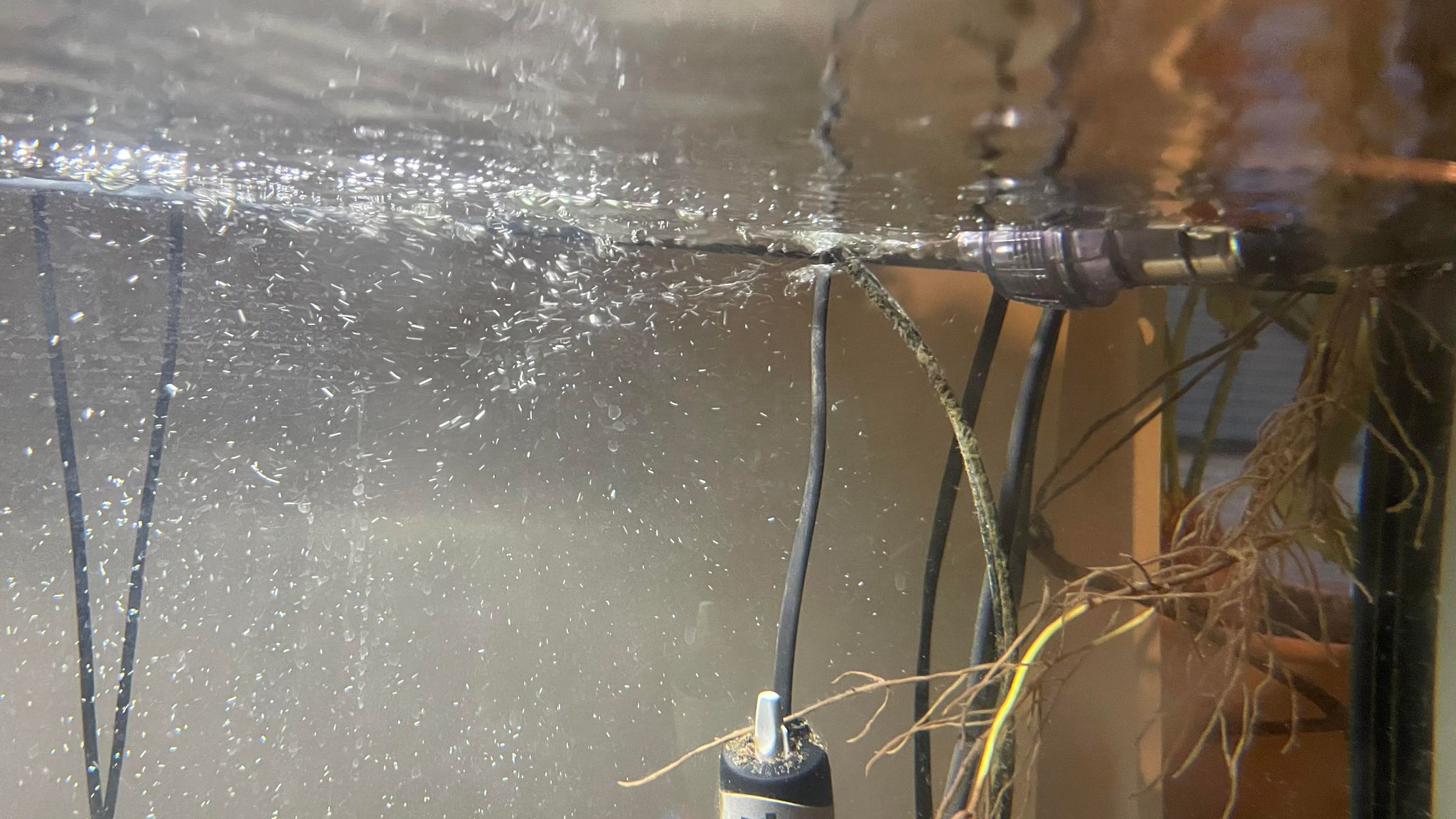
This small gadget I would never be without and they aren’t well known. One of the most important purposes of an aquarium is movement and therefore also oxygen supply. While air stones are largely decorative they can have a purpose in helping oxygen saturation by breaking up the surface of the water. Many filters do not provide enough of this surface movement and this is where venturi’s come in.
Venturi’s are a solution to this, they simply use the force of the filter outlet to pull air through into the water column. The amount of flow provided is much stronger then without or with a spray bar. So while this might not be much use for fishes such as Betta splendens that like next to no current for most fishes particularly those that like a current it is really a life saver. On top of these benefits it helps you identify the route of flow through the tank from these bubbles.
These little adaptations are easy to setup, all that is required is hose line that can attach it to the external filters outlet, I recommend heating that tubing with boiled water for 10 seconds to make it easier to attach.
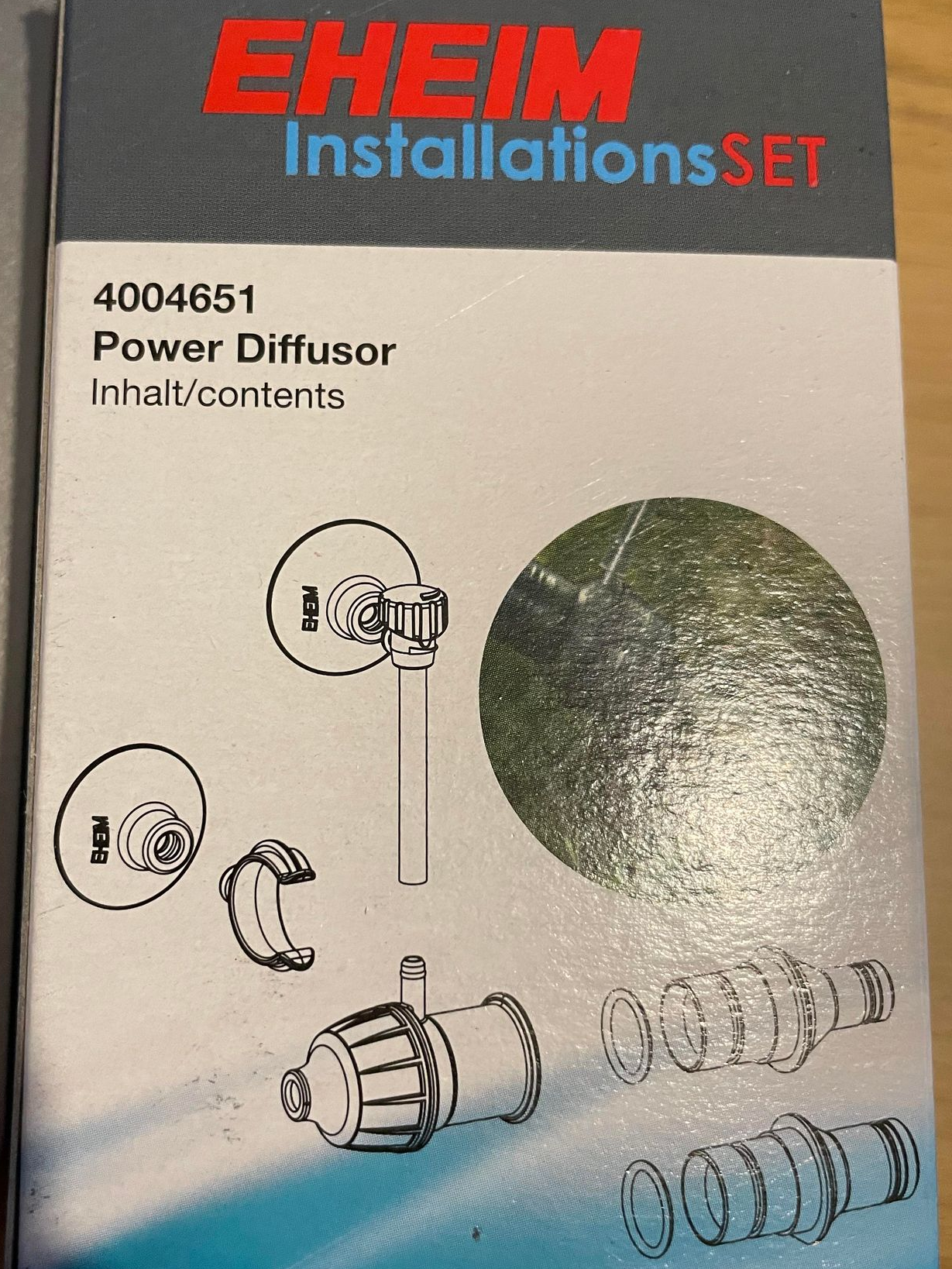
There are are few available on the market and some filters come up with attachments that force air through. I have trialed a few over time but the majority tend to be loud or produce little air. Eheim’s remain the only you could attach to any external filter with a spare bit of tubing. There are some cheaper ones on the market that attach to filters I cannot comment on.
Most of my comments on these are through experience. I keep largely high flow fishes and one powerhead wouldn’t cut it. Since adding these I wouldn’t look back, improving flow but also oxygen saturation and where these fishes also need higher temperatures oxygen saturation is a limitation. For around £7-10 it’s not much more, while designed for Eheim filters they should work on Fluval and other brands.
One big question would be do they reduce the flow of the outlet by creating a barrier? It seems very clearly not. My only worry is back pressure on the impeller and filter pump but in maybe 4 years of having them I’ve had no issues with them.
Otherwise I cannot recommend this simple device even more. They change aquariums for the better in many ways.
When keeping an aquarium for the first time many are confronted with algaes, they cover the glass, plants, decor or even the water itself. Fishes that feed on algaes, known as algivores are often deployed here, sometimes mistakenly.
This I can only assume stems from the idea of a “clean up crew” and an aquarium ‘ecosystem’. The problem here is it is generalising algivores and misunderstanding this dietary niche in general because more then often we all keep algivores because they don’t fit the aesthetic we might not even know. Freshwater ecosystems are very complex and function cannot realistically be replicated in the aquarium.
Who are the algivores?
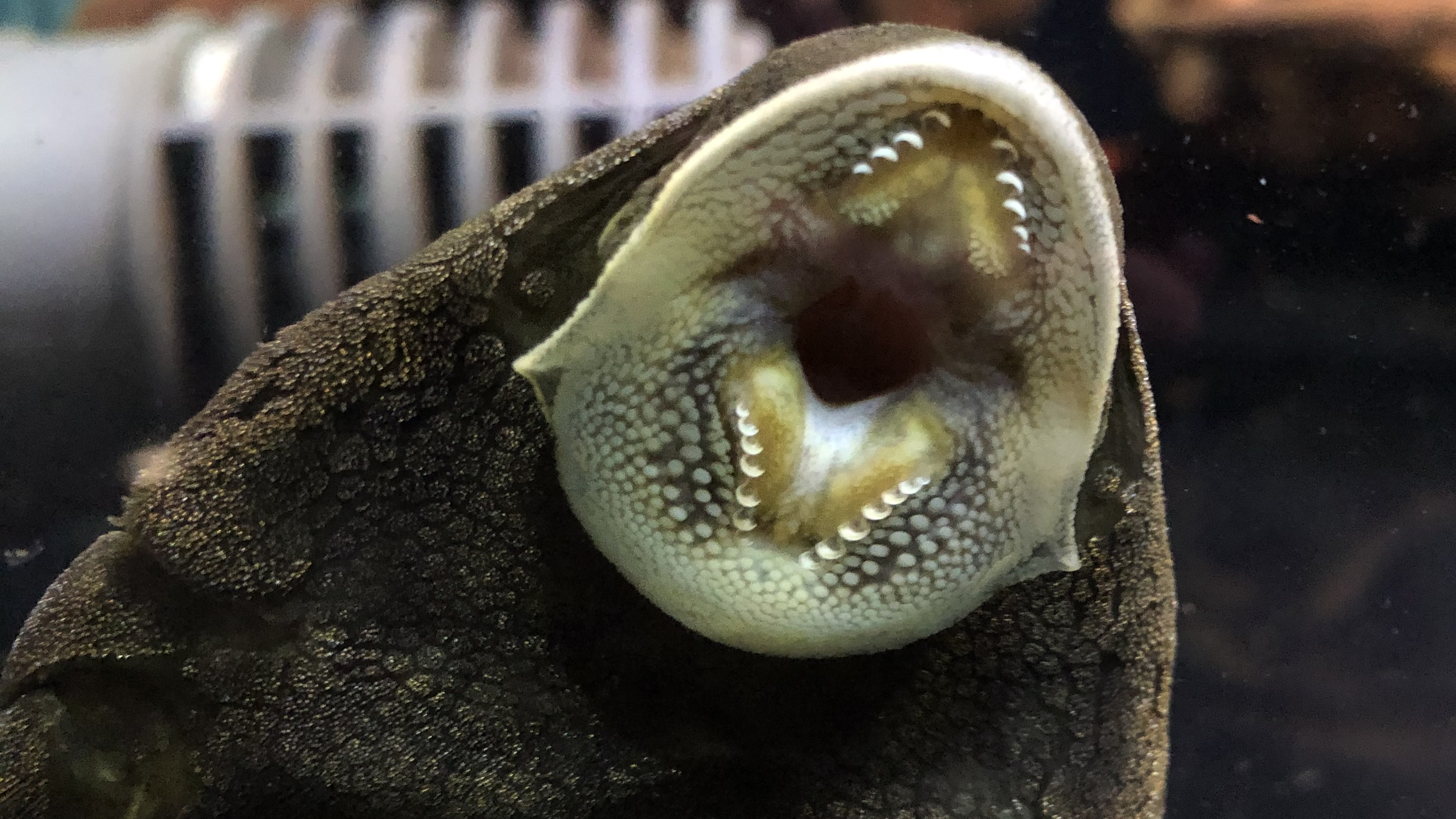
Algivores come from almost every branch of “fishes” from Cichlidae (Cichlids; Burress, 2016) to Siluriformes (catfishes). Even within these clades there is a wide amount of variation, in cichlids it’s quite obvious but in plecos, Loricariids there is a small number of carnivores and omnivores (Lujan et al., 2012). The actual mechanism of feeding varies a lot and this no doubt influences what algaes they can eat. Even within these groups there is a lot of variation in what algaes they will feed on (Delariva & Agostinho, 2001).
Both of these statements make sense when you buy algivores and they do not feed on some or all of the algaes that are causing an issue in the aquarium. Cyanobacteria makes the best example here, while many fishes do feed on it in the wild (Valencia & Zamudio; Baldo et al., 2019) it’s very evident they do not feed on the cyanobacteria that pests the aquarium, they are likely very different algaes. In many freshwater ecosystems there will be multiple species who feed on algaes and they could only co-exist if there was some partitioning in what algaes they feed on. Most of these fishes also feed on other microbes such as bacteria, protozoa etc. We even see divergent morphology likely based on what and the proportions of the different algaes and those other they feed on. This is where a common misconception comes, many will state that quite a lot of these fishes aren’t algivores because they aren’t ‘cleaning’ your aquarium.
So there is a lot of understanding the individual fishes to know what algaes they will eat and how much.
Another aspect here is the behaviour of algivores is often forgotten as they become more of a purpose then of a focus. Otocinclus, flying foxes (Epalzeorhynchos spp.) and Siamese algae eaters (Crossocheilus spp.) are shoaling and really do benefit from a minimum of 6 as shown here in the wild: https://www.inaturalist.org/taxa/98678-Crossocheilus-reticulatus/browse_photos. For Otocinclus they are shy when housed in small numbers, they are found in their hundreds in the wild. Epalzeorhynchos and Crossocheilus on the other hand in small numbers can become boisterous to each other and other fishes, there is no better example of this then E. bicolor. While for Otocinclus providing a group is rarely an issue for others it could be very limiting on aquarium size and particularly only to feed on one type of algae.
I can’t help but emphasize these fishes have their own requirements and they can be extremely specialized. Just because they feed on algae it does not mean they do not require a specialised environment based on their natural habitat. This is maybe why I see such a high mortality in certain species.
One thing never to forget is how long a fish might live and if it is only to solve an issue that might last a week or a few months you’ll have the fish years or even decades. Particularly catfishes, Loricariids/plecos, who are exceptionally long lived as often discussed in conversations:
Rehoming for some of these fishes can provide a particular challenge.
So what are the commonly recommended algivores:
Otocinclus sp.
Otocinclus spp.
Common name: Dwarf pleco, Oto
Locality: Widespread across South America (GBIF Backbone Taxonomy, 2023; Fricke et al., 2023)
Size: 16.5-43.8mm Standard Length (SL; Shaefer, 1997)
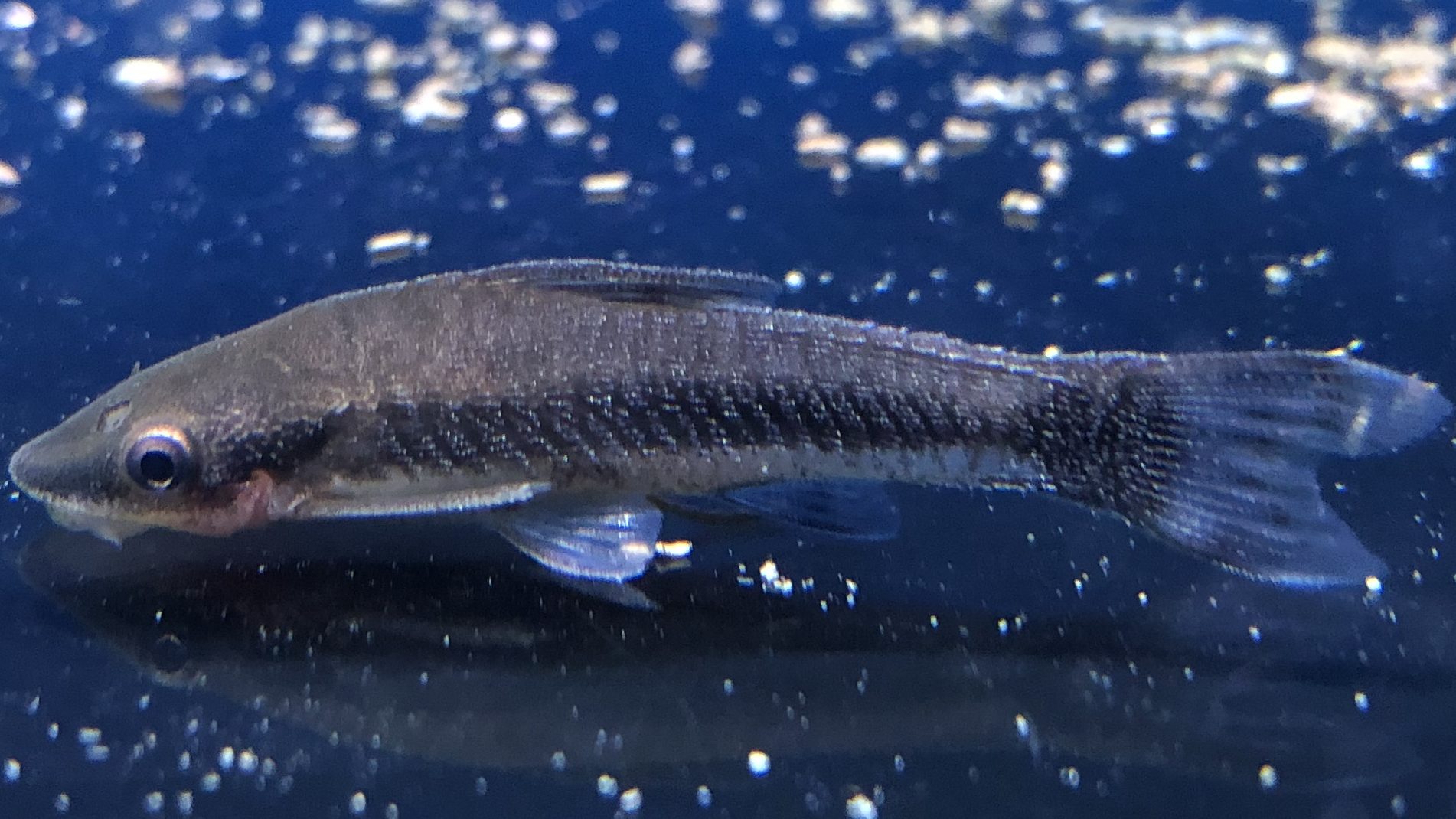
Comments: A small, shoaling (Axenrot & Kullander, 2003) genera found in clear, sandy waters with plenty of vegetation (Reis, 2004). This genus specialises in the finer algaes and other microbes growing on the variety of surfaces (Axenrot & Kullander, 2003). Otocinclus as a name has been used as a common name to refer to many other Hypoptopominae not all that stay that small, some such as Hypoptopoma incognitum at 9.4cm SL (Aquino & Schaefer, 2010). These other Hypoptopominae (The subfamily of Loricariidae that contains Otocinclus) are still just as social and some can be much more challenging to feed and sustain in captivity. I personally find particularly Rhinotocinclus and Nannoptopoma really suffer with the majority of ‘algae’ wafers where there isn’t a high amount of algae’s in the ingredient list. Otocinclus definitely do deal with the algae in an aquarium but not all such as black beard or cyanobacteria, after the algae is gone though they will need a more specialist algae based diet.
Common bristlenose, Ancistrus sp.
Ancistrus sp. ‘Common bristlenose’
Common name: BN, bristlenose pleco.
Locality: Unknown.
Size: 12-20cm SL, very variable.
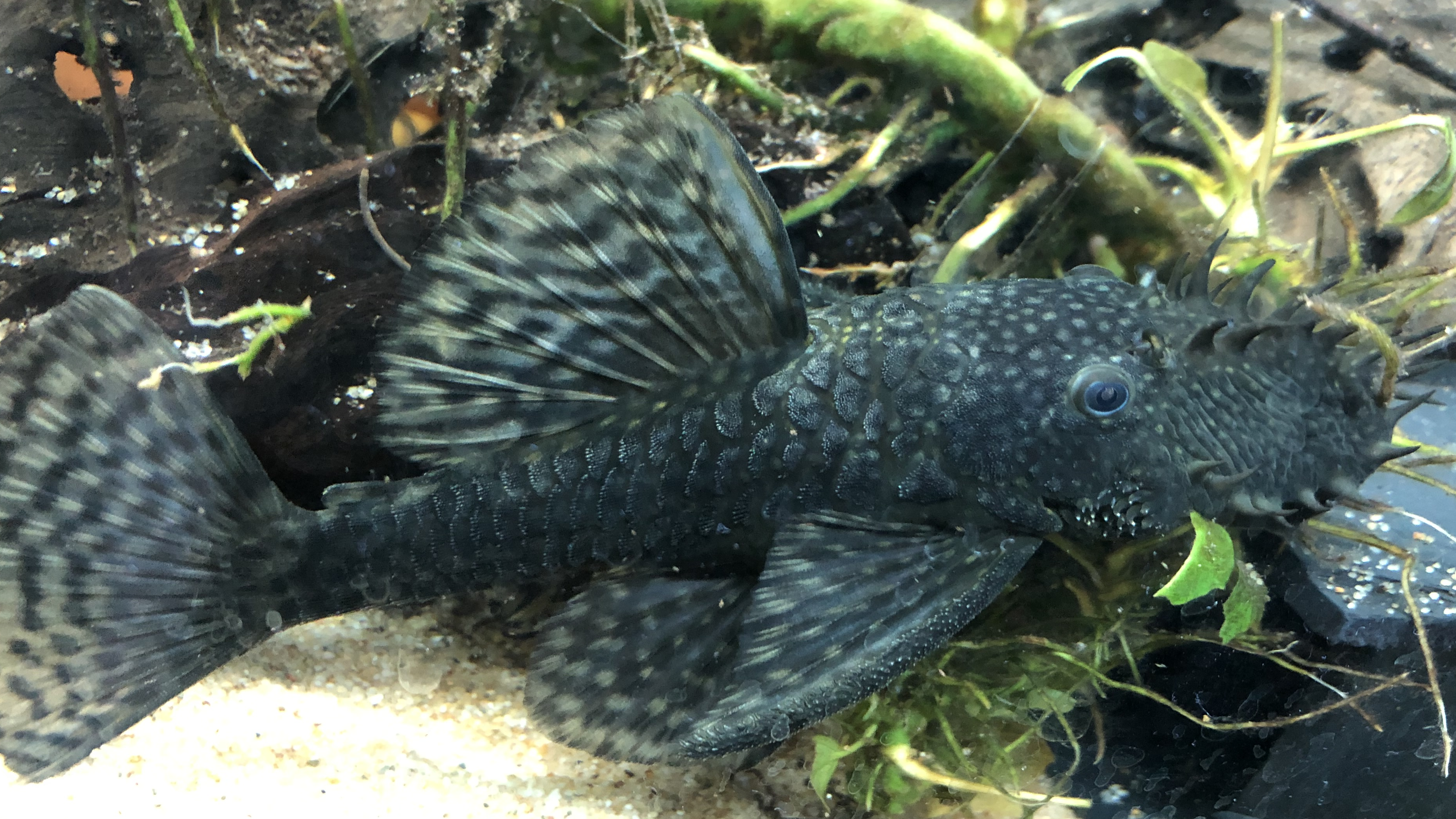
Comments: This is a domestic species you’ll often see associated with Ancistrus cirrhosus or Ancistrus dolichopterus but it is related to neither of these species. As this species has been bred into many different variants from albino, super red, snow white to green dragon, there is additionally a lot of variation in size. It also makes any husbandry a lot more unpredictable as we neither know what the original species is nor can we really say how domestication has effected them. Unlike a few other Ancistrus this species is territorial and can take on any similarly shaped fishes if they enter their space, unlike many misconceptions this is regardless of sex. These do feed on algae but I can’t say they will deal with any on plants, nor black beard algae, cyanobacteria or most diatoms. Given how long these fishes can live and their size, certainly a consideration for any tank and they still have their own requirements.
Common name: Sharks, algae eaters and flying foxes.
Locality: East Asia.
Size: 12.46cm SL (Ciccotto et al., 2017) although individuals potentially grow up to 15cm SL in captivity.
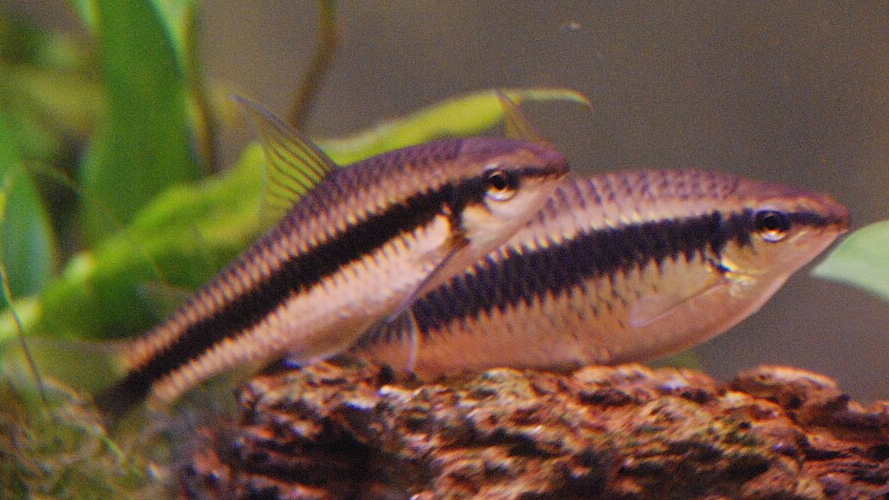
Comments: As mentioned above generally social fishes who are boisterous with age in low numbers. They are brilliant in the right situation but temperatures definitely have to be considered for example the fishnet flying fox, Crossocheilus reticulatus who inhabits rapids and much cooler temperatures then generally expected. Certainly underrated fishes where they are almost never kept as the focus of an aquarium. Often noted to feed on black beard algaes but I’m not sure they are that rapid at it.
There are soo many fishes recommended and this changes with time such as the hillstream loaches, Gastromyzontidae who inhabit the rocky rapids of Asia but I might ask to look at these fishes in the wild and how specialised they are: https://uk.inaturalist.org/taxa/1032183-Gastromyzontidae/browse_photos
The actual problem, algaes
It is no doubt true that algaes can release toxins, these algaes have not been seen in the freshwater aquarium. Therefore, there is no real harm to algaes themselves excluding blocking filter inlets, outlets and sponges. More then anything algaes are a symptom of a variety of nutrients or conditions, some of them just might be an aquarium stabilising over the years.
Aquariums do have an ecosystem when it comes to microbes and with time the composition of these microbes will change. Aquariums don’t seem to really stabilise for years, obviously this likely wont have any scientific research behind it but if we look at natural ecosystems succession is a well known process. Succession is where the organisms change over time, while species diversity increases over time towards the end it then decreases. There is no same end goal to succession as it varies on so many factors and succession can be halted by certain species or environmental factors.
Of course the best method in the short term is likely really manually removing algae, this will likely effect this succession as removing the microbial populations that are competing with the algaes. Having worked in stores I use a variety of tools (ensure they are used for nothing else):
Scouring pad: Be careful on acrylic but this is great for most algaes and with a bit of hard work even diatoms.
Toothbrush: This is for the corners but can even work on decor. It can make a good attempt on blackbeard algae. Do not use too harshly on the corners as can damage and remove silicone.
Stanley blade: Definitely very sharp so be careful! Used wrong it can scratch glass and acrylic. Once you work out the right angle it’s great for removing any algaes such as diatoms and blackbeard on flat surfaces.
Filter Floss: Sometimes can be useful to clean large areas of soft algae, it can scratch the glass if catches sand granules but an easy thing to grab.
I personally do not recommend any of the magnetic algae cleaners due to the fact they tend to only remove the softest algaes and can easily catch sand, scratching the glass. T
Algaes themselves would deserve their own article but because of the polyphyletic (pick and mix) nature of the term between many very diverse groups of organisms, just because they are photosynthetic they aren’t simple.
I would treat algaes for mature aquariums particularly any sudden change in algaes present as biological indicators of nutrients, often ones we can’t or rarely test for.
The relationship between nutrients and algaes
Algal growth is inherently connected to nutrient composition. Unlike plants algaes can reproduce at a much more rapid rate taking advantage of any nutrients, the amount of algaes is usually connected to higher nitrate (Taziki et al., 2015) and phosphate levels (Fried et al., 2003). This makes sense as while a lot of rivers contain algaes which can contribute to the majority of the trophic interactions from photosynthesis, naturally rivers and lakes are oligotrophic (Lewis et al., 2001). Some of this nutrients we can’t help like nitrates out of the tap but when simply water changes which will benefit the health of the fish, what is the harm of that 30-60 minutes a week? Surely even a hamster, snake etc. takes more time. In another article I will probably discuss how to deal with when the source water is causing issues other then my article on RO.
Some sources of nutrients are easily forgotten, from certain botanicals to certain substrates. If it is the substrate usually it’ll be there from the beginning but adding certain botanicals like palms it’ll appear later on.
Conclusion
Algaes themselves are harmless and I think at some point we need to see them for what they are, maybe more interesting indicators.
References:
Aquino, A. E., & Schaefer, S. A. (2010). Systematics of the genus Hypoptopoma Günther, 1868 (Siluriformes, Loricariidae). Bulletin of the American Museum of Natural History, 2010(336), 1-110.
Axenrot, T. E., & Kullander, S. O. (2003). Corydoras diphyes (Siluriformes: Callichthyidae) and Otocinclus mimulus (Siluriformes: Loricariidae), two new species of catfishes from Paraguay, a case of mimetic association. Ichthyological Exploration of Freshwaters, 14(3), 249-272.
Baldo, L., Riera, J. L., Salzburger, W., & Barluenga, M. (2019). Phylogeography and ecological niche shape the cichlid fish gut microbiota in Central American and African Lakes. Frontiers in microbiology, 10, 2372.
Burress, E. D. (2016). Ecological diversification associated with the pharyngeal jaw diversity of Neotropical cichlid fishes. Journal of Animal Ecology, 85(1), 302-313.
Ciccotto, P. J., Pfeiffer, J. M., & Page, L. M. (2017). Revision of the cyprinid genus Crossocheilus (Tribe Labeonini) with description of a new species. Copeia, 105(2), 269-292.
Delariva, R. L., & Agostinho, A. A. (2001). Relationship between morphology and diets of six neotropical loricariids. Journal of Fish Biology, 58(3), 832-847.
Fried, S., Mackie, B., & Nothwehr, E. (2003). Nitrate and phosphate levels positively affect the growth of algae species found in Perry Pond. Tillers, 4, 21-24.
Lewis Jr, W. M., Hamilton, S. K., Rodríguez, M. A., Saunders III, J. F., & Lasi, M. A. (2001). Foodweb analysis of the Orinoco floodplain based on production estimates and stable isotope data. Journal of the North American Benthological Society, 20(2), 241-254.
Lujan, N. K., Winemiller, K. O., & Armbruster, J. W. (2012). Trophic diversity in the evolution and community assembly of loricariid catfishes. BMC Evolutionary Biology, 12(1), 1-13.
Otocinclus Cope, 1871 in GBIF Secretariat. GBIF Backbone Taxonomy. Checklist dataset https://doi.org/10.15468/39omei accessed via GBIF.org on 2023-10-24.
Reis, R. E. (2004). Otocinclus cocama, a new uniquely colored loricariid catfish from Peru (Teleostei: Siluriformes), with comments on the impact of taxonomic revisions to the discovery of new taxa. Neotropical Ichthyology, 2, 109-115.
Schaefer, S. A. (1997). The Neotropical cascudinhos: systematics and biogeography of the Otocinclus catfishes (Siluriformes: Loricariidae). Proceedings of the Academy of Natural Sciences of Philadelphia, 148, 1-120.
Taziki, M., Ahmadzadeh, H., Murry, M. A., & Lyon, S. R. (2015). Nitrate and nitrite removal from wastewater using algae. Current Biotechnology, 4(4), 426-440.
Valencia, C. R., & Zamudio, H. (2007). Dieta y reproducción de Lasiancistrus caucanus (Pisces: Loricariidae) en la cuenca del río La Vieja, Alto Cauca, Colombia. Revista del Museo Argentino de Ciencias Naturales nueva serie, 9(2), 95-101.
Natural has been the trigger word for the aquarium hobby for a long time, it’s a great way to sell a concept or product. You’ll commonly see claims like natural is more stable, healthier or the most extreme something along the lines of the only way. The word natural sells (Scott et al., 2020) and many of us get an aquarium to replicate a pocket of the natural world in our own home. But is it really natural, and is natural good?
Vitamin Green
Humans have a natural tendency to be attracted to nature and this was coined by the theory known as biophilia (Wilson, 2007) and there are many potential benefits of humans interacting with the natural world (2017). This is a very human centric way to think about the world, thinking about the world and how it benefits us but not what else is around us.
What we see as natural?
There seems to be no strict definition for natural and it definitely seems to be up to ones own interpretation. Our perception of nature is massively distorted, not much of the world is unchanged by humans and nothing more then freshwater (Eastwood et al., 2023). Our influence on freshwater has massively changed how freshwater ecosystems function and the species present (Søndergaard & Jeppesen, 2007). One of these changes has been the introduction of invasive species and although we commonly associate animals with this, plants can be invasive too. Invasive plant species can effect how rivers and lakes function along with the species present (Schultz & Dibble, 2012).
When we go out to see our local water ways, the anthropogenic influence is easily dismissed as it has always been there. American skunk cabbage as an invasive species to the UK was first sighted in 1947 (Department for Environmental and Rural Affairs et al., 2019). Elodea spp. on the other hand has been invasive in the UK since 1879 reproducing vegetatively due to a lack of male plants (Simpson, 1986).
Availability Bias
Of course when I talk about what we see locally as being natural or anthropogenic I am often referring to North American and European ecosystems which differ a lot from many popular locations we obtain fishes from. Most of us aren’t keeping native fishes so to understand natural we should think mostly about the ecosystems of South America, South East Asia and Africa. Here comes with the issue of availability bias, where information might be sparse for certain habitats.
Pterobunocephalus sp. at Pier Aquatics, Wigan.
Most fishkeepers are not looking at scientific papers which is obviously a lot more diverse so here we have to look at social media, websites and Youtube. Here we are confronted largely by ecosystems dense in vegetation, when it is not it is black water with leaves. While botanicals have been used to almost fight against the planted idea of nature it has come at the cost of many believing this is what represents freshwater in the tropics. Here comes the bias, if this is what we see is this all that there is?
Many freshwater ecosystems might not be accessible nor are they appealing to replicate.
Our Understanding of the Diversity of Freshwater
These do not represent the diversity of freshwater ecosystems, even in the Brazilian Amazon these ideas do not stand (Bogotá-Gregory et al., 2020). There is frequent generalisation of countries and continents, how often do you hear that Africa is hard water? Yet even just the Rift Valley represents a diversity of ecosystems (Nyingi et al., 2013). This diversity of freshwater ecosystems is likely partially why over 50% of fishes are freshwater, if there was that homogenous nature across countries and continents we would see many more cosmopolitan general species.
Not just do we as a hobby maybe not understand how diverse freshwater is but how rivers function, source to mouth. It’s not just the hobby, there is a lack of research and understanding from the scientific community in certain areas of the world, particularly the tropics (Faghihinia et al., 2021). Much of us have not had an education in river geography, I myself took an optional module during undergraduate to get the basics. Yet marine biology is extensively taught. So we are left with maybe a school education on rivers which at least in the UK is terribly poor, additionally given most people come out of school only being able to say how an oxbow lake is formed.
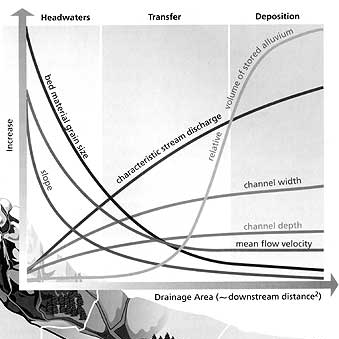
Figure 1: The Three Longitudinal Zones and Channel Characteristics. Reprinted with permission of Federal Interagency Stream Restoration Working Group (1998)
This article is not a lesson in how rivers function but Figure 1 is probably the most important graph in starting to understand how rivers function. It doesn’t just show function but shows diversity within the same water body, this should suggest even one river is not homogenous.
Blackwater
I should include this with a focus. Black water and botanicals, a growing popularity as people search for what is natural and what is not. As previously stated this style of fishkeeping is not representative of the diversity of freshwater ecosystems even within South America (Bogotá-Gregory et al., 2020). If we look at videos of rivers such as my favourite and a popular locality for Loricariids in the trade, the Rio Xingu there is little leaf litter in these localities opposed to largely biofilms If the reason for choosing black water is to replicate an ecosystem then I would argue against.
As a source of nutrients this is dependent on the water body in focus, even with high availability leaf litter is not always shown to be the source of energy opposed to algaes (Lewis et al., 2001). Any abiotic influences of botanicals particularly leaf litter is extremely diverse (Tonin et al., 2017). It’s not so simple basically.
I sound so very against botanicals but that is not my aim, my aim here is simply to say it is not always representative of tropical freshwater ecosystems. It has it’s place, a brilliant place, it provides enrichment and a way of replicating specific freshwater ecosystems e.g the Rio Negro. Of course there are other things to consider like oxygen saturation and waste removal in deep leaf litter, large amounts of nutrient introduction with certain botanicals e.g. palm leaves. The main point I’m making is, is it natural? Yes it is an attempt of replicating a freshwater ecosystem but is this the freshwater ecosystem of where the fish is found?
I think personally where black water has become increasingly possible many aquarists have taken it the wrong way.
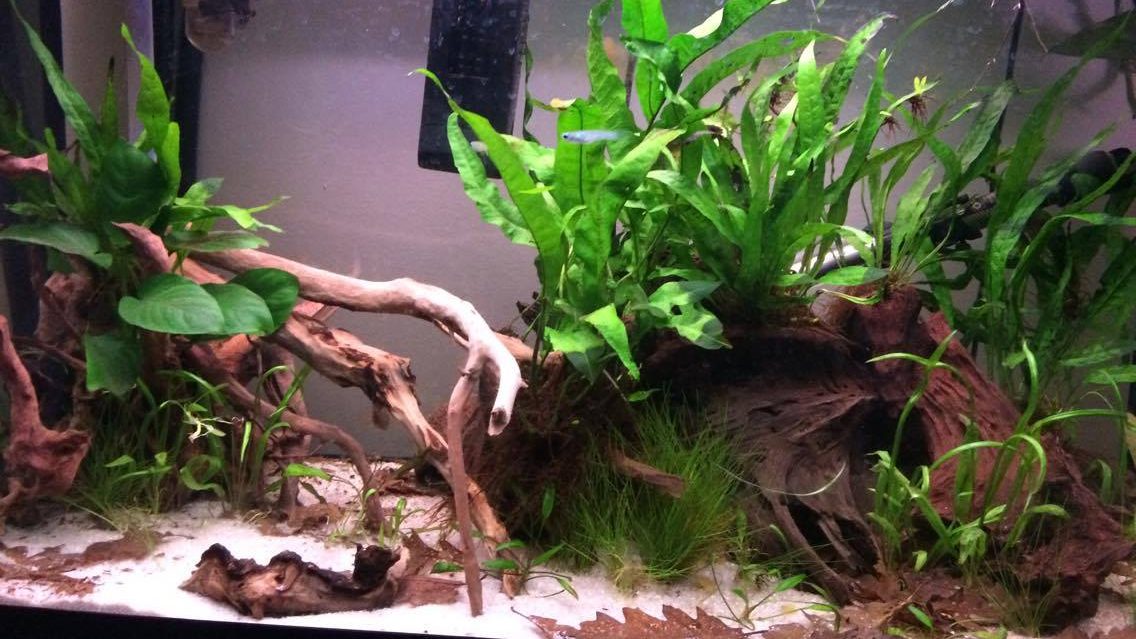
The Planted Aquarium
Planted aquariums have been a staple of the aquarium hobby probably since the start. Ponds as well as a vital part of British horticulture and landscaping have long used plants. Our use of them has changed a lot, maybe from functional to aesthetic and then functional? I wont discuss the function here as that is a whole other discussion that is much more complex but I will say simply, they do not make an aquarium more stable.
I have mentioned earlier how plants might not be present or found in large numbers in freshwater habitats (Murphy et al., 2019). The presence and availability of plants in freshwater ecosystems is limited by factors linked often to stream order such as sedimentation, light availability, nutrient availability etc. (Fig 1). In freshwater where there might not be the sediment available for plants to root down you might see microbes such as photosynthetic bacteria, algaes and protozoa where they can cling on but take advantage of the light. There are other elements of freshwater which might be harsh to plants, the lack of light availability further downstream but there are plants who have evolved adaptation to this e.g. water lilies, Nymphaea growing fast to the surface or floating plants.
Where botanicals have been used from the influence of biotopes the planted aquarium is quite different. A few years ago natural was coined by aquascapers to describe a planted tank and now to be a tank with just plants but strongly influenced from the work of controversial Diana Walstad. There are so many variabilities with these new natural planted aquariums they are so difficult to discuss variabilities such as plant species, nutrient diversity and misunderstanding of freshwater ecosystems they are difficult to discuss.
I come from a horticulture background, my father who always had a diversity of exotic plants before moving to allotments and my mother a professional gardener, many of my grandparents and family have connections to horticulture. I grew up watching BBC Gardeners World. This has meant understanding of plants and their care is the norm to me, I’ve had house plants since my first memories and was encouraged to have a garden. This information about me is not entirely important, but from a young age it was ingrained the importance of different compounds depending on the species of plant, the pH of the soil and many abiotic factors. I am also a house plant enthusiast so keep relatives or the plants we often keep on our aquariums. Many of these plants are not being kept as how they would be found in the wild, this effects their morphology and their growth. Nutrient availability particularly ratios of each compound is important for many plants. Soil is not soil or dirt, soil is a substrate that represents many different types.
This understanding of soil I feel lacks the biggest understanding in the hobby as there is a wide diversity of different soils, even the reptile hobby recognises this. We have clay, sand, silt, loam, peat and chalk according to the Royal Horticulture Society (https://www.rhs.org.uk/soil-composts-mulches/soil-types) but more importantly the combination of which massively effects how plants might grow and which plants. In aquariums we also have to think about algaes and other microbes who will take advantage of this nutrients. Like earlier the amount of one compound/nutrients can effect the uptake of another. In horticulture we are only thinking about the plants but aquariums there are other organisms, even in horticulture when thinking about other organisms we can go drastically wrong.
I don’t think I can easily explain this whole topic in one article. Planted tanks are often more human-centric. Aquascapes often focusing on the human requirements of aesthetics, maybe lacking hiding spaces or where a fish might need to dig, definitely worth thinking about. In comparison the recent popular planted aquariums don’t focus on the fishes, never mentioning fish biology.
Why do I discuss this?
I am a fishkeeper and a biologist but freshwater fishes are my passion. Of all the aspects of the hobby the word natural has been misused as a keyword. Maybe nothing I say here matters because it is used as clickbait more then often. What matters more is to research individual fishes and their biology. If you want to keep plants, keep plants but consider the fishes if you’re adding them.
My passion is largely Loricariids and rasping fishes, regarding black water and botanicals there are definitely a large number of Loricariids found in ecosystems with those, mostly representatives of the subfamilies Loricariinae and Hypoptopominae. These planted ‘natural’ aquariums often do not provide enough current, not enough water changes and not enough oxygen, temperature. This is likely due to Loricariids being seen as generalist even if that is a total myth.
References:
Bogotá-Gregory, J. D., Lima, F. C., Correa, S. B., Silva-Oliveira, C., Jenkins, D. G., Ribeiro, F. R., … & Crampton, W. G. (2020). Biogeochemical water type influences community composition, species richness, and biomass in megadiverse Amazonian fish assemblages. Scientific Reports, 10(1), 15349.
Eastwood, N., Zhou, J., Derelle, R., Abdallah, M. A. E., Stubbings, W. A., Jia, Y., … & Orsini, L. (2023). 100 years of anthropogenic impact causes changes in freshwater functional biodiversity. bioRxiv, 2023-02.
Faghihinia, M., Xu, Y., Liu, D., & Wu, N. (2021). Freshwater biodiversity at different habitats: Research hotspots with persistent and emerging themes. Ecological Indicators, 129, 107926.
Franco, L. S., Shanahan, D. F., & Fuller, R. A. (2017). A review of the benefits of nature experiences: More than meets the eye. International journal of environmental research and public health, 14(8), 864.
Lewis Jr, W. M., Hamilton, S. K., Rodríguez, M. A., Saunders III, J. F., & Lasi, M. A. (2001). Foodweb analysis of the Orinoco floodplain based on production estimates and stable isotope data. Journal of the North American Benthological Society, 20(2), 241-254.
Murphy, K., Efremov, A., Davidson, T. A., Molina-Navarro, E., Fidanza, K., Betiol, T. C. C., … & Urrutia-Estrada, J. (2019). World distribution, diversity and endemism of aquatic macrophytes. Aquatic Botany, 158, 103127.
Nyingi, D. W., Gichuki, N., & Ogada, M. O. (2013). Freshwater ecology of Kenyan highlands and lowlands. In Developments in earth surface processes (Vol. 16, pp. 199-218). Elsevier.
Schultz, R., & Dibble, E. (2012). Effects of invasive macrophytes on freshwater fish and macroinvertebrate communities: the role of invasive plant traits. Hydrobiologia, 684, 1-14.
Scott, S. E., Rozin, P., & Small, D. A. (2020). Consumers prefer “natural” more for preventatives than for curatives. Journal of Consumer Research, 47(3), 454-471.
Søndergaard, M., & Jeppesen, E. (2007). Anthropogenic impacts on lake and stream ecosystems, and approaches to restoration. Journal of applied ecology, 44(6), 1089-1094.
Simpson, D. A. (1986). Taxonomy of Elodea Michx in the British Isles. Watsonia, 16, 1-14.
Tonin, A. M., Goncalves Jr, J. F., Bambi, P., Couceiro, S. R., Feitoza, L. A., Fontana, L. E., … & Boyero, L. (2017). Plant litter dynamics in the forest-stream interface: precipitation is a major control across tropical biomes. Scientific Reports, 7(1), 10799.
Wilson, E. O. (2007). Biophilia and the conservation ethic. Evolutionary perspectives on environmental problems, 249-257.
Biological/Biochemical Oxygen Demand (BOD) is a topic we never discuss in the hobby, it refers to largely to the amount of oxygen that aerobic microorganisms use to remove or process waste (Brenniman, 1999) and are directly connected with oxygen saturation and nitrate concentration (Alam et al., 2020).
In a way the hobby talks so little about decomposition focusing on other aspects of nutrient cycling. For a fishkeeper that water changes, siphons and leaves little to no waste or items decaying in the aquarium it might not be of concern.
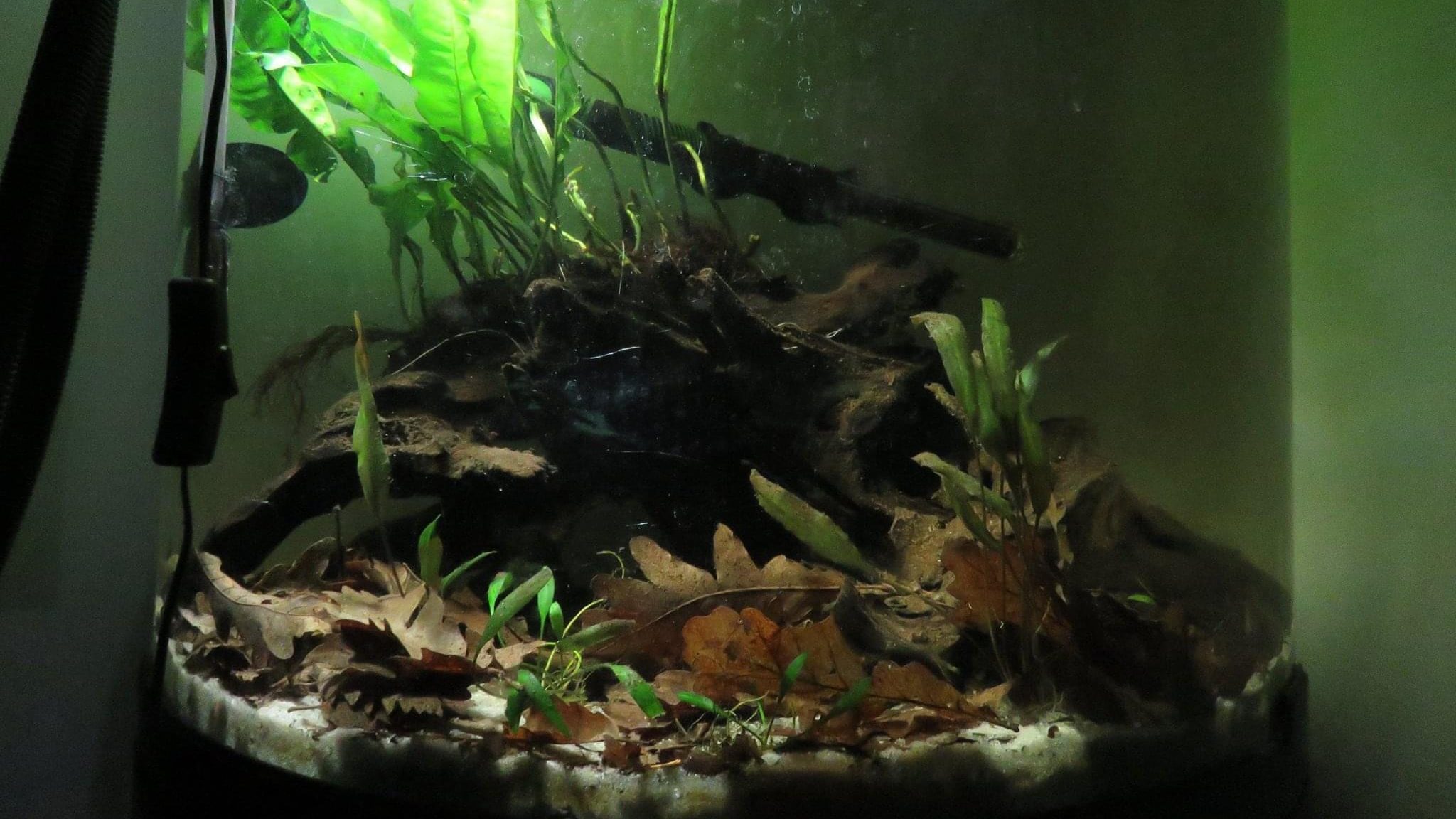
Botanicals and planted tanks are very popular as of recent with people reaching for some idea of nature they feel they have lost, natural or not. Both of these setups can allow for the trapping of waste where siphoning is not possible or limited. One solution is reduced stocking but definitely keeping fishes adapted for low oxygen saturations is a great solution such as airbreathers.
Decomposition of material such as decaying plants or botanicals involve bacteria, protozoa and other microorganism’s. It’s not just these as an introduction of nutrients but also anything that can be used as a nutrient source for bacteria, I find particularly sugars and carbohydrates. We can split them between aerobic (With oxygen) and anaerobic (without oxygen), anaerobic is another topic here but it does involve the production of other compounds. Just because there is a thick layer of substrate it doesn’t mean it is anaerobic particularly with the presence of plant roots that encourage oxygenation. We also don’t know the rate of either and this will depend on a variety of factors.
These microorganisms are more then capable of competing with fishes for oxygen and the rate will depend on multiple conditions (Nolan, 1996; El-Moghazy & El-Morsy, 2017). Microorganisms can proliferate much faster then fishes so can quickly adapt and increase to those higher nutrient levels.
The issue is that we can barely measure BOD but we can measure oxygen saturation. This means it is difficult to experiment the BOD within any aquarium so we do have to make assumptions.
Most of these are purely assumptions and ideas based on previous knowledge as it’s not so much a topic that the literature will look into. It’s also something fishkeepers certainly need to be thinking about or considering particularly for heavily stocked tanks or fishes who uptake a lot of oxygen.
Temperature, oxygen saturation and decomposition rate
It is a well known effect that as temperature increases oxygen saturation in turn decreases although when thinking about decomposition this increases as microbial decomposers can proliferate at a much faster rate and consume their resources further. This could result in further BOD when there are already low levels (El-Moghazy & El-Morsy, 2017).
Generally it’s better safe then sorry so removing detritus that has built up in the tank and within the filter. Decomposers are probably only providing a benefit maybe for plants but for fishes in many aspects discussed previously they are not of benefit. Any botanicals or high nutrient imputs should be added gradually over time so not to unload a lot of nutrients into the aquarium or when decaying again as much nutrients for these microbes and reducing oxygen saturation.
While we don’t have values and honestly, there is no way of doing that as every aquarium is difficult it’s difficult to predict.
References
Alam, M. S., Han, B., Gregg, A., & Pichtel, J. (2020). Nitrate and biochemical oxygen demand change in a typical Midwest stream in the past two decades. H2Open Journal, 3(1), 519-537.
Brenniman, G. R. (1999). Biochemical oxygen demand. Environmental Geology. Encyclopedia of Earth Science. Springer, Dordrecht. https://doi. org/10.1007/1-4020-4494-1_34.
El-Moghazy, M. M., & El-Morsy, A. M. (2017). Effect of water aquaria changes on growth performance of Nile tilapia Oreochromis niloticus and the relationship between bacterial load and biological oxygen demand. International Journal of Fisheries and Aquatic Studies, 5(3), 341-349.
Nolan, C. (1996). Ventilation rates for carassius auratus during changes in dissolved oxygen.
Is it the real villain botanical? The one we should all avoid.
Wood we all think we know what it is but can we describe what it is? Woody? We somewhat know what it does, for plants it gives them structure but also allows for the transportation of materials and water, it’s highly vascular allowing to transport different compounds and importantly water (Groover & Mansfield, 2020). Bare this in mind, it’s like a train network for the plant or blood vessels.
One of the most well known networks is known as xylem, these are the vessels that transport nutrients and water upwards (Kasper et al., 2022). On the other hand phloem, another set of vessels transports much of the nutrients around the plant; sugars and amino acids are some of the things (Killiny, 2019). Both using sap to transport these materials around the plant.
Lets cut to the chase though, plant toxins.
There are many different toxins plants use largely for preventing herbivory or maybe disease. These toxins can be potentially seasonal but more then often localised, like how you can eat a potato but not the leaves.
Toxins are also very taxa specific so there are definitely plants to avoid, if unsure of the species of if it’s safe don’t use. I cross out evergreens as an example but particularly conifers, notoriously toxic to most animals.
A quick list of woods/trees to avoid (Morgan, 2023):
Pines/conifers such as Ceder or Cypress.
Grape vines.
Ivy
Horse chestnut, Aesculus (not sure why?).
Yew, Taxus.
Walnut, Juglans.
Any Euphorbia.
In many cases except Euphobia it’s very difficult to know how it effects aquatic organisms due to a lack of studies.
Safe woods
So with a few definite safes like apple, cherry and pear fruit trees. Others like some of our deciduous trees in the UK; beech, sycamore, birch and oak.
And a reader might ask where are you references? Well this is because well time…. I could do an xyz of all the plants mentioned but then I couldn’t provide much other content. In addition what about the plants where you live? So I’m going to really talk about how I research what is safe and not.
Identify the species of tree, if I cannot do this I wont collect the wood. Many trees do have ivy attached so beware of that but you should be able to identify ivy from the tendrils.
Research: So it is great for the first go to use search terms like x tree toxic. Scientific names and the genus is a great idea too, there might be records on other species of that genus. Then I use the search term ‘journal’ to bring up scientific papers. Instead of toxic maybe sap, poison, aquatic life.
Critically analyse your sources. How are these plants toxic, what type of toxin and where on the plant is toxic?
It’s a mine field due to lack of research, most recommendations will be working off the same knowledge or educated assumptions.
Is fresh wood toxic?
There seems to be no logic or argument behind this idea. If a plant tissue is toxic it’s going to be toxic dry or fresh, that toxin isn’t going anywhere maybe unless you boil it. For tannin’s which are quite often the toxin in a few species of plants well they certainly aren’t going anywhere, don’t be mistaken though there are many different tannoid compounds.
Yet, like anything the right amount and right compound of tannins can be beneficial or neutral (Ashraf & Bengston, 2007; Peng et al., 2022).
Lets discuss the sap a little further.
Sap isn’t a toxin as explained earlier but it can transport toxins, we have already established how to identify toxic plants though. By removing the bark it doesn’t remove the vascularised areas of the wood, they are still there and as is the sap, drying out might be another argument.
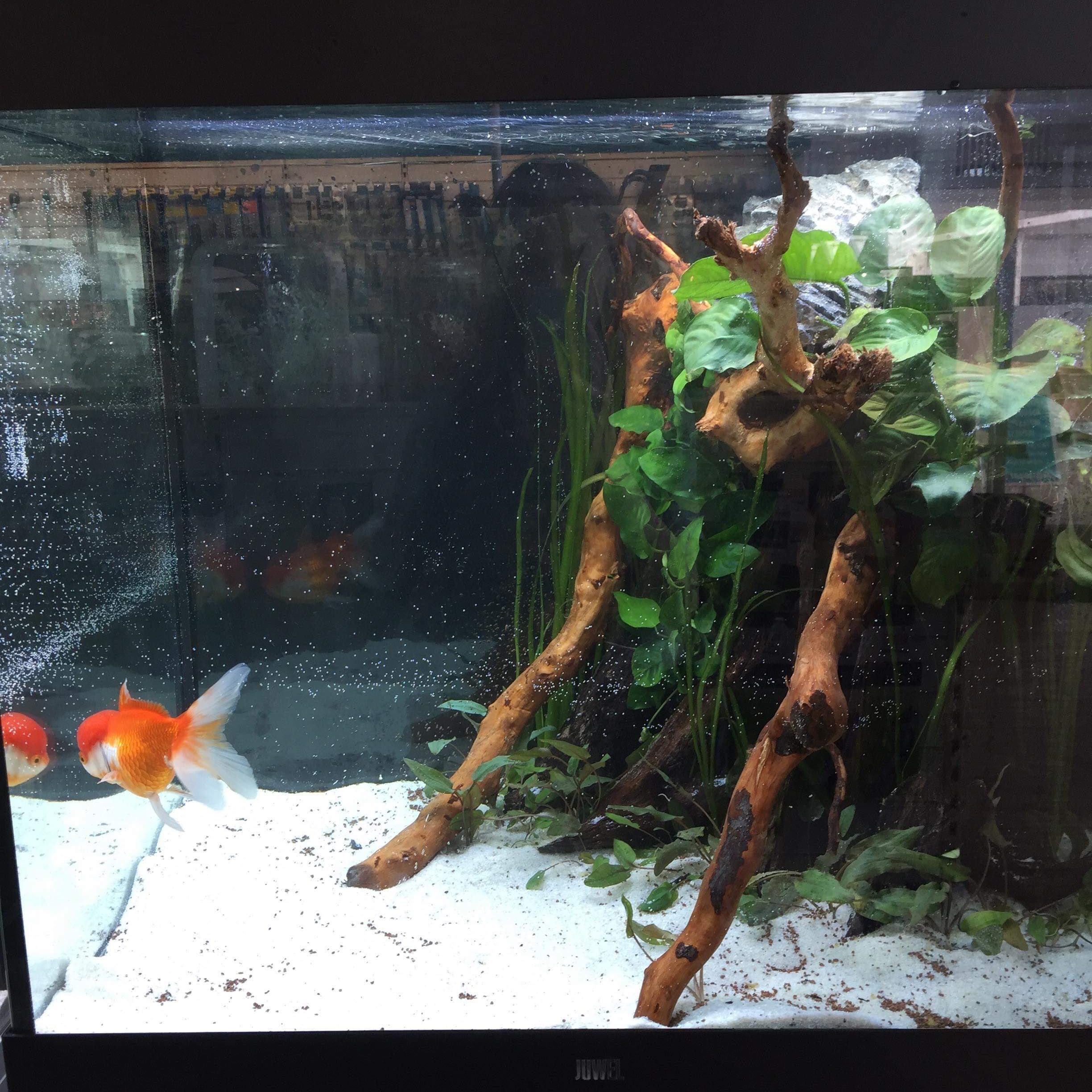
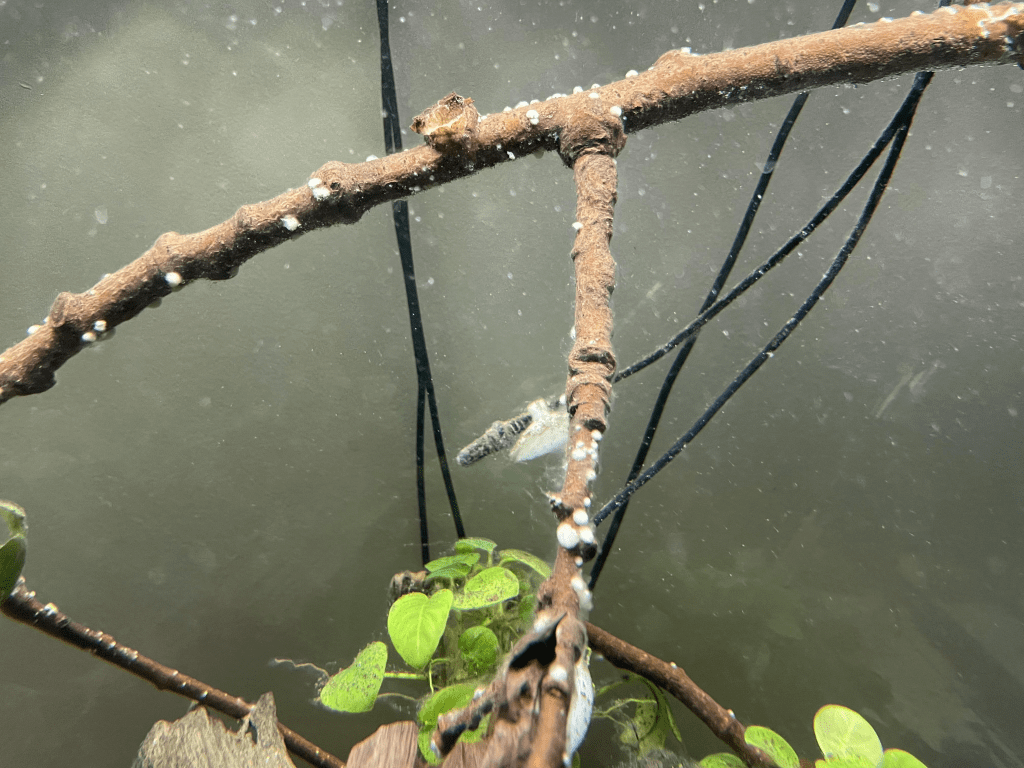
Just by the nature of what particularly the phloem is carrying it is very nutrient dense, as explained earlier, it transports nutrients. So any wood is going to carry quite a bit of nutrients, this nutrients definitely does encourage biofilms particularly and I find they grow extremely well at first, taking advantage of the nutrients while it can. Adding Poly-Filter can be beneficial here along with water changes to help control how much nutrients is present.
A great precaution just to control any bacterial blooms would be adding a little wood at a time over a few months.
We don’t really see these nutrient bursts in those woods you buy from aquarium stores, like they might have a short quick burst of growth but it really doesn’t last long. I partially think it’s how the woods are treated, many people boil them and the species used differ massively. Of course this is the only issue I see with fresh wood but then dried wood I can’t say I’ve experienced personally these blooms.
The time scale of any bacterial blooms or nutrient leakage seems to vary, some woods it definitely lasts much longer and maybe is more localised to notches, others is a bit more all over the plant.
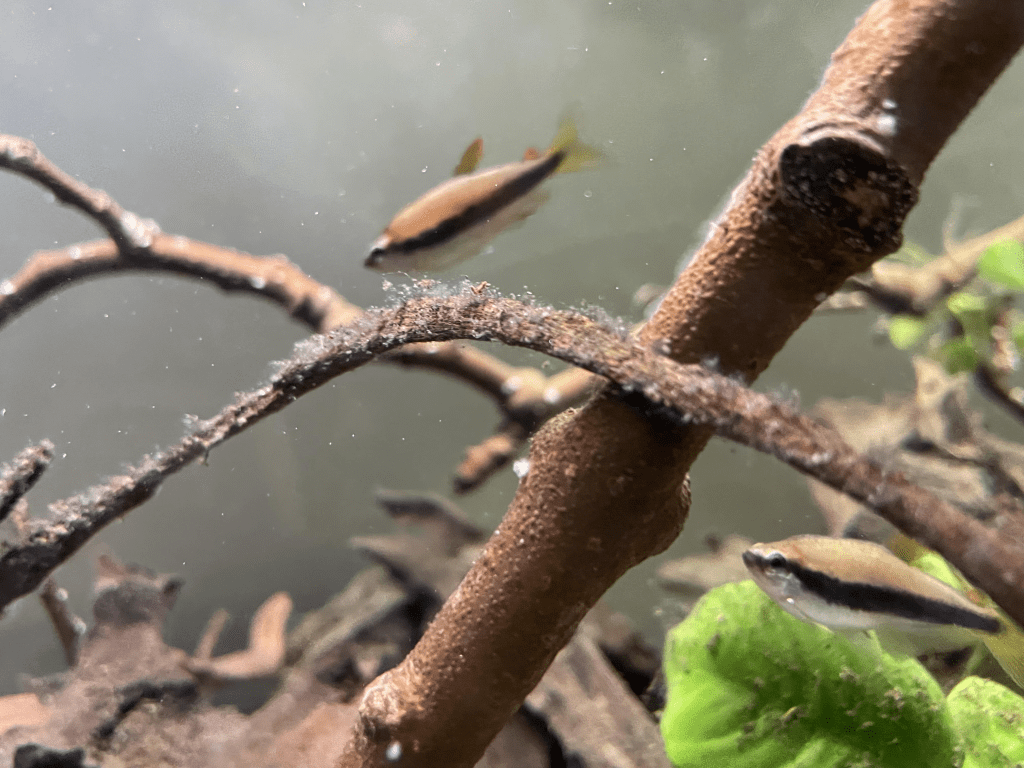
In my observation these biofilms aren’t utilised by the fishes I keep but I’d be curious how maybe smaller Loricariids, Hypoptopominae utilise them, snails do seem to.
Extra precautions for collecting wood from outside.
Ensure you collect from an area that has had no fertilisers or pesticides being sprayed, it would be a good idea to avoid areas with dog fouling.
As a good precaution definitely rinse the wood, if possible under the shower. Soaking might not be a bad idea just to help remove any potential residues.
References:
Ashraf, M., & Bengtson, D. A. (2007). Effect of tannic acid on feed intake, survival and growth of striped bass (Morone saxatilis) larvae. International Journal of Agriculture and Biology, 9, 751-754.
Groover, A., & Mansfield, S. D. (2020). An introduction to a Virtual Issue on Wood Biology. New Phytologist, 225(4), 1401-1403.
Kasper, K., Abreu, I. N., Feussner, K., Zienkiewicz, K., Herrfurth, C., Ischebeck, T., … & Polle, A. (2022). Multi‐omics analysis of xylem sap uncovers dynamic modulation of poplar defenses by ammonium and nitrate. The Plant Journal, 111(1), 282-303.
Killiny, N. (2019). Collection of the phloem sap, pros and cons. Plant signaling & behavior, 14(8), 1618181.


 The Scientific Fishkeeper