The use of various items produced by bees is popular within our daily lives, the most commonly used product being honey. The health benefit of products related to bees have been noticed for many hundreds maybe thousands of years from anti-microbial properties to general health. Honey maybe isn’t the most practical in the aquarium but two products you might find; bee pollen and propolis.
What is bee pollen?
Bee pollen is literally just the pollen collected by the bees. It is generally collected by forcing the bees to enter the hive through smaller then normal holes so the pollen drops below to be collected. This possibly puts a lot of pressure on the hive depending on how this is done.
What is the purpose of bee pollen in the aquarium?
Bee pollen is a dietary additive, there is a rising popularity in regards of this ingredient for people and perhaps this is the source of the idea. While it is an interesting ingredient and for those that might feed on fruit there could be a benefit. The actual benefits in general are debatable, with an omnivorous/carnivorous Clarias sp. catfish there were many physiological benefits shown up to 1% addition (Nowosad et al., 2022). When bee pollen was added to the diet of the insectivore zebrafish, Danio rerio there is no shown benefits to physiology but improve viral resistance (Di Chiacchio et al., 2021). In Nile tilapia, Oreochromis niloticus liver regeneration is shown to occur when fed bee pollen (Picoli et al., 2019).
What is propolis?
Propolis is the compounds and structures that seal the hive and the waxy structures that the hive is built on. It originates from the waxy areas of plants such as buds.
What is the purpose of propolis in the aquarium?
It’s not particularly common in aquariums but you might find the produce available more within the koi hobby. This product is used largely to seal wounds not just for protection against microbes entering them but also if you want to seal in a treatment. There does seem to be little research into the topic although some of the compounds do show promise when it comes to wound healing (Wibowo et al., 2021) and nutrition (Farag et al., 2021). More importantly there seems to be no papers onto any toxicity of propolis which is somewhat promising but could also be useful to cross out.
Conclusion
A very brief article I guess as to what could apply to the aquarist, it seems there needs a lot more research but I wouldn’t be afraid to use it. Personally I think bee pollen could be great for promoting feeding in fishes due to the sugars present. It’s something I think we could explore further.
References:
Di Chiacchio, I. M., Paiva, I. M., de Abreu, D. J., Carvalho, E. E., Martínez, P. J., Carvalho, S. M., … & Murgas, L. D. S. (2021). Bee pollen as a dietary supplement for fish: Effect on the reproductive performance of zebrafish and the immunological response of their offspring. Fish & Shellfish Immunology, 119, 300-307.
Farag, M. R., Abdelnour, S. A., Patra, A. K., Dhama, K., Dawood, M. A., Elnesr, S. S., & Alagawany, M. (2021). Propolis: Properties and composition, health benefits and applications in fish nutrition. Fish & Shellfish Immunology, 115, 179-188.
Nowosad, J., Jasiński, S., Arciuch-Rutkowska, M., Abdel-Latif, H. M., Wróbel, M., Mikiewicz, M., … & Kucharczyk, D. (2022). Effects of bee pollen on growth performance, intestinal microbiota and histomorphometry in African catfish. Animals, 13(1), 132.
Picoli, F., Lopes, D. L. D. A., Zampar, A., Serafini, S., Freccia, A., Veronezi, L. O., … & Emerenciano, M. G. C. (2019). Dietary bee pollen affects hepatic–intestinal histomorphometry of Nile tilapia fingerlings. Aquaculture Research, 50(11), 3295-3304.
Wibowo, I., Utami, N., Anggraeni, T., Barlian, A., Putra, R. E., Indriani, A. D., … & Ekawardhani, S. (2021). Propolis can improve caudal fin regeneration in zebrafish (Danio rerio) induced by the combined administration of Alloxan and glucose. Zebrafish, 18(4), 274-281.
It is frequently understood that ornamental fish nutrition differs from food fish nutrition due to differing aims, yet many fish feeds use the same ingredients (Yanong, 1999; Vucko et al., 2017). Much of the research into fish nutrition no doubt due to funding focuses on aquaculture (farming fishes) the concept of efficiency, a fish farmer wants a fish to grow large in as minimal time (usually months) as possible for as little cost as possible. This opposes the fishkeepers who want a diet to give the fish longevity, colour and long term reproductive success, there is also a higher focus on the welfare element as fishes are our pets.
A large factor is there are many species of ornamental fishes across many different fish groupings, this proposes a challenge as reflected in this is the wide range of dietary niches that fishes can exhibit. There are carnivores which can be split into different invertebrate specialist, generalists and also piscivores. Herbivory which can be split into frugivores, algivores, plant eaters and many different specialist and generalist niches. Detritivory also exists and while often classified as feeding on decaying matter in the aquatic sense this could be many things from microbial matrices crossing over a lot with algivory to a mixture of unidentified matter. Omnivory does exist but it is often vague to clearly state a fish is an omnivore as there are few which broadly generalize. And while clades can be generalized such as Loricariids being largely algivores and detritivores, there are carnivores; similarly for Cichlidae the majority are carnivores but there are many exceptions verging into algivory. An important concept as above is generalism vs specialism, the degree of specialism varies between clades and this differs largely between captivity and the wild (Golcher-Benavides and Wagner, 2019). This poses a particular issue for the ornamental aquarist as many aquarium diets fall along the lines of generalism, the ingredients do not largely differ between many products and even brands. This means that even offering a range of different products doesn’t always cater for diversity or all the dietary niches of the fishes you have in the aquarium.
It is always advisable to research the wild diet of the fishes as this will give a good idea of the dietary niche a fish has evolved for over hundreds or thousands of years. Often there are clues in the morphology of the fish, such as head shape, pharyngeal jaw shape and dentition (Burress, 2016). Well known hobby ideas of fish diets can lack fact checking such as the common misconception of Symphysodon (discus fishes) being carnivores yet their wild diet follows more algivory/detritivory (Crampton, 2008) and their morphology is most similar to Tropheus (Fraser et al., 2009), a known algivore. There does remain issues with understanding of wild fish diets, there can be frequent gaps or sampling errors. Such as the original understanding behind the diets of Corydoradinae was based on aquarium fishes, not the wild fishes so it would be better to identify gut analysis and isotope studies of the wild fishes (Alexandrou et al., 2011).
What are the basic nutritional requirements of ornamental fishes?
Like any animal there are broadly the same categories here; carbohydrates, lipids, proteins, vitamins and minerals.
Proteins These are the nutritional requirements many will state of importance with fishes being high and low protein dependent. Although the idea of herbivores having a lower protein requirement then carnivores in the aquatic world fails to understand the high protein levels of algae’s opposed to the terrestrial vascular plants. Different sources of protein do have different volumes of different amino acid and this is important to recognize. This is arguably more important then the actual volume of protein along with accessibility of the protein source. Algivorous fishes might have a lower requirement for protein (Vucko et al., 2017; Yanong, 1999). A large factor of protein requirements is the fishes age, temperature and genetics, as with any nutrient all juvenile fishes will require higher nutrition then those whose growth rate has plateaued more. Excessive protein also increases ammonia production.
Carbohydrates are used as an energy source for many fishes. It is understood that starch unlike cellulose is the utilized form for many ornamental fish feeds, many herbivores and omnivores do not require carbohydrates. Excessive carbohydrates can prevent protein and sugar uptake (Yanong, 1999).
Lipids are another energy source and important for ornamental fishes (Vucko et al., 2017; Yanong, 1999) particularly for spawning fishes who will require them for egg development.
Vitamins and minerals are a complex and diverse topic given how many are vital for life within fishes, without them it can lead to many health issues. I would encourage the reader to read Yanong (1999; https://www.researchgate.net/publication/12102293_Nutrition_of_Ornamental_Fish) for details into this. Some of these vitamins and minerals are taken through diet and others through water, when it comes to water uptake this must be considered with the wild water parameters of the fishes as where calcium is low in the water uptake must be largely from diet. The mineral content of diets can be vague although the total volume is reflected in what is called ash. No, ash isn’t literal ash it means mineral content as when you burn down a diet all that is left is the minerals.
Colour enhancers, this is a concept that is frequently mentioned in food reviewed largely in reference to a diversity of carotenes. While it will always be stated in marketing and social media as a benefit to a fish feed, most fish feeds contain red enhancers of some kind, this is largely a benefit to most fishkeepers excluding those with yellow discus who will change their colour when feeding on it.
Largely these requirements are so complex it’s tricky to address them with one diet when we keep so many species.
Why might change be needed in what we feed our fishes?
Seeing as many farmed fishes diets do not replicate their wild diets, many do not replicate a diversity in fish diets that is the start. Maybe sometimes they do in the labels but the ingredients do, when a diet aimed at algivores has the same ingredients as one aimed at carnivores. For algivores we already know just one algae can compete with a commercial mix of many ingredients which says a lot (Vucko et al., 2017).
It has become clear that diet is key in the health of a fish with diet influencing the development of tumours (cancer; Spitsbergen et al., 2012), liver damage (Rašković et al., 2011) and other health conditions (Žák et al., 2022). There is the potential of poor fecundity and reproductive lifespans on certain diets although could require further exploration. Many fishes we just don’t see them grow to their adult sizes let alone spawn and mortality might be high where they can refuse to feed on traditional captive diets.
References:
Alexandrou, M. A., Oliveira, C., Maillard, M., McGill, R. A., Newton, J., Creer, S., & Taylor, M. I. (2011). Competition and phylogeny determine community structure in Müllerian co-mimics. Nature, 469(7328), 84-88.
Burress, E. D. (2016). Ecological diversification associated with the pharyngeal jaw diversity of Neotropical cichlid fishes. Journal of Animal Ecology, 85(1), 302-313.
Crampton, W. G. (2008). Ecology and life history of an Amazon floodplain cichlid: the discus fish Symphysodon (Perciformes: Cichlidae). Neotropical Ichthyology, 6, 599-612.
Fraser, G. J., Hulsey, C. D., Bloomquist, R. F., Uyesugi, K., Manley, N. R., & Streelman, J. T. (2009). An ancient gene network is co-opted for teeth on old and new jaws. PLoS biology, 7(2), e1000031.
Golcher-Benavides, J., & Wagner, C. E. (2019). Playing out Liem’s paradox: opportunistic piscivory across Lake Tanganyikan cichlids. The American Naturalist, 194(2), 260-267.
Vucko, M. J., Cole, A. J., Moorhead, J. A., Pit, J., & de Nys, R. (2017). The freshwater macroalga Oedogonium intermedium can meet the nutritional requirements of the herbivorous fish Ancistrus cirrhosus. Algal research, 27, 21-31.
Rašković, B., Stanković, M., Marković, Z., & Poleksić, V. (2011). Histological methods in the assessment of different feed effects on liver and intestine of fish. Journal of Agricultural Sciences (Belgrade), 56(1), 87-100.
Spitsbergen, J. M., Buhler, D. R., & Peterson, T. S. (2012). Neoplasia and Neoplasm-Associated Lesions in Laboratory Colonies of Zebrafish Emphasizing Key Infl uences of Diet and Aquaculture System Design. Ilar Journal, 53(2), 114-125.
Yanong, R. P. (1999). Nutrition of ornamental fish. Veterinary Clinics of North America: Exotic Animal Practice, 2(1), 19-42.
Žák, J., Roy, K., Dyková, I., Mráz, J., & Reichard, M. (2022). Starter feed for carnivorous species as a practical replacement of bloodworms for a vertebrate model organism in ageing, the turquoise killifish Nothobranchius furzeri. Journal of Fish Biology, 100(4), 894-908.
I commonly get asked what I’d feed different groups of pleco’s and it does vary by the pleco, Loricariid but also by what is available in your country. Some genera are more generalist and forgiving then others, some will withstand a less then ideal diet for maybe a few decades and others a few months/days.
While I would love to provide more details some I cannot list yet or am not entirely clear on some aspects of a species dietary ecology. So this should hopefully help for now.
I shall split it up by diet, some species might feed on a different diet to what you expect so please search for the genus/species.
The majority of Loricariids are algivores and detritivores so this contains the larger amount of categories.
Algivores
This is one of the largest categories as many Loricariids specialize in different algae’s, biofilms etc. But due to mode of feeding and availability of ingredients I will kind of have to generalize. Due to this the algae growing in the aquarium might be the wrong species so the fish might not feed on it, regardless any algae in the aquarium will not sustain most species long term.
Prepared diets:
Repashy Super Green
Repashy Soilent Green (you can add in extra algae powders to bulk it out, fishes seem to prefer this diet).
Making your own Algivore Diet
This is a trial as it seems Repashy is becoming unavailable in many countries. I have done many different trials and tests but am still developing something.
Nutritional ingredients:
These are the main ingredients and should make up at least 80% of the nutritional ingredients used but can makeup the whole diet minus gelling agents (Vucko et al., 2017). Percentages might vary, ideally try to include higher volumes of those highlighted in bold, not all will be available so try to include as wide of a diversity of possible. High spirulina content might take a while for the fishes to get used to. Seaweeds will need to be blended or might not be eaten.
Chlorella algae (Vital)
Spirulina algae (Vital)
Seaweed meal (Vital)
Kelp meal (vital)
Wakame algae (vital)
Nori (Vital)
Bladderwrack
Other human consumption seaweeds and algaes.
Potentially mosses, never tried but are recorded in Loricariid diets.
Herbal ingredients:
These should be very limited excluding the mushrooms I wouldn’t go above around 1-2% per ingredient.
Paprika, associated with red enhancing.
Mushrooms, dried or powdered while not entirely known it is potential they feed on fungi in the wild. While edible mushrooms might not be the same taxa it does seem to be a taste enhancer for fishes at least.
Basil, associated with improved physiological and immunological health while being an attractant (Mansour et al., 2023).
Ginger, feed attractant and immunological support (Ahmad et al., 2024).
Garlic, I don’t always use it but feed attractant with potential immunological support but can cause liver damage.
Seeds, particularly found in the guts of Hypancistrus and potentially Peckoltia. Higher in fats and proteins.
Gelling agents:
I would recommend using carrageenan powder due to it lasting longer then the alternatives. I would use this regardless as to whether it is a carnivorous or herbivorous diet.
Who are the algivores that we keep?
Ancistrus
Baryancistrus
Dekeyseria
Farlowella
Hemiancistrus
Hypostomus
Isorineloricaria
Lamontichthys
Lasiancistrus
Nannoptopoma
Otocinclus
Panaque
Panaqolus
Parancistrus
Parotocinclus
Pseudancistrus
Pseudorinelepis
Pterygoplichthys
Rhinotocinclus
Spectracanthicus zuanoni/punctasissimus
Sturisoma/Sturisomatichthys
This diet will cover most of Loricariidae but particularly these genera, while they might be also more detritivorous in the wild this is the closest we can get to their natural diet.
Regarding Hypancistrus, Peckoltia and potentially Panaqolus I would add seeds to their diet and maybe look at the addition of infrequent invertebrates.
A little more carnivorous
If you want to increase the volume of carnivorous ingredients, Loricariids don’t consume fishes in the wild so we will be looking at invertebrates. Due to the presence of thiaminase in some ingredients I do not recommend the frequent use of mussels or prawns.
So as you’re looking more into carnivory I would increase the volume of these ingredients, luckily for carnivorous ingredients you could feed as a frozen or live food they have to forage.
Ingredients:
Daphina
Brine shrimp
Tubifex
Bloodworm (Chironomatid larvae).
Cockels
Mysis
Red plankton
Ant eggs
Earthworms
Cyclops
Whiteworms
Blackworms
Vinegar worms
What about molluscivores?
Scobiancistrus, Leporacanthicus, Pseudohemiodon, Loricaria and Planiloricaria are likely capable on feeding on mussels and occasionally this is proven. A diversity of snails can be trialed for the Scobinancistrus and Leporacanthicus larger species such as Ampulluridae would be ideal as these are evolved to extract snails from their shells, escargot snails that are not treated with garlic would be interesting to explore. For others then smaller snails whether it be juveniles of harder species of pest snails.
Plant eaters
Realistically many Loricariids do not consume traditional plants so often these are best to identify if a fish is feeding or not. Some very broad generalist taxa might consume more like Pterygoplichthys and Hypostomus.
Using other premade foods as a base.
This is largely only possible with gel diets but possibly some pastes. The main rule is not to add so many that the gelling agent doesn’t hold as well as it used to but also this will depend on how fast your fishes feed.
What base diets can you use?
Repashy. It does have a wide range of other ingredients.
In the Bag Tropical Fish UK’s pleco pops. Very strong gelling agents and true carnivorous and herbivorous diets.
EBO pastes
Tropical’s gels/pastes
Testing diets to identify if they are being used.
Glass petri dishes can be ideal here as they sink and are inert, you can pipette or place food on and ideally it will not be disturbed over the time you are not observing the food being eaten. Therefore it can be a reliable method of identifying what is taken and what is not.
References:
Ahmad, I., Irm, M., Ahmed, I., Haoran, Y., Taj, S., Bhat, T. A., … & Amin, A. (2024). Role of ginger in fish nutrition with special emphasis on growth, health, gut and liver morphology. Journal of the World Aquaculture Society, 55(6), e13101.
Mansour, A. T., Diab, A. M., Khalil, R. H., Eldessouki, E. A., El-Sabbagh, N., Elsamannoudy, S. I., & Younis, N. A. (2023). Physiological and immunological responses of Nile tilapia fed dietary supplementation of sweet basil ethanolic and aqueous extracts. Frontiers in Marine Science, 9, 1064455.
Vucko, M. J., Cole, A. J., Moorhead, J. A., Pit, J., & de Nys, R. (2017). The freshwater macroalga Oedogonium intermedium can meet the nutritional requirements of the herbivorous fish Ancistrus cirrhosus. Algal research, 27, 21-31.
While it is not always obvious Loricariids all have teeth and they show a wide range of morphological disparity (Lujan & Armbruster, 2012). Morphological disparity refers to that range of different anatomy within a group. Unlike many fishes Loricariids are rarely gape limited, their prey (that includes algae) is not limited by the size of their mouth and this makes comparison with traditional fishes like carp or cichlids limited.
Figure 1: Pterygoplichthys joselimaianus jaw, a typical jaw for Loricariidae.
Loricariids feed largely by a rasping motion, this is extremely similar to how snails feed. Snails also have teeth on a ribbon like organ known as a radula (Fig 2).
Figure 2: Snail body plan including the mouth anatomy. Unknown source.
Both snails and Loricariids use their jaws, containing the teeth to basically scrape at a surface (rasp), it can be the food item itself but it could be rocks or wood to extract food.
Figure 3: Leporacanthicus joselimai
While I say the majority of Loricariid jaws are similar to snails not all are, there are carnivorous genera such as Pseudohemiodon or Scobinancistrus who differ in how they move and function. Carnivorous genera have elongate fewer teeth with often narrower oral jaws but can be much more robust (Fig 3), or in some those oral jaws are almost entirely just the jaws, reduced tooth cups. It’s easy to say these carnivores are using different morphology for the same solution to carnivory but maybe in a different place, one feeds amongst crevices (those with the elongate teeth and jaws) and others amongst the substrate (those with reduced jaws). We do have a slight exception with Spatuloricaria, an obvious substrate feeder but it seems to use the substrate a little differently and feed on different invertebrates.
Figure 4: Gastropod radula diversity. Krings, W., Kovalev, A., & Gorb, S. N. (2021). Collective effect of damage prevention in taenioglossan radular teeth is related to the ecological niche in Paludomidae (Gastropoda: Cerithioidea). Acta Biomaterialia, 135, 458-472.
Snails, Gastropods have long been studied in terms of their radula diversity (Fig 4), I assume this is due to the fact when you’re dealing with preserved snails there are fewer tissues to identify the species. Additionally they make great models for understanding how anatomy relates to morphology, ecomorphology. Gastropods are everywhere and it’s easy to find those that scrape algae’s off rocks vs more carnivorous gastropods. To put it simply though, Gastropods feed by rasping and their teeth are uniquely shaped to what they are feeding on.
I think even just ignoring carnivory Loricariidae shows a wide diversity of tooth morphological disparity but there is little studies regarding that in relation to their ecology. Plenty of these studies focus on the development and morphology (Geerinckx et al., 2007). What there is is a fascinating study looking at another part of the fishes anatomy that could be similar, the unculi, small protrusions on the oral disc’s of the fishes. While the study focuses on how these structures allow for the fishes to inhabit certain habitats, could these also function in a similar fashion to radula?
Figure 5: The diversity of Loricariid teeth, Geerinckx, T., De Poorter, J., & Adriaens, D. (2007). Morphology and development of teeth and epidermal brushes in loricariid catfishes. Journal of morphology, 268(9), 805-814.
The diversity of Loricariid tooth morphological diversity is clear (Geerinckx et al., 2007) and we clearly see that Loricariids have a diversity of diets beyond herbivory and carnivory (Lujan et al., 2012), whatever they really mean to aquatic animals.
When looking outside of carnivory there is clear differences in morphology, none are so much clearer then those Loricariids that utilize wood. These genera display clearly spoon shaped teeth even if these genera (Panaqolus, Panaque, Hypostomus cochliodon group etc.) do not digest the wood and it is simply where they might find food. Compared with carnivores such as Leporacanthicus, these have more elongate teeth but it depends on where they are accessing their food. This difference is also reflected in gastropods whether they be snails or slugs have evolved teeth on their radula that reflect not just their diet but the methods they use to extract it. Elongate pointed teeth infers carnivory whereas further cusps leans towards herbivory. Perhaps carnivory requires less complexity to herbivory and I assume largely as carnivory relies on more then the teeth to extract food.
References:
Geerinckx, T., De Poorter, J., & Adriaens, D. (2007). Morphology and development of teeth and epidermal brushes in loricariid catfishes. Journal of morphology, 268(9), 805-814.
Krings, W., Konn-Vetterlein, D., Hausdorf, B., & Gorb, S. N. (2023). Holding in the stream: convergent evolution of suckermouth structures in Loricariidae (Siluriformes). Frontiers in Zoology, 20(1), 37.
Krings, W., Kovalev, A., & Gorb, S. N. (2021). Collective effect of damage prevention in taenioglossan radular teeth is related to the ecological niche in Paludomidae (Gastropoda: Cerithioidea). Acta Biomaterialia, 135, 458-472.
Lujan, N. K., & Armbruster, J. W. (2012). Morphological and functional diversity of the mandible in suckermouth armored catfishes (Siluriformes: Loricariidae). Journal of Morphology, 273(1), 24-39.
Cichlids, cichlidae are no doubt the classic model group for the study of evolution, they display a wide diversity of morphology in both the America’s and Africa (Arbour & López‐Fernández, 2024; Santos et al., 2023). There are 1727 species in the group cichlidae making this family currently the largest family of fishes. (Fricke et al., 2024). Cichlids both sides of the Atlantic are popular in the aquarium hobby, partially due to their diversity (no doubt colouration) but also their comparatively heightened aggression compared to other clades. No doubt aggression is where many people empathize with with these fishes.
Symphysodon tarzoo, the green discus but also includes some browns and blues.
What do cichlids specialize in?
Not unexpected, many species lack a complete understanding of their diet to say what they are actually feeding on. This is a vast topic given the number of species, there are algivores (algae specialists) such as reported in Tropheus (Wagner et al., 2009) to piscivory in peacock bass, Cichla (Aguiar‐Santos et al., 2018). No doubt given I said that Tropheus are reported algivores means I can’t find any solid evidence that they are, this is certainly a topic that needs the right wording and ambiguity included where it might be unsure.
Morphology
Much of the research into cichlid morphological disparity has long focused on the jaws. Cichlids like many fishes have two pairs of jaws. The oral jaws evolved for prey capture, the pharyngeal jaws evolved for prey processing (Fraser et al., 2009). To some extent the lips might also provide a purpose in some fishes in some fishes to move a surface to extract food further as seen in other fishes (Krings et al., 2023; Cohen et al., 2023).
Figure 1: The jaws of a typical cichlid as featured in: Fraser, G. J., Hulsey, C. D., Bloomquist, R. F., Uyesugi, K., Manley, N. R., & Streelman, J. T. (2009). An ancient gene network is co-opted for teeth on old and new jaws. PLoS biology, 7(2), e1000031.
These two pairs of jaws can be diverse in shape and structure but the teeth further vary between individuals and species.
Cichlids display a very traditional head shape that reflects most other fishes. The oral jaw is often gape limited and evolved to reach forwards to remove or capture a prey item. Realistically no cichlids lack this.
Earlier I mentioned Tropheus being algivores yet it doesn’t seem there is any solid evidence that they exclusively are but we can look at the fishes morphology. They are extremely similar to a fish we know likely consumes a lot of bacteria, algae and similar microbes, discus, Symphysodon (Crampton, 2008). These fishes are not related and this similar morphology is likely due to convergent evolution. Both display a shorter blunter head with strong lips, similar to silver dollars and pacu, Serrasalmidae who some force to break apart at that ‘herbivorous matter’ (Cohen et al., 2023), but they do take it to a more extreme level given they are feeding on plant and fruit matter not algaes and bacteria. Tropheus display some densely packed oral teeth (Richardson-Coy, 2017). This differential oral, mouth morphology could really be due to the differences in what is required to feed on different algaes and in fact, Tropheus are confirmed to specialize in diatoms (Richardson-Coy, 2017), diatoms cling to a surface so much more then the more loose algae/biofilm based diet of Symphysodon (Crampton, 2008) so the more numerous teeth would be more effective. Tropheus oral teeth remind me much more of the jaws of Baryancistrus and similar Loricariids who are scraping algaes of rocks. These teeth might be much more useful for feeding on those Discus, Symphysodon display reduced pharyngeal jaws (Burress, 2016) as this diet might not require the same level of processing as plant matter (hence Serrasalmidae have large robust oral teeth). It seems unclear as to the morphology At the end of the day algivores are diverse, no more needs said but just look at the diversity of algivores in Loricariidae, the queens of algivory/detritivory.
In comparison to Tropheus and Symphysodon would be those that specialize in fishes, Cichla as mentioned before has that large and explosive jaw to reach and consume fish. Fishes are a comparatively more difficult food item to obtain then anything herbivorous so quickly grabbing food much more ahead is beneficial.
The position of jaws is a big clue as to what fishes feed on, terminal mouth’s point forward inferring feeding in front of the fish and is usually associated with carnivory. An inferior mouth points downwards so feeding from the bottom, benthic usually associated with invertebrates and herbivory. Superior mouth’s point upwards and therefore specialize in feeding from the surface. We can clearly see while not extreme Tropheus particularly has an inferior mouth whereas Cichla, being a piscivore is terminal.
While these jaw shapes I mention cover the more traditional cichlids we cannot forget the earth eaters, those fishes who find their food in the substrate, shifting and moving around the sand or silt. While this is generally associated with many Geophagini such as Geophagus, Satanoperca but this clade does include species who are limited in this ability to move substrate e.g. Apistogramma, Mikrogeophagus. Distantly related to these other South American genera is Retroculus, another ‘earth-eater’ (Lopez-Fernandez et al., 2012). The substrate feeding trophic niche seems mostly associated with South American cichlids but it is found in the Rift Valley, although much of this behaviour might be more about breeding sites. Interestingly, it seems these substrate interacting cichlids are more then often mouth-brooders. Substrate digging seems much common in many more Rift Valley clades we keep.
The interesting thing some what I can infer from Burress (2016) is that while jaw shapes might be similar tooth shapes seem divergent between neotropical (fishes from the America’s) and old world (Africa, Asia etc.) regardless of a shared niche. This seems to move away from convergent evolution and multiple solutions to the same problem, the same problem as I noticed being a similar diet.
Tropheus spp. sourced from Wikipedia.
Liem’s Paradox
This is the biggest part of the cichlid story. To put simply Liem’s paradox is the fact that while fishes might display specialist diets and morphology, they still are capable of generalization. This theory is based on the behaviour and morphology of Rift Valley cichlids (Liem, 1980). This I can assume is some factor limiting morphology for further specialization in morphology, and we see these extreme specializations in other clades e.g. Loricariidae, Gymnotiformes and Moryridae. This plays out in the wild where algivores, Lepidophages (scale specialists) and other niches are shown to feed on fishes when given the chance (Golcher-Benavides & Wagner, 2019). Perhaps there is a nutritional reason, but just because a fish will eat something it doesn’t mean they eat it frequently or it is good for them. This plays out in our aquariums, discus Symphysodon will eat smaller tetra yet they are detritivores and Rift Valley algivorous cichlids (Hata et al., 2014).
It is well accepted that fishes feed and act very differently in the aquarium to how they would in the wild but it does occur in the fishes natural habitats (Golcher-Benavides & Wagner, 2019). This theory in fishes is largely based on Rift Valley cichlids, it’s quite clear that Tropheus are much more capable of generalism then Symphysodon. This opportunistic generalism would be limited by certain specialist morphology e.g. the body shape of Symphysodon or mouth shape of angelfish (Pterophyllum). The Symphysodon is limited in it’s ability to feed on fishes and invertebrates but the Pterophyllum is limited in it’s ability to eat algae’s.
This might not be so much of a simple topic with so many taxa. With the focus on Africa, there is so much we seem not to know about the South American clades despite their diversity. Regardless many cichlids while specialist do not seem to take it to the extreme, this might be behind their diversity but also why unlike clades like Siluriforme, they are limited in that morphological disparity.
References:
Aguiar‐Santos, J., deHart, P. A., Pouilly, M., Freitas, C. E., & Siqueira‐Souza, F. K. (2018). Trophic ecology of speckled peacock bass Cichla temensis Humboldt 1821 in the middle Negro River, Amazon, Brazil. Ecology of Freshwater Fish, 27(4), 1076-1086.
Arbour, J. H., & López‐Fernández, H. (2014). Adaptive landscape and functional diversity of Neotropical cichlids: implications for the ecology and evolution of Cichlinae (Cichlidae; Cichliformes). Journal of evolutionary biology, 27(11), 2431-2442.
Burress, E. D. (2016). Ecological diversification associated with the pharyngeal jaw diversity of Neotropical cichlid fishes. Journal of Animal Ecology, 85(1), 302-313.
Cohen, K. E., Lucanus, O., Summers, A. P., & Kolmann, M. A. (2023). Lip service: Histological phenotypes correlate with diet and feeding ecology in herbivorous pacus. The Anatomical Record, 306(2), 326-342.
Crampton, W. G. (2008). Ecology and life history of an Amazon floodplain cichlid: the discus fish Symphysodon (Perciformes: Cichlidae). Neotropical Ichthyology, 6, 599-612.
Fraser, G. J., Hulsey, C. D., Bloomquist, R. F., Uyesugi, K., Manley, N. R., & Streelman, J. T. (2009). An ancient gene network is co-opted for teeth on old and new jaws. PLoS biology, 7(2), e1000031.
Golcher-Benavides, J., & Wagner, C. E. (2019). Playing out Liem’s paradox: opportunistic piscivory across Lake Tanganyikan cichlids. The American Naturalist, 194(2), 260-267.
Hata, H., Tanabe, A. S., Yamamoto, S., Toju, H., Kohda, M., & Hori, M. (2014). Diet disparity among sympatric herbivorous cichlids in the same ecomorphs in Lake Tanganyika: amplicon pyrosequences on algal farms and stomach contents. Bmc Biology, 12, 1-14.
Krings, W., Konn-Vetterlein, D., Hausdorf, B., & Gorb, S. N. (2023). Holding in the stream: convergent evolution of suckermouth structures in Loricariidae (Siluriformes). Frontiers in Zoology, 20(1), 37.
Liem, K. F. (1980). Adaptive significance of intra-and interspecific differences in the feeding repertoires of cichlid fishes. American zoologist, 20(1), 295-314.
Lopez-Fernandez, H., Winemiller, K. O., Montana, C., & Honeycutt, R. L. (2012). Diet-morphology correlations in the radiation of South American geophagine cichlids (Perciformes: Cichlidae: Cichlinae). PLoS One, 7(4), e33997.
Richardson-Coy, R. (2017). Feeding Selectivity of an Algivore (Tropheus brichardi) in Lake Tanganyika. PhD Thesis
Santos, M. E., Lopes, J. F., & Kratochwil, C. F. (2023). East African cichlid fishes. EvoDevo, 14(1), 1.
Wagner, C. E., McIntyre, P. B., Buels, K. S., Gilbert, D. M., & Michel, E. (2009). Diet predicts intestine length in Lake Tanganyika’s cichlid fishes. Functional Ecology, 23(6), 1122-1131.
While my fascination is largely with Loricariids, rasping species are interesting. Unlike the majority of fishes who are limited in what they can eat by the size of their mouth rasping fishes are not and yet ecologically seem very misunderstood. It’s also no lie that I have a soft spot for loaches and have kept quite the diversity of different species.
Sewellia breviventralis
Balitoridae are those dorsio-ventrally flattened loaches from the group Cypriniformes, often referred to the superfamily Cobitoidea. So while Balitoridae are commonly confused with pleco’s, Loricariids they are actually more closely related to carp, barbs and minnows.
Phylogeny of loaches, Cobitoidea from: Wang, Y., Shen, Y., Feng, C., Zhao, K., Song, Z., Zhang, Y., … & He, S. (2016). Mitogenomic perspectives on the origin of Tibetan loaches and their adaptation to high altitude. Scientific reports, 6(1), 29690.
There are many genera we keep under this group in the trade, the most common being Sewellia lineaolata but otherwise followed by a variety of species from the genera Pseudogastromyzon and Gastromyzon. Occasionally other genera appear but as by catch many other Sewellia come into the trade such as SEW001 and S. breviventralis. If you want a rare fish and can do some research, it’s not difficult to find something rare or unusual in this group.
Not all have this extreme suction cup-like morphology, some are much more elongate.
The Habitats
As the name suggests these fishes seem to be highly riverine, rocks and high velocity water. There is little to no botanicals, wood and certainly no plants but this clear water (Randall et al., 2023) is where algae can thrive where plants cannot compete. These fishes thrive in a habitat more similar to some Ancistrus, Chaetostoma or Astroblepus would in South America.
Balitoridae Diets
Balitoridae no doubt shows likely a wide range of diets, there doesn’t seem to be the research on them. While few studies exist of these fishes diets the evidence suggests the genus Pseudogastromyzon feeds largely on algaes, both cyanobacteria and traditional Chlorophytic algaes (Fig 1; Yang & Dudgeon, 2010).
Figure 1: Pseudogastromyzon myersi stomach contents from: Yang, G. Y., & Dudgeon, D. (2010). Dietary variation and food selection by an algivorous loach (Pseudogastromyzon myersi: Balitoridae) in Hong Kong streams. Marine and Freshwater Research, 61(1), 49-56.
Although a later study inferred Pseudogastromyzon myersi feeds on 60-100% of their diet is algaes, with a lot of diversity. In comparison another genus with a similar body morphology, Liniparhomaloptera while feeding on largely algae’s displayed a diet of largely 6-20% invertebrates (Mantel et al., 2004). This is also displayed in Homaloptera sp. which feeds on around 13-14% insects, although the majority of their diet is detritus (Fuadi et al., 2016). As discussed before detritus is a vague classification and could realistically mean anything, it is most likely ‘bacteria’ over waste. A large amount of invertebrates consumed by Homaloptera is ostracods and aquatic larvae, it seems that they feed on minimal algae’s (Nithirojpakdee et al., 2014).
The most unusual thing seems to be this is the only study on the diet of Balitoridae, the majority of studies as with other groups has focused in their phylogenetics and taxonomy (Yang, 2008).
Surprisingly here we have a really good comparison of morphology just externally, compare Gastromyzon, Sewellia etc. with Liniparhomaloptera and immediately their head is much wider. We can some what assume a wider head correlates with a wider jaw and wider jaws, more numerous teeth correlates with a more algivorous diet (Lujan & Armbruster et al., 2012). If we look at the ventral morphology of these fishes one has much wider jaws then the other, Pseudogastromyzon has comparatively wider jaws and general head size then Liniparhomaloptera but is still wider then Homaloptera. The two former species, similar to Sewellia display jaws more similar to Loricariids, plate like jaws with numerous teeth.
Gastromyzon on the left, Sewellia on the right. Image source from: Willis, J., Burt de Perera, T., Newport, C., Poncelet, G., Sturrock, C. J., & Thomas, A. (2019). The structure and function of the sucker systems of hill stream loaches. bioRxiv, 851
There is some obvious jaw diversity in Balitoridae, the mouth of Gastromyzon is much wider then the curved mouth of Sewellia (Willis et al., 2019). I can assume that Gastromyzon is much more similar to Pseudogastromyzon ecologically and regarding diet although they are not closely related (Shao et al., 2020). There is no doubt either species probably feeds on a large amount of algae and other microbial films, but without any ecological records we can only assume.
The shape of the jaw isn’t just about taking up the food but can also be related to being able to extract that food item, while wide, those curved jaws could infer a niche involving extracting microbes from the cracks in rocks and between rocks. Although these cracks, fishers etc. are unlikely to have as many of these microbial films compared to where invertebrates might find refuge. There could be a rugosity aspect as if that habitat has rocks that are naturally bumpy it makes sense to have those more curved jaws then a long jaw which could be unable to access some of these films. A bit like a hoover, you have one part for large flat areas and another to deal with areas that aren’t so flat.
Unlike Loricariids I do not feel looking at their jaws they quite share the exact same niche as they seem to lack the same morphology. Perhaps this is exclusive to siluriformes and there are rasping catfishes in Africa and Asia.
The mouth of Pseudogastromyzon fasciatus as featured in: Chen, J., Chen, Y., Tang, W., Lei, H., Yang, J., & Song, X. (2023). Resolving phylogenetic relationships and taxonomic revision in the Pseudogastromyzon (Cypriniformes, Gastromyzonidae) genus: molecular and morphological evidence for a new genus, Labigastromyzon. Integrative Zoology.
Similar to Loricariids (Krings et al., 2023) it’s is likely not just about the skeletal anatomy that infers diet. The soft tissues at the mouth could play a role as displayed in Chen et al. (2023), there are many ridges on the mouth of the Pseudogastromyzon included these might play a role in sticking to surfaces in their high velocity environment but perhaps when feeding aid in the removal of algaes from a surface.
What should you feed hillstream loaches?
Regardless of the diversity of Balitoridae diets, the majority of their diet is still either detritus and/or algae’s. So I’d build up from that then maybe including a small range of frozen foods for them to forage for.
A brand like Repashy soilent green would be ideal, it is largely algaes with some invertebrates. Alternatively if you can find the algae based New Life Spectrum, AlgaeMax but a product under the same name is higher in fish meals. In the Bag Tropical Fishkeeping UK’s pleco pops would also be great.
It is really tricky to find diets that contain a reasonable volume of algae’s, even if they are listed as algae wafers. Vegetables and cereals do not make up nutritionally for algaes either. At the end of the day if you can’t get these diets then these fishes are not tricky to feed and making your own gel diet is possible, I will maybe write an article about that in future.
References:
Chen, J., Chen, Y., Tang, W., Lei, H., Yang, J., & Song, X. (2023). Resolving phylogenetic relationships and taxonomic revision in the Pseudogastromyzon (Cypriniformes, Gastromyzonidae) genus: molecular and morphological evidence for a new genus, Labigastromyzon. Integrative Zoology.
Fuadi, Z., Naira, K. B., & Hasri, I. 2016. HABITS EATING FISH OF ILI (Homaloptera Sp.) PESTAK RIVER DISTRICT IN CENTRAL ACEH INDONESIA.
Krings, W., Konn-Vetterlein, D., Hausdorf, B., & Gorb, S. N. (2023). Holding in the stream: convergent evolution of suckermouth structures in Loricariidae (Siluriformes). Frontiers in Zoology, 20(1), 37.
Lujan, N. K., & Armbruster, J. W. (2012). Morphological and functional diversity of the mandible in suckermouth armored catfishes (Siluriformes: Loricariidae). Journal of Morphology, 273(1), 24-39.
Mantel, S. K., Salas, M., & Dudgeon, D. (2004). Foodweb structure in a tropical Asian forest stream. Journal of the North American Benthological Society, 23(4), 728-755.
Nithirojpakdee, P., Beamish, F. W. H., & Boonphakdee, T. (2014). Diet diversity among five co-existing fish species in a tropical river: integration of dietary and stable isotope data. Limnology, 15, 99-107.
Randall, Z. S., Somarriba, G. A., Tongnunui, S., & Page, L. M. (2023). Review of the spotted lizard loaches, Pseudohomaloptera (Cypriniformes: Balitoridae) with a re‐description of Pseudohomaloptera sexmaculata and description of a new species from Sumatra. Journal of Fish Biology, 102(1), 225-240.
Shao, L., Lin, Y., Kuang, T., & Zhou, L. (2020). Characterization of the complete mitochondrial genome of Balitora ludongensis (Teleost: Balitoridae) and its phylogenetic analysis. Mitochondrial DNA Part B, 5(3), 2308-2309.
Wang, Y., Shen, Y., Feng, C., Zhao, K., Song, Z., Zhang, Y., … & He, S. (2016). Mitogenomic perspectives on the origin of Tibetan loaches and their adaptation to high altitude. Scientific reports, 6(1), 29690.
Willis, J., Burt de Perera, T., Newport, C., Poncelet, G., Sturrock, C. J., & Thomas, A. (2019). The structure and function of the sucker systems of hill stream loaches. bioRxiv, 851592.
Yang, Y. (2008). The ecology of a herbivorous fish (Pseudogastromyzon myersi: balitoridae) and its influence on benthic algal dynamics in four HongKong streams. HKU Theses Online (HKUTO).
Yang, G. Y., & Dudgeon, D. (2010). Dietary variation and food selection by an algivorous loach (Pseudogastromyzon myersi: Balitoridae) in Hong Kong streams. Marine and Freshwater Research, 61(1), 49-56.
Bloodworm has been a food that has been discouraged against for around 10 or more years. There has never been any doubt that many fishes feed on Chironomatid larvae in the wild (Delariva & Agostinho, 2001; Valtierra-Vega & Schmitter-Soto, 2000), even discus feed on them (Crampton, 2008). Chironomatid larvae being the more scientific name for bloodworm. You might have even seen these larvae in your pond, buckets or similar.
Bloodworms as featured in: Paice, R. (2016). Assessment of mosquito larvicide impacts on aquatic invertebrates in the Vasse-Wonnerup Wetland System.
So why are bloodworms so feared?
I don’t think there is a true origin to this, it is still one of the most common live and frozen foods used, it’s cheap and easy to find. Maybe there are still some aspects of when tubifex was feared due to sewage contamination.
Bloodworm being the larvae of an insect does have a casing, known as an exoskeleton formed of chitin. This can be difficult to digest and for some fishes impossible, although many species are possibly sold as bloodworm it’s likely there is some diversity. There are reports of constipation and similar caused by bloodworm, although bloating is tricky and can have many causes from bacterial infections to a food item not being processed.
Bloodworm is not the entire diet of any fishes I’ve researched and when fed as an entire diet it results in liver enlargement and and poorer body condition (Žák et al., 2022), these results are similar to Hao et al. (2021) where removing to a formulated diet increases general health of the fish.
I chose this topic to find reasons that I am wrong, that bloodworm is much better then I thought it was. It doesn’t seem bad for fattening up fishes but does seem to come with a variety of problems, as a result I think I will continue to recommend Tubifex.
The real worm to try
Tubifex is a relatively common live, frozen and freeze dried food available. Unlike bloodworm it’s an annelid, true worm and is fully aquatic. It lacks the thick chitin casing of bloodworms, making them much more easy to digest. To cultivate they are less tricky given their lifestyle but do need a constant flow of freshwater.
Unlike bloodworm, Tubifex was vilified for years, this amazing genus is extremely adaptable. This adaptability has meant that Tubifex can be found in the most hostile and polluted habitats and at one time this is where they were collected for the aquarium trade. Due to being collected from very polluted habitats it was not the most ideal live food to avoid pollution. Frozen will be another story as most are gamma irradiated, killing most bacteria on them. But for many years Tubifex is farmed in a clean and sustainable matter.
Unlike bloodworm Tubifex is very high in nutrition (Herawati et al., 2016) and has shown to increase growth when mixed with a prepared diet (Alam et al., 2021) even when compared to other live foods (Mellisa et al., 2018).
Human health
Bloodworm is a known allergen leading to asthma (Wu et al., 2005; Nandi et al., 2014). As someone who is not a medical practitioner I cannot offer much advice, allergies can occur at any time and it is good to be cautious. When dealing with bloodworm, handling particularly wearing disposable gloves can be a good idea, using a tub to defrost it in. It does beg the question given it is quite a common allergen whether to use it at all? In my experience I have met very few people who are allergic to bloodworm.
References:
Alam, M. A., Khan, M. A., Sarower-e-Mahfuj, M. D., Ara, Y., Parvez, I., & Amin, M. N. (2021). A model for tubificid worm (Tubifex tubifex) production and its effect on growth of three selected ornamental fish. Bangladesh Journal of Fisheries, 33(2), 205-214.
Crampton, W. G. (2008). Ecology and life history of an Amazon floodplain cichlid: the discus fish Symphysodon (Perciformes: Cichlidae). Neotropical Ichthyology, 6, 599-612.
Delariva, R. L., & Agostinho, A. A. (2001). Relationship between morphology and diets of six neotropical loricariids. Journal of Fish biology, 58(3), 832-847.
Hao, Q., Teame, T., Wu, X., Ding, Q., Ran, C., Yang, Y., … & Zhou, Z. (2021). Influence of diet shift from bloodworm to formulated feed on growth performance, gut microbiota structure and function in early juvenile stages of hybrid sturgeon (Acipenser baerii× Acipenser schrenckii). Aquaculture, 533, 736165.
Herawati, V. E., Nugroho, R. A., Hutabarat, J., & Karnaradjasa, O. (2016). Profile of amino acids, fatty acids, proximate composition and growth performance of Tubifex tubifex culture with different animal wastes and probiotic bacteria. Aquaculture, Aquarium, Conservation & Legislation, 9(3), 614-622.
Mellisa, S., Rahimi, S. A. E., & Umiati, U. (2018). The effect of different live feeds on the growth and survival of comet goldfish Carrasius auratus auratu larvae. In IOP Conference Series: Earth and Environmental Science (Vol. 216, No. 1, p. 012025). IOP Publishing.
Nandi, S., Aditya, G., Chowdhury, I., Das, A., & Saha, G. K. (2014). Chironomid midges as allergens: evidence from two species from West Bengal, Kolkata, India. Indian Journal of Medical Research, 139(6), 921-926.
Valtierra-Vega, M. T., & Schmitter-Soto, J. J. (2000). Feeding habits of cichlid species (Perciformes: Cichlidae) in Caobas lake, Quintana Roo, Mexico. Revista de Biologia Tropical, 48(2-3), 503-508.
Wu, K. C., Räsänen, K., & Hudson, T. J. (2005). Fishing for allergens: bloodworm-induced asthma. Allergy, Asthma & Clinical Immunology, 1, 1-2.
Žák, J., Roy, K., Dyková, I., Mráz, J., & Reichard, M. (2022). Starter feed for carnivorous species as a practical replacement of bloodworms for a vertebrate model organism in ageing, the turquoise killifish Nothobranchius furzeri. Journal of Fish Biology, 100(4), 894-908.
Loricariidae, also known under the common names L numbers, whiptail catfishes and pleco’s are popular fishes within the aquarium trade. Many people will come across the problem in their new fish where they will not eat and in fact they might never eat.
Worming
The first sign might be that the fish might have a concaved stomach and the first solution will be to worm the fish. I doubt this is the usual cause of the concave stomach in Loricariid’s but it is worth crossing out, Loricariids do quite frequently have parasitic worm’s (usually nematodes rather then Annelid’s) in the wild and these will maintain at a low level (Borges et al., 2018). If a fish is stressed such as from import this parasite load can become much higher then a healthy level. So there is logic in worming fishes when they arrive and most stores do this. Most wormers cover different internal parasites but the most common would be containing praziquantel, levamisole and flubendazole (do not use with stingrays). I would personally advise definitely not using more then one as they do all have side effects. Generally wormers need to be repeated after a week to cover the parasites lifecycle.
Panaqolus aff. maccus
The importance of getting the fish feeding.
While a rounded and healthy diet is important for wild caught fishes particularly they do need to feed. It is quite a large jump for many from a wild diet to a captive diet and many might not even identify it as food.
More importantly it is possible that the gut flora, microbes will start to decline in number while they are not eating and for shipping this is useful but not for keeping the fish. One possible thing that could help this is rather then adding them to a clean quarantine tank is to one where other similar species have lived, there is likely a benefit from those fishes waste in rebuilding that gut flora lost after shipping.
What should I feed my fish?
First identify what they eat, so their natural diet. While most diets contain the steryotypical fish/insect/krill meal, cereal, vegetable and minimal algae diets this is no issue in the short term but many wont touch these diets at first. So regardless of long term them being vastly different from their natural diet and homogenous whether you have a Trophius, Loricariid or angelfish they actually are the same (Vucko et al., 2017); they can also be unhelpful.
This is important as feeding an incorrect diet can lead to bloat and other issues, it has been commonly noted when Hypancistrus are fed a wholly carnivorous diet.
Carnivorous species
This is only for true carnivores but aspects of this can be fed to others in small numbers with care, avoid it with some of the more extreme algivores such as Ancistrus, Chaetostoma, Baryancistrus etc.
Mussels and prawns are very good for getting a fish feeding at first but the issue with these two food items at high in thiaminase and therefore degrade thiamin, vitamin b1.
Generally for this reason I’d advise a range of frozen foods and for some larger species earthworms might not be a bad choice.
Nannopotopoma sp. ‘Peru/robocop’ at Maidenhead Aquatics at Ascot
Algivores and Detritivores
This includes most Loricariids that people keep to some degree but the specialities within their diet are best looking at later.
These are definitely the most tricky to get feeding at first and I often give a range of options even at the same time. Generally I’d offer that dry/gel diet once or twice a day and vegetables replaced every 12-24 hours depending on how quickly they are braking down.
For dry/gel diets I’d offer certainly Repashy soilent green if possible as I’ve never had a fish fail to give it a go. Later on I’d bulk it out with other ingredients such as algal powders, you could do similar with other gel diets but I can’t say fishes are going to take up them as well. At the end of the day whatever they are eating in the short term is worth it. Remember vegetables and similar are more treats as do not even closely replicate their wild diets.
Vegetables and other easy food items you can leave in for the fishes:
Courgette
Reasonable in nutrition, is willingly eaten by many fishes but they might select either the flesh or skin over the other.
Cucumber
While often declared as low nutrients due to water content they do contain minerals and other compounds that have nutritional value.
Mushrooms (Edible species from supermarket)
Could be part of a staple diet for Panaqolus, Panaque and Hypostomus cochliodon group as they do feed on fungi in the wild (Lujan et al., 2011). It is difficult to say the nutrition levels for these fishes as many might be able to digest more so then nutritional estimates for humans. So far mushrooms are shown to increase weight gain opposed to traditional diets (Zakaria et al., 2021; Dawood et al., 2010), a potential prebiotic (Chandra & Qureshi, 2023) and other potential benefits (Sánchez-Velázquez et al., 2014)
Sweet Potatoes
These doesn’t need to be blanched and I am not convinced by their digestibility for Loricariids (Omoregie et al., 2009) but if they can get the fish feeding that is what matters.
Further on I find whether fishes feed on these more hit and miss.
Green beans
The common bristlenose, Ancistrus sp. is meant to be a big fan of this. Nutrition doesn’t need to be debated but as a plant would be more of a treat after acclimation.
Bell peppers
I don’t think it entirely matters whether the pepper is red, yellow or green but the sugar and nutrition levels will vary.
Pumpkins and other squashes
I find very hit or miss but never blanched them. They can break down very quickly producing a film over the fruit. I would say they are much more similar to courgette.
Later on and narrowing down the diet
While whatever they will eat is generally the best rule as they are acclimatizing over the first few weeks and months. Afterwards I would look to narrowing down their diet to what they would feed on in the wild as in the articles mentioned earlier on.
Is the setup right?
This sometimes get’s forgotten but a major part of why a fish might not be feeding could be they are not getting to the food. Loricariids are slow to feed, some might take hours even without lights to feed and this can make some tankmates ill-suited. Some tankmates might work better where if needed you can remove them to another tank so that is worth considering particularly for many cichlids, many shoaling species in very high numbers or quite a few live numbers.
Planiloricaria cryptodon at Maidenhead Aquatics at Ascot.
References:
Borges, W. F., de Oliveira, M. S. B., Santos, G. G., & Tavares-Dias, M. (2018). Parasites in Loricariidae from Brazil: checklist and new records for fish from the Brazilian Amazon. Acta Scientiarum. Biological Sciences, 40, 1-9.
Chandra, O. P., & Qureshi, Y. (2023). Importance of mushroom supplementation as a prebiotic amalgamation in fed diet of improvement of weight gain (WG) in Nile Tilapia,(Oreochromis niloticus). Journal of Pharmaceutical Negative Results, 1681-1687.
Dawood, M. A., Eweedah, N. M., El-Sharawy, M. E., Awad, S. S., Van Doan, H., & Paray, B. A. (2020). Dietary white button mushroom improved the growth, immunity, antioxidative status and resistance against heat stress in Nile tilapia (Oreochromis niloticus). Aquaculture, 523, 735229.
Lujan, N. K., German, D. P., & Winemiller, K. O. (2011). Do wood‐grazing fishes partition their niche?: morphological and isotopic evidence for trophic segregation in Neotropical Loricariidae. Functional Ecology, 25(6), 1327-1338.
Omoregie, E., Igoche, L., Ojobe, T. O., Absalom, K. V., & Onusiriuka, B. C. (2009). Effect of varying levels of sweet potato (Ipomea Batatas) peels on growth, feed utilization and some biochemical responses of the cichlid (Oreochromis Niloticus). African Journal of Food, Agriculture, Nutrition and Development, 9(2), 700-712.
Sánchez-Velázquez, J., Peña-Herrejón, G. A., & Aguirre-Becerra, H. (2024). Fish Responses to Alternative Feeding Ingredients under Abiotic Chronic Stress. Animals, 14(5), 765.
Vucko, M. J., Cole, A. J., Moorhead, J. A., Pit, J., & de Nys, R. (2017). The freshwater macroalga Oedogonium intermedium can meet the nutritional requirements of the herbivorous fish Ancistrus cirrhosus. Algal research, 27, 21-31.
Zakaria, Z., Abd Rasib, N. A., & Tompang, M. F. (2021). Spent mushroom substrate based fish feed affects the growth of catfish (Clarias gariepinus). In IOP Conference Series: Earth and Environmental Science (Vol. 765, No. 1, p. 012082). IOP Publishing.
Little seems known about the diet of Corydoradinae, it might be due to a generalization of the genus but also a lack of understanding of their ecology. For scientists it is a relatively small genus from a small family, Callichthyidae which also contains genera such as Megalechis, Hoplosternum and Aspidoras.
Brochis bethanae CW006 also known as the Narcisso Corydoras taken at Maidenhead Aquatics, Ascot
There is no doubt that Corydoras feeds largely as a carnivore but as a term that is very vague. These fishes are hardly hunting down capybara that enter the water or swarming round the carcasses of fishes. Carnivory purely just refers to the fact an animal eats an animal, and what is defined as an animal is just Animalia which is a gigantic category of organisms. Animalia covers from the simple sponges and corals all the way to molluscs, mammals and fishes, it includes some strange organisms as well like bryozoa and jellyfish. Each of these animals will have different nutritional compositions, some toxins but also accessibility. It is well known that insectivores (carnivores that specialize on insects) are not able to access nutrition from fishes, mammals etc. efficiently (Žák et al., 2022), this also increases nitrogenous waste. There might be other aspects of nutrition commonly missed such as perhaps the importance of chitin? It’s very difficult to digest, too much and the food item wont be processed, too little might result in blockages. It reminds me very much of the bloodworm used in the aquarium trade having a strong chitin casing compared to the chromatid larvae the fishes are likely eating in the wild. I have seen bloodworm pass out the fish as if it hadn’t been eaten at all, even carnivorous fishes. Not just does carnivory cover a wide range of different nutritional profiles and species but also modes of feeding. It is very different to catch and feed on a whole fish as it is to maybe feed on scales (lepidophagy), break down snails (durophagy), maybe extract a snail from it’s shell etc. Carnivory is so obviously diverse compared to herbivory but it still is best visualized like a field of grass, all grass specialists but put sheep, cattle and horses out and they will all feed on very different parts of the grass.
What I am emphasizing is not to generalize any dietary category and just fall to the general diets for fishes. Carnivory is just a man made category regardless and doesn’t reflect realistically aquatic dietary niches.
Corydoradinae has previously been identified as an omnivore by Nijssen (1970) although only used aquarium fishes as evidence. This paper records them feeding on fallen leaves of which I find particularly strange. Although a particular fondness for invertebrates is noted, particularly tubifex and daphina, identifying the worms using their highly evolved sense of smell/taste. This record is later referenced in Alexandrou et al. (2011) but also noted that they feed on algae, insects, zooplankton and annelids. Algae I would not be surprised that is consumed but I do not believe they are targeting it, much like invertebrates are found in small numbers the guts of grazing Loricariids.
Isotope analysis was used to compare different lineages of Corydoras and identify any partitioning in where and what they feed on. Different lineages display divergent nutritional profiles between different genera of Corydoradinae based on head shape, eye placement and body depth. There is a clear difference between the diet of the longer snouted and shorter snouted Hoplisoma and Gastrodermus, I can assume due to the depths of substrate that can be exploited by either. These longer snouted, Corydoras are referenced as feeding on a lower trophic level (Alexandrou et al., 2011). This could infer on feeding on more algaes but maybe those lower trophic level invertebrates such as worms who would be lower down in the substrate then predatory invertebrates.
The shorter to medium snouted Hoplisoma paleatum, the peppered ‘Corydoras‘ is recorded as feeding largely on fly larvae such as chromatid’s with a small addition of nematode’s. Algae and plant fragments are recorded in the gut but near minimal volumes, less then substrate ingested (Bertora et al., 2021).
So the picture of what Corydoradinae eat in the wild is unclear.
The Dietary Morphology of Corydoras
Figure 1: Hoplisoma trilineatum skeletal anatomy produced by computerized tomography (CT) scanning. Produced by: Lowe, A., Summers, A. P., Walter, R. P., Walker, S., & Paig-Tran, E. M. (2021). Scale performance and composition in a small Amazonian armored catfish, Corydoras trilineatus. Acta Biomaterialia, 121, 359-370.
Again, an unclear topic. We know Corydoradinae have oral jaws (Fig 1) at the front of the head humongous with our the general vertebrate jaw. These oral jaws contain teeth (Huysentruyt et al., 2011) but there seems to have been no exploration of the diversity of these teeth. These oral jaws are very similar to other invertivores (feeds on invertebrates), being elongate to extract food items out of crevices or the substrate.
What is not researched is the secondary pair of jaws found in most fishes, the pharyngeal jaws. While the oral jaws in fishes are often involved in prey capture, the pharyngeal jaws are involved in prey processing, so the grinding and breaking down. These are at the back of the mouth so aren’t obvious but when you see a fishes head move after feeding it’s likely those jaws are moving. Corydoradinae do have pharyngeal jaws, they contain teeth (Huysentruyt et al., 2011) but we have no idea how this morphology differs across Corydoradinae. In Osteogaster aenea Huysentruyt et al. (2011) identified elongate pharyngeal teeth which would confirm that at least O. aeneus is not evolved to feed on snails but the jaws do seem some what robust. It contrasts from those species that feed on algae to any extent who seem to have much more simplistic and often bladed pharyngeal anatomy. Most research into pharyngeal anatomy focuses on cichlids of which might not be the best reference given differential feeding behaviour.
Head shape can tell a lot about the fish, these fishes have such inferiorly facing mouths will be feeding around the substrate. What is more interesting is the shape of the snout mentioned earlier but we know so little about it. Those elongate snouts certainly allow the fish to dig deeper for food but how it effects them we only have clues.
What should I feed my Corydoras?
These are certainly not feeding on fishes, there is also the misconception that because fishes die that all fishes have access to them. Generally weaker individuals would be picked up by predators before they die and any dead fish would be more quickly exploited by species evolved to detect and quickly feed on carcasses. So fish meal is logically best avoided. These fishes also do not feed on plants so cereals are certainly of little use. This means those general diets are not great for them, most containing fish meal, cereals, vegetables etc. usually in that order.
Luckily for carnivores there is a few options for insect based foods. Fish Science is generally good and they offer some diversity. Fluval bug bites can be okay but still has quite a lot of fish meal and cereals in it. Repashy bottom scratcher is certainly worth looking at, being a gel diet you can add additional ingredients to it. I wouldn’t be afraid to use either Fish Science or Repashy bottom scratcher as the basis of the diet then frozen and freeze dried foods to build on it creating a more well rounded diet. Certainly live foods are worth looking at and would offer a lot of enrichment.
Corydoradinae are very forgiving regarding diets so experimenting is certainly possible.
Frozen foods are great but often will not contain all of the nutrition a species might require. In the wild most fishes will feed on hundreds of species and the narrow range of frozen foods available likely doesn’t compare nutritionally. These are great as enrichment or an addition to a fishes diet but not as a complete diet.
Protein Blisters
This is something that will always need mentioning regarding diets. I am not convinced it is caused by too much protein, even protein that isn’t absorbed/taken up by the fish e.g. excreted as nitrogenous waste. There is no evidence either way, it is clear bacteria can cause blisters and cysts but it can’t be said every cyst is caused by them without exploring further. Some frozen/live foods such as bloodworm can harbor Aeromonas (Senderovich et al., 2008) so it is difficult to make assumptions but there is little research on that.
A suggestion has been a form of gas bubble disease, true gas bubble disease as I call it though is caused from supersaturation of gases in the water, or some change in pressure resulting in bubbles forming in tissues very rapidly like the bends. It kills extremely rapidly as those bubbles form and burst blood vessels. There are other similar diseases like I have seen extreme algae growth associated, not proven though, to cause bubbles in some fishes but doesn’t kill and they are very localized.
We see similar in Loricariids, also armored and personally I would associate it with an infection of some kind. Blisters are tricky though as it’s such a general pathological symptom it could mean anything.
References:
Alexandrou, M. A., Oliveira, C., Maillard, M., McGill, R. A., Newton, J., Creer, S., & Taylor, M. I. (2011). Competition and phylogeny determine community structure in Müllerian co-mimics. Nature, 469(7328), 84-88.
Bertora, A., Fontanarrosa, M. S., Grosman, F., Sanzano, P., & Rosso, J. J. (2021). Trophic ecology of the Neotropical tolerant fish Corydoras paleatus under the influence of contrasting environmental conditions in a prairie stream. Anais da Academia Brasileira de Ciências, 93, e20200981.
Huysentruyt, F., Geerinckx, T., Brunain, M., & Adriaens, D. (2011). Development of the osteocranium in Corydoras aeneus (Gill, 1858) Callichthyidae, Siluriformes. Journal of Morphology, 272(5), 573-582.
Lowe, A., Summers, A. P., Walter, R. P., Walker, S., & Paig-Tran, E. M. (2021). Scale performance and composition in a small Amazonian armored catfish, Corydoras trilineatus. Acta Biomaterialia, 121, 359-370.
Nijssen, H. (1970). Revision of the Surinam catfishes of the genus Corydoras Lacépède, 1803 (Pisces, Siluriformes, Callichthyidae). Beaufortia, 18(230), 1-75.
Senderovich, Y., Gershtein, Y., Halewa, E., & Halpern, M. (2008). Vibrio cholerae and Aeromonas: do they share a mutual host?. The ISME journal, 2(3), 276-283.
Žák, J., Roy, K., Dyková, I., Mráz, J., & Reichard, M. (2022). Starter feed for carnivorous species as a practical replacement of bloodworms for a vertebrate model organism in ageing, the turquoise killifish Nothobranchius furzeri. Journal of Fish Biology, 100(4), 894-908.
Banjo catfishes, Aspredinidae are a frequent catfish family that appears within the aquarium hobby although the majority will have seen and kept individuals from a single genus, Bunocephalus. Little seems known about the other Aspredinidae that rarely circulate the hobby.
Taxonomy and Phylogenetics
Aspredinidae is comprised of 13 genera and 49 species (Fricke et al., 2024), so it is a relatively small group of catfishes. As above Bunocephalus is the most commonly seen genus although Platystacus cotylephorus, Pterobunocephalus, Pseudobunocephalus and Amaralia are seen in the trade. The majority of these represent the smaller members of the family growing to around a maximum of 6-7cm SL, although Platystacus cotylephorus being the exception growing closer to 30cm SL similar to it’s sister genus, Aspredo (Carvalho et al., 2018; Fig 1). At one point Platystacus cotlyphorus was actually placed in Aspredo and you might see that in museum collections. I am unclear as to whether Aspredo does enter the aquarium trade.
Figure 1: The phylogenetic relationships of Aspredinidae by Carvalho et al. (2018): Carvalho, T. P., Arce, M., Reis, R. E., & Sabaj, M. H. (2018). Molecular phylogeny of Banjo catfishes (Ostaryophisi: Siluriformes: Aspredinidae): A continental radiation in South American freshwaters. Molecular Phylogenetics and Evolution, 127, 459-467.
Between these groups there is a clear morphological trend, although identification to species level in some can be particularly tricky.
This group is exclusive to South America but particularly widespread, curiously much of their morphology seems conserved across the group and given the limited species number it infers to me they are quite generalist and adaptable. The adaptability is certainly evident for anyone who has kept Bunocephalus.
Figure 2: Pterobuncephalus sp. ‘Peru white’.
Platystacus cotylephorus is one of the most elongate members of the family, it has a large caudal peduncle with an elongate anal fin. This anal fin extending from the anus to close to the caudal fin is rather distinctive but is also found in Aspredo aspredo. In my experience, it seems to help with swimming in the water column and frequent activity, something I also saw in Pterobunocephalus sp. ‘Peru white’ (Fig 2). Unlike Bunocephalus these fishes are a lot more ventrally-dorsally compressed. Their pectoral fin spines are much stronger and more heavily serrated.
These are largely bottom dwelling fishes with inferior mouths, facing downwards and that is largely where they feed. Don’t be mistaken Platystacus will enter the water column occasionally, I find mostly when introduced to a new tank, they seem to exploit the current but unlike a typical fish are not the best at directing themselves. They use their larger pectorals and pelvic fins to glide with the anal fin like a stern to help guide themselves. When moving around the bottom they use that anal fin and eel shape much more. I can imagine in the wild they are much more adapted to leaf litter.
Many species of Aspredinidae display a wide diversity of colouration within species and it doesn’t seem to be due to locality. Platystacus cotylephorus being no exception but generally there are lighter more beige individuals and darker mahogany wood individuals, some have more markings then others.
Strangely there is little literature on the species regardless of it’s fascinating biology.
Etymology
Platys refers to the flat shape at the anterior of the fish and acus refers to the needle like posterior of the fish. Cotylephorus is even more interesting cotyla refers to a cup and phorus to bear. This scientific name is perfect, it describes the shape of the fish, the species epithet meaning bearing cups, these fishes have eggs attached via stalks to the abdomen of the fish (https://etyfish.org/siluriformes10/).
Diet
These are carnivores, pretty clear likely carnivores given their morphology, they do seem to lack oral teeth although I would not be surprised if they had substantial pharyngeal jaws. They respond with a reasonable speed to any of those invertebrate based food items and do not seem fussy.
The main issue with Platystacuscotylephorus and this goes for other Aspredinidae it seems that their abdominal cavity is much more restricted then Bunocephalus or in fact other catfishes. They cannot handle certain food items or high volumes, it seems to cause bloat that can be fatal. This means they really shouldn’t be in a tank where they can gorge themselves to death but also be careful to avoid too much fish meal based diets. I keep mine with Baryancistrus spp. right now which means I can control how much they have while the Baryancistrus have an awful lot of algaes.
So while for carnivorous fish I think there is a whole range they can be fed, for Platystacus cotylephorus I’d step back and think. If that abdomen is extended and the females do produce a lot of eggs, then it is best to reduce feeding for the time being.
Vocalization through stridulating
I’m surprised this isn’t talked about as much in the hobby. Many Aspredinidae or catfishes in general are capable of making sounds, sometimes it’s from the swim bladder but in this case it’s from those pectoral fins. Platystacus cotylephorus seem to make a range of sounds but it’s difficult to know what they are for. If handled and usually before they draw blood there is a higher pitch sound. I have caught a male during water being emptied for a water change making a cracking/clapping like sound, a much lower pitch sound.
Sounds aren’t frequently heard but it does happen.
Shedding skin
I’m not sure how clear it is as to why they do this, it is probably and possibly to a source of irritation. Unlike many other fishes it is not just the slime coat but a thin layer of skins. I find sometimes it seems to be done frequently but all I can say is these fishes are capable of doing it.
Sexing
This is assumed by the dorsal fin, males having dorsal extensions that can develop rapidly while the fish matures. Females have a much more rounded dorsal fin. Other then that I certainly would say there is little other difference unless that female is full of eggs and can have a slight yellow tinge to the abdomen.
Spawning
As far as I know Platystacus cotylephorus has never been spawned in captivity. Females carry the eggs on stalks on their abdomens and individuals have been imported in this state. It is not just Platystacus who does this but many members of Aspredinidae. These stalks don’t just function as attachment but somewhat function as a placenta for the developing embryo’s (Wetzel et al., 1997). I would be curious if there is any correlation between activity levels and this reproductive method between species.
Water Parameters and Habitat
A curious ability of this species is it’s range of habitats, while originating from Brazil they are capable of moving from fresh to brackish and even identified in marine waters. Could this be why they can shed their skin? But it makes them perfectly adaptable. I have been curious in the past that they need these changes to survive but it seems currently that isn’t true and the main reason they seem to fail in captivity is diet.
Photos of these fishes in the wild show them moving across very varied substrates, they do have some capability to dig in the sand and therefore I’d certainly provide that. I so suspect they are adapted to leaf litter although I find it a pain to clean around without trapping a lot of waste.
References
Carvalho, T. P., Arce, M., Reis, R. E., & Sabaj, M. H. (2018). Molecular phylogeny of Banjo catfishes (Ostaryophisi: Siluriformes: Aspredinidae): A continental radiation in South American freshwaters. Molecular Phylogenetics and Evolution, 127, 459-467.
Wetzel, J., Wourms, J. P., & Friel, J. (1997). Comparative morphology of cotylephores in Platystacus and Solenostomus: modifications of the integument for egg attachment in skin-brooding fishes. Environmental Biology of Fishes, 50, 13-25.

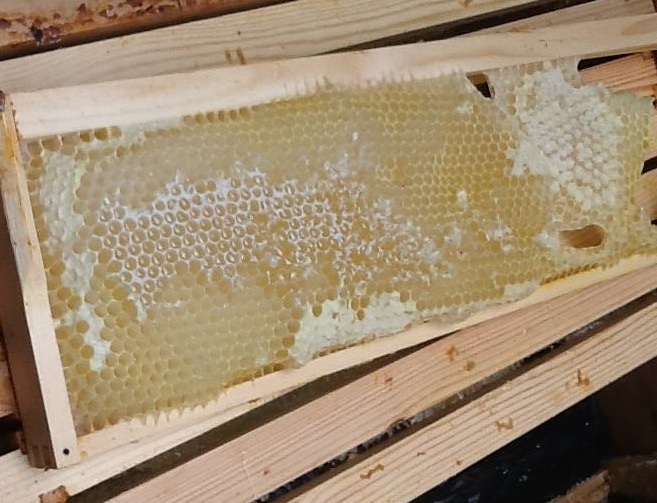
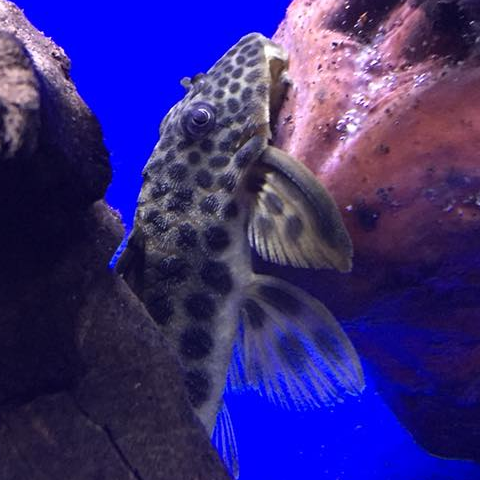
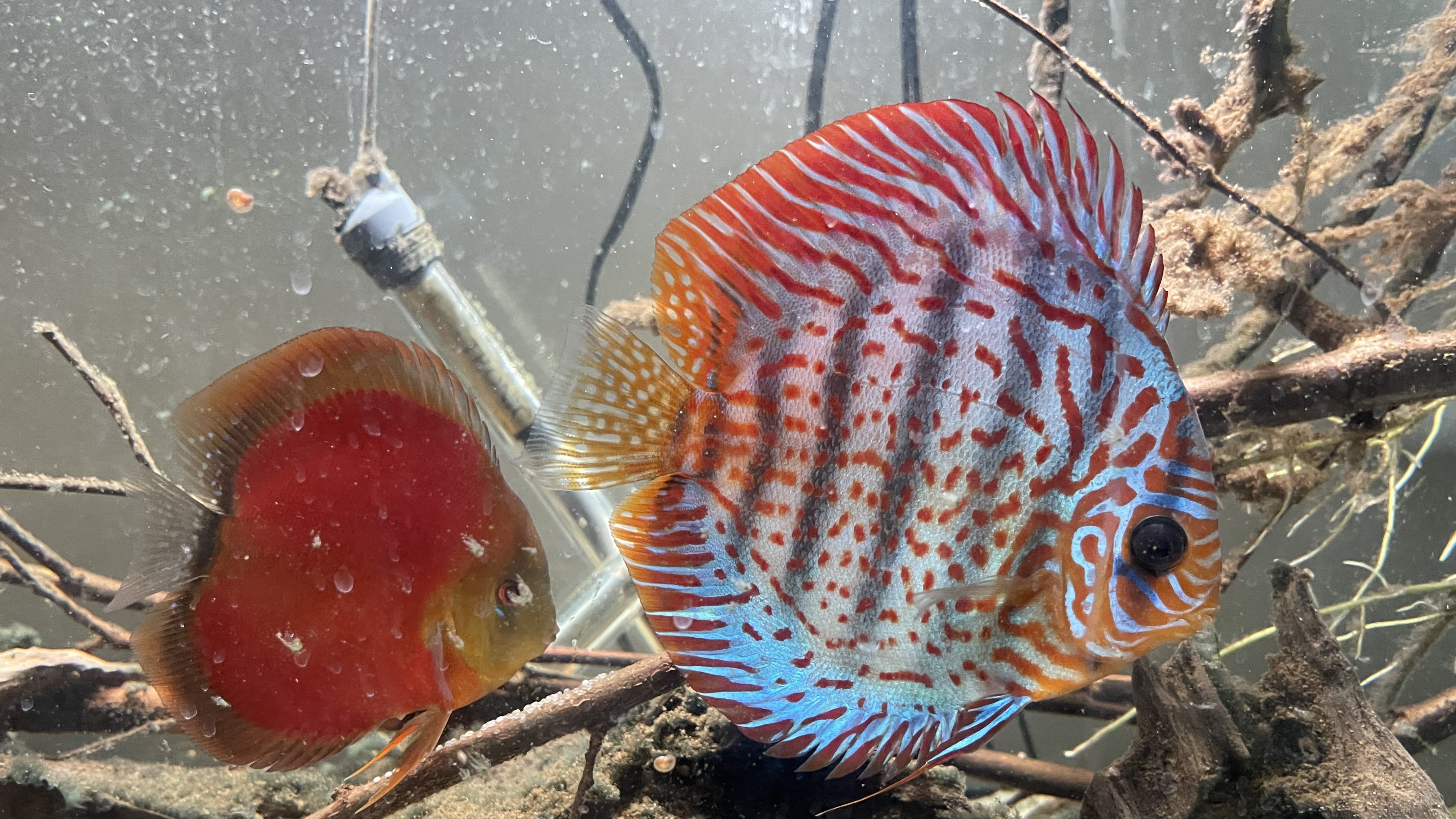
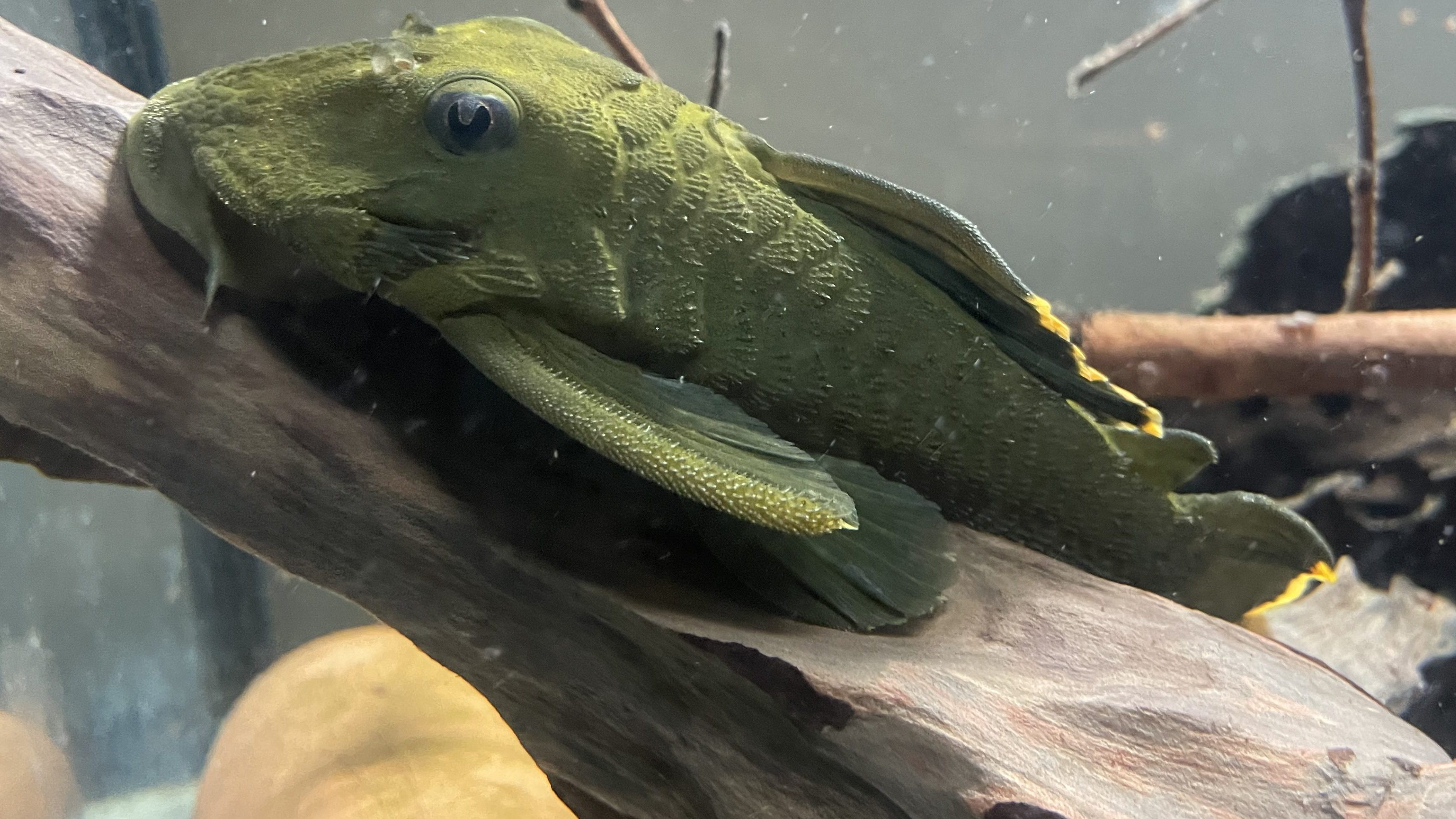
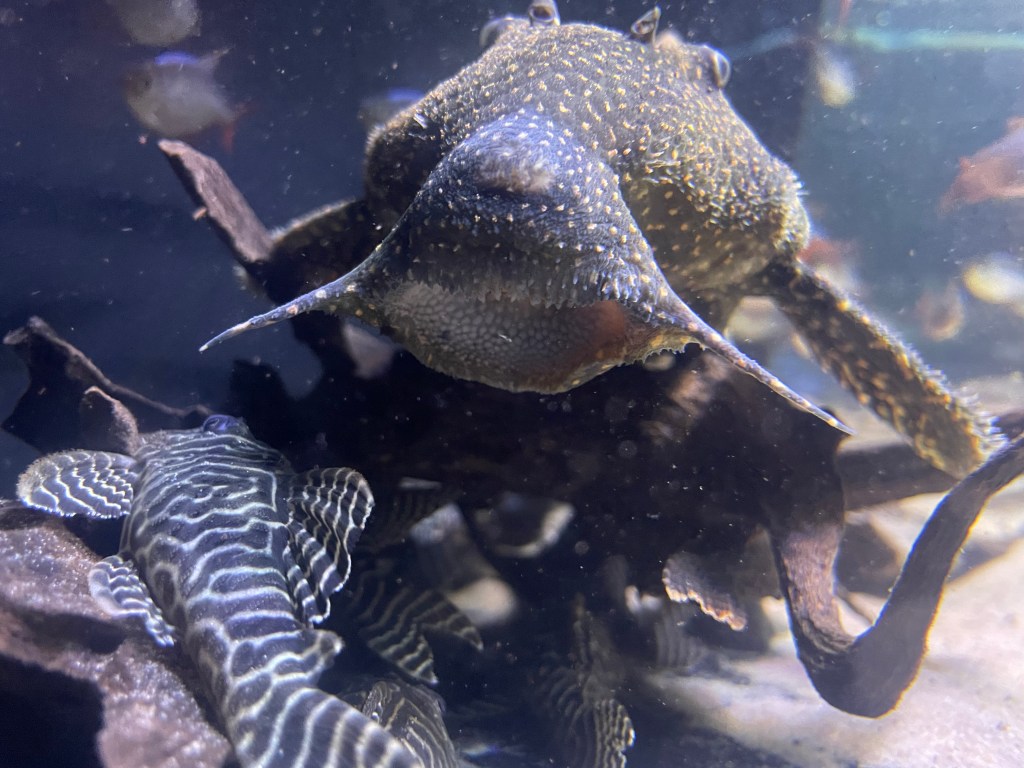
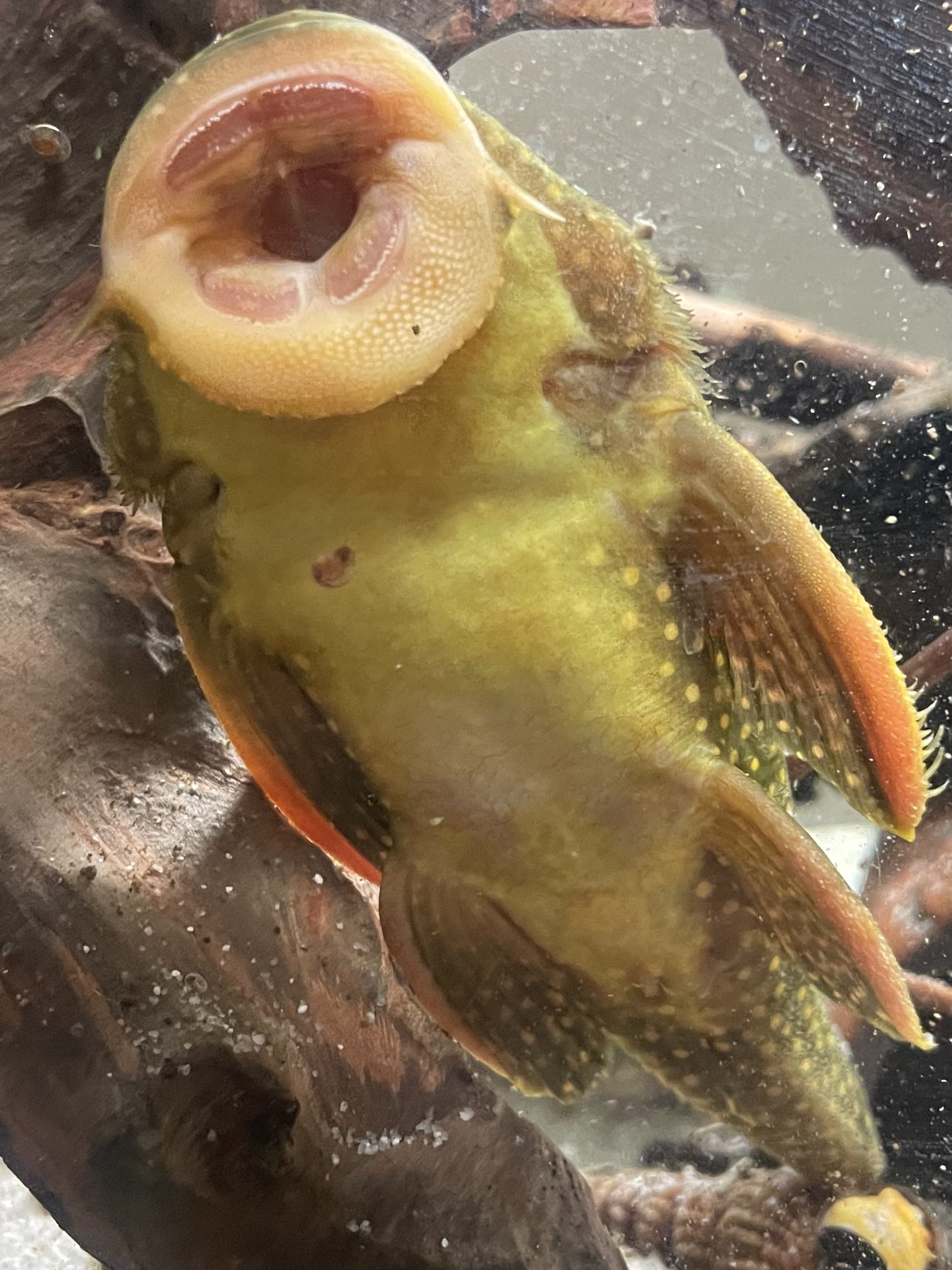
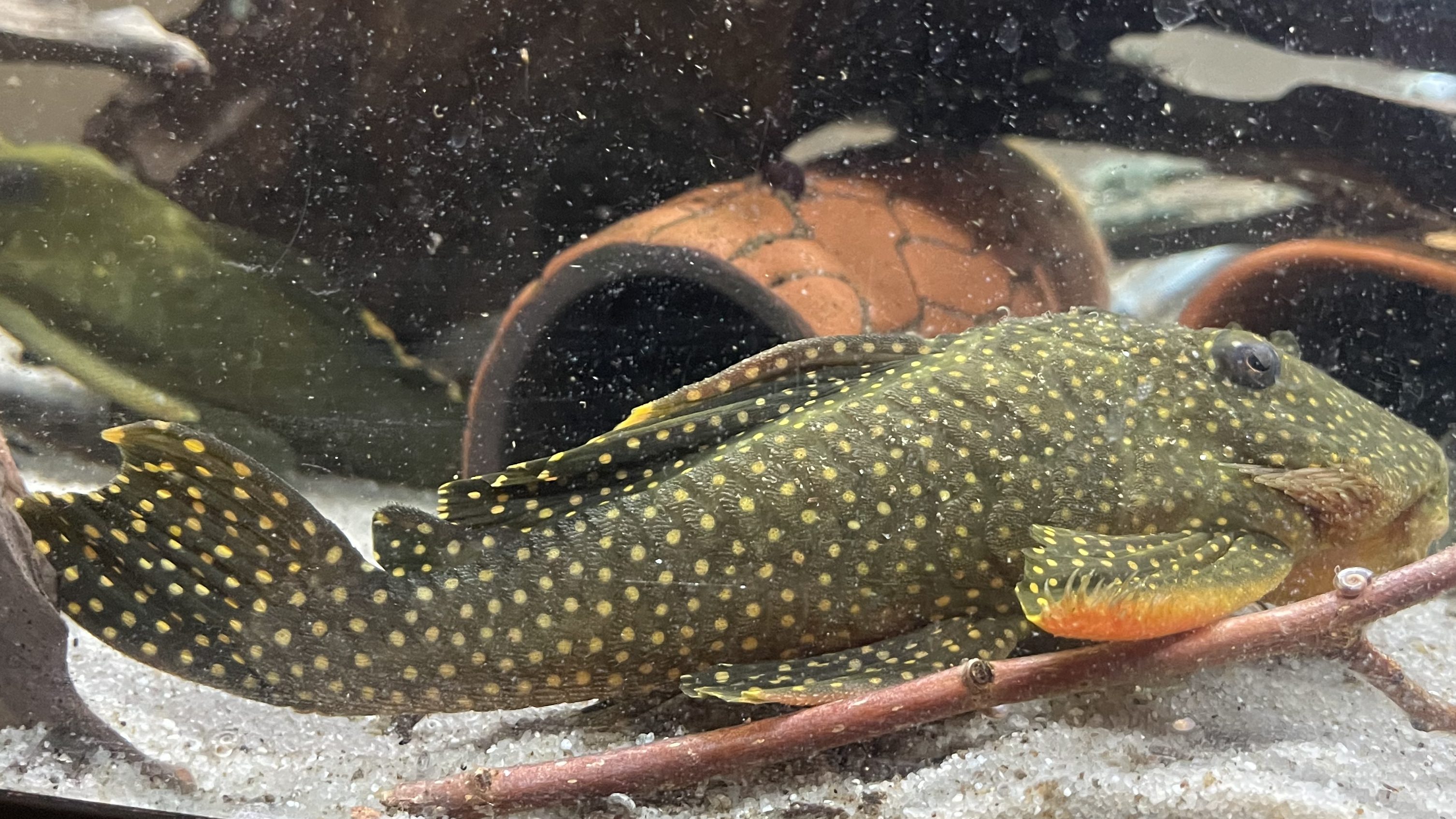
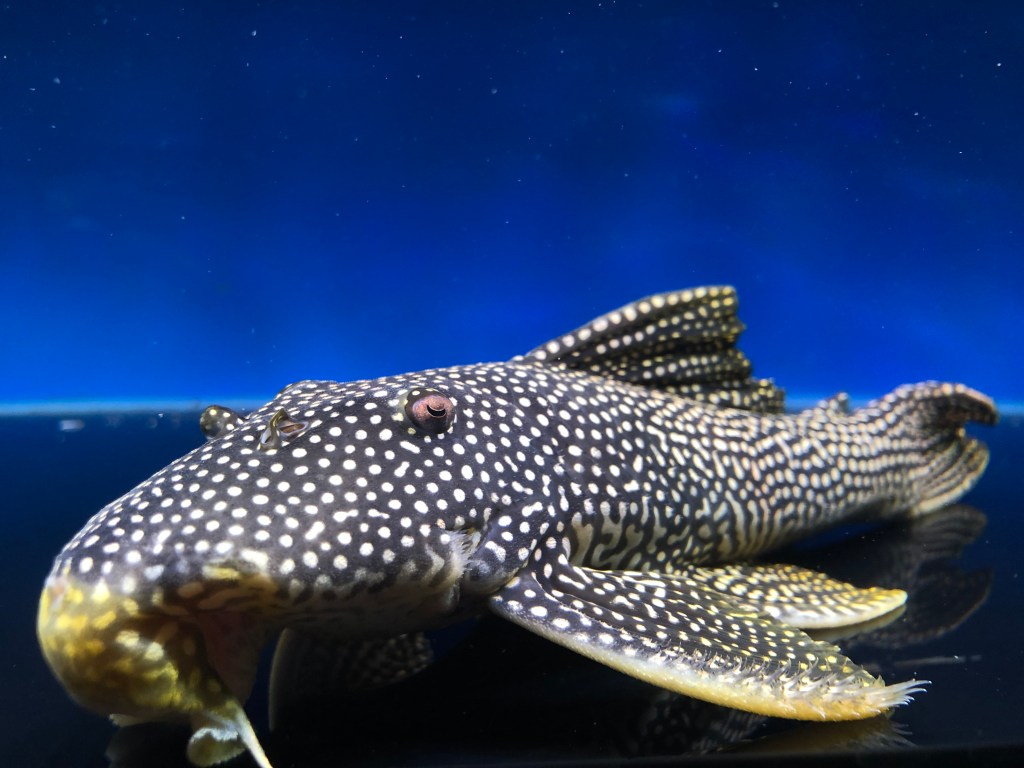
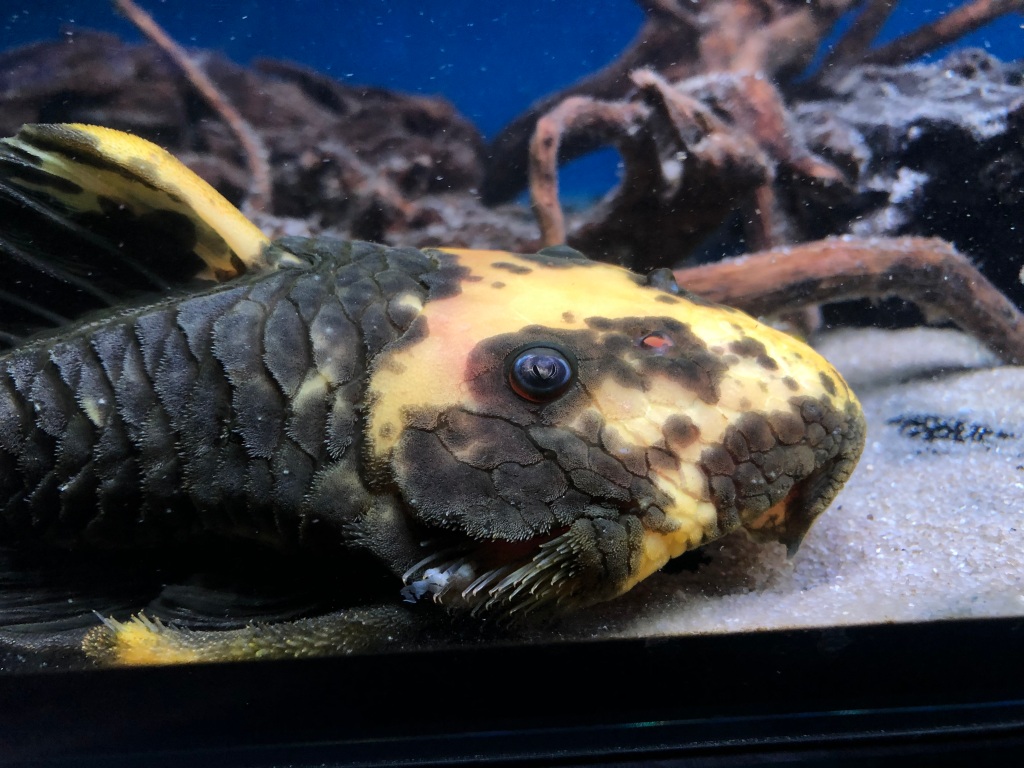
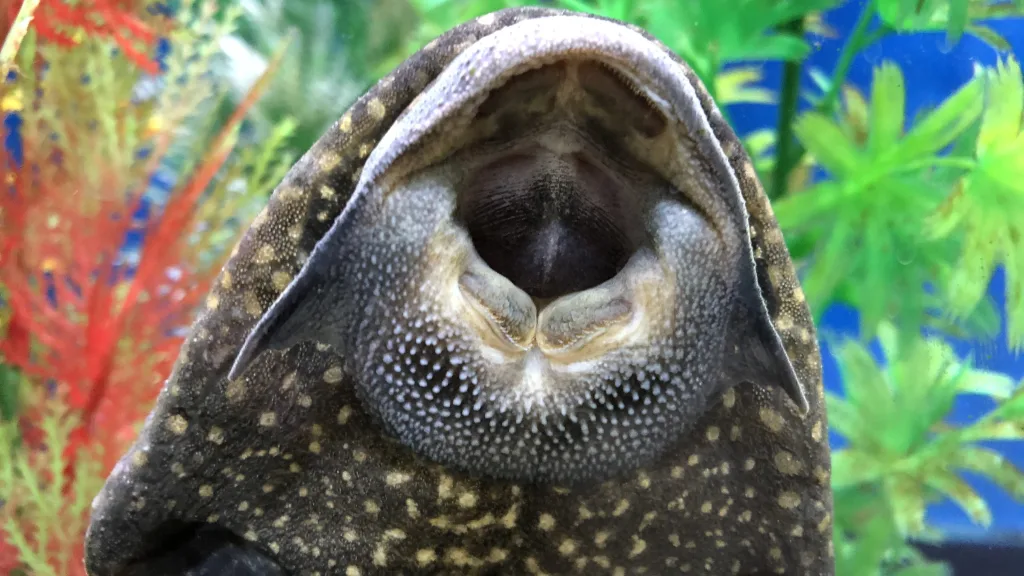
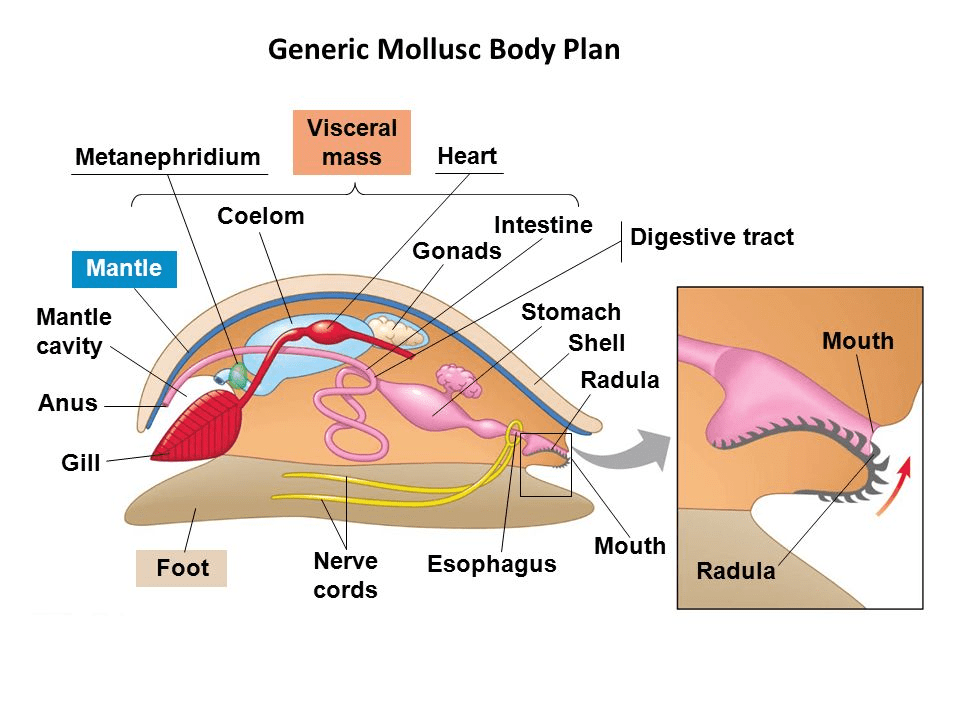
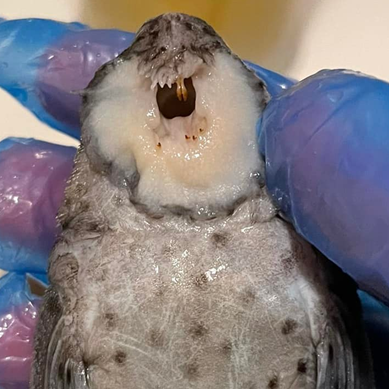
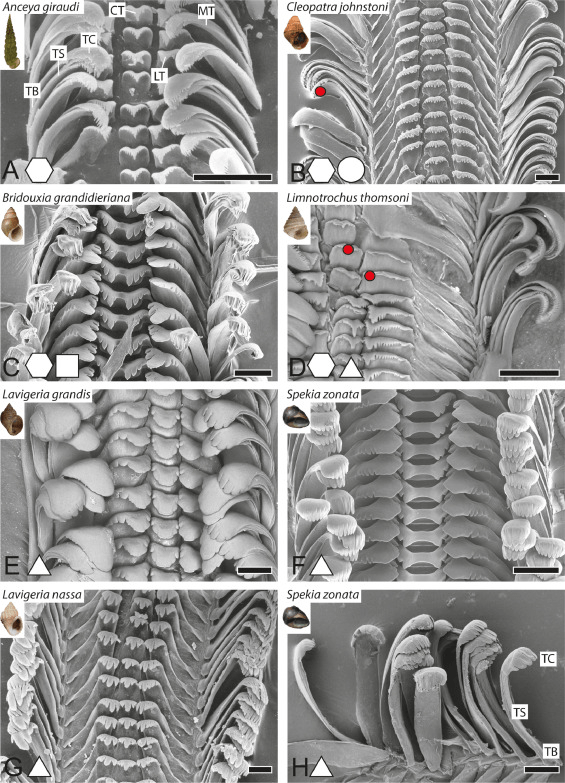
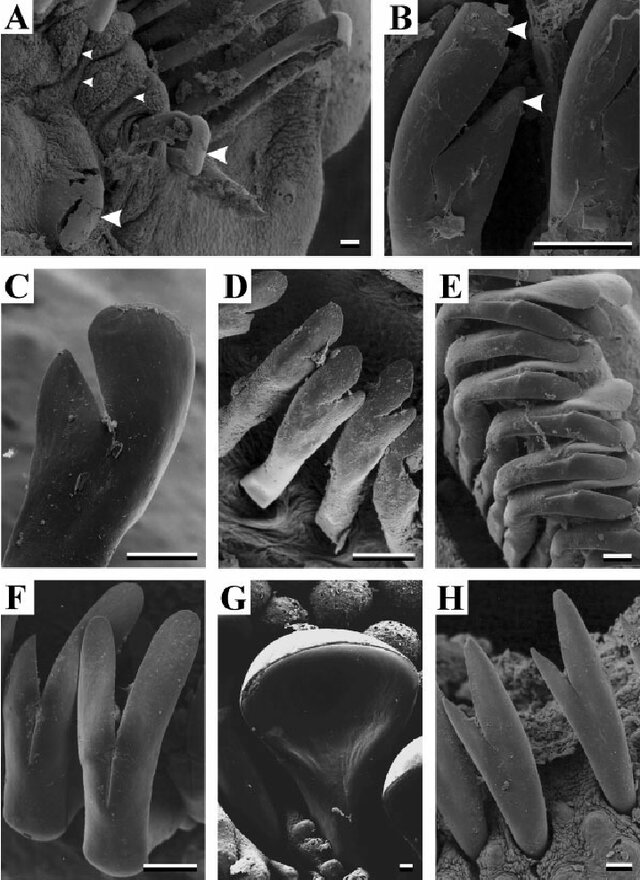
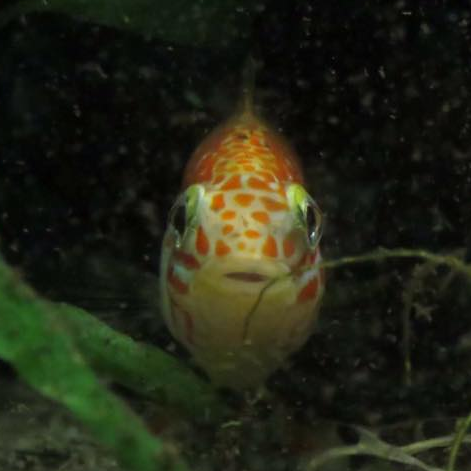
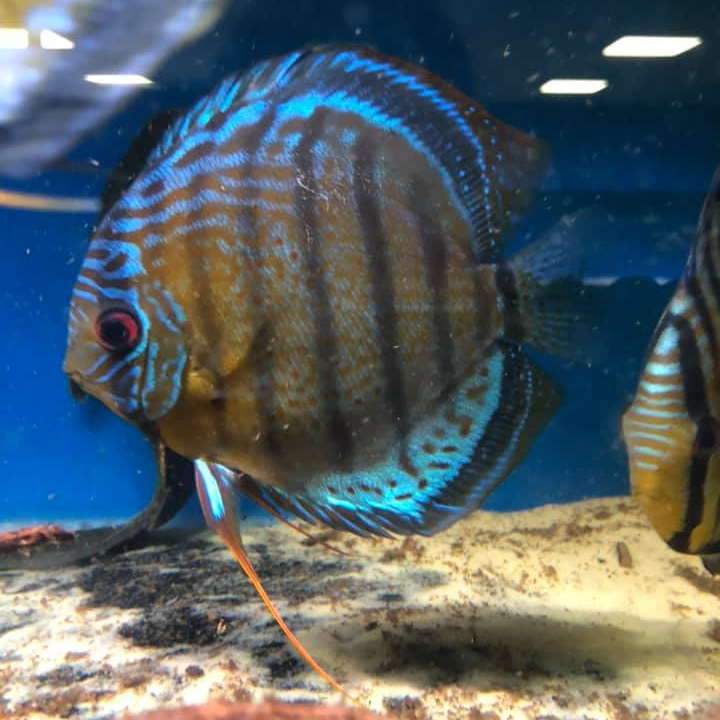
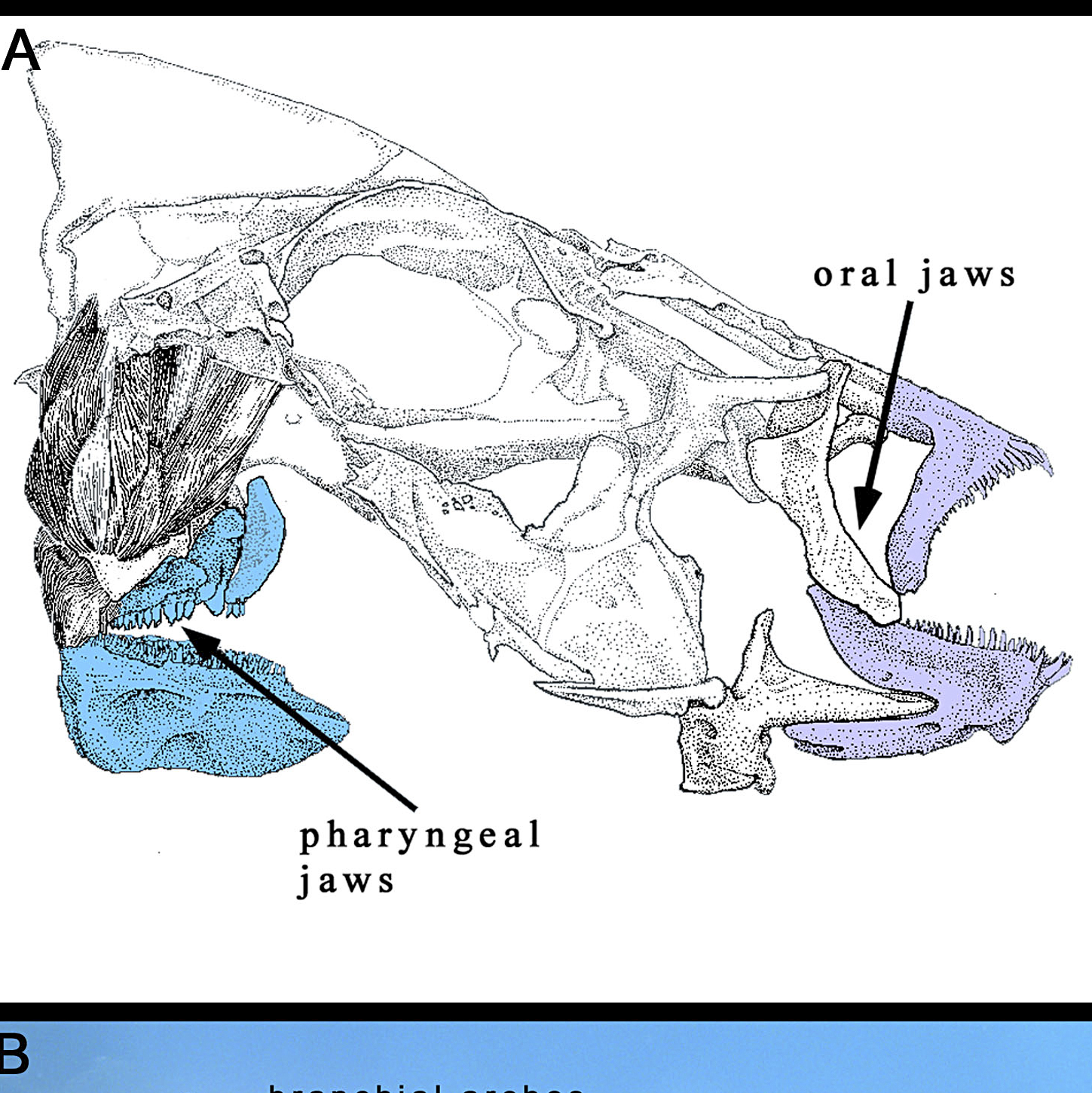
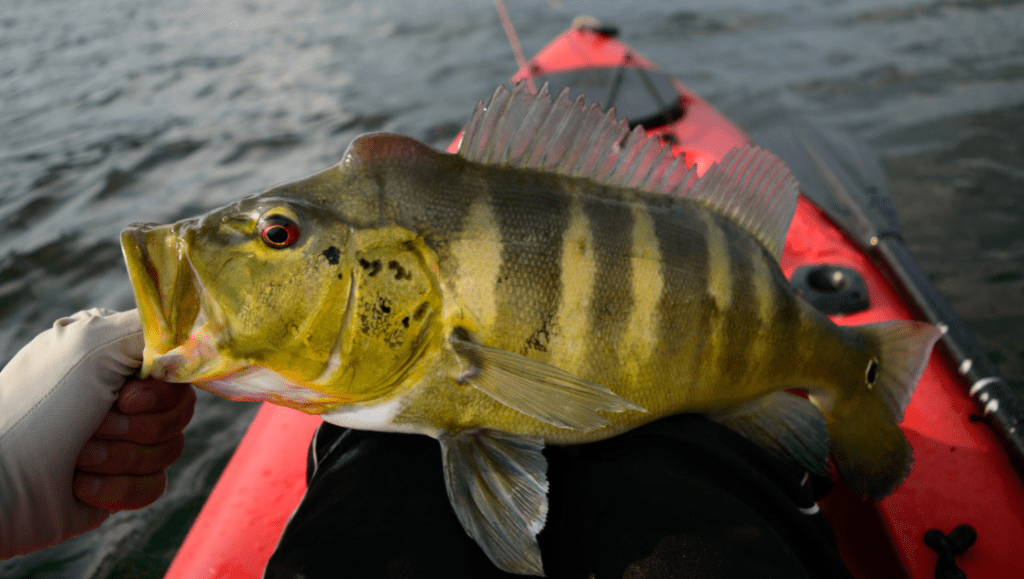
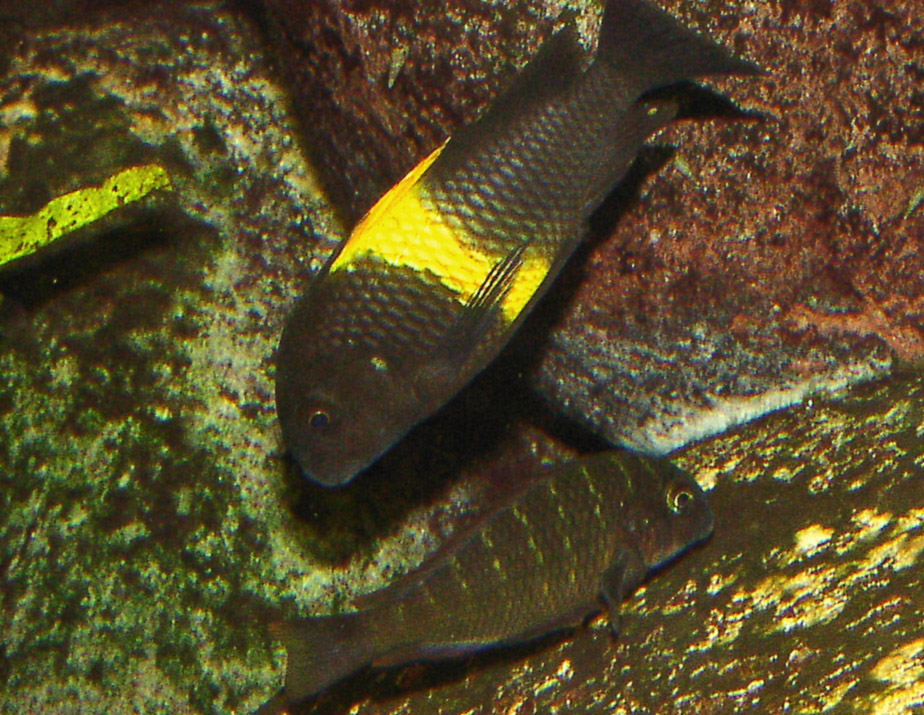
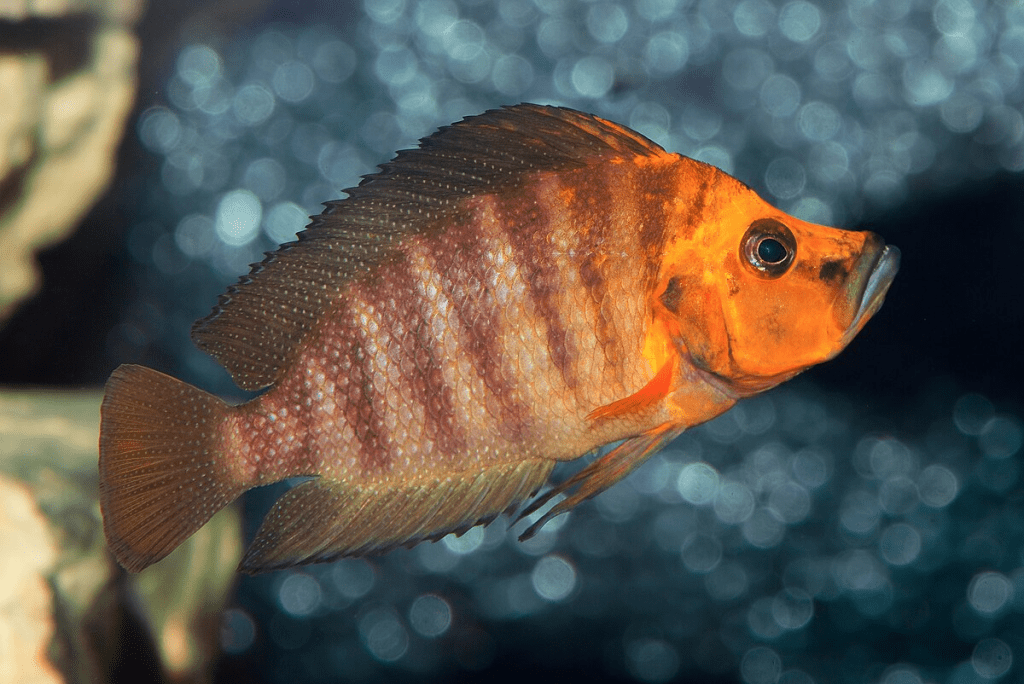
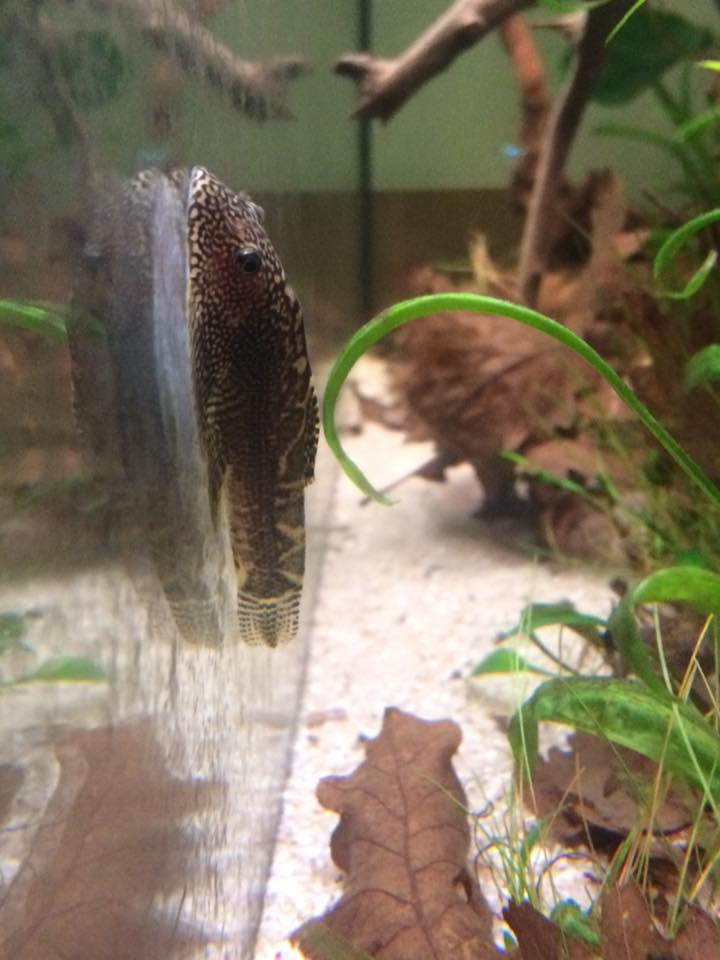
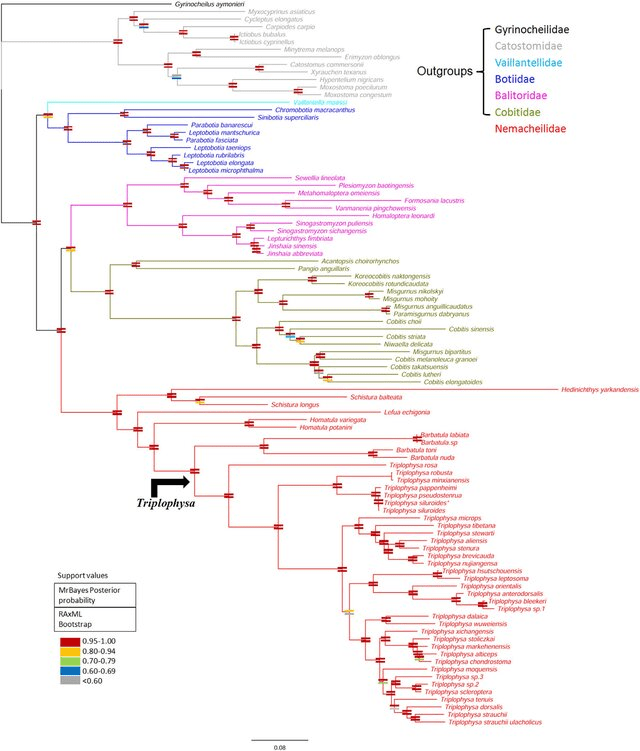
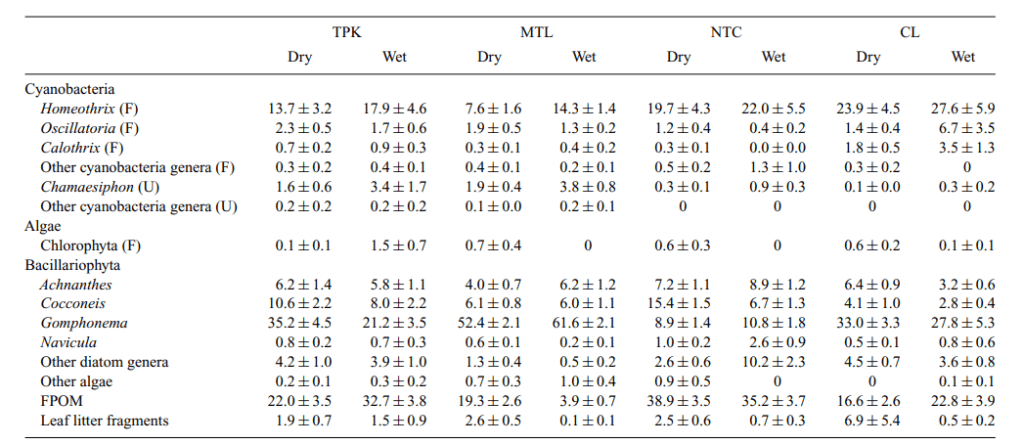
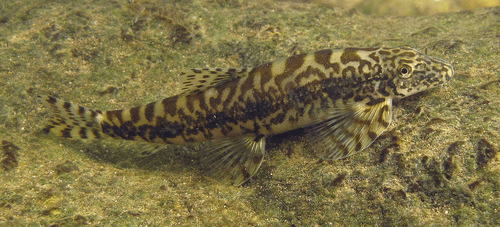
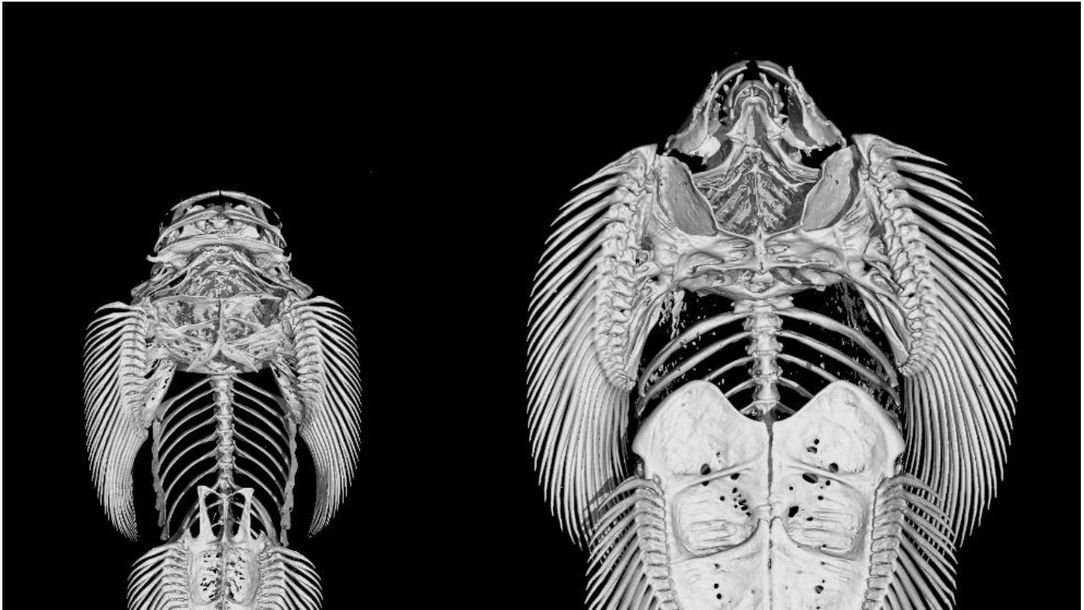
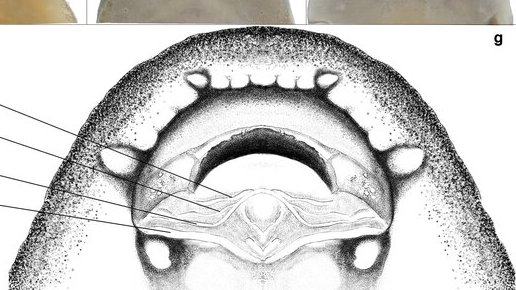
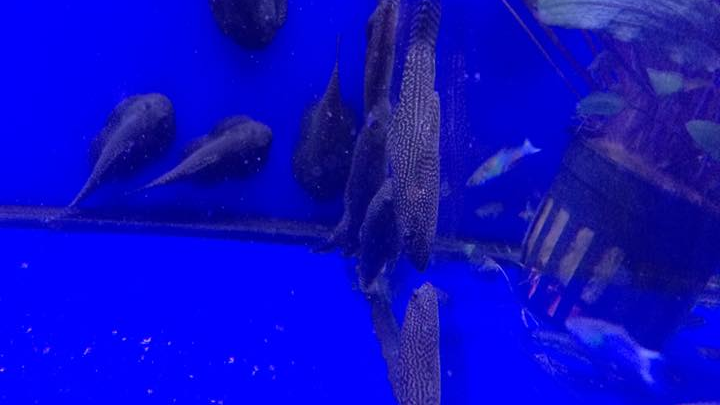
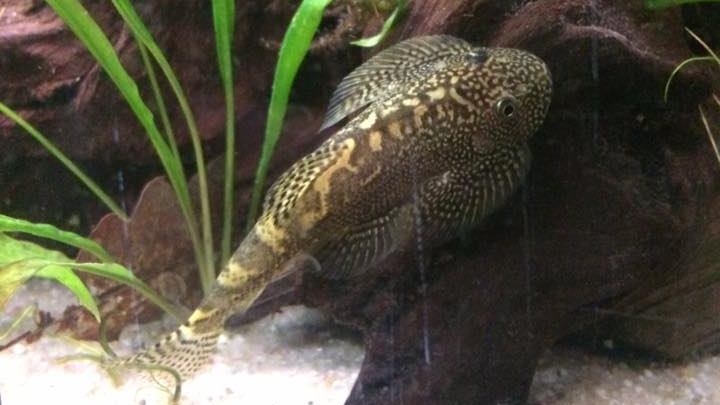
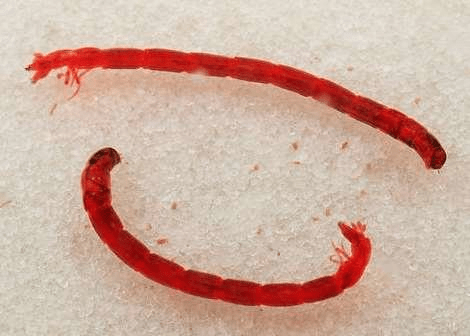
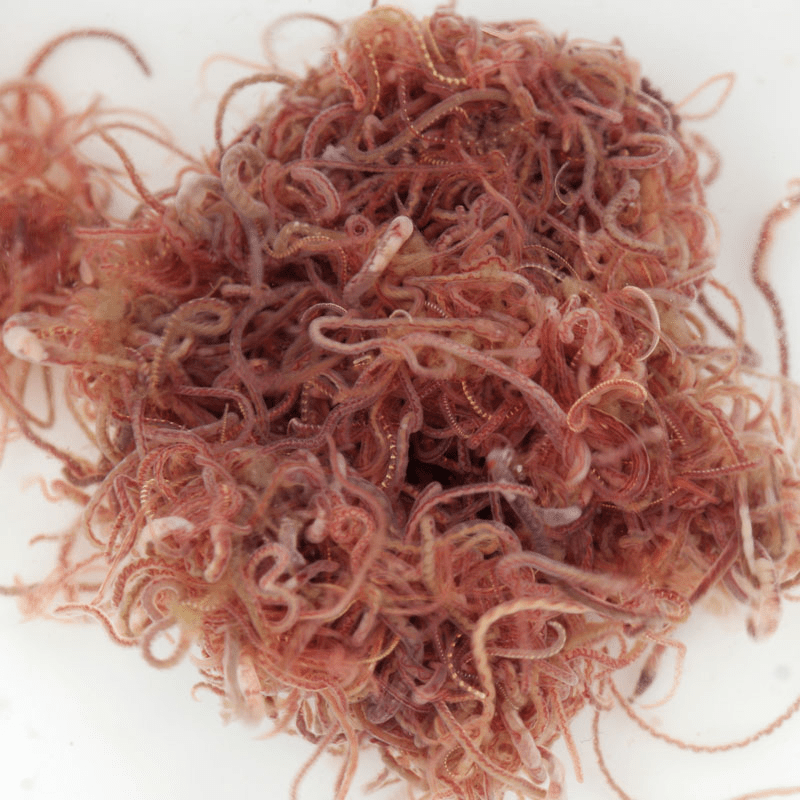
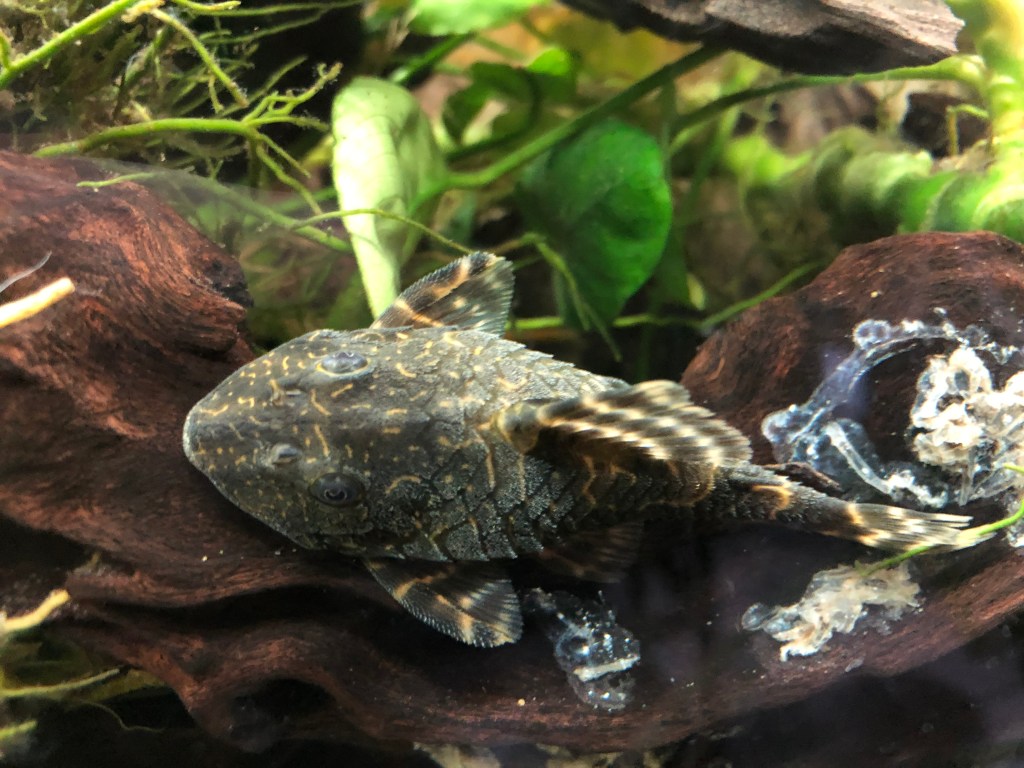
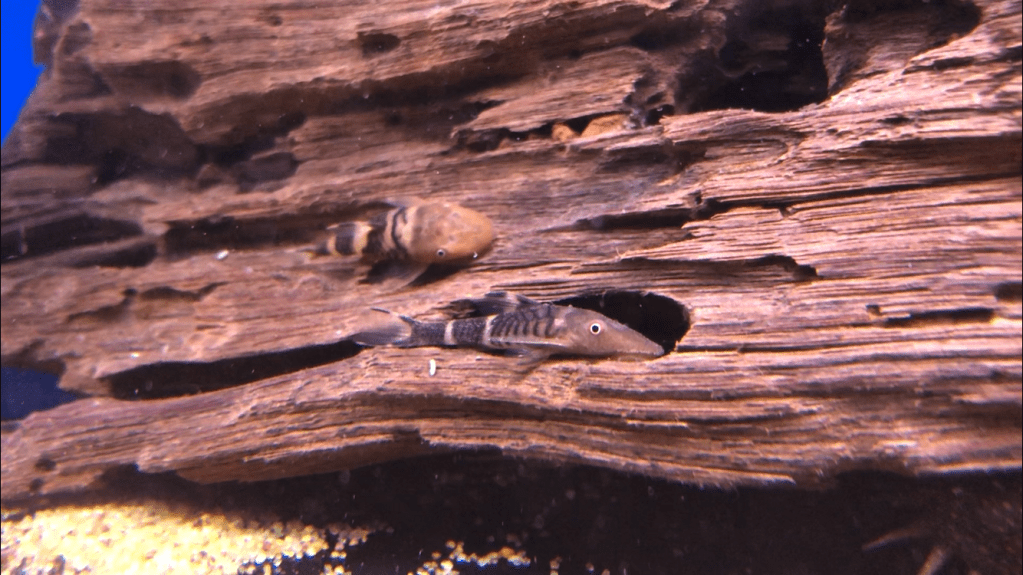
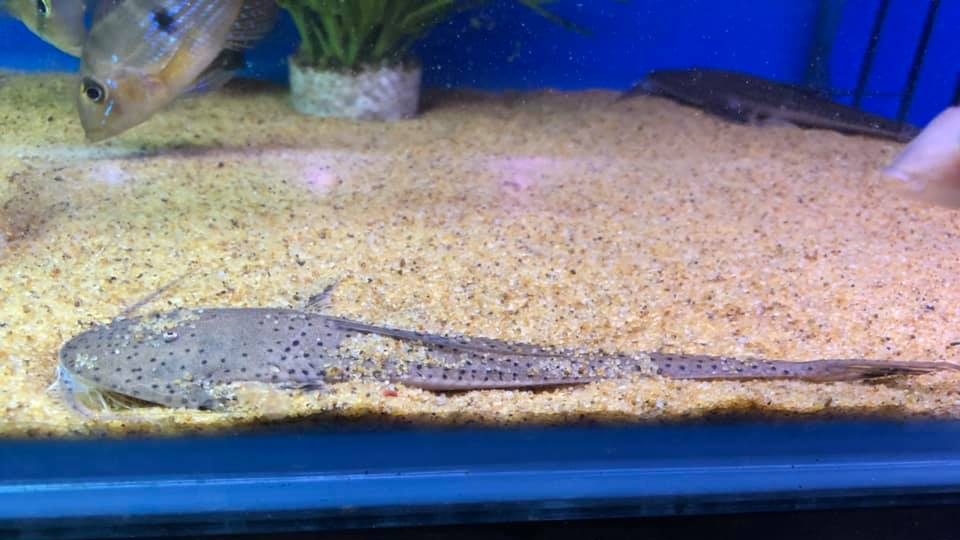
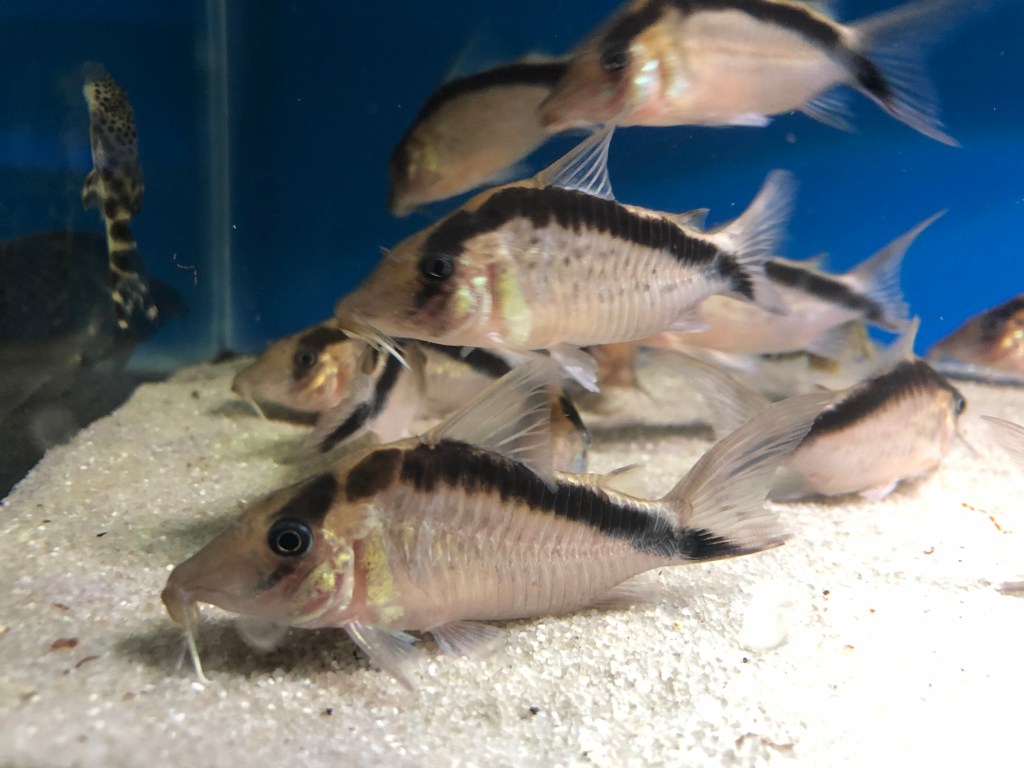
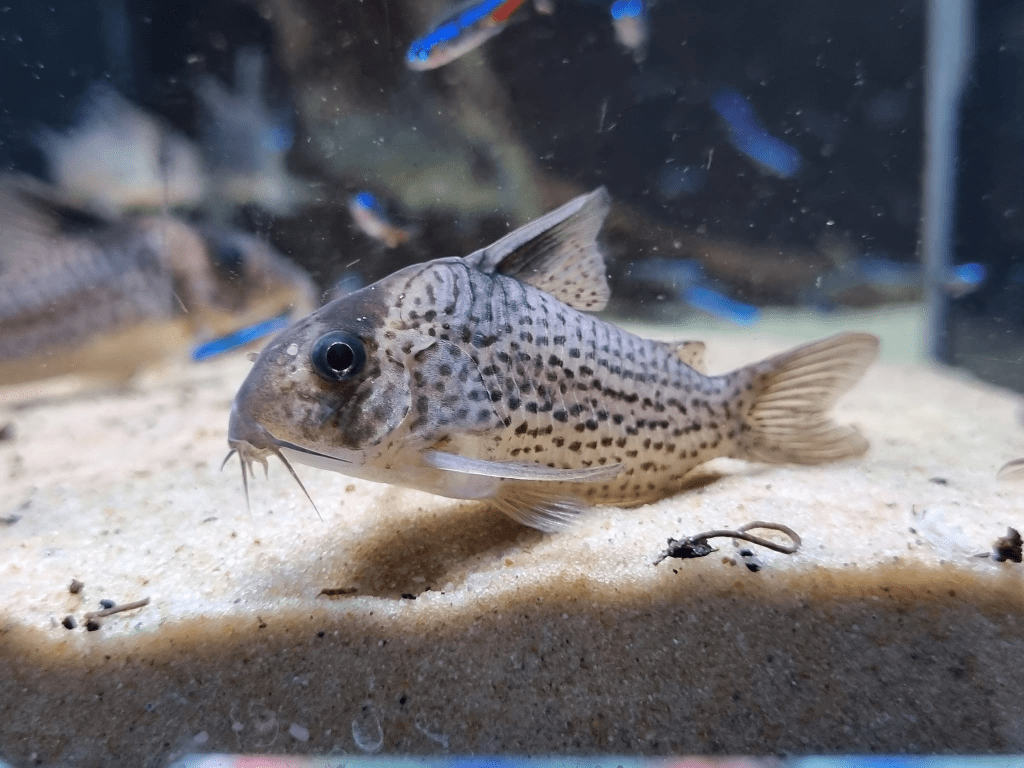
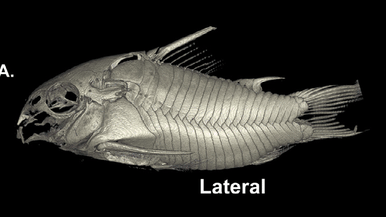
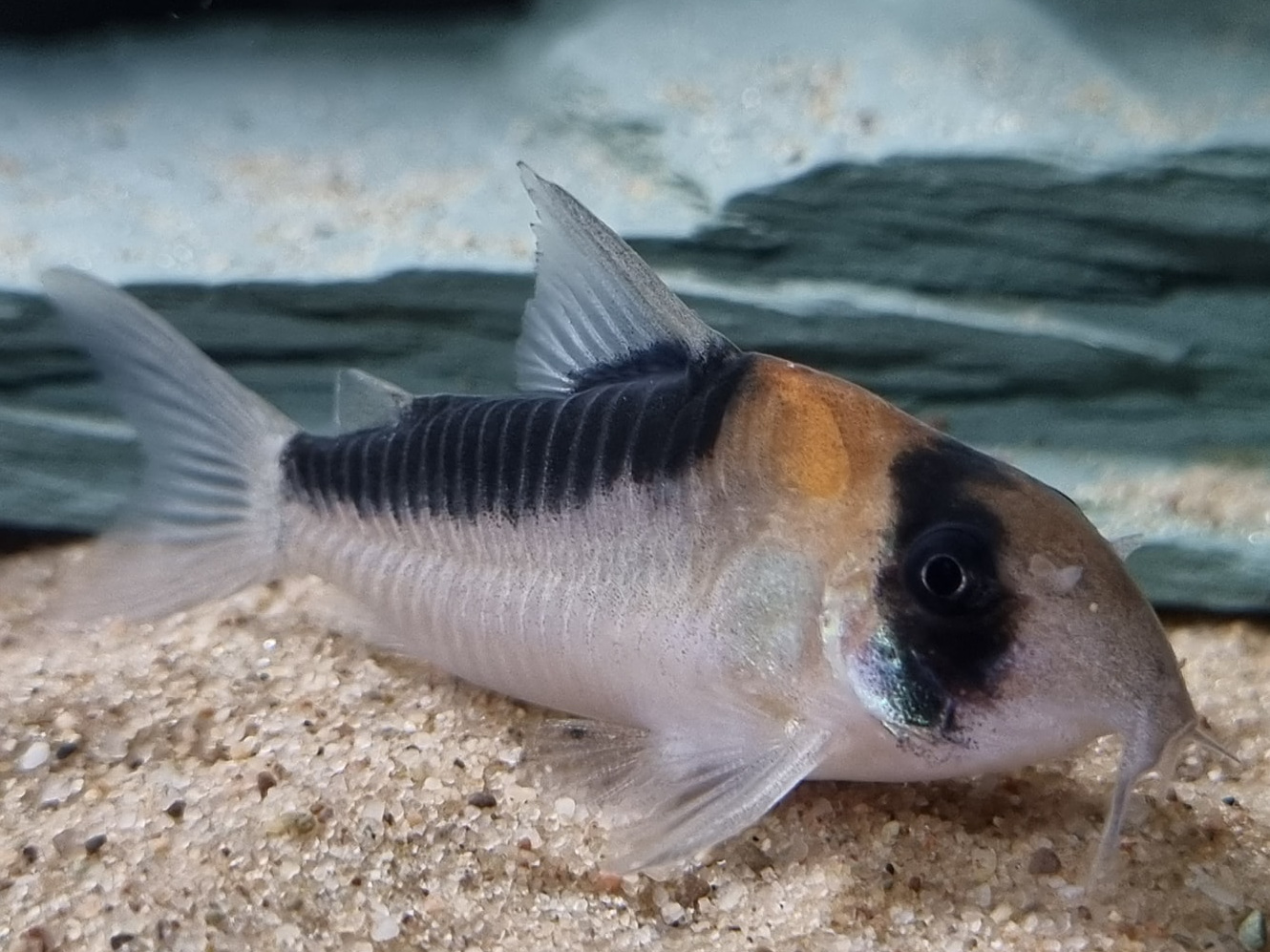
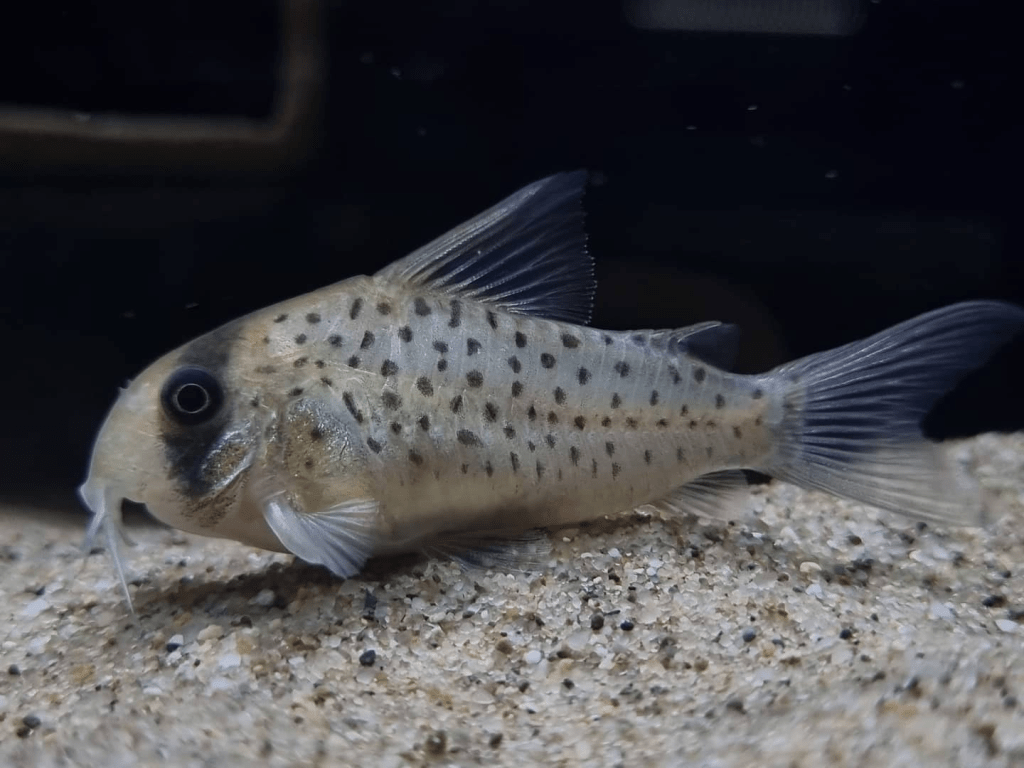
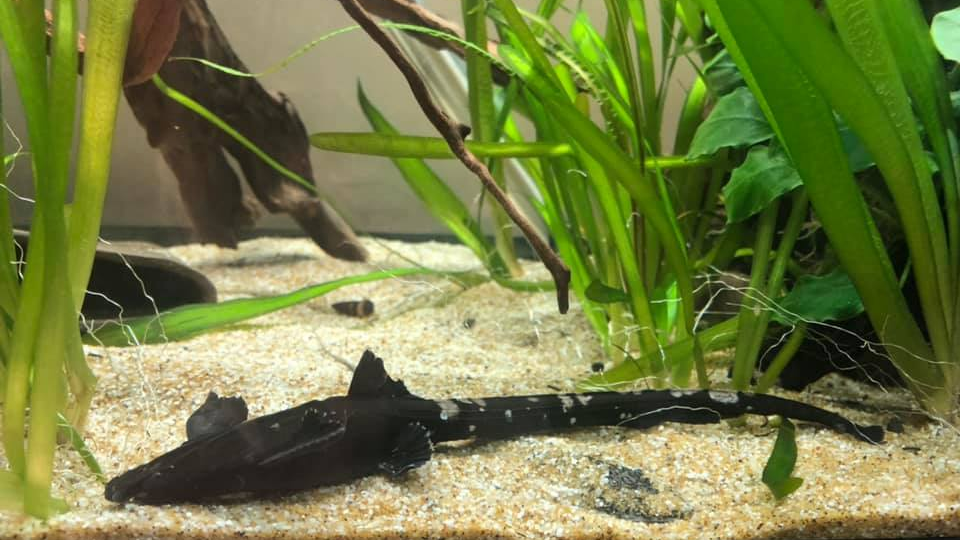
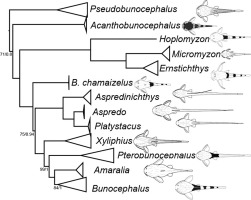
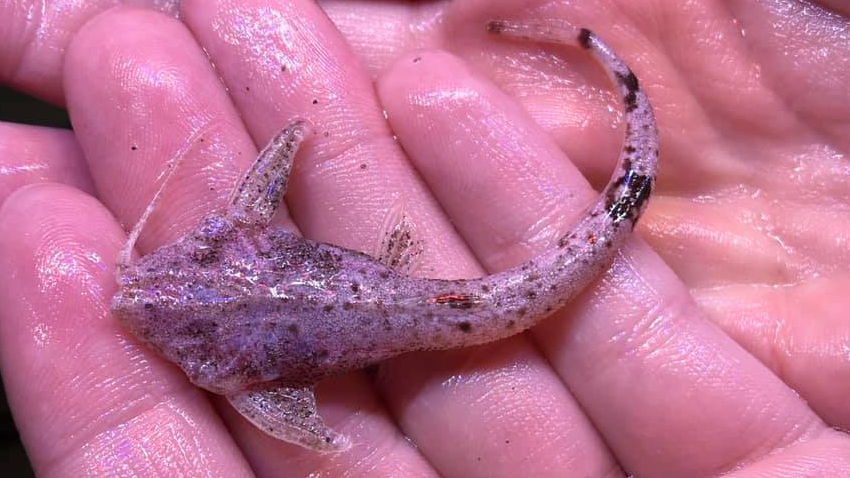
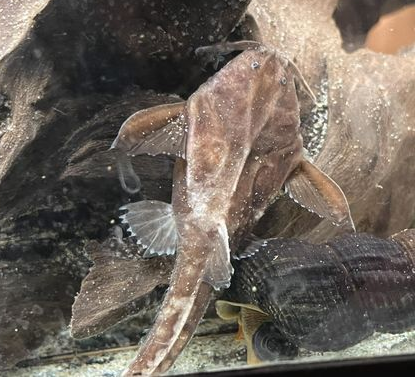
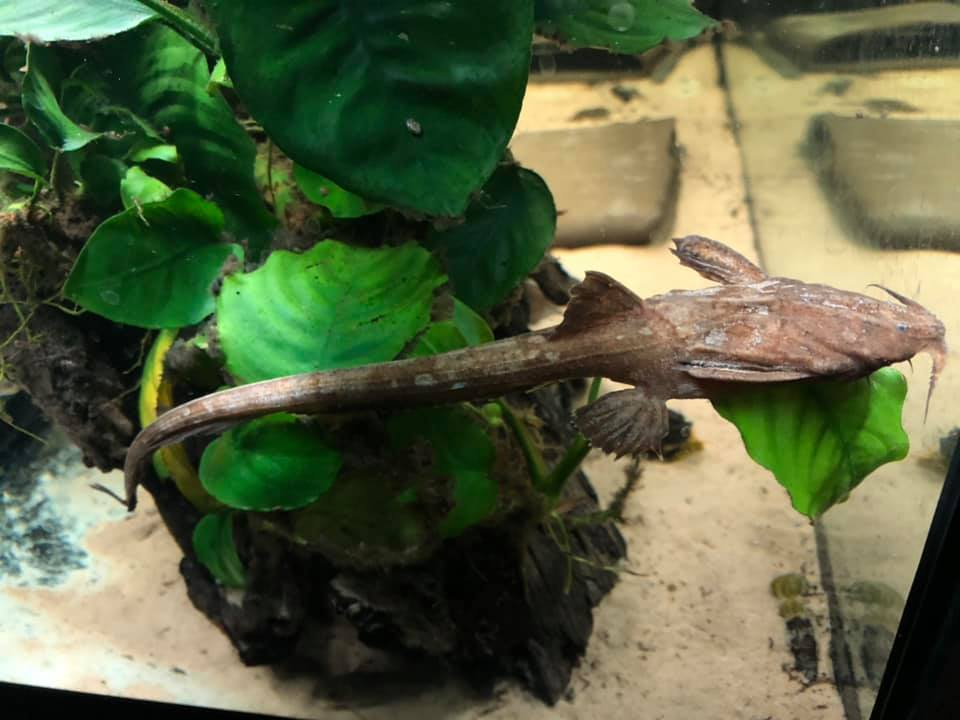
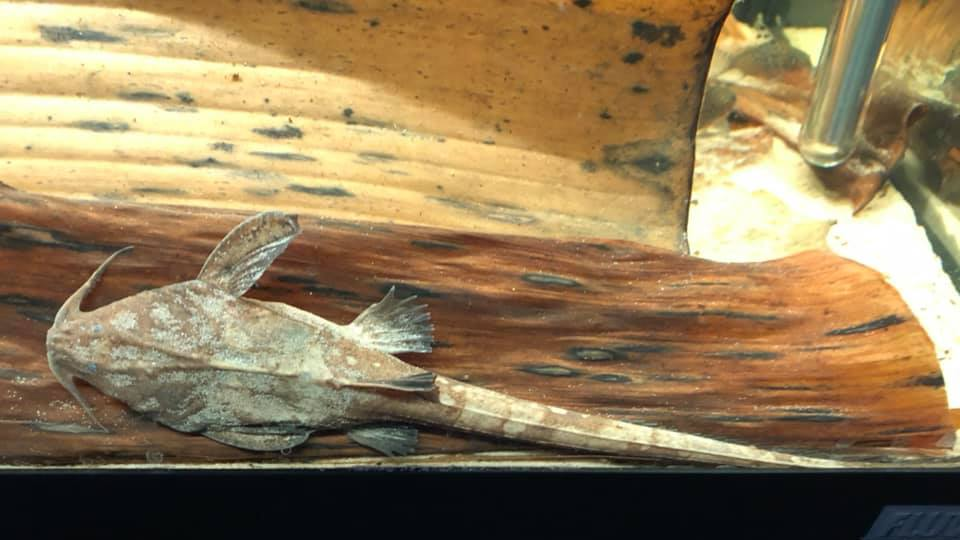
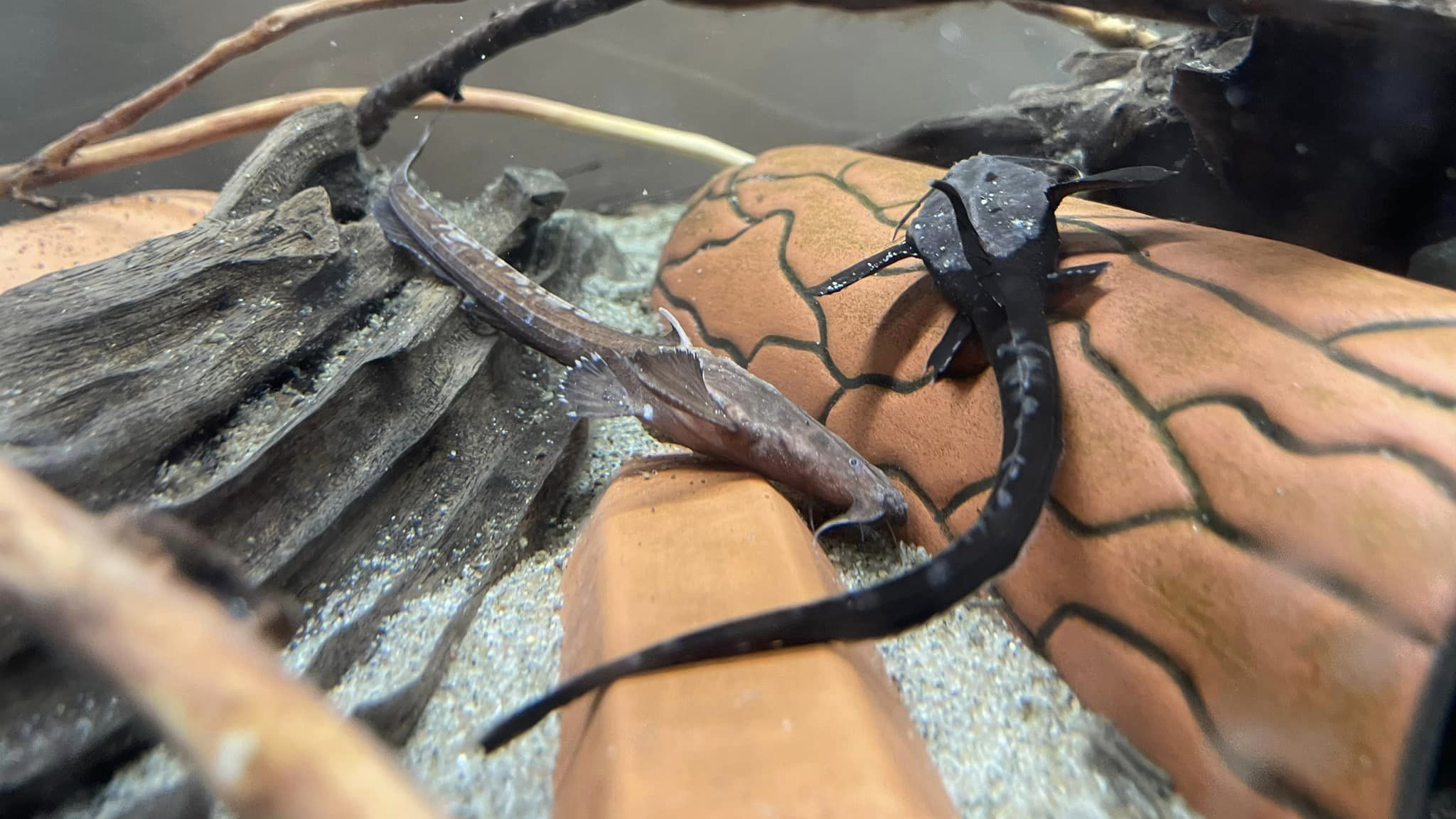
 The Scientific Fishkeeper