Category Archives: Fish Biology

A Natural Aquarium, but what is natural?

Natural has been the trigger word for the aquarium hobby for a long time, it’s a great way to sell a concept or product. You’ll commonly see claims like natural is more stable, healthier or the most extreme something along the lines of the only way. The word natural sells (Scott et al., 2020) and many of us get an aquarium to replicate a pocket of the natural world in our own home. But is it really natural, and is natural good?

Vitamin Green

Humans have a natural tendency to be attracted to nature and this was coined by the theory known as biophilia (Wilson, 2007) and there are many potential benefits of humans interacting with the natural world (2017). This is a very human centric way to think about the world, thinking about the world and how it benefits us but not what else is around us.
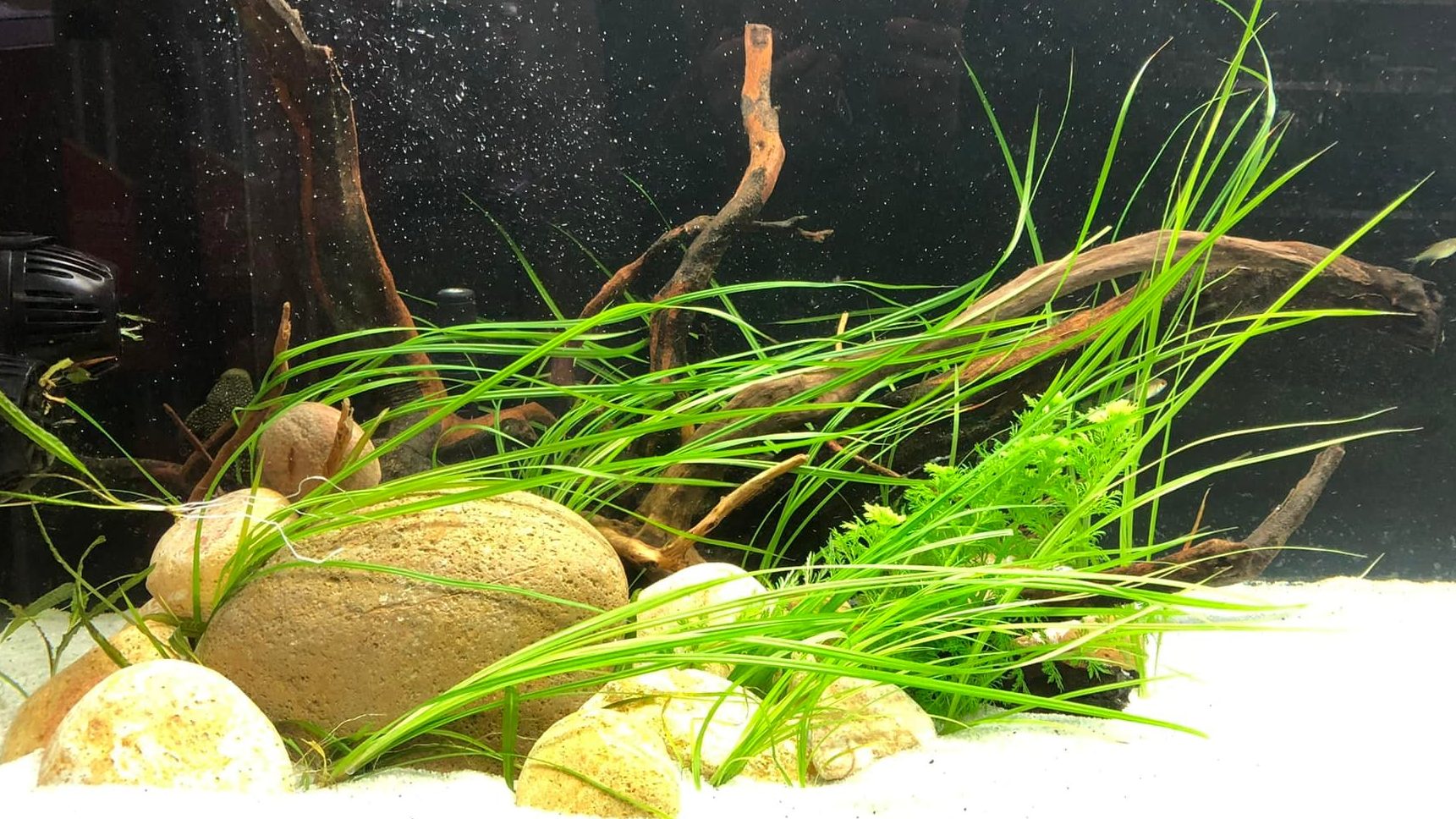
What we see as natural?

There seems to be no strict definition for natural and it definitely seems to be up to ones own interpretation. Our perception of nature is massively distorted, not much of the world is unchanged by humans and nothing more then freshwater (Eastwood et al., 2023). Our influence on freshwater has massively changed how freshwater ecosystems function and the species present (Søndergaard & Jeppesen, 2007). One of these changes has been the introduction of invasive species and although we commonly associate animals with this, plants can be invasive too. Invasive plant species can effect how rivers and lakes function along with the species present (Schultz & Dibble, 2012).

When we go out to see our local water ways, the anthropogenic influence is easily dismissed as it has always been there. American skunk cabbage as an invasive species to the UK was first sighted in 1947 (Department for Environmental and Rural Affairs et al., 2019). Elodea spp. on the other hand has been invasive in the UK since 1879 reproducing vegetatively due to a lack of male plants (Simpson, 1986).

Availability Bias

Of course when I talk about what we see locally as being natural or anthropogenic I am often referring to North American and European ecosystems which differ a lot from many popular locations we obtain fishes from. Most of us aren’t keeping native fishes so to understand natural we should think mostly about the ecosystems of South America, South East Asia and Africa. Here comes with the issue of availability bias, where information might be sparse for certain habitats.
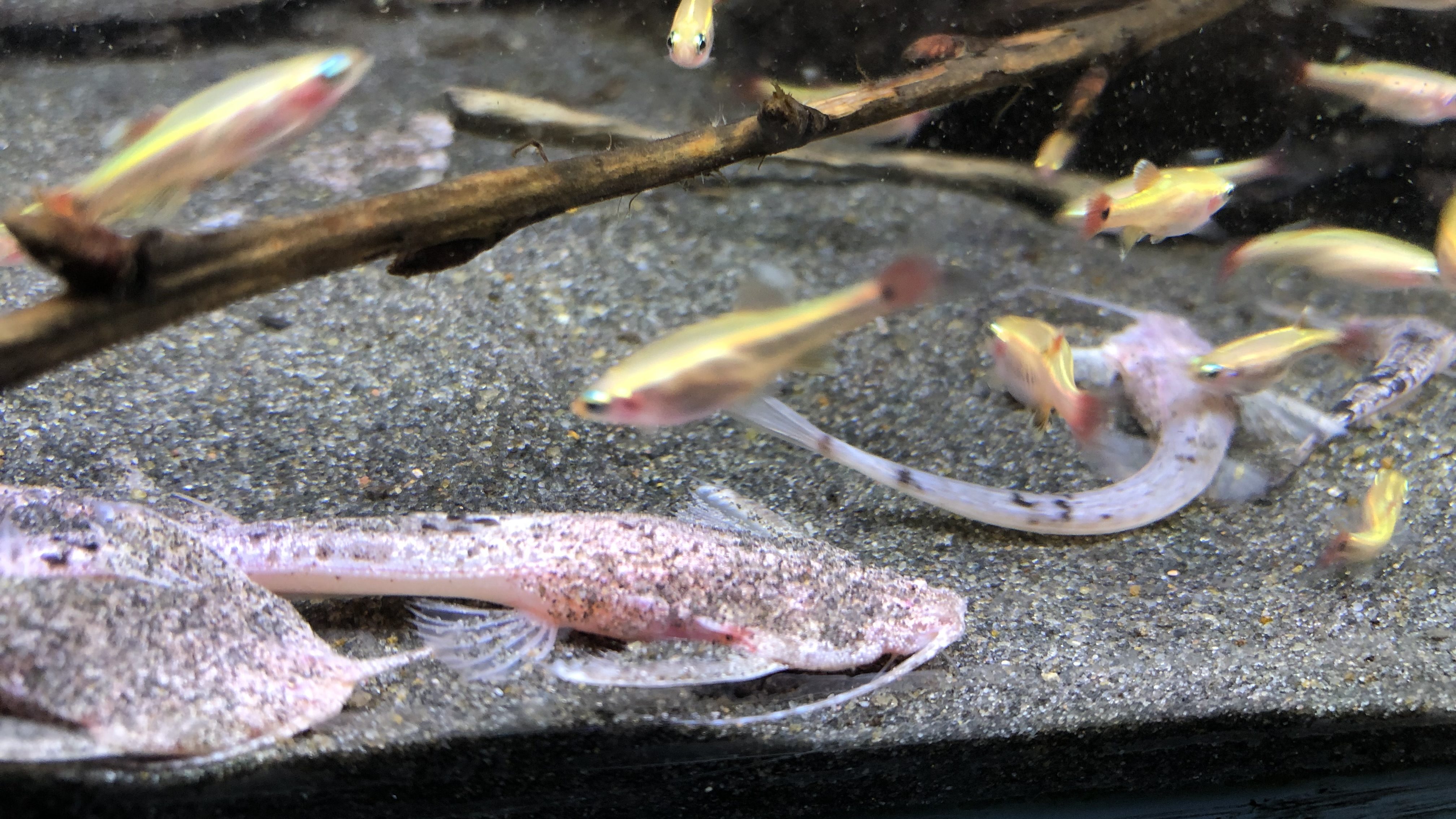
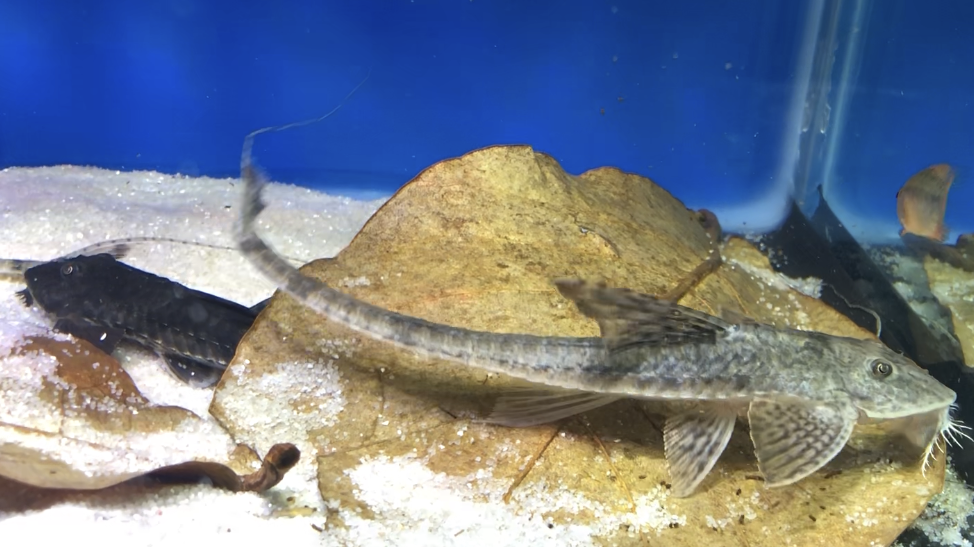
Pterobunocephalus sp. at Pier Aquatics, Wigan.

Most fishkeepers are not looking at scientific papers which is obviously a lot more diverse so here we have to look at social media, websites and Youtube. Here we are confronted largely by ecosystems dense in vegetation, when it is not it is black water with leaves. While botanicals have been used to almost fight against the planted idea of nature it has come at the cost of many believing this is what represents freshwater in the tropics. Here comes the bias, if this is what we see is this all that there is?

Many freshwater ecosystems might not be accessible nor are they appealing to replicate.

Our Understanding of the Diversity of Freshwater

These do not represent the diversity of freshwater ecosystems, even in the Brazilian Amazon these ideas do not stand (Bogotá-Gregory et al., 2020). There is frequent generalisation of countries and continents, how often do you hear that Africa is hard water? Yet even just the Rift Valley represents a diversity of ecosystems (Nyingi et al., 2013). This diversity of freshwater ecosystems is likely partially why over 50% of fishes are freshwater, if there was that homogenous nature across countries and continents we would see many more cosmopolitan general species.

Not just do we as a hobby maybe not understand how diverse freshwater is but how rivers function, source to mouth. It’s not just the hobby, there is a lack of research and understanding from the scientific community in certain areas of the world, particularly the tropics (Faghihinia et al., 2021). Much of us have not had an education in river geography, I myself took an optional module during undergraduate to get the basics. Yet marine biology is extensively taught. So we are left with maybe a school education on rivers which at least in the UK is terribly poor, additionally given most people come out of school only being able to say how an oxbow lake is formed.
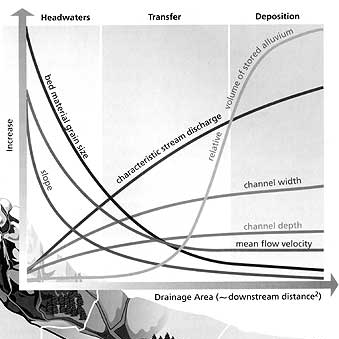
Figure 1: The Three Longitudinal Zones and Channel Characteristics. Reprinted with permission of Federal Interagency Stream Restoration Working Group (1998)

This article is not a lesson in how rivers function but Figure 1 is probably the most important graph in starting to understand how rivers function. It doesn’t just show function but shows diversity within the same water body, this should suggest even one river is not homogenous.

Blackwater

I should include this with a focus. Black water and botanicals, a growing popularity as people search for what is natural and what is not. As previously stated this style of fishkeeping is not representative of the diversity of freshwater ecosystems even within South America (Bogotá-Gregory et al., 2020). If we look at videos of rivers such as my favourite and a popular locality for Loricariids in the trade, the Rio Xingu there is little leaf litter in these localities opposed to largely biofilms If the reason for choosing black water is to replicate an ecosystem then I would argue against.
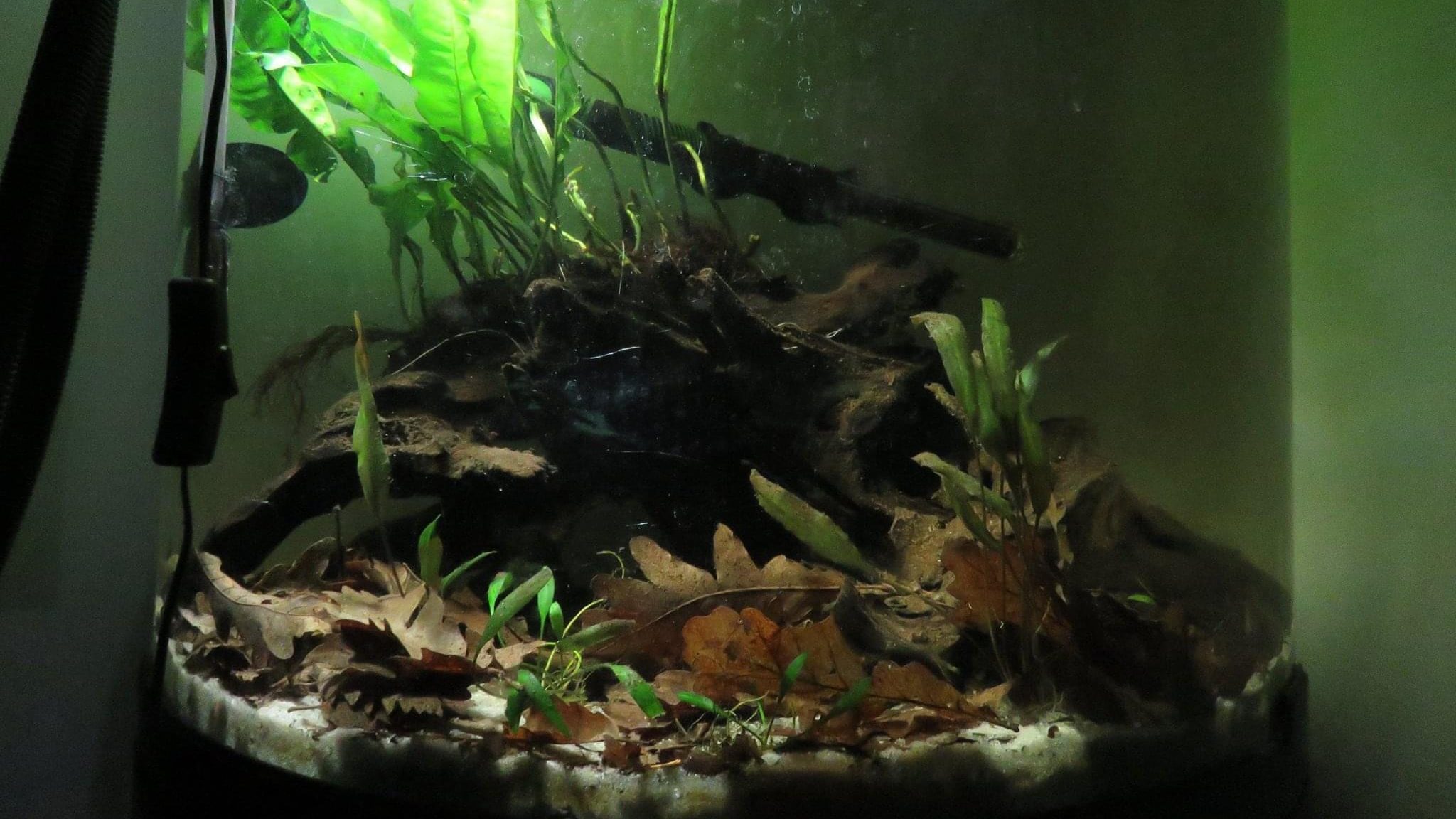
As a source of nutrients this is dependent on the water body in focus, even with high availability leaf litter is not always shown to be the source of energy opposed to algaes (Lewis et al., 2001). Any abiotic influences of botanicals particularly leaf litter is extremely diverse (Tonin et al., 2017). It’s not so simple basically.

I sound so very against botanicals but that is not my aim, my aim here is simply to say it is not always representative of tropical freshwater ecosystems. It has it’s place, a brilliant place, it provides enrichment and a way of replicating specific freshwater ecosystems e.g the Rio Negro. Of course there are other things to consider like oxygen saturation and waste removal in deep leaf litter, large amounts of nutrient introduction with certain botanicals e.g. palm leaves. The main point I’m making is, is it natural? Yes it is an attempt of replicating a freshwater ecosystem but is this the freshwater ecosystem of where the fish is found?

I think personally where black water has become increasingly possible many aquarists have taken it the wrong way.

The Planted Aquarium

Planted aquariums have been a staple of the aquarium hobby probably since the start. Ponds as well as a vital part of British horticulture and landscaping have long used plants. Our use of them has changed a lot, maybe from functional to aesthetic and then functional? I wont discuss the function here as that is a whole other discussion that is much more complex but I will say simply, they do not make an aquarium more stable.
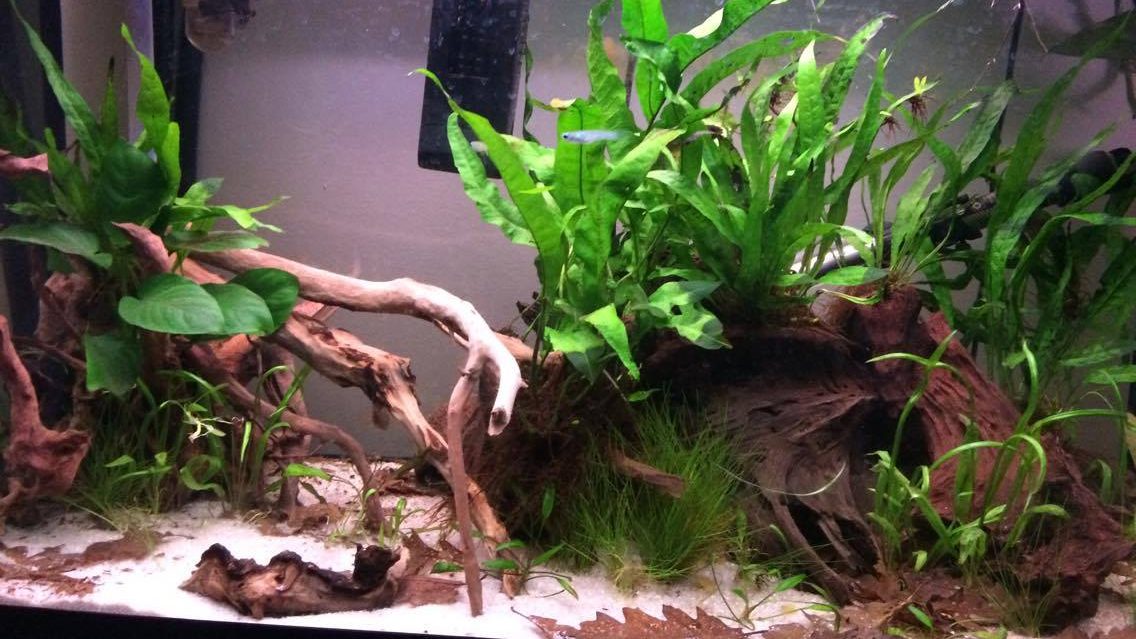
I have mentioned earlier how plants might not be present or found in large numbers in freshwater habitats (Murphy et al., 2019). The presence and availability of plants in freshwater ecosystems is limited by factors linked often to stream order such as sedimentation, light availability, nutrient availability etc. (Fig 1). In freshwater where there might not be the sediment available for plants to root down you might see microbes such as photosynthetic bacteria, algaes and protozoa where they can cling on but take advantage of the light. There are other elements of freshwater which might be harsh to plants, the lack of light availability further downstream but there are plants who have evolved adaptation to this e.g. water lilies, Nymphaea growing fast to the surface or floating plants.

Where botanicals have been used from the influence of biotopes the planted aquarium is quite different. A few years ago natural was coined by aquascapers to describe a planted tank and now to be a tank with just plants but strongly influenced from the work of controversial Diana Walstad. There are so many variabilities with these new natural planted aquariums they are so difficult to discuss variabilities such as plant species, nutrient diversity and misunderstanding of freshwater ecosystems they are difficult to discuss.

I come from a horticulture background, my father who always had a diversity of exotic plants before moving to allotments and my mother a professional gardener, many of my grandparents and family have connections to horticulture. I grew up watching BBC Gardeners World. This has meant understanding of plants and their care is the norm to me, I’ve had house plants since my first memories and was encouraged to have a garden. This information about me is not entirely important, but from a young age it was ingrained the importance of different compounds depending on the species of plant, the pH of the soil and many abiotic factors. I am also a house plant enthusiast so keep relatives or the plants we often keep on our aquariums. Many of these plants are not being kept as how they would be found in the wild, this effects their morphology and their growth. Nutrient availability particularly ratios of each compound is important for many plants. Soil is not soil or dirt, soil is a substrate that represents many different types.
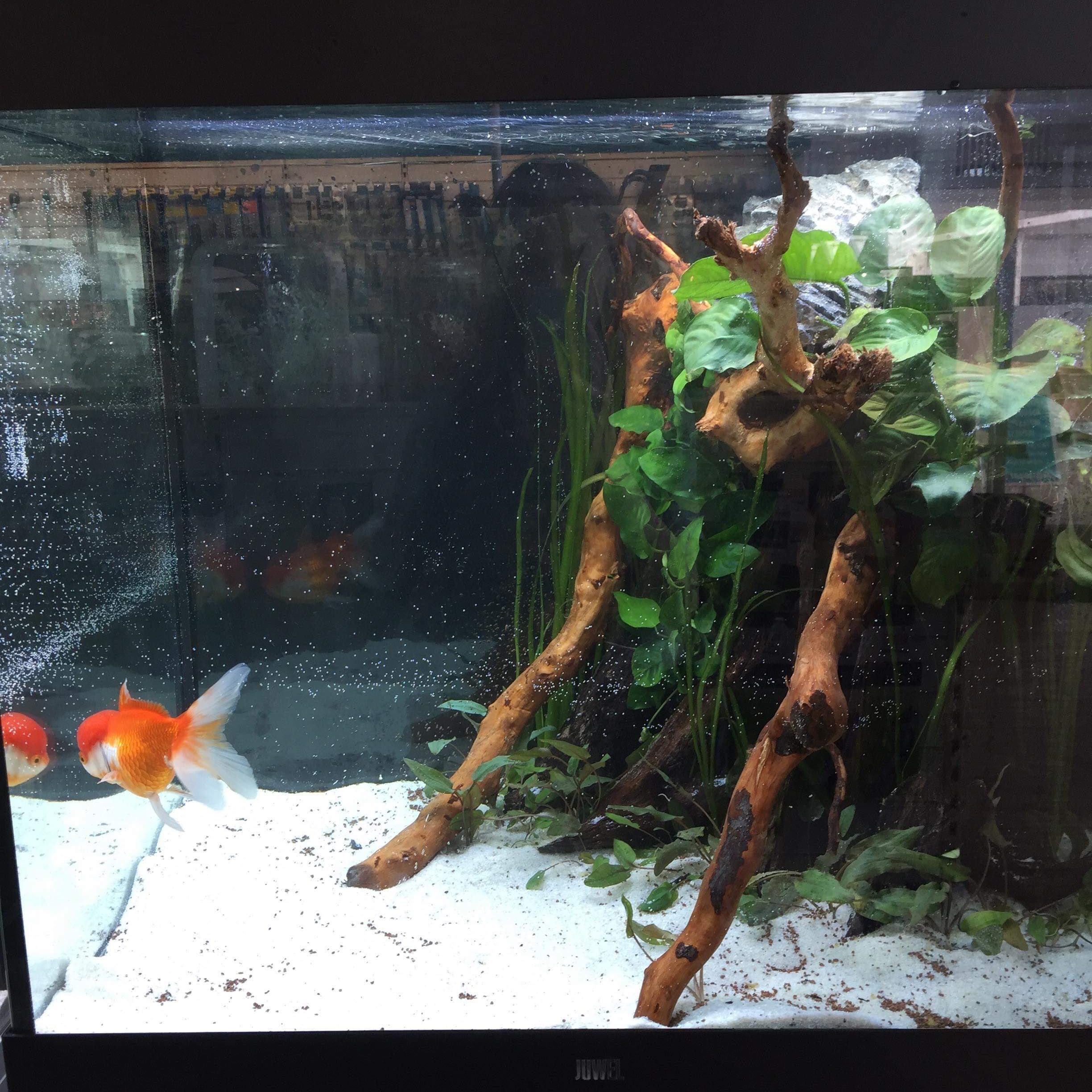
This understanding of soil I feel lacks the biggest understanding in the hobby as there is a wide diversity of different soils, even the reptile hobby recognises this. We have clay, sand, silt, loam, peat and chalk according to the Royal Horticulture Society (https://www.rhs.org.uk/soil-composts-mulches/soil-types) but more importantly the combination of which massively effects how plants might grow and which plants. In aquariums we also have to think about algaes and other microbes who will take advantage of this nutrients. Like earlier the amount of one compound/nutrients can effect the uptake of another. In horticulture we are only thinking about the plants but aquariums there are other organisms, even in horticulture when thinking about other organisms we can go drastically wrong.

I don’t think I can easily explain this whole topic in one article. Planted tanks are often more human-centric. Aquascapes often focusing on the human requirements of aesthetics, maybe lacking hiding spaces or where a fish might need to dig, definitely worth thinking about. In comparison the recent popular planted aquariums don’t focus on the fishes, never mentioning fish biology.

Why do I discuss this?

I am a fishkeeper and a biologist but freshwater fishes are my passion. Of all the aspects of the hobby the word natural has been misused as a keyword. Maybe nothing I say here matters because it is used as clickbait more then often. What matters more is to research individual fishes and their biology. If you want to keep plants, keep plants but consider the fishes if you’re adding them.

My passion is largely Loricariids and rasping fishes, regarding black water and botanicals there are definitely a large number of Loricariids found in ecosystems with those, mostly representatives of the subfamilies Loricariinae and Hypoptopominae. These planted ‘natural’ aquariums often do not provide enough current, not enough water changes and not enough oxygen, temperature. This is likely due to Loricariids being seen as generalist even if that is a total myth.

References:

Bogotá-Gregory, J. D., Lima, F. C., Correa, S. B., Silva-Oliveira, C., Jenkins, D. G., Ribeiro, F. R., … & Crampton, W. G. (2020). Biogeochemical water type influences community composition, species richness, and biomass in megadiverse Amazonian fish assemblages. Scientific Reports10(1), 15349.

Department for Environmental and Rural Affairs, Forestry England, Animal and Plant Health Agency & Gardiner, J. (2019). Invasive Species Week: American skunk cabbage creates a stink. GOV.UK. https://www.gov.uk/government/news/invasive-species-week-american-skunk-cabbage-creates-a-stink#:~:text=American%20skunk%20cabbage%20was%20first,an%20ornamental%20plant%20in%201901.

Eastwood, N., Zhou, J., Derelle, R., Abdallah, M. A. E., Stubbings, W. A., Jia, Y., … & Orsini, L. (2023). 100 years of anthropogenic impact causes changes in freshwater functional biodiversity. bioRxiv, 2023-02.

Faghihinia, M., Xu, Y., Liu, D., & Wu, N. (2021). Freshwater biodiversity at different habitats: Research hotspots with persistent and emerging themes. Ecological Indicators129, 107926.

Franco, L. S., Shanahan, D. F., & Fuller, R. A. (2017). A review of the benefits of nature experiences: More than meets the eye. International journal of environmental research and public health14(8), 864.

Lewis Jr, W. M., Hamilton, S. K., Rodríguez, M. A., Saunders III, J. F., & Lasi, M. A. (2001). Foodweb analysis of the Orinoco floodplain based on production estimates and stable isotope data. Journal of the North American Benthological Society20(2), 241-254.

Murphy, K., Efremov, A., Davidson, T. A., Molina-Navarro, E., Fidanza, K., Betiol, T. C. C., … & Urrutia-Estrada, J. (2019). World distribution, diversity and endemism of aquatic macrophytes. Aquatic Botany158, 103127.

Nyingi, D. W., Gichuki, N., & Ogada, M. O. (2013). Freshwater ecology of Kenyan highlands and lowlands. In Developments in earth surface processes (Vol. 16, pp. 199-218). Elsevier.

Schultz, R., & Dibble, E. (2012). Effects of invasive macrophytes on freshwater fish and macroinvertebrate communities: the role of invasive plant traits. Hydrobiologia684, 1-14.

Scott, S. E., Rozin, P., & Small, D. A. (2020). Consumers prefer “natural” more for preventatives than for curatives. Journal of Consumer Research47(3), 454-471.

Søndergaard, M., & Jeppesen, E. (2007). Anthropogenic impacts on lake and stream ecosystems, and approaches to restoration. Journal of applied ecology44(6), 1089-1094.

Simpson, D. A. (1986). Taxonomy of Elodea Michx in the British Isles. Watsonia16, 1-14.

Tonin, A. M., Goncalves Jr, J. F., Bambi, P., Couceiro, S. R., Feitoza, L. A., Fontana, L. E., … & Boyero, L. (2017). Plant litter dynamics in the forest-stream interface: precipitation is a major control across tropical biomes. Scientific Reports7(1), 10799.

Wilson, E. O. (2007). Biophilia and the conservation ethic. Evolutionary perspectives on environmental problems, 249-257.
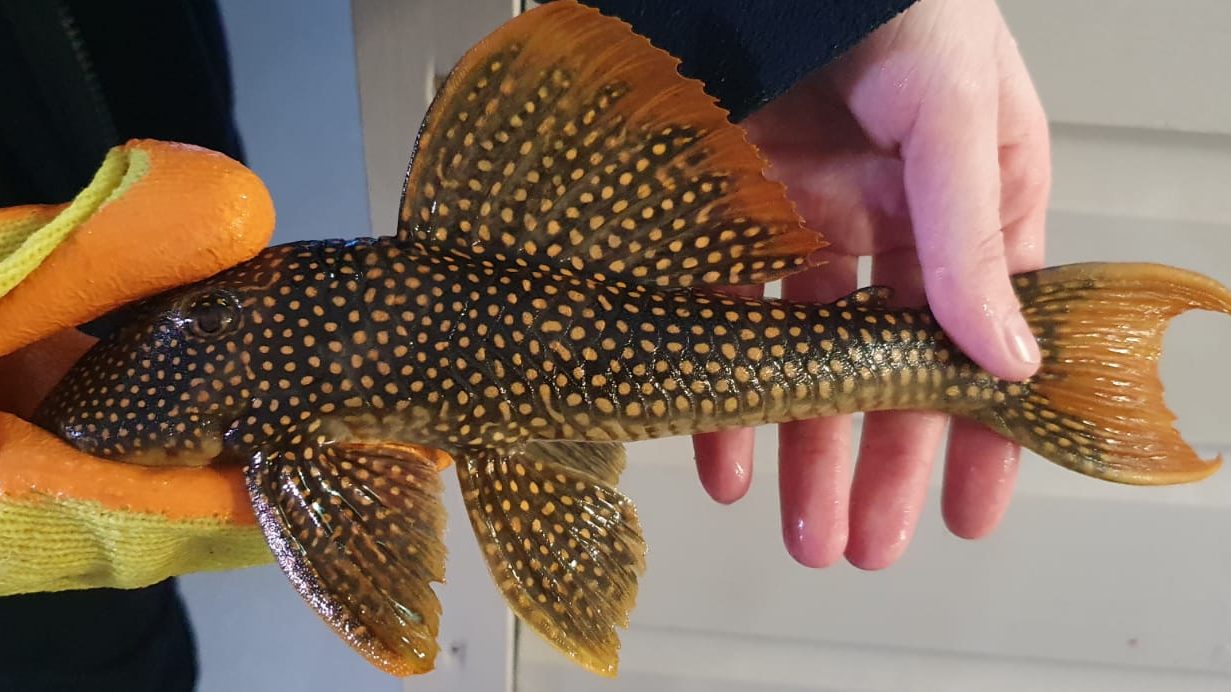
How to Measure Your Fish, Properly and Scientifically

Little to common knowledge is that fishes are measured in multiple different ways and using different land marks to measure the fish from. These landmarks standardise any measurements and are frequently used in scientific papers over weight. The measuring of fishes is known as morphometrics, “morpho” coming from morphology the study of body shape and “metrics” coming from measuring.

Aspects of these measurements can be formal although many do provide a use in describing species and the landmarks used can be specific to particular taxa, groups. These measurements and as they change with age or between species, genera and families can tell us how fishes shape changes to the environment or allometric influences.

There are a few particularly common morphometrics that are most important as a fishkeeper to know:

  • Total Length (TL): This is the measurement from the tip of the head to the tip of the tail/caudal fin. This is the most problematic as caudal fins are commonly damaged and the length can be exceptionally and misleadingly long in some species or individuals. For example Panaqolus albivermis grows to around 12cm excluding this caudal fin but including the caudal fin and the extensions could bring it up to 20cm. Most reliable websites do not use this measurement.
  • Fork Length (FL): Very infrequently used in the aquarium hobby, this measurement goes from the tip of the head to the dip between the two lobes of a forked caudal fin. Similar flaws to total length but not all fishes have forked tails.
  • Standard Length (SL): As the name suggests this is the most reliable and common measure. Standard Length measures from the tip of the head to the end of the caudal peduncle or more easily remembered as to the base of the caudal fin. This measurement totally excludes the caudal fin and any variations with it. As this is the most reliable measurement reliable websites such as Seriously Fish, Planet Catfish, Scotcat etc. all use it even if they might not state it.
  • Head Length (HL): Rarely mentioned but worth just including, this is the measurement from the tip of the head to the end of the nuchal plate in Loricariids but seems to be end of the gill oppercula in others.

As people might have worked out there is a problem with these three measurements, many people are simply not aware they exist and therefore basing stocking and fish judgements on an incorrect measurement of length. For some species this misunderstanding might not make much of a difference but for some it could mean the difference between a 30cm fish and a 50cm fish.

It is also good to note that the metric system is used within science as it is the standard system and while many people use inches there is a reasonable difference in size particularly if choosing smaller fishes between each inch.

So why are these measurements used?

Well scientific papers and particularly species descriptions need standard units of measure. As hobbyists for many fishes particularly those who aren’t common or have not often been kept in the hobby we only have those scientific papers to go by on how big the fish gets. Sometimes we don’t even know potentially how long but these scientific papers will generally list the sizes of all the fishes they have caught. Assumptions can be made but do we want assumptions or honesty?

Many websites likely copy the length measurements of the reliable websites and do not transfer over how the fish are measured and this likely causes a lot of confusion.

Other Morphometrics

Maybe not so useful to aquariums apart from understanding physiology is there are many other measurements of fishes between different land marks all over the fish. These can be useful to identify certain fishes such as Panaque armbrusteri has a shorter pectoral fin then Panaque nigrolineatus (Lujan et al., 2010).

These measurements are generally what is specific to a group of fishes for example for Loricariidae we follow Armbruster (2009) as shown below:

Armbruster (2009) description of Peckoltia sabaji displaying the standard morphometrics used in Loricariidae.

1-20 here shows simple standard length and is probably the easiest way to visualise it. These measurements can show how shape changes between different species and individuals, Panaque for example would have deeper measurements around the head whereas Loricariinae will generally be slimmer and narrower.

Measurements are particularly useful for standardising, meaning everyone knows exactly what each other is talking about. Rather then me saying 15cm and someone saying 5 inches and another person saying 20cm. Scientists had long thought out and solved this issue but do state what measurements you are using hence you’ll see me say SL.

References:

Armbruster, J. W. (2003). Peckoltia sabaji, a new species from the Guyana Shield (Siluriformes: Loricariidae). Zootaxa344(1), 1-12.

Lujan, N. K., Hidalgo, M., & Stewart, D. J. (2010). Revision of Panaque (Panaque), with descriptions of three new species from the Amazon Basin (Siluriformes, Loricariidae). Copeia2010(4), 676-704.

Feeding Loricariids – The Basics: The substrate dwellers.

When people think of plecos they think of the term ‘suckermouth catfish’, yet these are the total exception with little to no ability to attach to any surface.

Here I am referring to those Loricariids who spend their time largely on the substrate often with their ornate mouths with many long and short barbels also known as cirri (Rojas-Molina et al., 2019). Unlike most other Loricariids, plecos these fishes are not crevice spawners and in some species the ornate cirri are used by the males to hold the eggs (Corvain & Fisch-Muller, 2007). There is one exception here, I tend to classify Isorineloricaria and Aphanotorulus (previously known as Squaliforma) and largely known as the Thresher plecos, these are in the subfamily Hypostominae where the majority of well known Loricariids, plecos place. While the majority of this category are in the subfamily Loricariinae often known as whiptail catfish.

So this is not so much a nutritional, dietary category as much as to where they feed and to me that makes a massive difference. Scientifically there isn’t the greatest understanding of this group either but hopefully with future advances in the coming years we can. So obviously I will have to edit this one day.

Many of these species forage and locate food by processing the substrate a bit like Panaque process wood in search of their food. Using their jaws they filter food objects from that substrate. All of these species really need a sandy substrate, not just because many need to hide in it but also the enrichment of naturally removing food from it.

There are both algivores/detritivores and carnivores in this category. Ofcourse I definitely recommend reading my article on algivores and detritivores but their mode of feeding limits a lot.

What genera are in this category?

  • Aphanotorulus (Squaliforma): Generalist detritivore
  • Crossoloricaria
  • Hemiodontichthys acipenserinus: Maybe a carnivore?
  • Isorineloricaria: Likely generalist detritivore.
  • Loricaria
  • Planiloricaria cryptodon: Either carnivore or feeds on seeds.
  • Pseudohemiodon: Suggested to be periplakton and algaes but could also feed on seeds.
  • Reganella
  • Rineloricaria (To an extent): Not exactly purely the substrate but do interact a lot with it.

There isn’t that many and I think this niche in many habitats are often catered for by other groups of fishes.

Anything these fishes feed needs to sink but that’s usually a given for Loricariids and ideally not large food items. Some of these genera have few to any teeth and very small jaws so cannot break into large food items. I’m not even sure we entirely know the actual mode of feeding they use and for research they are not the cheapest to obtain. For Isorineloricaria and Aphanotorulus their jaws are large and strong so it doesn’t make the largest amount of difference.

There are multiple genera here with morphology/anatomy that is unexplained, split between granivores (Seeds) or potentially molluscivorous (Gastropods like snails and bivalves) we just don’t know. We do know from a previous article that hardness of food items can matter so I think either way providing both would be beneficial, seeds such as from non-citrus fruits or apples, such as blue berries. Pest snails, no harm in having them as suggested in my snail article they can be a benefit. These are great snails for such species as easy for them to break down with the pharyngeal jaws.

When it comes to carnivores their interaction with the substrate does hint to them feeding on those invertebrates such as annelids and insect larvae that spend a considerable amount of time there.

It’s so difficult as we are making a lot of assumptions as to what they are eating and here I will treat them as the same. There is likely a lot of overlap at least. So as per the previous article into algivores and detritivores I highly recommend a good basic diet to build off. This will provide the essential nutrition to work off.

Anyway suggested basis diets:

  • Repashy Soilent Green and Bottom scratcher: Large diversity of algaes and high amounts of these algaes in Soilent Green. Bottom Scratcher on the other hand is very high in invertebrate items. They are higher up the list of ingredients so make up a lot of these diets. Easy to access for the majority of the world with many distributors. A gel diet so can be mixed to different consistencies and cooked to a jerky. It sinks and is very easy to break apart even if large by many of these species. The issue is what to which species if their diet is unknown.
  • In The Bag, Tropical Fish UK, Pleco Pops! Algae Grazer or Crickie-Dough: Over 75% algaes which is a very high amount for the algae based diet. The Crickie-Dough is even better I’d argue then bottom scratcher as high in crustaceans which is what most of these fishes would eat in the wild. While Repashy Bottom scratcher does provide a mollusc it is not closely related to gastropods or bivalves. Also a gel diet, the gelling agent used is brilliant as holds for an extremely long time, over 24 hours which is longer then any other gel food or one you can make your own. Cocoa powder is one is the most interesting and brilliant ingredients!
  • New Life Spectrum, Algaemax: Not to be confused with others of the same name so check the ingredients. Does contain a lot of algal ingredients but I can’t comment further due to UK availability.
  • C.E Essentials, Naturekind: While aimed at discus, Symphysodon it does contain a lot more algaes then other diets.
  • Should you make your own? You can but and that is a big but narrowing down the gelling agent that can last a few hours. This is difficult and takes time. Making your own diet commands research into nutrition and I’m really just only a beginner I think in that. It’s a large initial financial input as the ingredients particularly algaes are not cheap. This might be the only solution for some people in many countries and it is a debate for me how to help there.

Now to additions or supplements:

Frozen foods: A diversity of them would be brilliant so they can really feed off the substrate. Avoiding mussels as high in thiaminase and deficient in thiamine.

Live foods: Avoid any that move around the water column but those that focus in the substrate would be brilliant and offer more natural enrichment particularly black worms and tubifex.

Nori: Once it’s no longer a sheet I’d be inclined to suggest this as it rests in the substrate eventually, maybe not the best.

Earthworms: For larger species these might be found at the reptile store under the name Dendrobaena but definitely not to be missed. Do not forget though as they can survive underwater for some time if left and forgotten.

This sounds like a very limited list but compared to traditional algivores and detritivores frozen foods alone offers a lot more!

References:

Covain, R., & Fisch-Muller, S. (2007). The genera of the Neotropical armored catfish subfamily Loricariinae (Siluriformes: Loricariidae): a practical key and synopsis. Zootaxa1462(1), 1-40.

Rojas-Molina, Y. A., Provenzano-Rizzi, F., & Ramírez-Gil, H. (2019). A new species of whiptail armored catfish, genus Pseudohemiodon (Siluriformes: Loricariidae) from the Orinoco River basin, Llanos region of Colombia and Venezuela. Neotropical Ichthyology17, e180160.

Feeding Loricariids – The Basics. Part 1: Algivores, Detritivores and the Wood ‘Eaters’.

This is a seriously large topic with 1,050 species according to Catalog of Fishes, so it’s not a simple answer. The majority of Loricariids are algivores and detritivores (Lujan et al., 2012). Even within detritivory and algivory there is partitioning (Lujan et al., 2011), this does mean they will not be feeding on the same thing. There is little research if to whether their diet changes with age but it seems there might be slight changes, certainly not towards any omnivorous/carnivorous diet as adults still had algae within their gut (Nonogaki et al., 2007), there is although evidence for seasonal shifts in diet (Mazzoni et al., 2010).

Baryancistrus xanthellus (Gold Nugget Pleco)

Here as I cannot really discuss all species and we are still in early days of understanding Loricariid diets I will present different categories with diets and suggestions to further supplement their diet.

Contents:

  1. Algivores/Detritivores
  2. What brands can I recommend as this basis to the diet, the foundations?
  3. What genera are included in this (off the top of my head)?
  4. Quick comment on wood ‘eaters’
  5. So lets discuss supplements and additions to further cater for these fishes diets.
  6. Gut Biota, what and why?
  7. References:

Algivores/Detritivores

It’s almost impossible to separate algivores and detritivores when it comes to Loricariids as there is so much overlap between the two categories but of course there is partitioning. It’s just we can’t really entirely cater for that partitioning. A lot of what is contained within detritus is this matrix of bacteria, protozoa, algaes and other microbes. In addition there are species who will feed more on algaes and some certain algaes like cyanobacteria e.g. Lasiancistrus caucanus (potentially L. mayoloi; Valencia & Zamudio, 2007), while others who might focus more on bacteria or fungi. We really don’t entirely know how much subdivision there is beyond the fact it exists. This is maybe the most fascinating dietary category as few other groups of fishes can do it like Loricariids can.

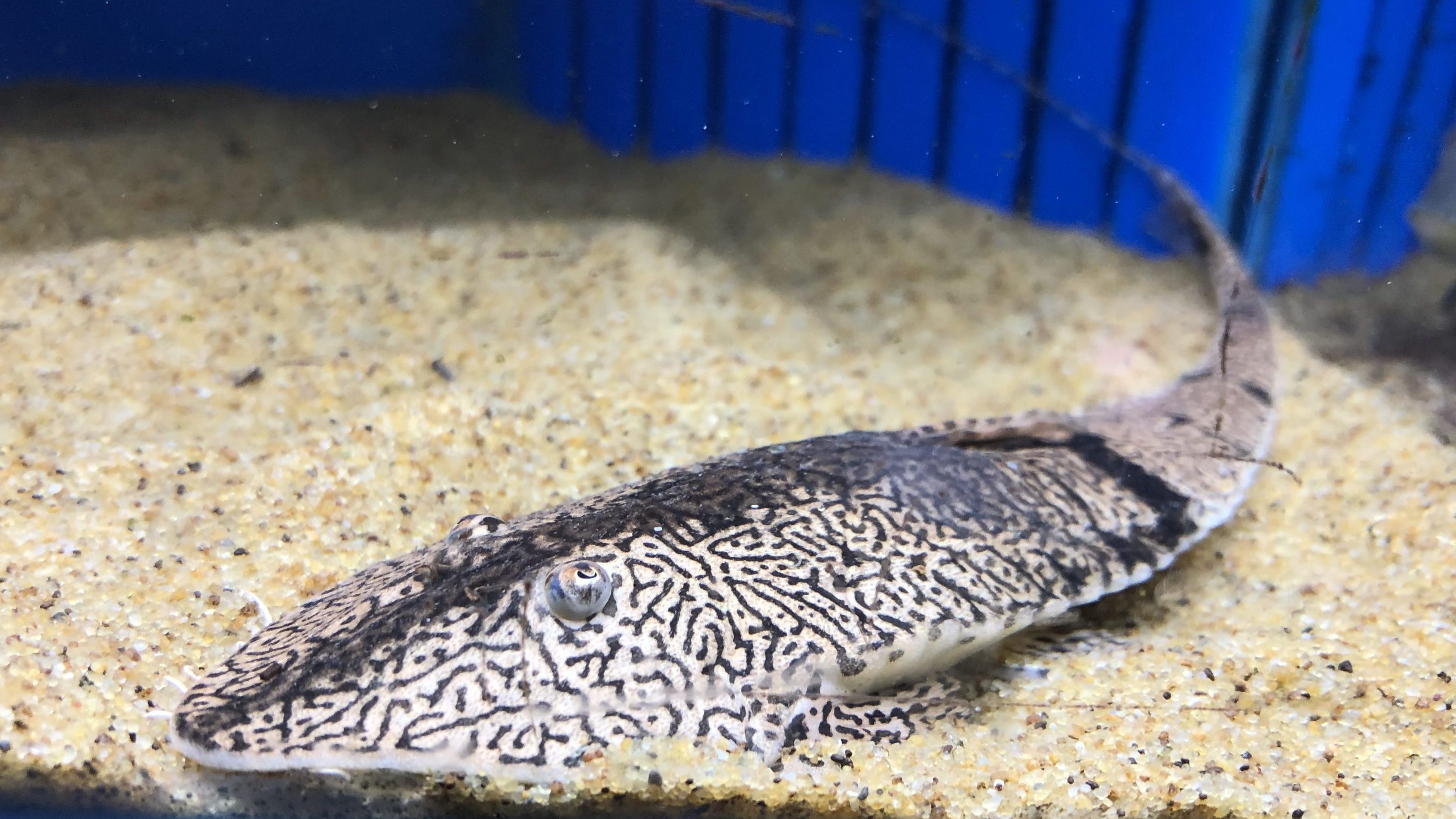
Chaetostoma sp. from Pier Aquatics, Wigan.

So, this category fills up the majority of Loricariids (Lujan et al., 2012) yet is maybe the most misunderstood or catered for. Bacteria, protozoa and other microbes are not really available in any commercial diets or even as ingredients which is very limiting leaving just algaes. We do know algaes are great in nutrition given just one species of algae replaced the nutritional requirements of a commercial diet which contained fish meal, cereals but only very few algaes in small volumes (Vucko et al., 2017).

The common misconception is that algaes are low in protein, yet they can be very high (Chen et al., 2022). This misconception comes from their similarity to plants but only green algaes are closely related to plants, while the term algae includes many other groups e.g. spirulina which is a cyanobacteria. Plants used in fish feeds might even lack many essential amino acids or contain anti-nutritional factors (Trevi et al., 2023). Algaes aren’t just high in protein but also very high in vitamins, minerals and essential fatty acids, to top the list of why algaes are great is their benefits on fish pigmentation (Alagawany et al., 2021; Trevi et al., 2023; Chen et al., 2022). So certainly an ingredient that shouldn’t be forgotten.

As we are talking fishes that feed on algaes as a large amount of their wild diets I can’t see how these simple ingredients are not useful. There is the issue of palatability and I have largely noticed they might struggle to recognise food not growing on a surface so in a wafer or pellet as algaes hence some taxa like those which are carnivores seem to do better then the very strict algivores.

So all we have to go off is a very small set of algaes but what should you look for in a main staple diet?

A main diet is what I see as the foundations of any fish food, this will contain all the main nutrition, vitamins and minerals. I understand additionally that different foods are limited around the world and cost also varies which makes it incredibly difficult for this dietary group.

Parancistrus aurantiacus (Xanto pleco)

What brands can I recommend as this basis to the diet, the foundations?

  • Repashy Soilent Green and Repashy Super Green: Large diversity of algaes and high amounts of these algaes, I believe 80% in Super Green. They are higher up the list of ingredients so make up a lot of these diets. Easy to access for the majority of the world with many distributors. A gel diet so can be mixed to different consistencies and cooked to a jerky.
  • In The Bag, Tropical Fish UK, Pleco Pops: Over 75% algaes which is a very high amount. Also a gel diet, the gelling agent used is brilliant as holds for an extremely long time, over 24 hours which is longer then any other gel food or one you can make your own.
  • New Life Spectrum, Algaemax: Not to be confused with others of the same name so check the ingredients. Does contain a lot of algal ingredients but I can’t comment further due to UK availability.
  • C.E Essentials, Naturekind: While aimed at discus, Symphysodon it does contain a lot more algaes then other diets.
  • Should you make your own? You can but and that is a big but narrowing down the gelling agent that can last a few hours. This is difficult and takes time. Making your own diet commands research into nutrition and I’m really just only a beginner I think in that. It’s a large initial financial input as the ingredients particularly algaes are not cheap. This might be the only solution for some people in many countries and it is a debate for me how to help there.

What genera are included in this (off the top of my head)?

  • Acanthicus (maybe, the rest of that group isn’t)
  • Acestridium
  • Ancistrus
  • Aphanotorulus
  • Baryancistrus
  • Chaetostoma
  • Cordylancistrus
  • Guyanancistrus
  • Hemiancistrus
  • Hypancistrus
  • Hypoptopoma
  • Hypostomus
  • Isorineloricaria
  • Lasiancistrus
  • Nannoptopoma
  • Otocinclus
  • Panaqolus
  • Panaque – Largely specialist for extracting microbes and fungi from wood.
  • Parancistrus
  • Parotocinclus
  • Peckoltia
  • Pogonopoma
  • Pseudancistrus
  • Pseudorinelepis
  • Pterygoplichthys
  • Rhinotocinclus
  • Rinelepis
  • Spectracanthicus – maybe excluding S. murinus
  • Sturisoma
  • Sturisomatichthys

Obviously I might forget a few or they aren’t even seen in the trade. There is also a lot we haven’t found on these fishes diets yet. I also haven’t included some that I put other niches for other reasons e.g. the substrate dwellers. I also can’t use common names as I’d end up making a list of hundreds for every common name there is.

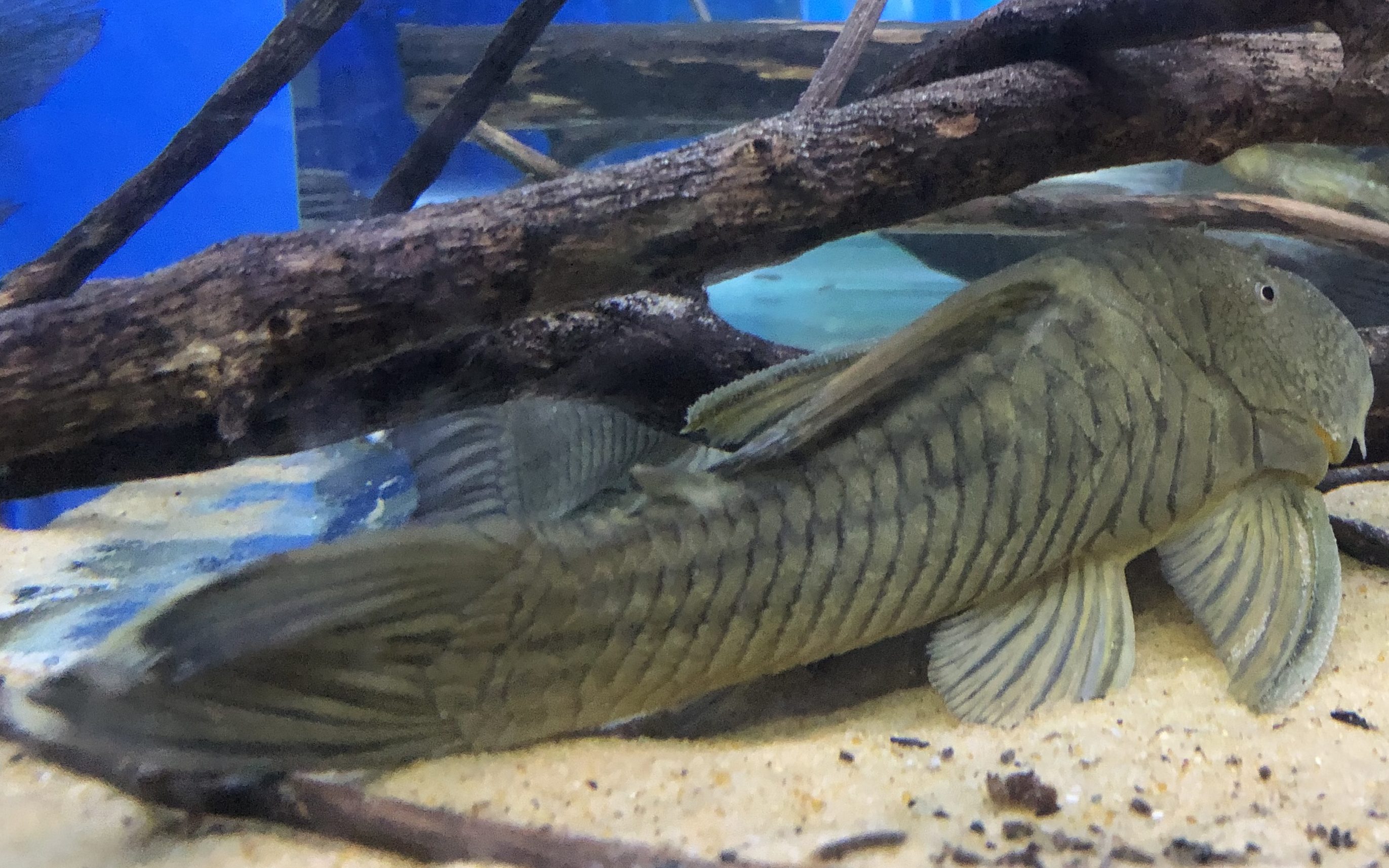
Panaque nigrolineatus (watermelon pleco, one of the many Royal plecos)

Quick comment on wood ‘eaters’

These fishes have been proven as the article linked here cites to not digest wood or use it for digestion. Instead these genera Panaque, Panaqolus, the Hypostomus cochliodon group and Lasiancistrus heteracanthicus digest the microbes within wood in the wild but are just finding it in a different place. They do though consume and digest fungi. If wood within the aquarium had this diversity of microbes it’d decay very rapidly in captivity and it clearly doesn’t given a bit of wood can last years or over a decade.

So lets discuss supplements and additions to further cater for these fishes diets.

  • Vegetables: The most well known and there are always long lists of what they can be fed. They should never replace the algaes as nutritionally do not even compare as even suggested in Trevi et al. (2023). There is always a use in having something when a fish is skinny or newly imported and just feeding, I particularly find sweet potato and courgette great there but it shouldn’t be relied on. For larger species additionally as just padding out their diet and adding to. Given these fishes are rarely if ever feeding on plants in the wild then there is a lot of nutrition that is not easily accessible from plants.
  • Mushrooms: Now I separate these as the only fungi available to use aquarists, for those wood ‘eaters’; Panaque, Panaqolus, Hypostomus cochliodon group and Lasiancistrus heteracanthicus they can be of massive use given they feed on fungi in the wild. Potentially other algivores/detritivores might additionally feed on these but it is difficult to identify for many scientists if they do. I definitely recommend removing before 12 hours as it smells strong after being in an aquarium.
  • Additional algaes: Algae powders can be brought and can be mixed in with diets like Repashy soilent green or super green to bulk them up. Just bare in mind they might expire quicker then the Repashy and the amount of gelling agent might not be sufficient for it to hold well with other ingredients. I wouldn’t recommend adding much and any dried seaweeds would need to be blended.
  • Nori: All I can say is great if they will eat it but I think how easily it breaks down in the water column. So for some genera like Pterygoplichthys who are reasonably fast to feed it might actually work.
  • Seeds: These feature reasonably in Hypancistrus diets but given monocots and dicots covers most plants it could mean a lot (Armbruster et al., 2007). I think there is no harm in trying seeds such as sunflower seeds but also small low acidic fruits such as blueberries or blackberries. It could be that these fishes are actually consuming fruits. I have seen multiple examples where Loricariids do feed on these small fruits not just Hypancistrus but Panaqolus seems keen on these food items. I’d definitely not look to citrus fruits, large amounts of fruit and apple seeds are best avoided.
  • Growing rocks in the sun for algae: This can really work and is great for Otocinclus, it’s just being able to do so and the surface growing enough.
  • Botanicals: These could provide benefits but in large amounts or certain types add a lot of complexity to an aquarium. I find additionally the biofilms botanicals produce actually vary in how they appeal to different fishes. They definitely wont sustain anything other then maybe a few of the smallest fish.
  • Nettles: Potentially a great resource that needs to be explored more. Definitely dry than blanch for a few minutes in hot water for a few minutes to remove the sting.
  • General fish foods: These typical diets might not always be bad if bulking out a diet particularly during periods where a fish needs more food.

Gut Biota, what and why?

This is an emerging science regarding to biology but has barely touched the ornamental fish industry beyond probiotics should they work. There is a lot to unpack and I think there is a benefit in having other fishes and their waste providing gut biota. These gut biota might have been lost during importing or a period of stress and poor diet. As much as gut biota might change with introduction after stressful periods diet does also influence this.

The common bristlenose, Ancistrus sp. male.

Wood

I generally in my day job look at Loricariid diets in the literature and other then the previously mentioned genera have never seen wood in the guts of other species. It is not needed and even those species who consume wood as a byproduct do not use it for digestion (Lujan et al., 2011) so is not needed in a diet. Even more so cellulose and lignin were proven not to be digested or used in digestion and these are added into many diets, so these are more wasted space and added waste to any fishes diet.

At the end of the day these are massively misunderstood fishes as is their diet. There are many more Loricariids to understand here such as the carnivores and substrate feeders.

References:

Alagawany, M., Taha, A. E., Noreldin, A., El-Tarabily, K. A., & Abd El-Hack, M. E. (2021). Nutritional applications of species of Spirulina and Chlorella in farmed fish: A review. Aquaculture542, 736841.

Armbruster, J.W., Lujan, N.K. and Taphorn, D.C., 2007. Four new Hypancistrus (Siluriformes: Loricariidae) from Amazonas, Venezuela. Copeia, 2007(1), pp.62-79

Chen, F., Qian, J., He, Y., Leng, Y., & Zhou, W. (2022). Could Chlorella pyrenoidosa be exploited as an alternative nutrition source in aquaculture feed? A study on the nutritional values and anti-nutritional factors. Frontiers in Nutrition9, 1069760.

Lujan, N. K., German, D. P., & Winemiller, K. O. (2011). Do wood‐grazing fishes partition their niche?: morphological and isotopic evidence for trophic segregation in Neotropical Loricariidae. Functional Ecology25(6), 1327-1338.

Lujan, N. K., Winemiller, K. O., & Armbruster, J. W. (2012). Trophic diversity in the evolution and community assembly of loricariid catfishes. BMC Evolutionary Biology12(1), 1-13.

Mazzoni, R., Rezende, C. F., & Manna, L. R. (2010). Feeding ecology of Hypostomus punctatus Valenciennes, 1840 (Osteichthyes, Loricariidae) in a costal stream from Southeast Brazil. Brazilian Journal of Biology70, 569-574.

Nonogaki, H., Nelson, J. A., & Patterson, W. P. (2007). Dietary histories of herbivorous loricariid catfishes: Evidence from δ 13 C values of otoliths. Environmental Biology of Fishes78, 13-21.

Valencia, C. R., & Zamudio, H. (2007). Dieta y reproducción de Lasiancistrus caucanus (Pisces: Loricariidae) en la cuenca del río La Vieja, Alto Cauca, Colombia. Revista del Museo Argentino de Ciencias Naturales nueva serie9(2), 95-101.

Van der Laan, R. & Fricke, R. (2023).  ESCHMEYER’S CATALOG OF FISHES: FAMILY-GROUP NAMES. (http://www.calacademy.org/scientists/catalog-of-fishes-family-group-names/). Electronic version accessed 04 October 2023.

Vucko, M. J., Cole, A. J., Moorhead, J. A., Pit, J., & de Nys, R. (2017). The freshwater macroalga Oedogonium intermedium can meet the nutritional requirements of the herbivorous fish Ancistrus cirrhosus. Algal research27, 21-31.

Trevi, S., Uren Webster, T., Consuegra, S., & Garcia de Leaniz, C. (2023). Benefits of the microalgae Spirulina and Schizochytrium in fish nutrition: a meta-analysis. Scientific Reports13(1), 2208.

Overfeeding within the aquarium – A stomach only the size of their eyes?

You might have heard the statement before, a fishes stomach is only the size of their eye. As a statement it comes from so many sides of truths, half truths and misunderstanding of fish biology.

I would argue the controversial, the majority of fishes we feed too little.

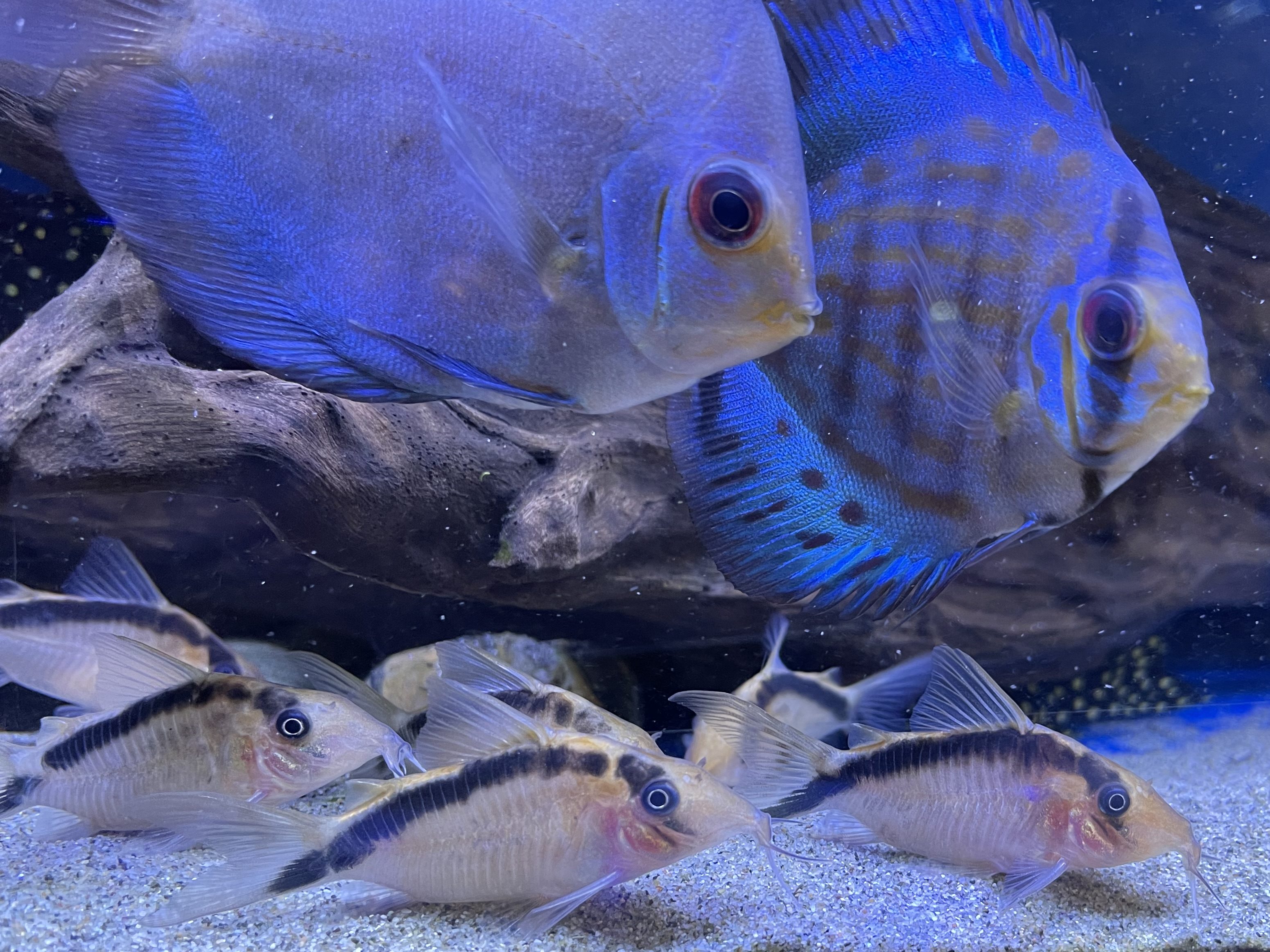
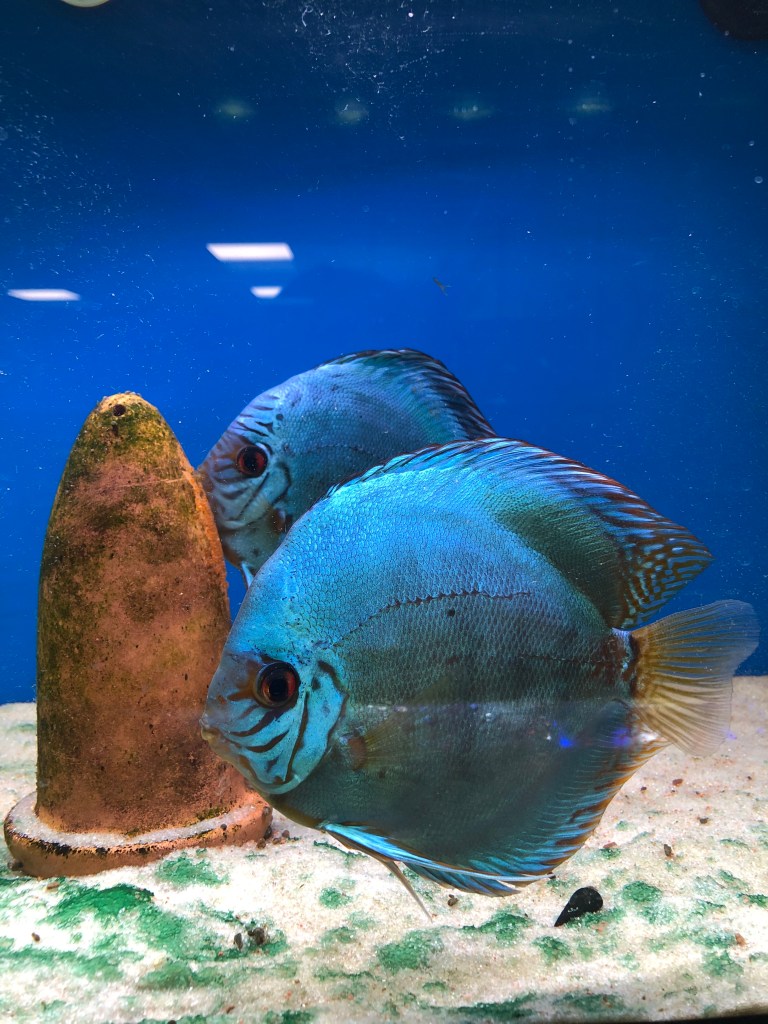
Corydoras bethanae (CW006) and Stendker discus, Symphysodon sp. taken at Maidenhead Aquatics, Wilton near Salisbury.

Largely the reason we don’t overfeed is to avoid overwhelming an aquarium with additional nutrients in the form of uneaten fish food that will decay, the results of that decay are handled by the microbes within the filter. The problem is where there is too much nutrients for those microbes in the filter to handle exposing the fish to it. Ammonia would be the main type of nutrients I am referring to but as we are talking about decay there is a lot more to it. This is the truth, it’s also quite logical but it means when we think about feeding we also need to think in terms of the microbes in the filter.

The stomach of fishes is hugely diverse (Pirhonen et al., 2019; Gosch et al., 2009) and in some species e.g. goldfish, Carassius auratus it is debated on it’s presence but largely the literature leads to the lack of it (McVay & Kaan, 1940; Kodzahinchex et al., 2018). The stomach size can be heavily linked to diet and the ability to specialise (Gosch et al., 2009). In the argument for eye size being related to stomach size, goldfish must lack eyes and imagine the eyes on the gulper catfish, Asterophysus batrachus if this was the case.

How much and how frequently should you feed your fish?

This has to be very species not just that but will have seasonal and allometric variations. There is no hard answer or even a formula, it’s an educated guess that can be narrowed down.

Baryancistrus demantoides, L200 also known as the green phantom or high finned green phantom pleco.

There is a multitude of studies suggesting that more frequent feedings to a point increase the growth of fishes (Fava et al., 2022; Cadorin et al., 2022). Anyone who has seen the two citations will see that farmed for the food industry feature heavily here. While research will always be focused on the highest investor, there is research into ornamental fishes. It’ll also be important to understand frequency and amount are different things, that one day frequency of food might be larger then what you’d feed 5 times a day or less then that.

In a study focusing on angelfish, Pterophyllum scalare by Ribeiro et al. (2012) 15 individual fish per a day were either 30, 60 or 90 grams per a kilogram of body weight, growth plateaued at 60g but 30g can sustain a fish without growth. In the Siamese fighting fish, Betta splendens weight only increased up to three times a day while in the guppy, Poecilia reticulata increased over four times a day, neither mentioned any amounts of food (Norazmi-Lokman et al., 2020). For the Rift Valley cichlid, Melanochromis aureatus growth rate was highest fed twice a day (Karadal et al., 2018).

Of course growth though is only one measure but to go into many others would complicate things and make the article maybe too long. Growth rate is a good all round measure as it can easily indicate how one factor, in our case amount/frequency of feeding influences many factors. Growth is heavily reliant on so many things from temperature, to specifical nutritional values, stress etc. but it does have it’s flaws as a measure.

Zebra pike cichlid, Crenicichla zebrina and I assume thresher plecos, Aphanotorulus emarginatus at Pier Aquatics, Wigan.

So what could effect feeding frequency:

  • Age, younger fishes need to devote a lot more to that growth period as they mature.
  • Breeding, individuals who are rearing young or maturing eggs need to devote more energy into those aspects of reproduction.
  • Temperature, the higher the temperature the more energy will be used and produced. This is more about the fishes optimal temperatures and range of tolerance.
  • Nutrition, a diet with a lower nutritional value will need to be fed a lot more frequently to reach the vital amount of nutrition required by the fish.

There is a misconception that animals generally have one meal every so often, particularly with fishes. This logically cannot be true, take grazing fishes such as discus (Symphysodon spp.), most Loricariids or even many ‘herbivorous’/algivorous/detritivores Rift Valley cichlids who devote large amounts of their time to obtaining food in smaller but frequent volumes (Crampton, 2008; Lujan et al., 2012; Hata et al., 2014). This is just by the nature of feeding on periplankton, algaes or detritus they are almost feeding like cows or rabbits. Although there is aspects of the Liems paradox where certain fishes can generalise and obtain a lot more nutrition in one sitting as seen in two species of grazing Tanganyikan cichlids (Golcher-Benavides & Wagner, 2019). Liems paradox likely has it’s limits though and doesn’t always play well in captivity where food items even if can be eaten can cause nutritional imbalances or issues with health.

Even within carnivores feeding frequency in the wild is going to vary. You can only watch Gymnotiformes, knifefishes and Mormyrids to see as many are micropredators but often at a larger size how often they are feeding. It reminds me of owls who need multiple food items in a day or shrews. They are constantly searching for food.

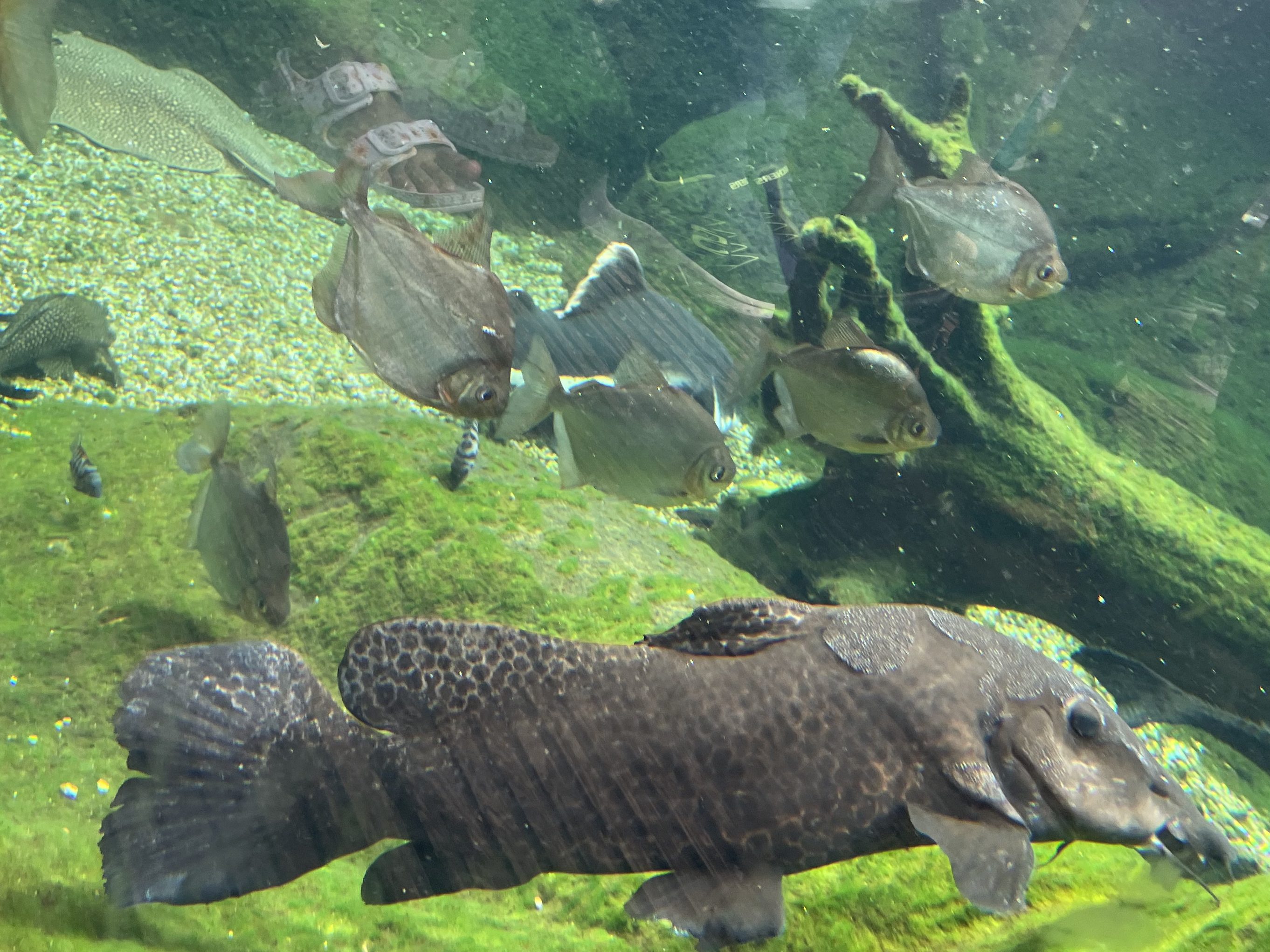
Giraffe catfish, Auchenoglanis occidentalis among many other fished, close up silver dollars, Metynnis sp. at Bristol Aquarium, Bristol.

Feeding frequency does add in questions of nutrition, higher nutritional items might not be need to be fed as frequently but another aspect of that is the rate of digestion which will be a limiting factor. So even if feeding a higher nutrition item, if a fish has a very rapid processing time how much of it will be digested? This is only amplified by food items that contain ingredients that cannot be digested or easy to digest. Such as the difficulty extracting phosphorus and calcium from fish as an ingredient by non-piscivores (Žák et al., 2022).

I personally feel that feeding frequency is behind the stunting of so many fishes particularly Loricariids. And catfishes maybe have lost out the most because there is the idea that they need feeding maybe once or twice a week but Loricariids, these cows of South America really do particularly at night show constant grazing. There was research into this grazing behaviour in Ancistrus sp. and given how much area they can clear and their ecological influence (Power, 1984), they are not once in a day feeders. Someone will argue but artificial captive diets are higher in nutrition, Ancistrus feed largely on algaes and a wide diversity (Lujan et al., 2012) but there is research on a few other species but very few diets (only 2) contain a noticeable amount of algaes. In a study 2017 study by Vucko et al. even just one species of algae replaced the entire commercial feed which if the ingredient list used by most brands. Not just are we not feeding Loricariids enough, we aren’t often feeding them what would be more then enough. Now why is there a claim that these fishes have a slow growth rate in captivity. I would definitely say Royal plecos, gold nugget plecos etc. do not have a slow wild growth rate.

The other aspect of these small feeding amounts is only feeding enough as x fish can eat in x amount of time usually a few minutes. Just watching how some fishes feed proves this wrong. There are many fishes I have kept and worked with who might take hours to reach their food and this will definitely cause harm with. Many are nocturnal or just don’t compete with other fishes.

How to avoid overfeeding?

I’m not sure what to really call overfeeding as there is no overfeeding unless resulting in obesity of the fish. But as it is more about overloading the bacteria with more fish waste or decaying material then they can handle, any increases in feeding should be handle. And if nitrates are peaking then more frequent and/or larger water changes. Sudden changes in feeding is more where issues arise and where water changes aren’t keeping up with the amount of food. Another thing to consider is the amount of waste produced and if the mechanical filtration can keep up or siphoning. I have not though mentioned how different food items and ingredients can heavily influence the amount of waste a fish is eating due to how much might not be digested, another story for another day.

How often you feed and the amount depends on the fish and understanding it’s biology and ecology. So again research is more then key here.

References:

Cadorin, D. I., da Silva, M. F., Masagounder, K., & Fracalossi, D. M. (2022). Interaction of feeding frequency and feeding rate on growth, nutrient utilization, and plasma metabolites of juvenile genetically improved farmed Nile tilapia, Oreochromis niloticus. Journal of the World Aquaculture Society53(2), 500-515.

Crampton, W. G. (2008). Ecology and life history of an Amazon floodplain cichlid: the discus fish Symphysodon (Perciformes: Cichlidae). Neotropical Ichthyology6, 599-612.

Fava, A. F., de Souza Bezerra, G., Neu, D. H., Bittencourt, F., Signor, A., Carvalho, K. V., … & Boscolo, W. R. (2022). Effects of Feeding Frequency for Nile Tilapia Fingerlings (Oreochromis niloticus). Aquaculture Nutrition2022.

Golcher-Benavides, J., & Wagner, C. E. (2019). Playing out Liem’s paradox: Opportunistic piscivory across Lake Tanganyikan cichlids. The American Naturalist194(2), 260-267.

Gosch, N. J., Pope, K. L., & Michaletz, P. H. (2009). Stomach capacities of six freshwater fishes. Journal of Freshwater Ecology24(4), 645-649.

Hata, H., Tanabe, A. S., Yamamoto, S., Toju, H., Kohda, M., & Hori, M. (2014). Diet disparity among sympatric herbivorous cichlids in the same ecomorphs in Lake Tanganyika: amplicon pyrosequences on algal farms and stomach contents. Bmc Biology12, 1-14.

Karadal, O., Güroy, D., & Türkmen, G. (2018). Effects of feed type and feeding frequency on growth performance, reproductive efficiency and skin coloration of auratus cichlids (Melanochromis auratus). Aquaculture Studies18(2), 135-144.

Kodzhahinchev, V., Biancolin, A., & Bucking, C. (2018). Quantification of Mg2+, Ca2+ and H+ transport by the gastrointestinal tract of the goldfish, Carassius auratus, using the Scanning Ion-selective Electrode Technique (SIET). Plos one13(12), e0207782.

Lujan, N. K., Winemiller, K. O., & Armbruster, J. W. (2012). Trophic diversity in the evolution and community assembly of loricariid catfishes. BMC Evolutionary Biology12(1), 1-13.

McVay, J. A., & Kaan, H. W. (1940). The digestive tract of Carassius auratus. The Biological Bulletin78(1), 53-67.

Norazmi-Lokman, N. H., Baderi, A. A., Zabidi, Z. M., & Diana, A. W. (2020). Effects of different feeding frequency on Siamese fighting fish (Betta splenden) and Guppy (Poecilia reticulata) Juveniles: Data on growth performance and survival rate. Data in brief32, 106046.

Pirhonen, J., Muuri, L., Kalliokoski, S. M., Puranen, M. M., & Marjomäki, T. J. (2019). Seasonal and ontogenetic variability in stomach size of Eurasian perch (Perca fluviatilis L.). Aquaculture International27, 1125-1135.

Power, M. E. (1984). Habitat quality and the distribution of algae-grazing catfish in a Panamanian stream. The Journal of Animal Ecology, 357-374.

Ribeiro, F. D. A. S., Vasquez, L. A., Fernandes, J. B. K., & Sakomura, N. K. (2012). Feeding level and frequency for freshwater angelfish. Revista Brasileira de Zootecnia41, 1550-1554.

Vucko, M. J., Cole, A. J., Moorhead, J. A., Pit, J., & de Nys, R. (2017). The freshwater macroalga Oedogonium intermedium can meet the nutritional requirements of the herbivorous fish Ancistrus cirrhosus. Algal research27, 21-31.

Žák, J., Roy, K., Dyková, I., Mráz, J., & Reichard, M. (2022). Starter feed for carnivorous species as a practical replacement of bloodworms for a vertebrate model organism in ageing, the turquoise killifish Nothobranchius furzeri. Journal of Fish Biology100(4), 894-908.

Fishes Only Grow to the Size of the Aquarium?

This statement and those disagreeing features constantly in aquarium groups, websites, videos or any format. It’s such a well known saying with truths and untruths. The truths maybe as are as harmful as the untruths. So can fish grow to the size of the aquarium?

Here we have to really discuss stunting, the process at which growth is stalled or slowed down to one or more organs, tissues or anatomical parts. Here we are looking for causes not caused by malnutrition as that will cause changes in growth of fishes.

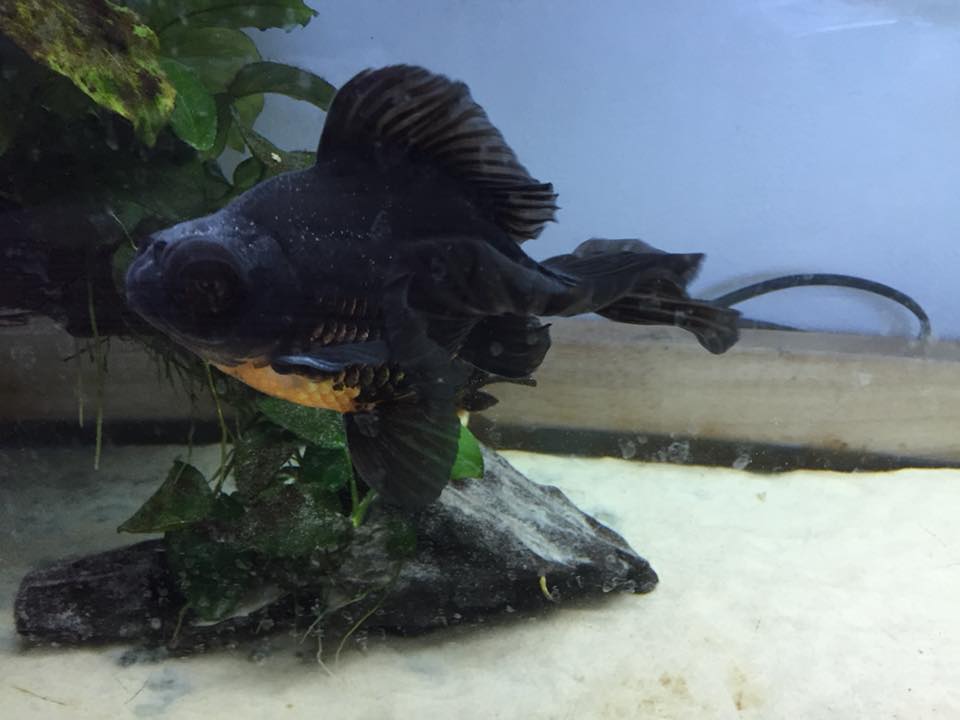
Butterfly tailed globe eye fancy goldfish, Carassius aureatus.

It is important to emphasize that the causes of reduced growth are not so much the size of the aquarium but the water it holds so aquariums where water is constantly being refreshed at a level that doesn’t result in a build up of certain compounds are exempt.

There are almost too many studies looking at stocking density and the growth of fishes, definitely inferring that the higher the stocking of fishes where water is not replaced anymore then the lower densities, the lower the growth rate (Björnsson & Ólafsdóttir, 2006; Maucieri et al., 2019).

The causes of this reduced growth rate are diverse and no doubt species dependent. Water quality is no doubt a large contributing factor as with higher stocking the lower the water quality and the more maintenance is required. In Björnsson & Ólafsdóttir (2006) the conclusion was ammonia was the largest cause of that reduced growth rate. While in a 2022 study it was suggested that low oxygen, pH, high ammonia, nitrite and nitrates all contributed to decreasing growth rate in the nile tilapia, Oreochromis niloticus (Abd El-Hack et al., 2022). And nitrite and nitrates particularly were found to reduce growth rate in grass carp, Ctenopharyngodon Idella (Zhang et al., 2023)

Outside of the contributions of fish waste to growth rate is the interaction between different species, higher densities in general and the social interactions, aggression or even without that can decrease or decrease growth rate depending on the species (da Silva et al., 2021). Pheromones are frequently mentioned in the aquarium hobby although I cannot seem to find any scientific research into their influence on growth rate, so should we assume either way?

Blue turk Stendker Discus, Symphysodon sp. with cyanobacteria.

There is a lot more to this story though, while there is the argument fishes can be stunted in the hobby what are the effects? No doubt this is largely species specific and depends on the cause of the stunting as certain compounds such as ammonia, nitrites, nitrates and oxygen will have different physiological effects. Many people probably falsely report the organs keep growing but the body does not, I can’t see this being physiologically viable but individual organ enlargement does seem reasonably common.

While not entirely relevant I feel it is particularly interesting where predation and food limitation occurred results in stunting of the rest of the body while the head grows closer to a normal rate and shape (Chizinski et al., 2010). This is so similar to the eye size reported in discus that are stunted. A study with quite the number of variables where goldfish, Carassius auratus were kept in a pond with a limited space displayed abnormalities differing them from wild/feral individuals (Almeida et al., 2008).

So do we have a conclusion here? I’m not entirely sure. We know that growth is effected by what the size of an aquarium usually entails such as poor water quality and increased stocking but that is not quite the same as growing to the same size as the aquarium. What I did miss is the many studies into how water quality increases mortality and is that maybe a lot more important? So regardless if a fish is stunted but has a higher chance of death that should be the real focus of appropriate aquarium size.

References

Abd El-Hack, M. E., El-Saadony, M. T., Nader, M. M., Salem, H. M., El-Tahan, A. M., Soliman, S. M., & Khafaga, A. F. (2022). Effect of environmental factors on growth performance of Nile tilapia (Oreochromis niloticus). International Journal of Biometeorology66(11), 2183-2194.

Almeida, D., Almodóvar, A., Nicola, G. G., & Elvira, B. (2008). Fluctuating asymmetry, abnormalities and parasitism as indicators of environmental stress in cultured stocks of goldfish and carp. Aquaculture279(1-4), 120-125.

Björnsson, B., & Ólafsdóttir, S. R. (2006). Effects of water quality and stocking density on growth performance of juvenile cod (Gadus morhua L.). ICES Journal of Marine Science63(2), 326-334.

Chizinski, C. J., Pope, K. L., Wilde, G. R., & Strauss, R. E. (2010). Implications of stunting on morphology of freshwater fishes. Journal of Fish Biology76(3), 564-579.

Maucieri, C., Nicoletto, C., Zanin, G., Birolo, M., Trocino, A., Sambo, P., … & Xiccato, G. (2019). Effect of stocking density of fish on water quality and growth performance of European Carp and leafy vegetables in a low-tech aquaponic system. PloS one14(5), e0217561.

da Silva, M. C., Canário, A. V. M., Hubbard, P. C., & Gonçalves, D. M. F. (2021). Physiology, endocrinology and chemical communication in aggressive behaviour of fishes. Journal of Fish Biology98(5), 1217-1233.

Zhang, J. M., Fu, B., Li, Y. C., Sun, J. H., Xie, J., Wang, G. J., … & Yu, E. M. (2023). The effect of nitrite and nitrate treatment on growth performance, nutritional composition and flavor-associated metabolites of grass carp (Ctenopharyngodon idella). Aquaculture562, 738784.

Food hardness, does it matter?

Over generations as humans have eaten softer and softer foods it has resulted in the recession of the lower jaw (von Cramon-Taubadel, 2011). This was a discovery that really shocked people but I’m not really here to talk to you about humans. We are here for the fishes and in fishkeeping we aren’t so interested in change over such long time periods. The question is here, how does the hardness of the food we feed effect our fishes?

There is no doubt that a lot of the commercial diets are particularly soft whether it be pellets, wafers or flakes, this is only increased as foods become saturated with water. The hardness of foods must also be taken in respective to the species of the fish. Mode of eating would likely hold an influence to the hardness of food particularly when it comes to species that eat snails, there is a difference between whether the fish is extracting snails or crushing them. The hardness of the food a species might experience in the wild would definitely depend on what it is feeding on not just as the diet but also the surfaces it might be extracting food from e.g. sponges or wood.

Similar to humans fishes do show change in their jaw shape and morphology when fed a softer diet. In black carp, Mylopharyngodon piceus developed reduced pharyngeal jaws and pharyngeal arches which are involved in breaking down of food (Hung et al., 2015). Pharyngeal jaws are found at the back of the mouth of many fishes as a secondary pair of jaws involved in breaking down food whereas oral jaws that are visible externally are generally involved in prey/food item capture. Pharyngeal jaws might have teeth on them aiding in the breaking down of food, these jaws can be as diverse in a fish group as oral jaws. M. piceus in the wild frequently consume reasonable amounts of snails and mussels, interestingly when they do not have anything in their stomach they contain a lot of parasites previously carried by snails (Poulton et al., 2019).

Other factors are important though, food item hardness doesn’t always mean it is more difficult to break apart, maybe they require a bit more force. It’s always one thing to create an amazing diet but more importantly is will the fish eat it? Food item hardness potentially does effect how much food is eaten but the difficulty in being able to break apart the food is correlated with intake (Aas et al., 2020), perhaps it’s because the fish spend more time breaking it down?

There are other physiological effects of food hardness and durability, as it is broken down more easily in the water this can effect how quickly the fishes stomach can empty and reducing feed intake, Aas et al. (2020) suggested that the harder food takes longer to pass through the gut. A rather concerning aspect of this is the accumulation of fats in the stomach of salmon resulting in osmoregulatory stress from those softer diets that take up more water (Baeverfjord et al., 2006).

Of course it is important to mention there is a lot more to this, some fishes feed on naturally softer diets like a lot of algaes. Pufferfishes have a beak that is constantly growing and requires hard food items to keep that beak from becoming overgrown. The issue with puffer fishes is providing that range of nutrition without having an insane amount of different frozen foods, dry and gel diets generally contain a lot more of that range of nutrition.

An important part of hard against soft diets is water stability as previously mentioned before, as expected gel diets have a very high water stability (Lal et al., 2023). While it does seem counterintuitive there are ways of increasing the hardness of gel diets whether it be including harder items that require more processing or for the case of some fishes the diet can be added to the inside of a snail shell, a crab etc. On solid food items like a crab you could even smear the gel over the food item.

I feel this article has deterred from the original topic and largely this is because as a topic there isn’t much research into it. It does make sense for morphology to change as captive diet changes as well. So maybe it is more of something to think about for the future.

References:

Aas, T. S., Sixten, H. J., Hillestad, M., Ytrestøyl, T., Sveier, H., & Åsgård, T. (2020). Feed intake, nutrient digestibility and nutrient retention in Atlantic salmon (Salmo salar L.) fed diets with different physical pellet quality. Journal of Fisheries8(2), 768-776.

Baeverfjord, G., Refstie, S., Krogedal, P., & Åsgård, T. (2006). Low feed pellet water stability and fluctuating water salinity cause separation and accumulation of dietary oil in the stomach of rainbow trout (Oncorhynchus mykiss). Aquaculture261(4), 1335-1345.

von Cramon-Taubadel, N. (2011). Global human mandibular variation reflects differences in agricultural and hunter-gatherer subsistence strategies. Proceedings of the National Academy of Sciences108(49), 19546-19551.

Hung, N. M., Ryan, T. M., Stauffer Jr, J. R., & Madsen, H. (2015). Does hardness of food affect the development of pharyngeal teeth of the black carp, Mylopharyngodon piceus (Pisces: Cyprinidae)?. Biological Control80, 156-159.

Lal, J., Biswas, P., Singh, S. K., Debbarma, R., Mehta, N. K., Deb, S., … & Patel, A. B. (2023). Moving towards Gel for Fish Feeding: Focus on Functional Properties and Its Acceptance. Gels9(4), 305.

Poulton, B. C., Kroboth, P. T., George, A. E., Chapman, D. C., Bailey, J., McMurray, S. E., & Faiman, J. S. (2019). First examination of diet items consumed by wild-caught black carp (Mylopharyngodon piceus) in the US. The American Midland Naturalist182(1), 89-108.

Samuelsen, T. A., Hillestad, M., Jacobsen, H. J., Hjertnes, T. J., & Sixten, H. J. (2021). Physical feed quality and starch content causes a biological response in Atlantic salmon (Salmo salar L). Aquaculture Reports21, 100791.

The Natural Diet of Discus, Symphysodon spp.

This touches on a very controversial topic, what should you feed your discus fish? Strangely this fish has been described as a carnivore, an invertivore or an insectivore sometimes these myths are impossible to track down the origins. As a result traditionally for many years the answer has been beefheart, there is a lot to unpack about beefheart but equally as much about dry diets. No doubt that beefheart does result in weight gain (Reis et al., 2022; Wen et al., 2018) but it would not be fair entirely to compare it to dry diets given the diversity of dry diets out there. But this is half the story, these fishes are not carnivores in the wild.

Interestingly wild fish show a higher muscle protein content and crude fat was lower then domestic fishes (Wang et al., 2016) although I cannot identify the diet of those domestic fishes. So there is definitely a difference between these fishes, it could also be due to activity levels between the wild and domestic fishes.

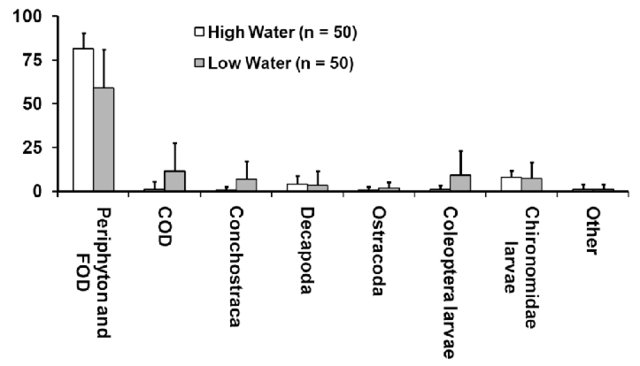
There is only one paper specifically covering what these fishes eat in the wild, Crampton (2008). In this study the diet of Symphysodon “haraldi” was identified using gut analysis, as this species name is no longer valid (Amado et al., 2011) and the locality of these fishes being from the Rio Tefe these are probably Symphysodon tarzoo, the green discus identified by spots on the anal fin. This matters because there are other species of discus, Symphysodon aequifasciatus (Blue discus) and S. discus (Heckels) along with one undescribed species known as the blue discus and the undescribed Rio Xingu discus (Amado et al., 2011). Domestics result from a hybridisation of a variety of these species.

Figure 1: The diet of Symphysodon tarzoo (haraldi) in Crampton, W. G. (2008). Ecology and life history of an Amazon floodplain cichlid: the discus fish Symphysodon (Perciformes: Cichlidae). Neotropical Ichthyology6, 599-612. FOD: Fine Organic Detritus, COD: Course Organic detritus. Periplankton is referred to as algae.

One can clearly see the seasonal variation in diets with a slightly higher contribution from invertebrates but still minimal. What is most clear though is the amount of detritus and periplankton these fishes are feeding on (Fig 1).

It is not just scientific research that has reported this, Bleher’s (2009) article on discus care also suggests this diet of mostly detritus. Detritus is a difficult term as a lot of it cannot be identified without a microscope, usually it seems in many fishes any loose or soft detritus generally is a microbial matrix, from my observations of research into Loricariids.

If we look at discus we can really think more about their diet.

Figure 2: Symphysodon tarzoo from the Rio Nanay, Peru.

These fishes are not the best built for prey capture beyond body shape lets focus on the anatomy that is most important for feeding. The jaws, and I don’t just mean upper and lower jaws. First looking at the mouth, they have a small mouth that cannot extend far, this means they are extremely limited on the size of item they can eat, this is known as gape limitation as many fishes including discus cannot chew with the oral jaws. They have strong lips great at removing food items from surfaces much like many other fishes who have a similar niche (Cohen et al., 2023). These are all factors connected with that first set of jaws, the oral jaws that really have a limited ability to expand outwards.

There is a second set of jaws, the pharyngeal jaws which are not immediately obvious as at the back of the mouth. Unlike the oral jaws that are about prey/food capture these pharyngeal jaws are about food processing. In discus these are thinner and more elongate (Roberts-Hugghis et al., 2023), not great at processing particularly solid food like large amount of invertebrates, also lacking the stronger villiforme or molariform teeth. Very similar to other detritivores or fishes feeding largely on algaes and detritus (Burress et al., 2020).

So, not just from their gut analysis but their morphology, Symphysodon are best classified along the lines of algivores and detritivores. You could say omnivores but if the mere addition no matter how small of any animal to any species diet makes them an omnivore then all organisms are omnivores.

From knowing this how should we see what we are feeding our fishes? Should we look to the inclusion of more algaes? And what algaes? What is the current long term effects of captive diets on discus?

There are brands such as Nature Kind by CE Fish Essentials who have started to look at wild diets and the inclusion of replicating that into their captive diet. https://cefishessentials.com/product/naturekind-fish-food-100g/ is the link for anyone who is curious.

Beefheart shouldn’t be the scapegoat for captive diets. Most commercial feeds as well differ massively from wild fish diets and there is a lot of questions to be asked about their use. Beefheart has proven itself as an effective captive diet though and many fishes live full lives on it.

So the story here is, read both what the fish eat in the wild and the ingredients of the food you are feeding.

References:

Amado, M. V., Farias, I. P., & Hrbek, T. (2011). A molecular perspective on systematics, taxonomy and classification Amazonian discus fishes of the genus Symphysodon. International Journal of Evolutionary Biology2011.

Bleher, H. (2009). Definitive Guide to Discus: Part 2. Practical Fishkeeping. https://www.practicalfishkeeping.co.uk/features/definitive-guide-to-discus-part-two/

Burress, E. D., Martinez, C. M., & Wainwright, P. C. (2020). Decoupled jaws promote trophic diversity in cichlid fishes. Evolution74(5), 950-961.

Cohen, K. E., Lucanus, O., Summers, A. P., & Kolmann, M. A. (2023). Lip service: Histological phenotypes correlate with diet and feeding ecology in herbivorous pacus. The Anatomical Record306(2), 326-342.

Crampton, W. G. (2008). Ecology and life history of an Amazon floodplain cichlid: the discus fish Symphysodon (Perciformes: Cichlidae). Neotropical Ichthyology6, 599-612.

Reis, G. A., Siqueira, M. S., & Momo, H. (2022). Evaluation of commercial and experimental grower diets for use in intensive culture of Symphysodon aequifasciatus. Pan-American Journal of Aquatic Sciences17(3), 190-200.

Roberts-Hugghis, A. S., Burress, E. D., Lam, B., & Wainwright, P. C. (2023). The cichlid pharyngeal jaw novelty enhances evolutionary integration in the feeding apparatus. Evolution, qpad109.

Wang, L., Chen, Z., Leng, X., Gao, J., Sun, P., Qu, H., … & Song, X. (2016). Comparison of muscle composition of wild and cultured discus fishes Symphysodon spp. Journal of Shanghai Ocean University25(5), 719-725.

Wen, B., Chen, Z., Qu, H., & Gao, J. (2018). Growth and fatty acid composition of discus fish Symphysodon haraldi given varying feed ratios of beef heart, duck heart, and shrimp meat. Aquaculture and fisheries3(2), 84-89.

How to Tan Your Dragon

Within the aquarium hobby there are not many cases of husbandry that are used to improve a fishes appearance beyond maybe a red enhancing diet or just general good care.

It’s a little difficult from any of the grooming you can do with other animals, we can provide enrichment and exercise but again it’s not quite the same. Although in the goldfish hobby there are definitely quite a few practices aimed at improving a fishes condition from certain shaped containers to lighting.

The topic for this article is about lighting, more specifically whatever maybe called natural lighting as do we even know what we are referring to by that? The use of lighting is not just used within goldfish but also Asian arowana, discus maybe to a lesser extent.

Regarding discus just to get it out of the way, their colouration is dictated easily by the brightness of the setup so not strictly lighting but that is a massive contributing factor. In a dark setup the fishes will change to a darker patterning, if possible they will produce those solid bars of pigmentation from dorsal to ventral. In wilds such as S. tarzoo they go much darker as in the photo below:

Yet in a much lighter setup you can see a lot more of the fishes beautiful colours.

This is not just strict to wild discus who likely use their chameleon abilities to communicate and blend in with their environment, it is found in domestics too. There is one issue there, there are many varieties, the most popular being the pigeon bloods who cannot colour change as quickly. These varieties instead develop what is known as peppering, black spots on the body and as while they can disappear with brighter lighting it takes a lot more effort and time. Maybe this is the answer for anyone wondering why discus aquariums look the way they do?

This is a difficult topic to research scientifically though, mainly because it effects the hobbyist and really will lack any funding to support research. There is a little though in some species and through the review of Leclercq et al. (2010) we know that UV light particularly UVB contributes to colour changes in many fishes followed by the background unlike discus. UVB is additionally the spectrum of light that causes tanning in humans, similar to goldfishes where there is a predisposition to black pigmentation either get a higher intensity of black pigmentation or it grows.

The colour changes could be a result of UV protection given there are levels that penetrate depending on the water turbidity and location (Mueller & Neuhauss, 2014). While maybe there is other causes to this change in colouration? Either way it is utilised quite a bit in the hobby.

So why the title? I could get away with it with just mentioning goldfish but tanning of fishes is well known with the dragon fish, the Asian arowana, Scleropages formosus to produce intense deeper colouration.

So how is it done? In some countries or in the case of goldfish having ponds outside will do the job, natural sunlight not passing through glass but obviously this is not possible for many of us. UVB being the likely main aspect of lighting that we need to aim for lighting needs to go out of the realm of fishkeeping and into herpetoculture. In the care of reptiles UVB lights are quite common and these should do the job, what I cannot recommend is how much and how little to use and I feel personal experimentation would be important. Bare in mind reptile UVB lighting requires replacing every 6-9 months as it only emits UVB for so long.

I have experimented with a variety of lights and with goldfish found nothing compared, confirming UVB’s importance in my personal opinion. I have found fluorescents although producing no UVB much much better then LED’s apart from in the case of dealing with fishes like discus that want brightness rather then certain aspects of the spectrum.

Considerations are certainly needed, it would not be ideal for the lighting to be on constantly so not to mess with the fishes circadian rhythm. Another aspect is there is too much UVB and fishes might feel they do not want to be exposed to bright light constantly, I would certainly give them refuge from the light in terms of some cover that should they want to they can retreat to.

For understanding UVB but sadly in the context of reptiles I recommend this video: https://www.youtube.com/watch?v=L83RApPPri8

References:

Leclercq, E., Taylor, J. F., & Migaud, H. (2010). Morphological skin colour changes in teleosts. Fish and Fisheries11(2), 159-193.

Mueller, K. P., & Neuhauss, S. C. (2014). Sunscreen for fish: co-option of UV light protection for camouflage. PLoS One9(1), e87372.

Epistylis……..or is it?

Recently it seems Epistylis has become a trigger word whenever a fish is displaying spots on the body where previously white spot, Ichthyophthirius multifiliis would have previously been the diagnosis. While I feel we are often misdiagnosing fishes due to lack of awareness of all the pathogens out there Epistylis is definitely one of the largest myths.

To put it simply, Epistylis is a genus 200 spp. ciliate protozoa that can parasitise on fishes often as a secondary pathogen. It is but appears as a little round ciliated bulb on a stalk, much like Vorticella or rotifers (Wu et al., 2021). In fact though the pathology of the genus in regards to parasitism on fishes has little references to how it looks from the naked eye. Instead the accompanying primary infection e.g. Aeromonas sp. displaying red spots/lesions (Fig 1) but Epistylis niagarae has been suggested to cause scale erosion (Ksepka & Bullard, 2021; Chapman et al., 1976), there is no mention in the literature of Epistylis displaying spots on the body (Pádua et al., 2016).

Figure 1: Red Spot disease caused by Aerosomas possibly with a secondary Epistylis infection as published by Ksepka & Bullard (2021).

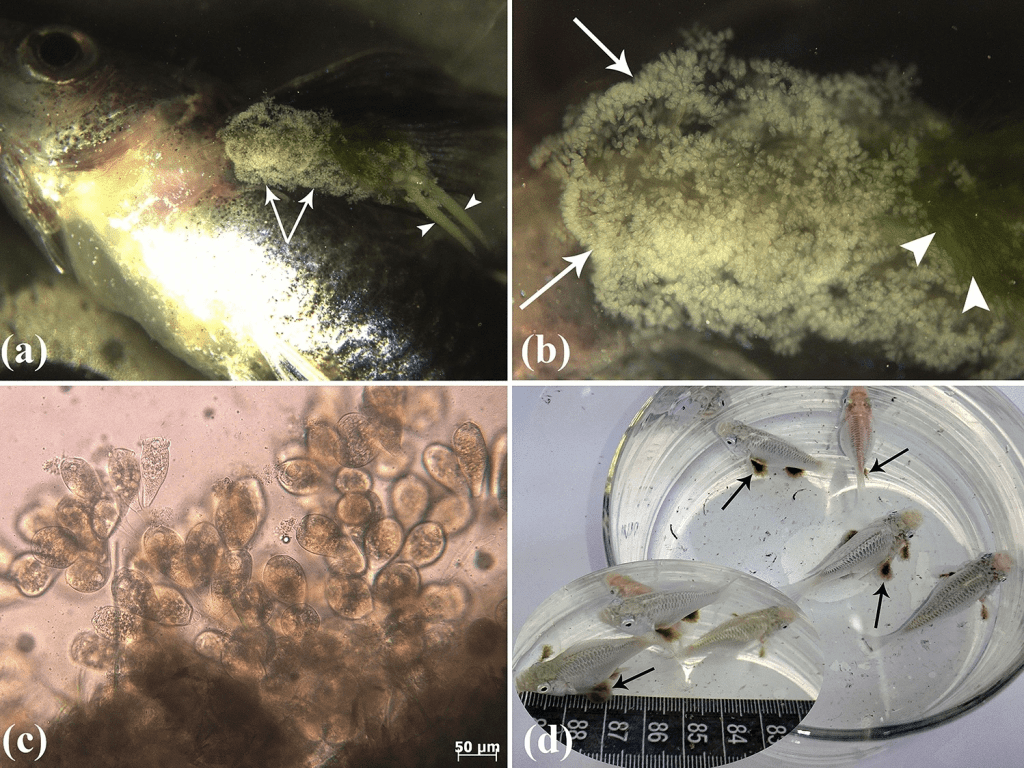
Instead it seems Epistylis is most accurately identified using a microscope due to it’s distinctive appearance. In Rahmati-Holasoo et al. (2023) it discusses the attachment of Lernaea to the host fish and displays clear images of the common, Epistylis wuhanensis.

Figure 2: A clear infection of Epistylis published in Rahmati-Holasoo et al. (2023).

It seems that Epistylis is not reported as the rapid killer although the Aerosomas infections could have been the cause, unlike many misconceptions (Chapman et al., 1976).

Is it white spot then?

I can’t say it is, I can say though a microscope should be needed to be sure. I have seen many cysts on fishes and without a microscope it’s just identifying that it’s a lump. Tapeworm cysts I have identified though largely using a microscope but they are larger and do not respond to treatment.

Without a microscope there is a lot of diagnosis going blindly in and even then. There are many resources for identifying fish parasites using microscopy, it’s important though to remember that not all pathogens have been discovered and there are exceptions. Many similar taxa usually can be treated by the same compounds.

Why does it matter?

From my understanding although Epistylis is generally a secondary parasite and not the cause of the infection, it’s opportunistic it usually is susceptible to the same treatments as white spot. Over use of treatments particularly when not targeting the parasite can lead to resistance and I do wonder if that is sometimes what we are seeing. This is more an element of fact checking and should you trust your information sources? They can claim science but do they cite their sources or read theirs? Experience only goes so far but experience doesn’t change what species is what.

References:

Chapman, W. R., Harris, F. A., & Miller, R. W. (1976). Incidence and seasonal variations of Epistylis among fishes in North Carolina reservoirs. In Proceeding of the Annual Conference of Southeastern Association of Game and Fish Commissioners (Vol. 30, pp. 269-275).

Ksepka, S. P., & Bullard, S. A. (2021). Morphology, phylogenetics and pathology of “red sore disease”(coinfection by Epistylis cf. wuhanensis and Aeromonas hydrophila) on sportfishes from reservoirs in the South‐Eastern United States. Journal of Fish Diseases44(5), 541-551.

Pádua, S. B. D., Martins, M. L., Valladão, G. M. R., Utz, L., Zara, F. J., Ishikawa, M. M., & Belo, M. A. D. A. (2016). Host-parasite relationship during Epistylis sp.(Ciliophora: Epistylididae) infestation in farmed cichlid and pimelodid fish. Pesquisa Agropecuária Brasileira51, 520-526.

Rahmati-Holasoo, H., Marandi, A., Shokrpoor, S., Goodarzi, T., Ziafati Kafi, Z., Ashrafi Tamai, I., & Ebrahimzadeh Mousavi, H. (2023). Clinico-histopathological and phylogenetic analysis of protozoan epibiont Epistylis wuhanensis associated with crustacean parasite Lernaea cyprinacea from ornamental fish in Iran. Scientific Reports13(1), 14065.

Rogers, W. A. (1971). Disease in fish due to the protozoan Epistylis (Ciliata: Peritricha) in the southeastern US. In Proc. 25th Ann. Conf. Southeastern Assoc. Game and Fish Comm., 1971 (pp. 493-496).

Wu, T., Li, Y., Zhang, T., Hou, J., Mu, C., Warren, A., & Lu, B. (2021). Morphology and molecular phylogeny of three Epistylis species found in freshwater habitats in China, including the description of E. foissneri n. sp.(Ciliophora, Peritrichia). European Journal of Protistology78, 125767.