Category Archives: Fish Biology

Fish Meal, Krill Meal or Insect Meal?

This is the big question, what do you base a fish diet on?

Fish meal is the most common but has come with many questions based on sustainability, but regarding sustainability this can be a little more complex regarding shifting impact (Ghamkar & Hicks, 2020). Therefore there is the question of what gives the most nutrition?

Žák et al. (2023) has been one of the most enlightening papers published in the last few years. This research and other previous research has inferred that for invertivores and insectivores but it is eye opening to apply elsewhere. Digestibility of fish meals does vary depending on the taxa and likely what they feed on in the wild, Cyprinids largely feeding on invertebrates and lacking a stomach struggle to process fishes whereas Tilapia, a cichlid that likely is very generalist even feeding on fishes processes fish much better (Hua & Bureau, 2010). The other aspect is that fish meal can be difficult to extract phosphorus and calcium for fishes that do not naturally feed on fishes (Žák et al. 2023). We can apply this knowledge further?

So maybe fishes isn’t ideal, most of the fishes we keep don’t eat fishes. But what about invertebrates? There is no denying most of the scientific literature focuses on fishes that likely feed on krill being marine fishes or very much generalist omnivores. So, I’m not sure I can find anything regarding that, any environmental impact would be similar to fish meals, talking from personal experience krill and marine mysis does come with a lot of bycatch.
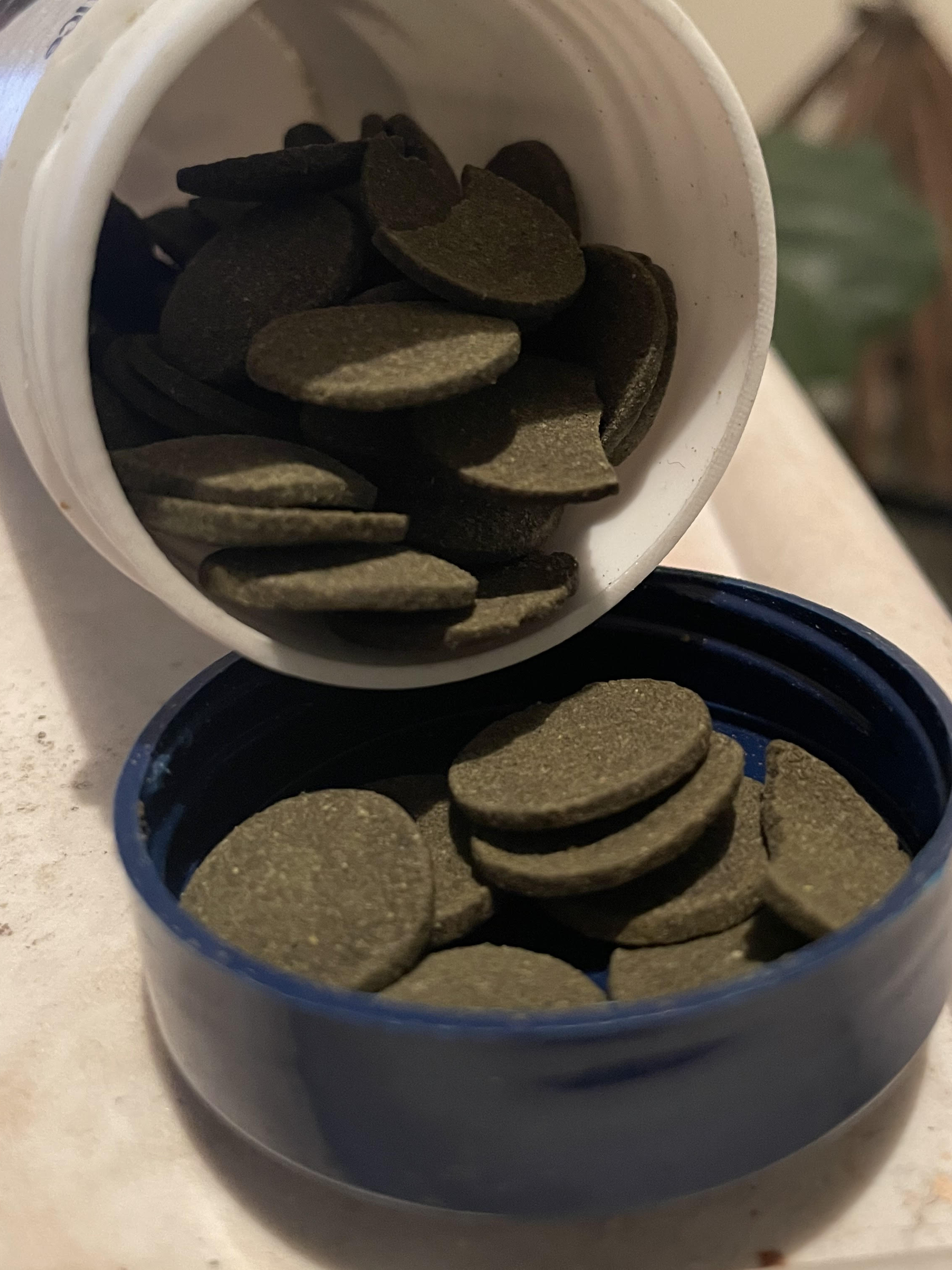
Although insect meals are definitely interesting, there are many more nutritional aspects to consider. While much of the focus from the customer is into protein, vitamins and minerals are vital for fishes. Vitamin b12 is a popular vitamin to mention due to origins, insects contain little to higher amounts but also depends on what they have been fed (Schmidt et al., 2019) although there is a lot of deceptively high amounts in all insects from pseudovitamin b12 such as contained in algaes. Chitin might cause an issue in some fishes, in my experience largely it’s whether an invertebrate is processed or not rather then causing issues with digestion.

There is no strict one is better then the other like many things as it has multiple aspects to the topic (Terova et al., 2021). Given the literature mentioned think about what the fishes eat in the wild and are they piscivores, feeding on fishes naturally.

It is well know how diet influences gut biota, not just are species adapted through evolution regarding enzymes to a specific diet but also symbiotically with bacteria allowing some items to be digested better then others. It’s not just that simple either but like with humans the introduction or even encouragement of certain biota in the gut can effect health in general (Ringø et al., 2016). With humans we are now discussing the gut brain axis but it is becoming a topic within fishes as well where the presence, lack or amount of certain biota influences how the brain functions in fishes and the prevalence of disease (Butt & Volkoff, 2019).

The Question of Soya

The use of crops like soya has been mentioned of reducing the impact of animal based meals yet increases demand for water up 63%, land 81% and phosphorus 83%, phosphorus itself is a finite resource but a vital fertiliser (Malcorps et al., 2019). There are other aspects of soya and I think it’s best to mention most if any fishes I research and this is largely Loricariids do not consume anything similar, cereal crops are very fibrous and difficult to digest which is different from the allochthonous sources they generally feed on.
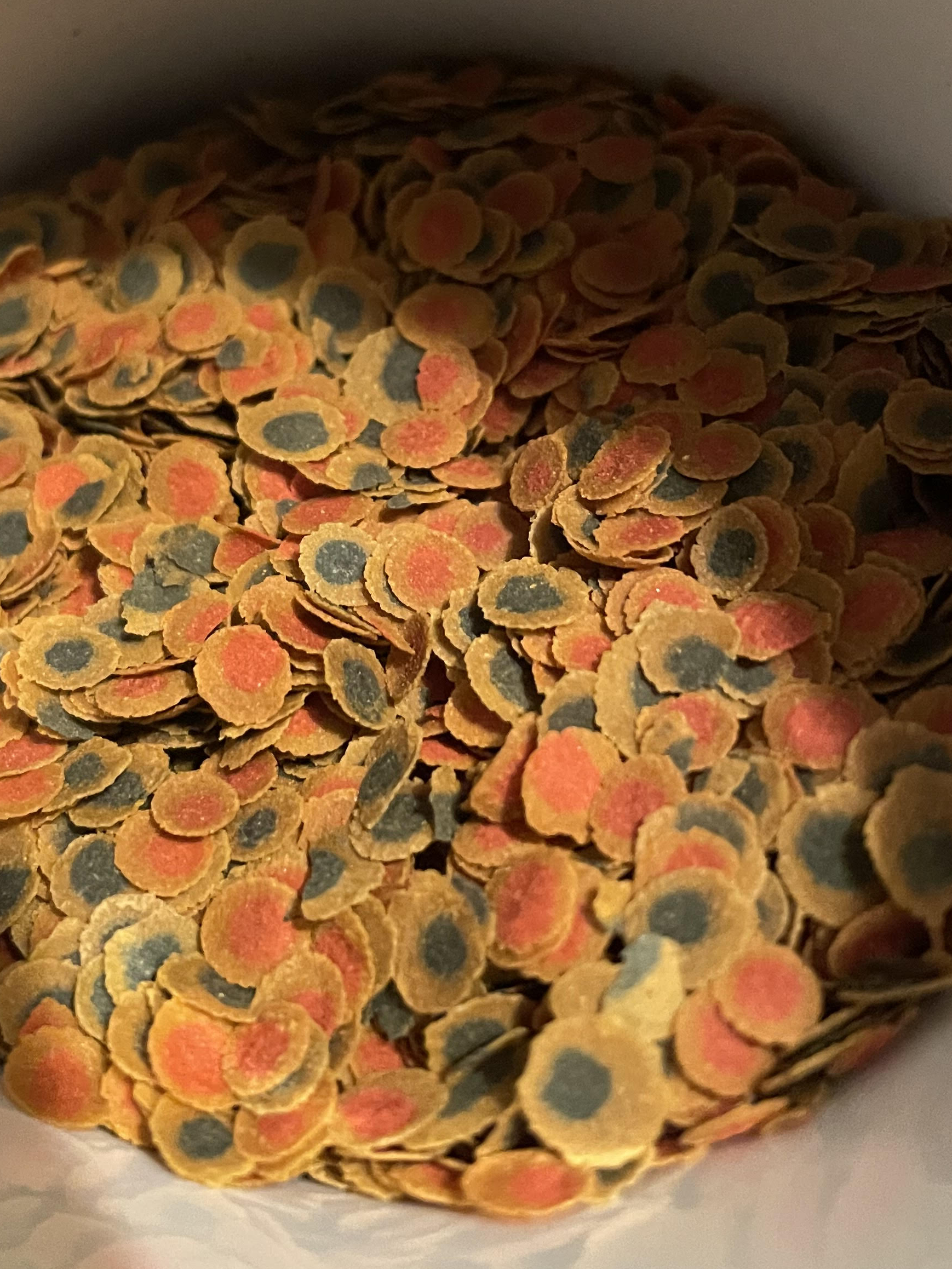
While regarding short term use to certain volumes could replace other meals such as insect or fish (Howlader et al., 2023; Arriaga-Hernández et al., 2021). Yet the use of soya has been associated with a negative effects on growth (Pang et al., 2023). Many of these studies do not look into fishes even similar to what we keep, for discus (Symphysodon) beyond 30% replacement of other meals resulted in reduced growth rate (Chong et al., 2003).

Forgetting algivores?

Algivores or anything feeding on anything similar are not represented or thought about by the fishkeeper often, yet we keep so many of them. Similar information to the above definitely applies regarding how fishes are adapted through evolution to what they feed on in the wild. But could these other meals be of use? There is definitely a lack of studies looking into aquaculture, yet for an algivore just one species of algae the replacement of these traditional meals can produce the same results (Vucko et al., 2017), imagine using other algaes and a diversity of algaes?

References

Arriaga-Hernández, D., Hernández, C., Martínez-Montaño, E., Ibarra-Castro, L., Lizárraga-Velázquez, E., Leyva-López, N., & Chávez-Sánchez, M. C. (2021). Fish meal replacement by soybean products in aquaculture feeds for white snook, Centropomus viridis: Effect on growth, diet digestibility, and digestive capacity. Aquaculture530, 735823.

Butt, R. L., & Volkoff, H. (2019). Gut microbiota and energy homeostasis in fish. Frontiers in endocrinology10, 9.

Chong, A., Hashim, R., & Ali, A. B. (2003). Assessment of soybean meal in diets for discus (Symphysodon aequifasciata HECKEL) farming through a fishmeal replacement study. Aquaculture Research34(11), 913-922.

Ghamkhar, R., & Hicks, A. (2020). Comparative environmental impact assessment of aquafeed production: Sustainability implications of forage fish meal and oil free diets. Resources, Conservation and Recycling161, 104849.

Howlader, S., Sumi, K. R., Sarkar, S., Billah, S. M., Ali, M. L., Howlader, J., & Shahjahan, M. (2023). Effects of dietary replacement of fish meal by soybean meal on growth, feed utilization, and health condition of stinging catfish, Heteropneustes fossilis. Saudi Journal of Biological Sciences30(3), 103601.

Hua, K., & Bureau, D. P. (2010). Quantification of differences in digestibility of phosphorus among cyprinids, cichlids, and salmonids through a mathematical modelling approach. Aquaculture308(3-4), 152-158.

Malcorps, W., Kok, B., van ‘t Land, M., Fritz, M., van Doren, D., Servin, K., van der Heijden, P., plamer, R., Auchterlonie, N. A., Rietkerk, M., Santos, M. J. & Davies, S. J. (2019). The sustainability conundrum of fishmeal substitution by plant ingredients in shrimp feeds. Sustainability11(4), 1212.

Pang, A., Xin, Y., Xie, R., Wang, Z., Zhang, W., & Tan, B. (2023). Differential analysis of fish meal substitution with two soybean meals on juvenile pearl gentian grouper. Frontiers in Marine Science10, 1170033.

Ringø, E. Z. Z. V., Zhou, Z., Vecino, J. G., Wadsworth, S., Romero, J., Krogdahl, Å., Olden, R. E., Dimitroglou, A., Foey, Davies, S., Owen, M., Lauzon, H. L., Martinsen, L. L., De Schryver, P., Bossier, P., Sperstad, S. & Merrifield, D. L. (2016). Effect of dietary components on the gut microbiota of aquatic animals. A never‐ending story?. Aquaculture nutrition22(2), 219-282.

Schmidt, A., Call, L. M., Macheiner, L., & Mayer, H. K. (2019). Determination of vitamin B12 in four edible insect species by immunoaffinity and ultra-high performance liquid chromatography. Food chemistry281, 124-129.

Terova, G., Gini, E., Gasco, L., Moroni, F., Antonini, M., & Rimoldi, S. (2021). Effects of full replacement of dietary fishmeal with insect meal from Tenebrio molitor on rainbow trout gut and skin microbiota. Journal of Animal Science and Biotechnology12(1), 1-14.

Vucko, M. J., Cole, A. J., Moorhead, J. A., Pit, J., & de Nys, R. (2017). The freshwater macroalga Oedogonium intermedium can meet the nutritional requirements of the herbivorous fish Ancistrus cirrhosus. Algal research27, 21-31.

Žák, J., Roy, K., Dyková, I., Mráz, J., & Reichard, M. (2022). Starter feed for carnivorous species as a practical replacement of bloodworms for a vertebrate model organism in ageing, the turquoise killifish Nothobranchius furzeri. Journal of Fish Biology100(4), 894-908.

Disease, pathogens and diagnosis

As with every organism fishes do experience diseases and can play hosts for pathogens (some fish could be considered pathogens e.g. Vandellia cirrhosa (candiru catfish)). For the fishes and the fishkeeper it is an arms race of immune systems and treatments against the adaptability and damage to the host. This can be discussed as part of the red queen hypothesis (Van Valen, 1973), as a never ending feedback cycle, without the constant adaptation a species will go extinct.

I, the editor will clearly state that I am not a fish pathologist and this article, I am an evolutionary biologist/ichthyologist although this has given me an understanding into aspects of evolutionary pathology. Having worked in the aquarium trade I have additionally experienced a wide range of different pathogens. I will also state decisions regarding discussion the diseases as a result because I feel many fishkeepers have misunderstood fish pathology, there aren’t many hobbyists with that in their background I assume is the reason why.

Right now lets look a bit into pathogens.

Host specificity

While it is quite common knowledge that pathogens within humans or mammals can be very specific this is the same for fishes. There will be several reasons for this:

  • The evolutionary mechanisms to actually become a host require a variety of adaptations and some might be very specific. For example for viruses and bacteria they will have to have the correct proteins to enter cells (Cohen, 2016; A great paper introducing how viruses function). Pathogens might require the presence of specific tissues, this could be why there have been no proven cases of Lymphocytis in catfishes (siluriformes), salmonids and carp as these clades are very close and possibly lack the effected tissues.
  • Simply the environment might not be suitable for transmission between individuals, maybe the salinity is too high or the temperature is out of range.

The easiest way to assume is to look half at evolutionary distance, the more distant species are from each other the less likely transmission will occur. Additionally the pathogens of marine fishes are less likely to be able to survive and cause disease in freshwater and vice versa.

The fishes weaponry against pathogens.

This is very difficult to generalise given how many fishes there are and there is a lot of convergence with other organisms.

  • The first barrier, the skin, the scales and slime coat in general prevent or reduce access of pathogens to the internal environment where they can cause damage.
  • The slime coat, other then a physical barrier the skin contains many goblet cells which secretes many antimicrobial compounds such as proteases and lysozymes (Dash et al., 2018). These destroy and damage microbial pathogens and even parasitic pathogens. There is also the potential that the slime coat contains many beneficial microbes who help aid in that defence against any that become pathogenic. There is the possibility that fishes shed their slime coat to dislodge pathogens on their skin/scales or in the slime coat but I cannot find any evidence in the literature.
  • The immune system, this part of biology is probably the most complex and it is very species specific. So rather then me explain it very poorly I will link a very good, recent review paper on the topic https://www.mdpi.com/2410-3888/8/2/93

The latest science

There is a lot of research as of recent looking into how a microbial ecosystem in the gut and over the surfaces of fishes aid in protection against disease (Chu et al., 2014; D’Alvise et al., 2013). This can be influenced by the environment where poor water quality can change the balance, where a bacteria or fungus previously managed by the immune system and other pathogens can cause disease (Bentzon-Tilla et al., 2016). A major cause of tipping this balance is antibiotics and therefore, antibiotic resistance, this also limits ability to use antibiotics for more concerning bacteria (de Bruijn et al., 2018).

The balance of treatment

Regardless of what treatment I cannot think of one which doesn’t have a biological effect. In my first pharmacology lecture during my undergraduate degree the lecturer stated all treatments should be understood to not just effect the target tissue, they will travel throughout the body where they can. We are very limited within the aquarium trade of what we can use and it should be understood that there might be undesired long term consequences of any treatment e.g. formalin and formaldehyde are carcinogens yet very effective on protozoa. Antibiotic resistance is a real risk with their use hence strict UK regulations.

So this brings me onto my final point:

To diagnose or not to diagnose

Fishes can host many pathogens, some more common then others. They are extremely diverse and there are many more species then vets that do 5 years training normally handle, like 10-100x more species. A fish pathologist might do 3-4 years undergraduate training, 1-2 years masters training and maybe 3-6 years PhD training, just to understand maybe a set of bacteria, fungi, parasites etc. Or what most commonly hosts a particular taxa of fishes. It’s not a simple topic.

Even with identifying fishes I see the most common species misidentified, let alone pathogens of which many need to be seen under the microscope. That access to the microscope is half of the issues, most fishkeepers outside the koi world don’t own one. And I dare say if many did, can they identify what they are seeing? And it’s great if you can but then most bacteria, viruses can’t be seen using that method. For fishes it’s not so simple to do a biopsy. What makes me really think about this topic is the misdiagnosis of Epistylis, the literature diagnoses it very differently to the hobby (Valladao et al., 2015; Wang et al., 2017; Wu et al., 2021; Ksepka & Bullard, 2021) and I am not entirely sure where the myth that Epistylis can be confused with white spot started but it’s rather frustrating. From all the literature I cited there it can’t be really diagnosed using the naked eye. I am not a pathologist but I think maybe this is more a story of fact checking because a quick read of the literature tells another story.

There are a lot more diseases and pathogens then we even know as a hobby and sometimes they can appear in a wide diversity of forms e.g. Dermocystidium. There isn’t going to be a set 5-10 most common pathogens otherwise you could say other vertebrates you only need to know those few. I prefer to back off from fish pathology because honestly how easy is it to misdiagnose? Swim bladder disorders vs neurological disorders vs malnutrition. And with so little fact checking how much can be trust? There are great fish pathologists out there and a few fish specialist vets.

The other problem with diagnosis is, how much does the science even know about the fishes we keep? Individual species in our hobby often don’t hold the largest economic weight to warrant scientific study so I believe there is a lot we don’t know. Other then pathogens malnutrition is something that hasn’t particularly been looked at in tropical ornamental fishes.

Why does correct diagnosis matter?

If you want to use the correct treatment being the main reason you need to know what you are dealing with, without using one compound after another crossing them out as you go without thinking about the physiological impact on the fish. Treatment might need to be quick or need long multiple rounds of treatment. Thankfully there might be some overlap in some. For some diseases such as neurological or related to nutrition the cause or point might never be reached.

What do you recommend?

I don’t know, contacting a vet specialised in fishes is a great idea, if there is a laboratory or pathology service this can be another option.

But maybe the most important thing is prevention, great water quality so water changes! A diverse diet regarding ingredients that caters for what the fish feeds on in the wild.

I think discussing exposure to pathogens is another topic but….. there are definitely many pathogens that risks should be taken against.

References:

Bentzon‐Tilia, M., Sonnenschein, E. C., & Gram, L. (2016). Monitoring and managing microbes in aquaculture–Towards a sustainable industry. Microbial biotechnology9(5), 576-584.

de Bruijn, I., Liu, Y., Wiegertjes, G. F., & Raaijmakers, J. M. (2018). Exploring fish microbial communities to mitigate emerging diseases in aquaculture. FEMS Microbiology Ecology94(1), fix161.

Chu, W., Zhou, S., Zhu, W., & Zhuang, X. (2014). Quorum quenching bacteria Bacillus sp. QSI-1 protect zebrafish (Danio rerio) from Aeromonas hydrophila infection. Scientific reports4(1), 5446.

Cohen, F. S. (2016). How viruses invade cells. Biophysical journal110(5), 1028-1032.

D’Alvise, P. W., Lillebø, S., Wergeland, H. I., Gram, L., & Bergh, Ø. (2013). Protection of cod larvae from vibriosis by Phaeobacter spp.: a comparison of strains and introduction times. Aquaculture384, 82-86.

Dash, S., Das, S. K., Samal, J., & Thatoi, H. N. (2018). Epidermal mucus, a major determinant in fish health: a review. Iranian journal of veterinary research19(2), 72.

Diwan, A. D., Harke, S. N., & Panche, A. N. (2023). Host-microbiome interaction in fish and shellfish: An overview. Fish and Shellfish Immunology Reports, 100091.

Ksepka, S. P., & Bullard, S. A. (2021). Morphology, phylogenetics and pathology of “red sore disease”(coinfection by Epistylis cf. wuhanensis and Aeromonas hydrophila) on sportfishes from reservoirs in the South‐Eastern United States. Journal of Fish Diseases, 44(5), 541-551

Mokhtar, D. M., Zaccone, G., Alesci, A., Kuciel, M., Hussein, M. T., & Sayed, R. K. (2023). Main components of fish immunity: An overview of the fish immune system. Fishes8(2), 93.

Valladao, G. M. R., Levy-Pereira, N., Viadanna, P. H. D. O., Gallani, S. U., Farias, T. H. V., & Pilarski, F. (2015). Haematology and histopathology of Nile tilapia parasitised by Epistylis sp., an emerging pathogen in South America. Bulletin of the European Association of Fish Pathologists, 35(1), 14-20.

Van Valen, L. (1973). A New Evolutionary Law. Evolutionary Theory, 1(1):1-30.

Wang, Z., Zhou, T., Guo, Q., & Gu, Z. (2017). Description of a new freshwater ciliate Epistylis wuhanensis n. sp.(Ciliophora, Peritrichia) from China, with a focus on phylogenetic relationships within family Epistylididae. Journal of Eukaryotic Microbiology, 64(3), 394-406.

Wu, T., Li, Y., Zhang, T., Hou, J., Mu, C., Warren, A., & Lu, B. (2021). Morphology and molecular phylogeny of three Epistylis species found in freshwater habitats in China, including the description of E. foissneri n. sp.(Ciliophora, Peritrichia). European Journal of Protistology, 78, 125767.

The Algae Eaters by rasping

Now this is only an introduction to my favourite dietary niche, I think. When algae eating is mentioned most will think about Loricariids, a 1,040 species strong family of Siluriformes (catfishes) according to Catalog of Fishes as of 2023 but many many more are to be described and discovered. It might be the small Otocinclus or the reasonably sized Pterygoplichthys and Hypostomus, if in the aquarium hobby even just a short time a wider diversity of this family becomes obvious with almost everyone having kept the common bristlenose, Ancistrus aff. cirrhosus or one of the ‘L numbers’ as they are called regardless if they have a number or not.

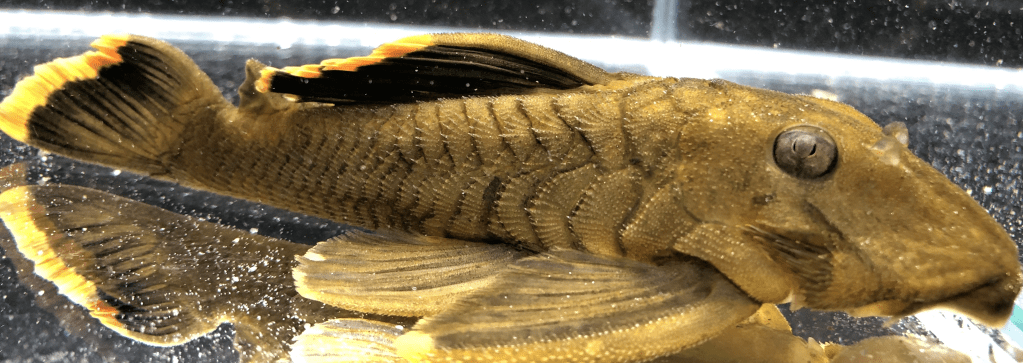
Baryancistrus chrysolomus, an algivore from the Rio Xingu, Brazil.

It’s also pretty well known that there are other fishes who do not rasp, maybe in the same way and feed on algaes, the diversity of Rift Valley cichlids who are a model taxa for adaptive radiation (McGee et al., 2020) has many species that frequently feed on algaes (McKaye & Marsh, 2020). The extent of their specialisation is certainly interesting given they are more then capable of generalisation where possible as explained in the Liems paradox (Liem, 1980). There is definitely the Gastromyzontidae, these are the hillstream loaches and looking at their mouth parts they don’t rasp in the same way to Loricariids.

So if not Loricariids what am I talking about? And ignoring those other groups? When looking at the mouth of any Loricariid you can’t help but notice those big rasping plates, part of the reason these are the suckermouth fishes. But are there others?

Loricariids obviously dominate South America, yet elsewhere that clade is not found. Africa, a vast but underrated continent when looking beyond the Rift Valley, we need to look no further then the secretly well known but diverse family, Mochokididae. I cannot even just express how fascinating this family is for algae raspers.

Synodontis brichardi

Synodontis, the genus anyone with Rift Valley will be aware of. But there is a lot more to this genus, they are found further then the Rift Valley and across the vast nature of Synodontis. There is also a wide diversity of diets within this genus (Yongo et al., 2019). Synodontis brichardi, S. shoutedeni and S. victoriae (Elison et al., 2018) are well known algae raspers, sometimes based on that very specialised rasping morphology. There has been little studies to whether they are able to generalise but in my personal experience I have seen Synodontis brichardi at least be able and willing to feed on live earthworms over algae, Liems paradox maybe?

Chiloglanis sp. image sourced from Wikipedia, and licensed for use by https://creativecommons.org/licenses/by-sa/3.0/

There is one other Mochokidae you might not have heard of regarding algae rasping, Chiloglanis although others I shall not have the time to mention (Gerrinckx & Kegal, 2014) . A good sized genus, Chiloglanis (Van Wassenbergh et al., 2009) these feed on algaes and other Periplankton. They are not common in the trade but maybe they should be? As riverine fishes adapted to low flow maybe they should be?

Looking towards Asia Sisoridae (Mousavi-Sabet et al., 2021) could contain many algae raspers but maybe just adapted to that high velocity water?

The answer might be partially is there other taxa that might rasp on the algae or how much do we know about fish diets? Most understanding seems reasonably limited.

While I say all of this it doesn’t mean they are eating exclusively algae but maybe other periplankton or aufwuch by a specific feeding motion. The jaws outside of Loricariid seem to be a lot less diverse and more specialised competing I assume with other species and genera whereas Loricariidae dominate so much.

References:

Elison, M. V., Mlaponi, E., Musiba, M. J., NGUPULA, G. W., Kashindye, B. B., & Kayanda, R. J. (2018). Changes in the Diet of Synodontis victoriae and Synodontis afrofischeri in Lake Victoria, Tanzanian waters. African Journal of Tropical Hydrobiology and Fisheries16(1), 10-15.

Geerinckx, T., & De Kegel, B. (2014). Functional and evolutionary anatomy of the African suckermouth catfishes (Siluriformes: Mochokidae): convergent evolution in Afrotropical and Neotropical faunas. Journal of Anatomy225(2), 197-208.

Liem, K. F. (1980). Adaptive significance of intraspecific and interspecific differences in thefeeding repertoires of cichlid fishes. American Zoologist20,295 – 314.

McGee, M. D., Borstein, S. R., Meier, J. I., Marques, D. A., Mwaiko, S., Taabu, A., Kiche, M. A., O’Meara, B., Bruggmann, R., Excoffier, L. & Seehausen, O. (2020). The ecological and genomic basis of explosive adaptive radiation. Nature586(7827), 75-79.

McKaye, K. R., & Marsh, A. (1983). Food switching by two specialized algae-scraping cichlid fishes in Lake Malawi, Africa. Oecologia56, 245-248.

Mousavi-Sabet, H., Eagderi, S., Vatandoust, S. A. B. E. R., & Freyhof, J. Ö. R. G. (2021). Five new species of the sisorid catfish genus Glyptothorax from Iran (Teleostei: Sisoridae). Zootaxa5067(4), 451-484.

Van Wassenbergh, S., Lieben, T., Herrel, A., Huysentruyt, F., Geerinckx, T., Adriaens, D., & Aerts, P. (2009). Kinematics of benthic suction feeding in Callichthyidae and Mochokidae, with functional implications for the evolution of food scraping in catfishes. Journal of Experimental Biology212(1), 116-125.

Yongo, E., Iteba, J., & Agembe, S. (2019). Review of food and feeding habits of some Synodontis fishes in African freshwaters. OFOAJ10, 27-31.

The Panaque Problem – To Wood or not to Wood

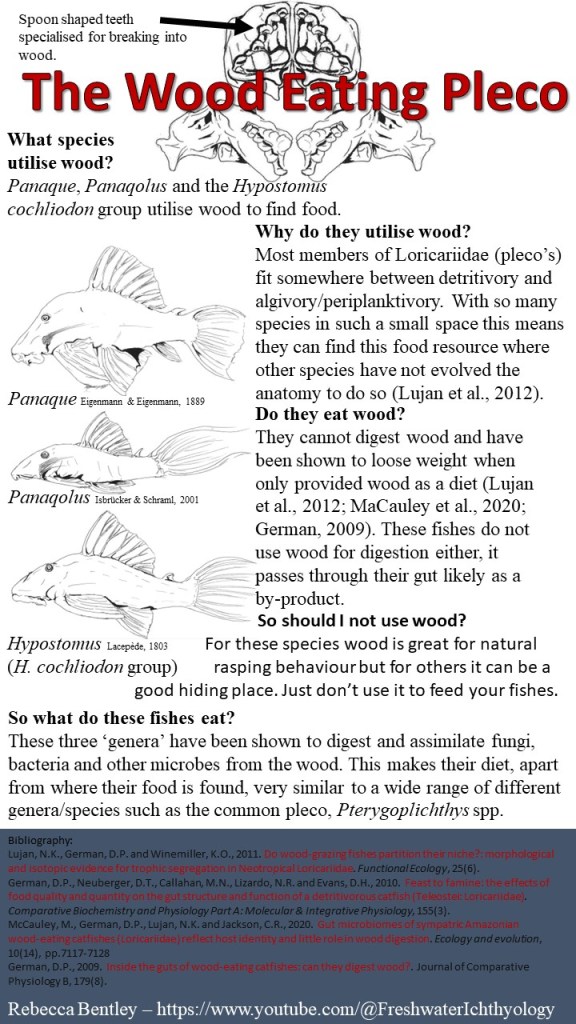
Do plecos need wood? Now this has to be one of the most commonly mentioned things within the pleco part of the aquarium hobby. First as always when talking about plecos I should specify, the Siluriforme (catfish) family known as Loricariidae. To set the first bit clear, the majority of this family do not utilise wood as anything more then a place to hide or a surface for food. This is quite clear as in the many gut content analysis studies wood is not found in them. So here we are talking about Panaque, Panaqolus, Hypostomus cochliodon group and maybe Lasiancistrus heteracanthicus (I’ve yet to certainly confirm that species).

For those wanting the major points I made this poster below with all references:

Another argument is that the wood is used for digestion, this is unlikely given only these genera are found with wood in their gut and whatever is in the wood is what they are digesting.

This is the best example of niche partitioning, with so many detritivores/algivores in the same area it means these genera are able to feed where others can’t. Is that not more interesting then them being xylovores?

So is wood worth it?

Yes, as a hiding place it is great. It can be great for growing different microbial films that the fish might feed on. In my experience those microbial films will be hit and miss if they do feed on them at all.

For those genera that find their food within the wood then there will be some behavioural enrichment by providing that wood so why not.

Why?

Does it matter? Yes because quite often these genera have not been fed and expected to survive on wood and the family in general, Loricariidae have a misconception as a clean up crew. I see this quite often leading to starvation, malnutrition and definitely stunting.

In general without that first point the presence or lack of a presence of wood is used to detract from the main reason a fish might be having issues. It is also spreading a myth, I cannot justify that.

Minerals, pH and do they really matter.

Freshwater is a very diverse set of habitats located across the world, given this there is a wide range of different mineral contents within the waters fish inhabit. This mineral content will also vary in elements and compounds present.

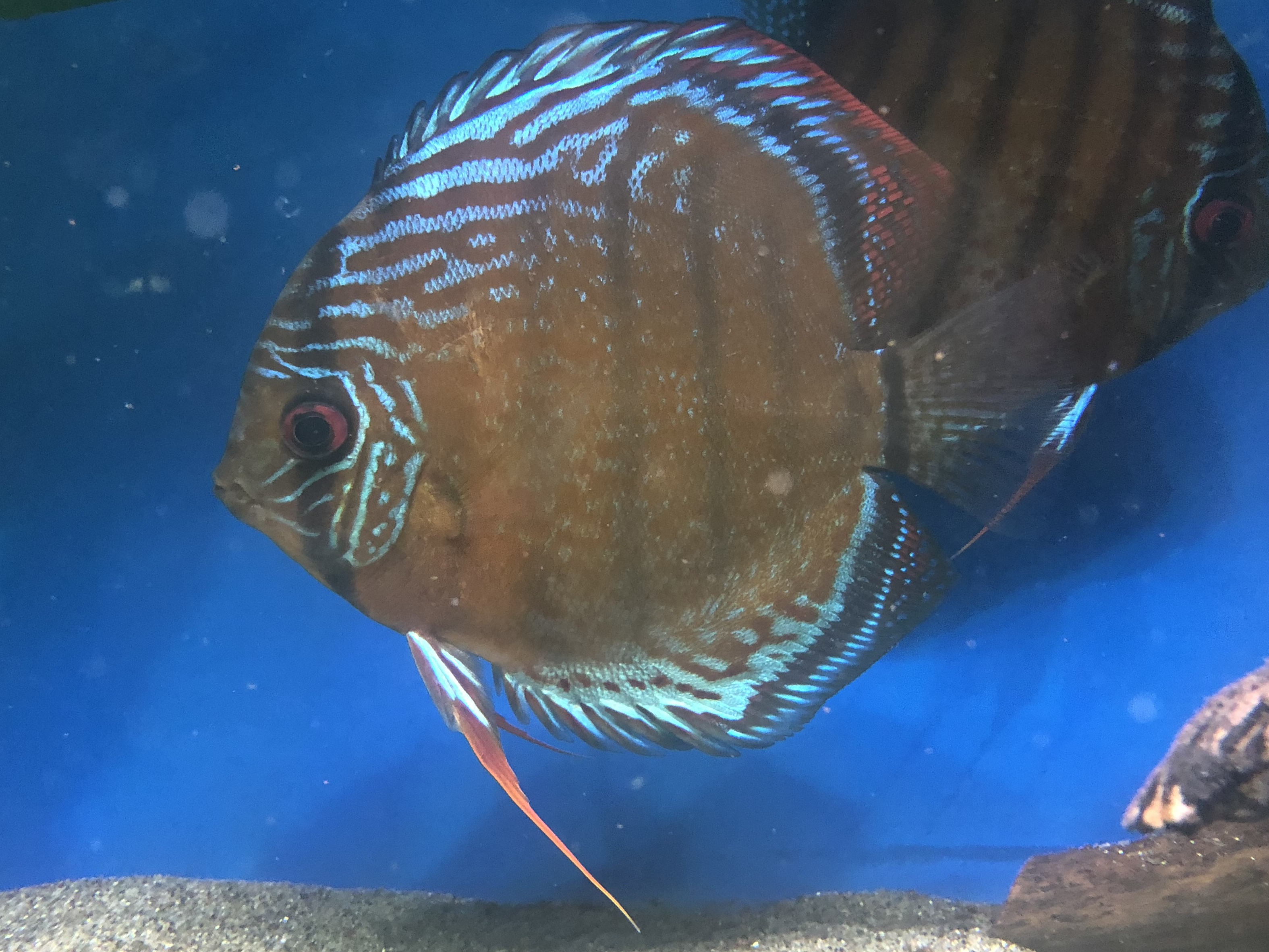
Symphysodon tarzoo from the Rio Nanay, Peru.

Minerals are important for living things to function: Sodium (Na) and calcium (Ca) for example is used in the nervous system and; Ca and Magnesium (Mg) is important in bone growth and repair.

For fishes there might be multiple sources of minerals whether it be dietary or environmental. For Ca around 50-97% depending on the species is taken up from the water itself (Baldisserotto et al., 2019; McCormick et al., 1992; Liao et al., 2007). As far as suggested in the literature fishes are able to adapt to higher and lower levels (Sanderson et al., 2021) although there seems to be no research in how freshwater fishes adapt to none or extremely low levels.

Mg is similarly around 50% is taken up from the water itself in freshwater fishes (Baldisserotto et al., 2019). This value does not seem to vary in Tilapia as to how much is taken up from the water where there is higher or lower dietary additions (Van der Velden et al., 1991) although in goldfishes where dietary Mg was low the fishes has a significant increase in magnesium uptake from the water (Dabrowska et al., 1991). This shows that the amount of magnesium required in the water is at least varies depending on the species but given not every species will be studied it is an important element to provide both in the diet and water.

These are just two examples of the many elements vital to life that maybe need to be considered by a fishkeeper. The only issue is we can’t often test for them so it’s best maybe to work on assumptions, water changes will definitely replenish these elements and many reverse osmosis remineralisation powders/salts contain these.

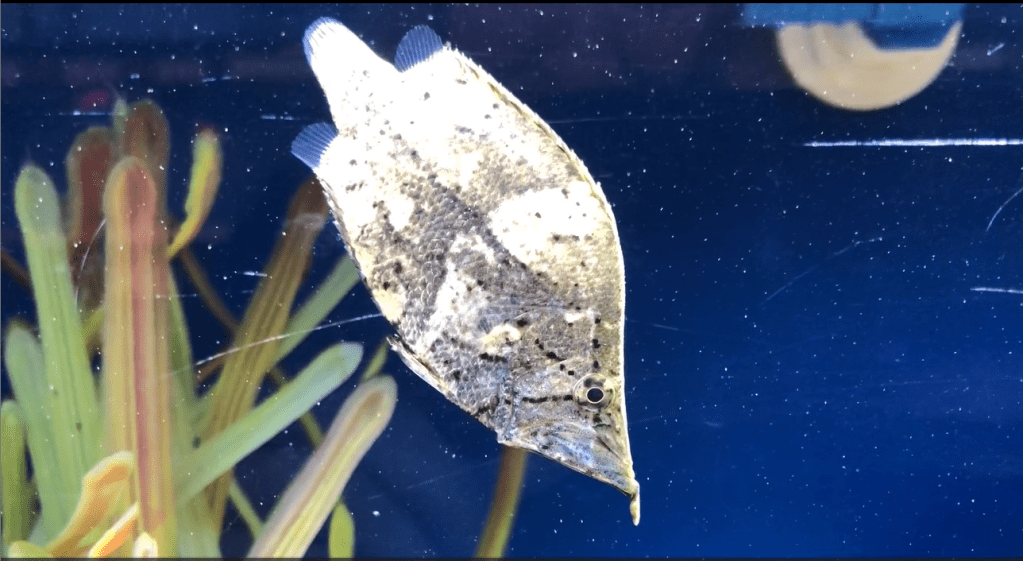
South American leaf fish, Monocirrhus polyacanthus

The influence of pH

The reason I never went into detail regarding Na and Cl is because there is a bit more to it then whether these are present in the water or not. pH has a strong influence on the whether fishes can uptake or maintain levels of these elements. At a low pH of 5 uptake is inhibit and Na loss is increased, higher calcium levels can be important for preventing this. Interestingly fishes some fishes have adapted methods to handle this e.g. neon tetras and angelfishes (Eddy & Handy, 2012).

Conclusion

This is just an example for the importance of water changes in not just removing waste but replenishing mineral content. While we don’t really know the exact levels required for all the fishes we keep we can make assumptions based on the conductivity or TDS based on where fishes are located in the wild.

References

Eddy, B., & Handy, R. D. (2012). Ecological and environmental physiology of fishes (Vol. 4). Oxford University Press.

Baldisserotto, B., Urbinati, E. C., & Cyrino, J. E. P. (Eds.). (2019). Biology and physiology of freshwater neotropical fish. Academic Press.

Dabrowska, H., Meyer-Burgdorff, K. H., & Gunther, K. D. (1991). Magnesium status in freshwater fish, common carp (Cyprinus carpio, L.) and the dietary protein-magnesium interaction. Fish Physiology and Biochemistry9, 165-172.

Liao, B. K., Deng, A. N., Chen, S. C., Chou, M. Y., & Hwang, P. P. (2007). Expression and water calcium dependence of calcium transporter isoforms in zebrafish gill mitochondrion-rich cells. BMC genomics8(1), 1-13.

McCormick, S. D., Hasegawa, S., & Hirano, T. (1992). Calcium uptake in the skin of a freshwater teleost. Proceedings of the National Academy of Sciences89(8), 3635-3638.

Sanderson, S., Derry, A. M., & Hendry, A. P. (2021). Phenotypic stability in scalar calcium of freshwater fish across a wide range of aqueous calcium availability in nature. Ecology and Evolution11(11), 6053-6065.

Van der Velden, J. A., Kolar, Z. I., & Flik, G. (1991). Intake of magnesium from water by freshwater tilapia fed on a low-Mg diet. Comparative Biochemistry and Physiology Part A: Physiology99(1-2), 103-105.