Category Archives: Taxonomy

Two New Loricariids Described: Hypancistrus seideli and H. yudja

Hypancistrus have long been an issue for hobbyists and taxonomists providing challenges to identify and define what is a species, over time a few have been described but leaving one of the most common species.
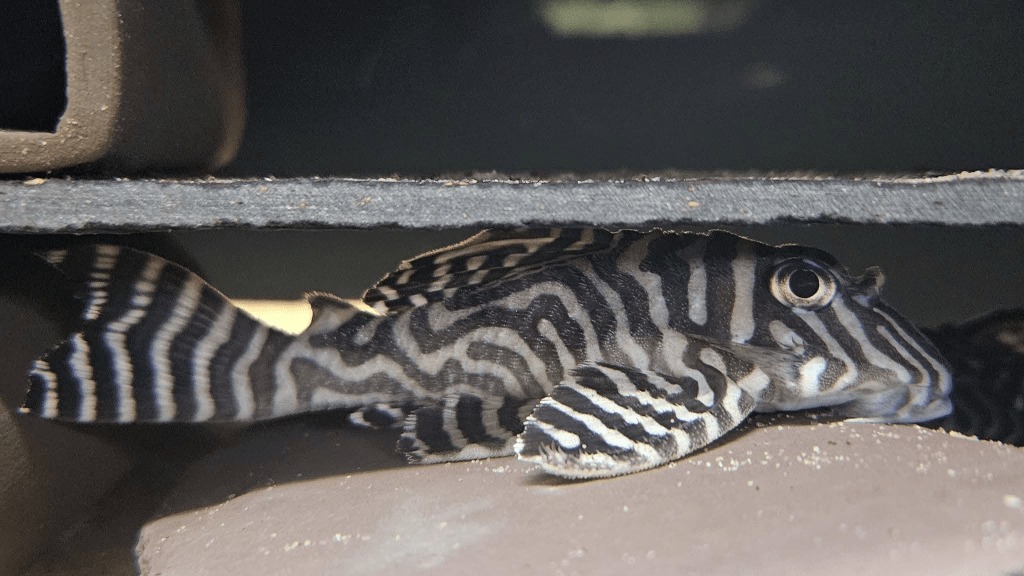
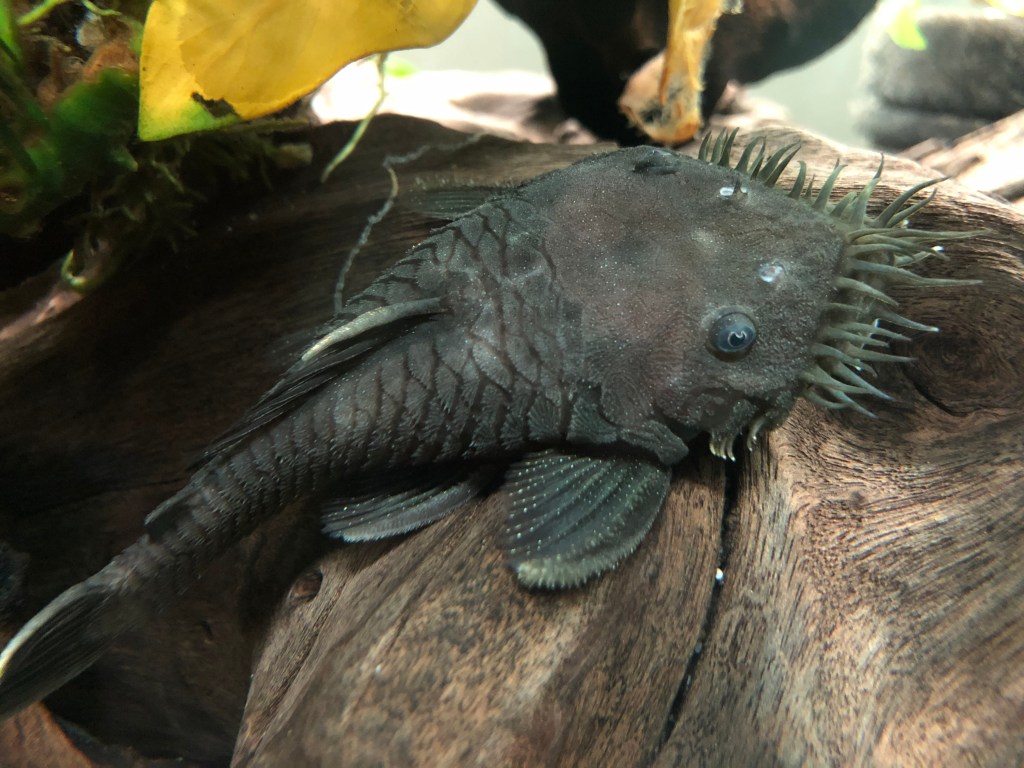
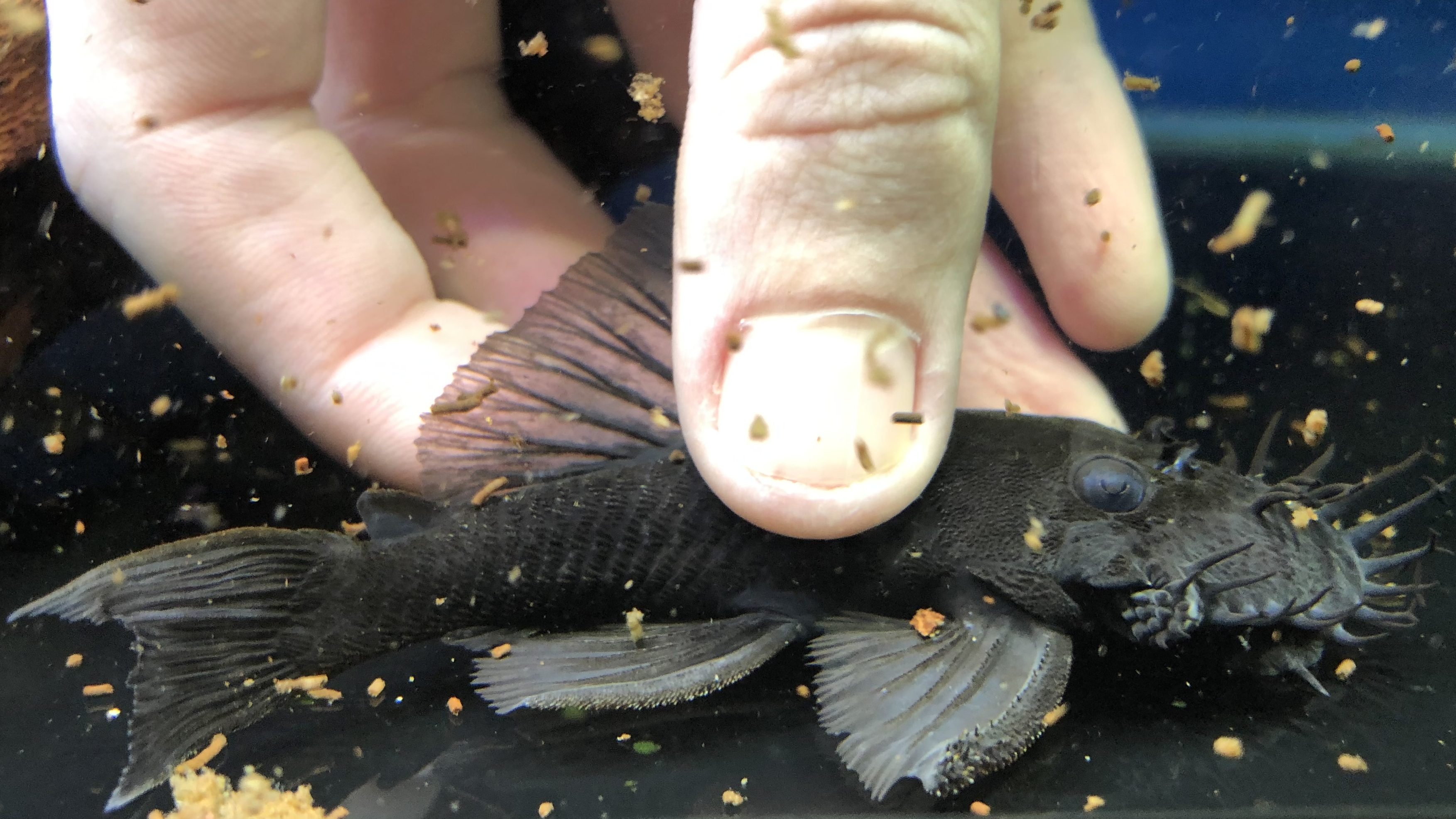
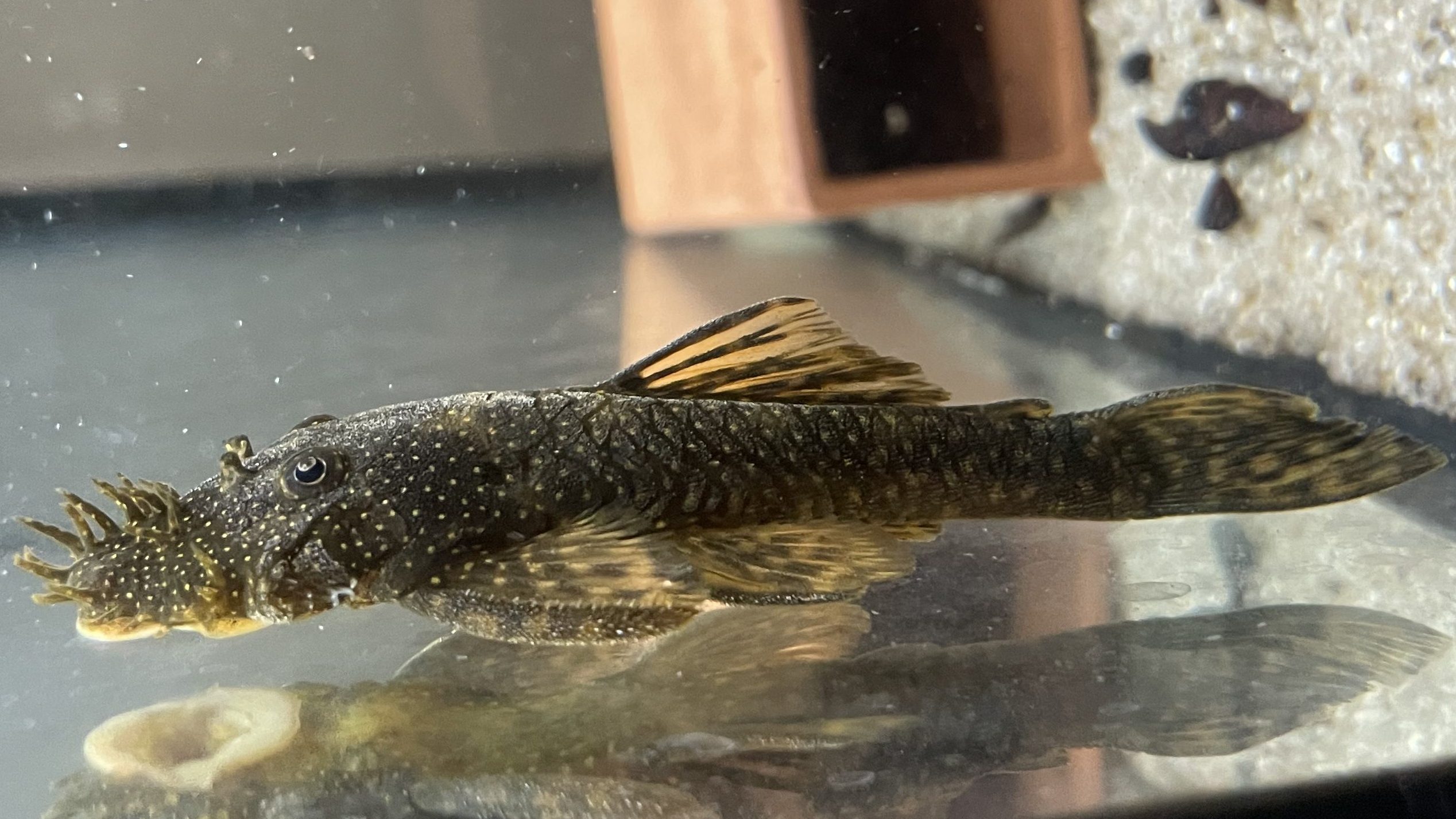
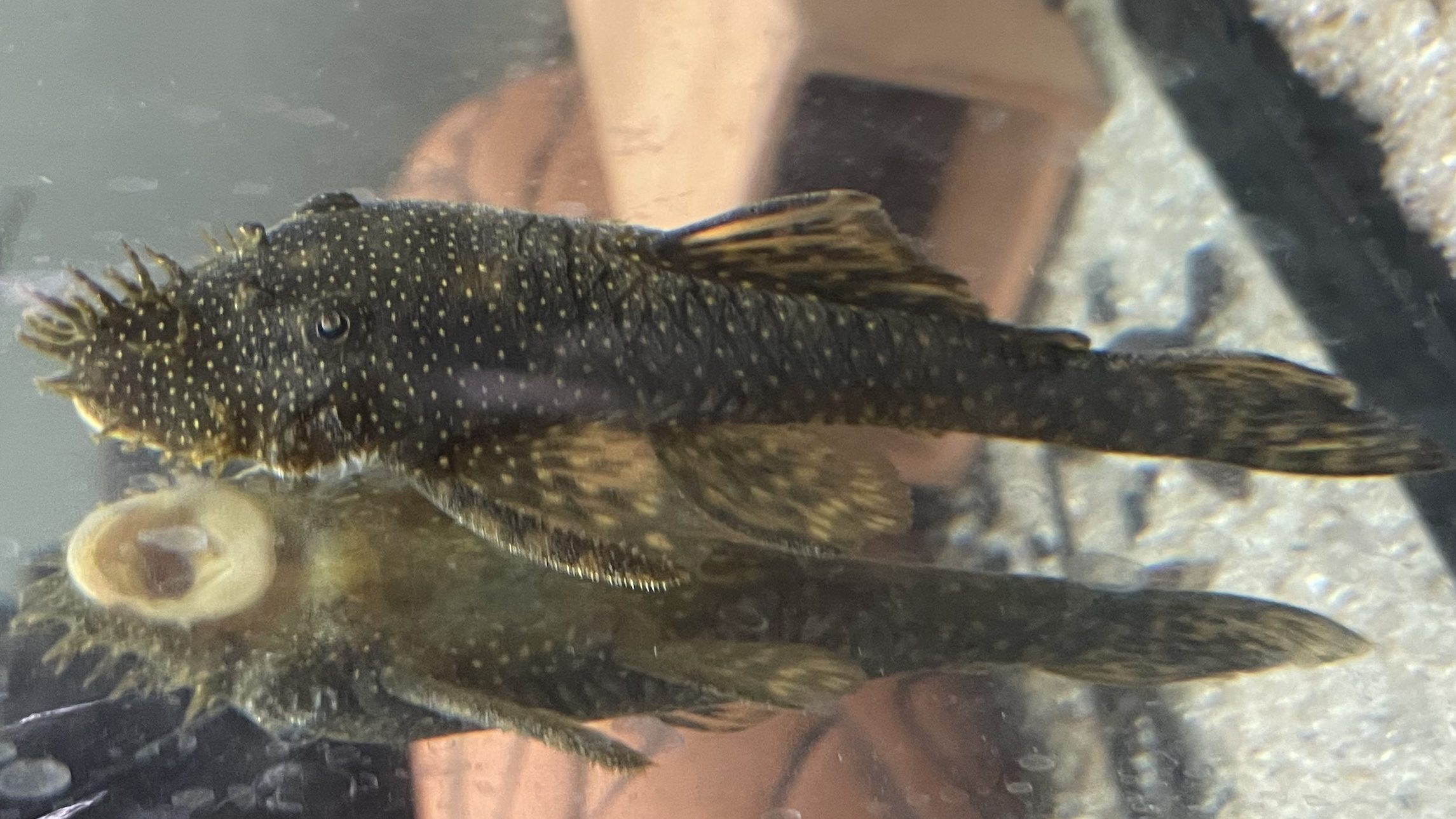
Hypancistrus seideli ‘L333 King tiger’ Image originated from: Olivia and Dad’s Fish Room https://www.facebook.com/profile.php?id=100063396450007

This topic is tricky for scientists regarding how a species is defined and where do you draw a line, even trickier for hobbyists. The Rio Xingu species have been particularly tricky as there are many striped species with only Hypancistrus zebra being particularly distinctive. For the hobbyist the L number system can add to the confusion as while different individuals can be given different L number it doesn’t infer they are different species. Morphology can be tricky to navigate as there are many very diverse species both morphologically and genetically for example Baryancistrus xanthellus (of which does include a green variant, verde that is not B. chrysolomus) or Peckoltia sabaji (Fig 1; Magalhães et al., 2021; Armbruster 2003).
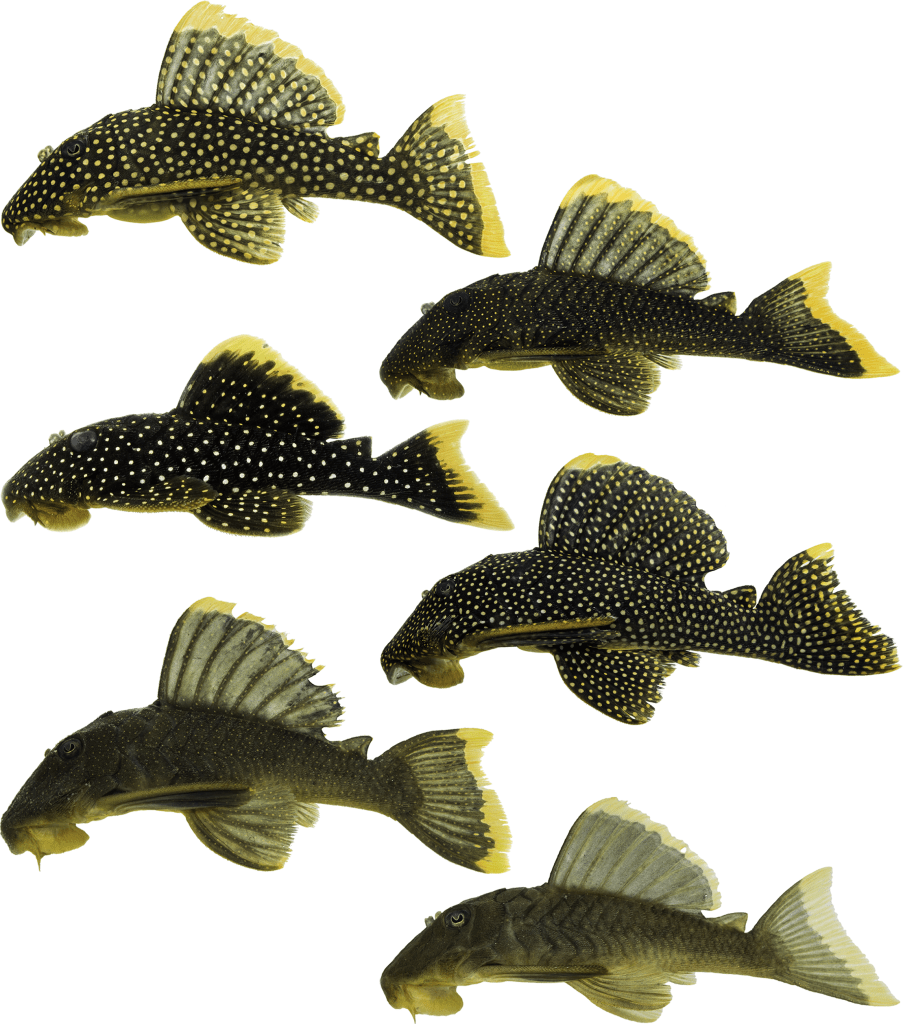
Figure 1: The morphological diversity of Baryancistrus xanthellus, the gold nugget pleco (L177, L018, L081, L085, verde) as featured in Magalhães, K. X., da Silva, R. D. F., Sawakuchi, A. O., Gonçalves, A. P., Gomes, G. F. E., Muriel-Cunha, J., … & de Sousa, L. M. (2021). Phylogeography of Baryancistrus xanthellus (Siluriformes: Loricariidae), a rheophilic catfish endemic to the Xingu River basin in eastern Amazonia. Plos one16(8), e0256677.

Some of this morphological and genetic diversity can be based on different populations and localities, it is tricky to infer whether there is interbreeding as to when and extent this occurs without detailed analysis for both morphologically and genetically. We also risk drawing lines between populations or individuals of the same species that don’t exist in nature.

Commonly understood is the importance of species as a biological unit and in some manner it is, but this is no one overarching definition for a species, it’s much more complex then that. As said earlier species can be both morphologically and genetically diverse or not at all, it varies so much and on where the line is drawn. The common misconception is that genetics solves any issues with defining a species but when you create these trees to plot species different genes, regions or even whether you use mitochondrial or nuclear DNA can infer different groupings. But this reliance on species being the important factor that matters for many aquarists ignores much of this and can lead to splitting species into unrealistic groupings. Realistically like the killifish and Poecilidae sides of the hobby, we need to recognize populations are as valuable as species, even if they cross or not. Populations might have unique genetics or morphology, doesn’t make them different species but we should really think through how we breed our fishes and what individuals we choose. If fishes come from different suppliers maybe double checking locality, maybe considering if certain captive bred fishes are useful for maintaining a population.

So in summary just because some species might look different it doesn’t mean they are but doesn’t mean they aren’t distinct populations that shouldn’t be valued.
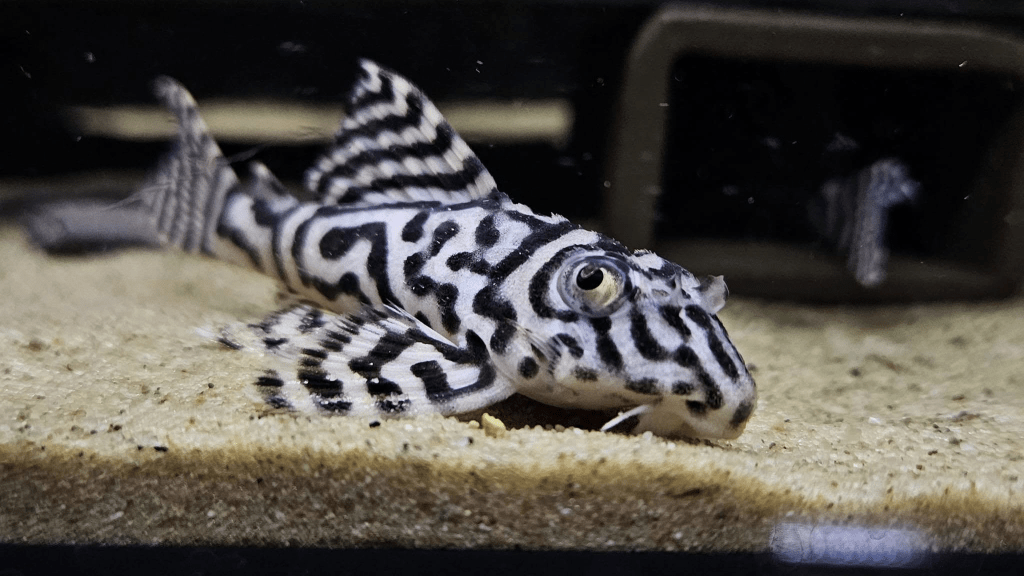
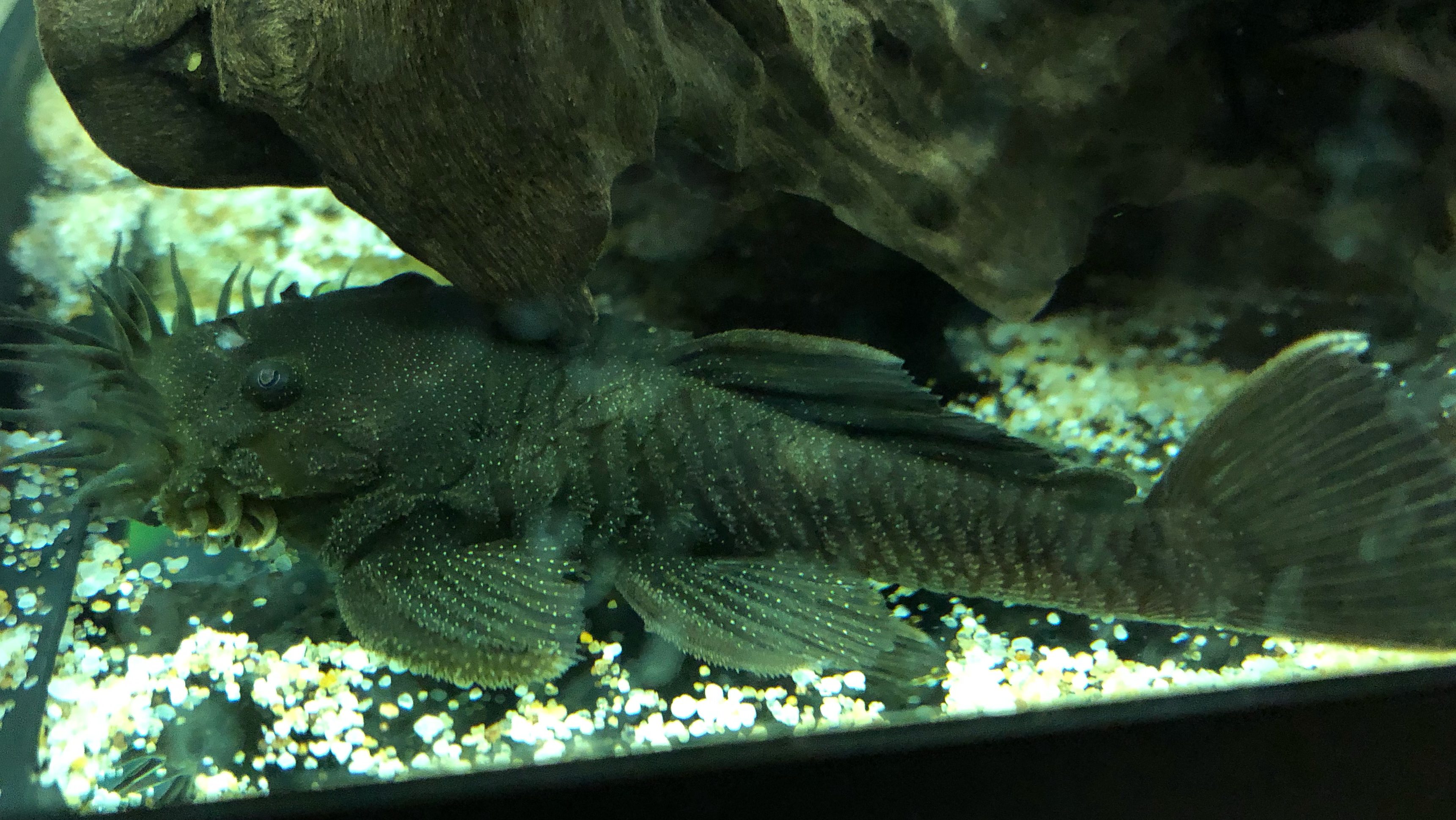
Hypancistrus seideli ‘L236 basic’ Image originated from: Olivia and Dad’s Fish Room https://www.facebook.com/profile.php?id=100063396450007

The Two New Species of Hypancistrus

Description for Hypancistrus seideli and H. yudja:

Sousa LM, Sousa EB, Oliveira RR, Sabaj MH, Zuanon J, Rapp Py-Daniel L. (2025). Two new species of Hypancistrus (Siluriformes: Loricariidae) from the rio Xingu, Amazon, Brazil. Neotropical Ichthyology. 23(1). https://doi.org/10.1590/1982-0224-2024-0080

These exciting descriptions help us understand the Loricariids we keep in the aquariums better and more accurately describe them. Hopefully it leads to further studies of Hypancistrus.

Hypancistrus seideli Sousa, Sousa, Oliveira, Sabaji, Zuanon & Rapp Py-Daniel 2025.
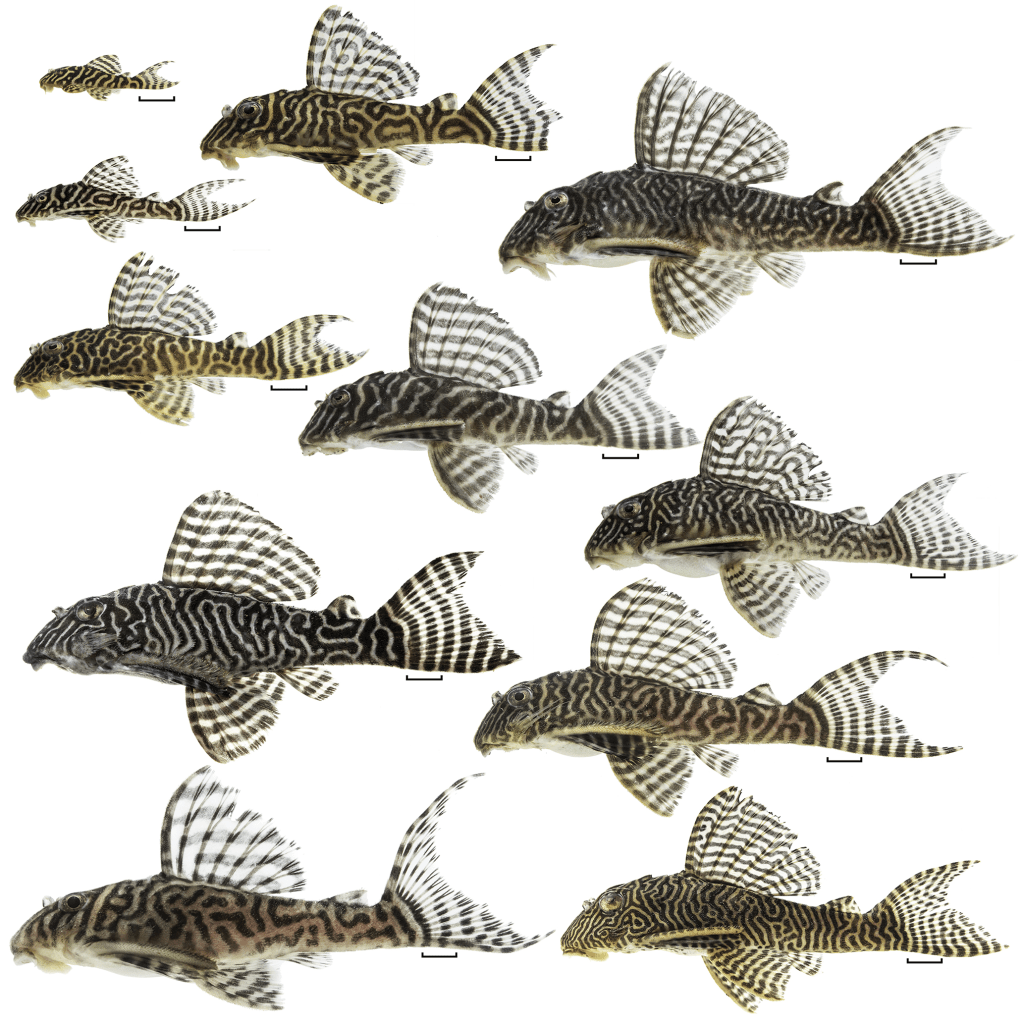
Figure 2: Hypancistrus seideli as featured in: Sousa LM, Sousa EB, Oliveira RR, Sabaj MH, Zuanon J, Rapp Py-Daniel L. (2025). Two new species of Hypancistrus (Siluriformes: Loricariidae) from the rio Xingu, Amazon, Brazil. Neotropical Ichthyology. 23(1). https://doi.org/10.1590/1982-0224-2024-0080

This species includes the L numbers: L333, L066, L236, L287, L399, L400.

This species includes the common names: King tiger pleco, maze zebra pleco.

Diagnosed by alternating dark and pale vermiculation’s from currently described species although recognised as extremely varied (Sousa et al., 2025). Hypancistrus seideli covers a wide range of the Hypancistrus diversity in the Rio Xingu and some of the most popular species in the aquarium trade. Although morphologically diverse (Fig 2) there it seems to not have the same amount of molecular diversity so further inferring at least L066 and L333 regardless are the same species. Phylogenetically there also seems to be an issue to designate them as different species given L066 and Belo Monte seem to be paraphyletic (Cardoso et al., 2016). Although using sequences from a public database does rely on correct identification of those sequencing the samples (Fig 3).
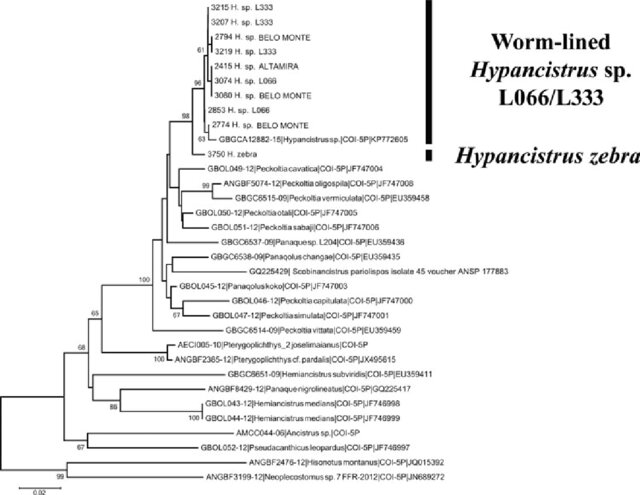
Figure 3: Molecular phylogeny using the COI barcode sequences located from a public database as featured in: Cardoso, A. L., Carvalho, H. L. S., Benathar, T. C. M., Serrao, S. M. G., Nagamachi, C. Y., Pieczarka, J. C., … & Noronha, R. C. R. (2016). Integrated cytogenetic and mitochondrial DNA analyses indicate that two different phenotypes of Hypancistrus (L066 and L333) belong to the same species. Zebrafish13(3), 209-216.

Etymology: Hypancistrus seideli is named after the well known and respected aquarist Ingo Seidel who has contributed a lot to the knowledge of Hypancistrus (Sousa et al., 2025).

Habitat: While the paper doesn’t go into detail that isn’t well known it describes their environment as rocky with strong currents (Sousa et al., 2025).
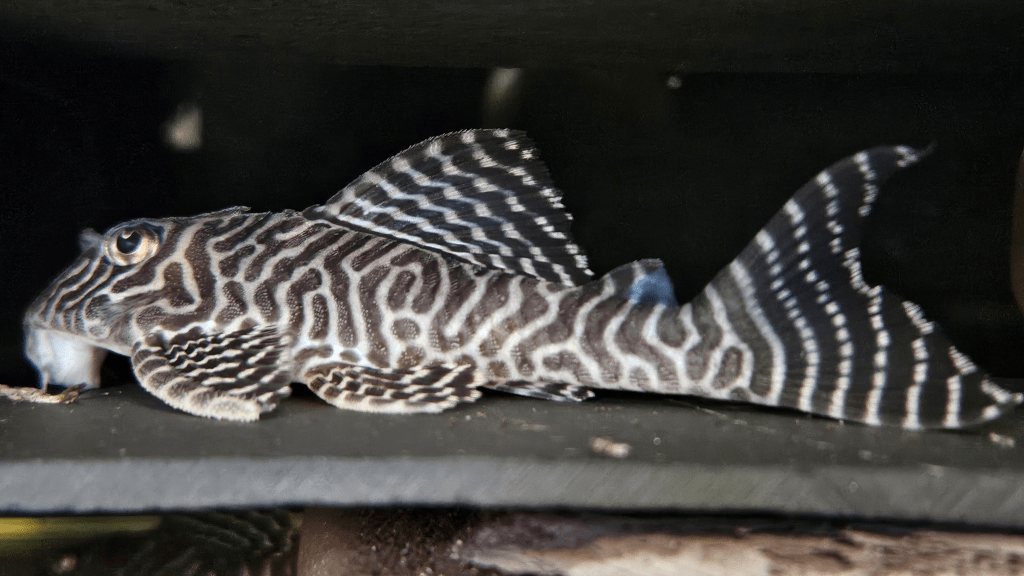

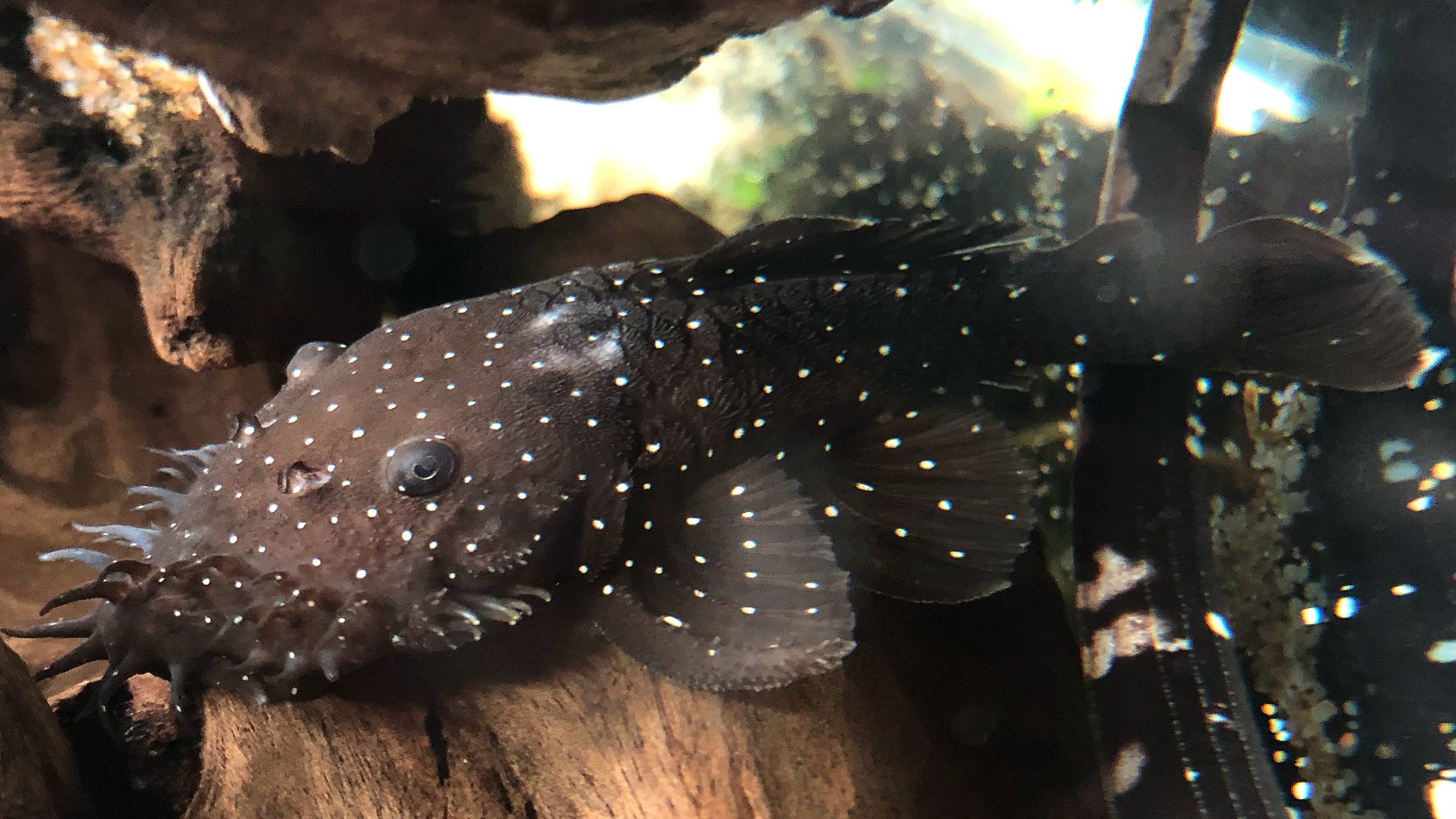
Hypancistrus seideli ‘L066 King Tiger’ Image originated from: Olivia and Dad’s Fish Room https://www.facebook.com/profile.php?id=100063396450007

Hypancistrus yudja Sousa, Sousa, Oliveira, Sabaji, Zuanon & Rapp Py-Daniel 2025.
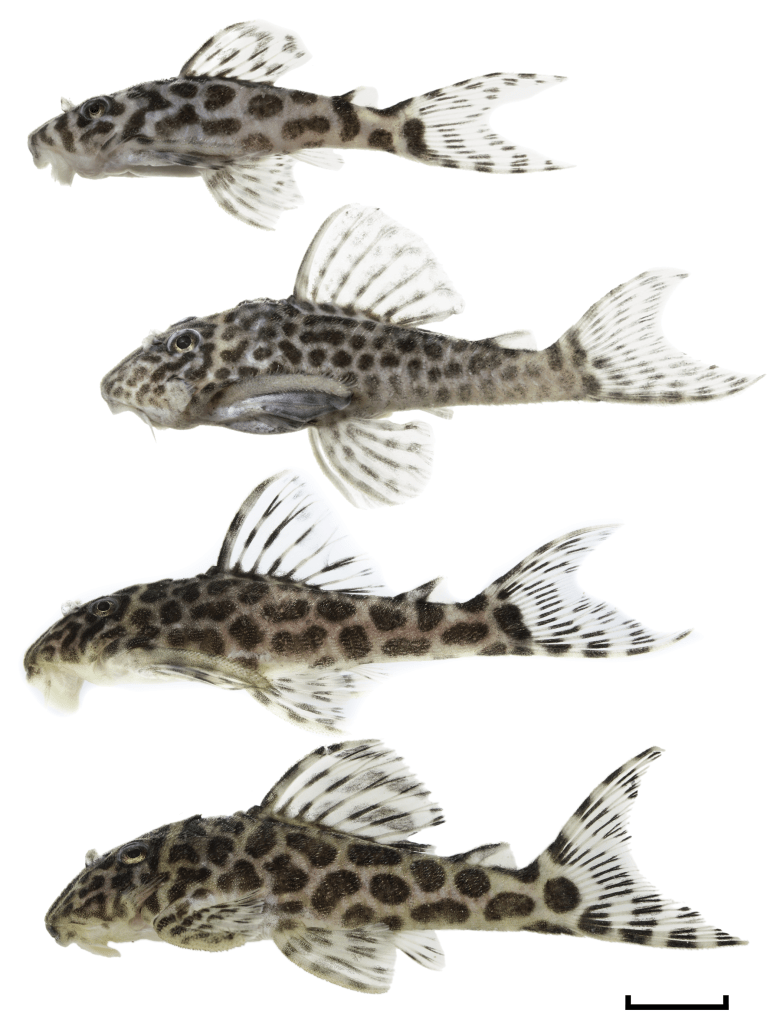
Figure 4: Hypancistrus yudja as described in: Sousa LM, Sousa EB, Oliveira RR, Sabaj MH, Zuanon J, Rapp Py-Daniel L. (2025). Two new species of Hypancistrus (Siluriformes: Loricariidae) from the rio Xingu, Amazon, Brazil. Neotropical Ichthyology. 23(1). https://doi.org/10.1590/1982-0224-2024-0080

This species includes the L numbers: L174.

This species includes the common names: Ozelot pleco.

Diagnosed by large brown splotches and saddles on a tanned background (Sousa et al., 2025).

Etymology: Named after the Yudjá people of the Volta Grande, Rio Xingu, Brazil who are located in the same area as these fishes and described as equally threatened by the Belo Monte dam (Sousa et al., 2025).

Habitat: Located specifically from deep but rocky waters but remains hidden in crevices for large amounts of time (Sousa et al., 2025).
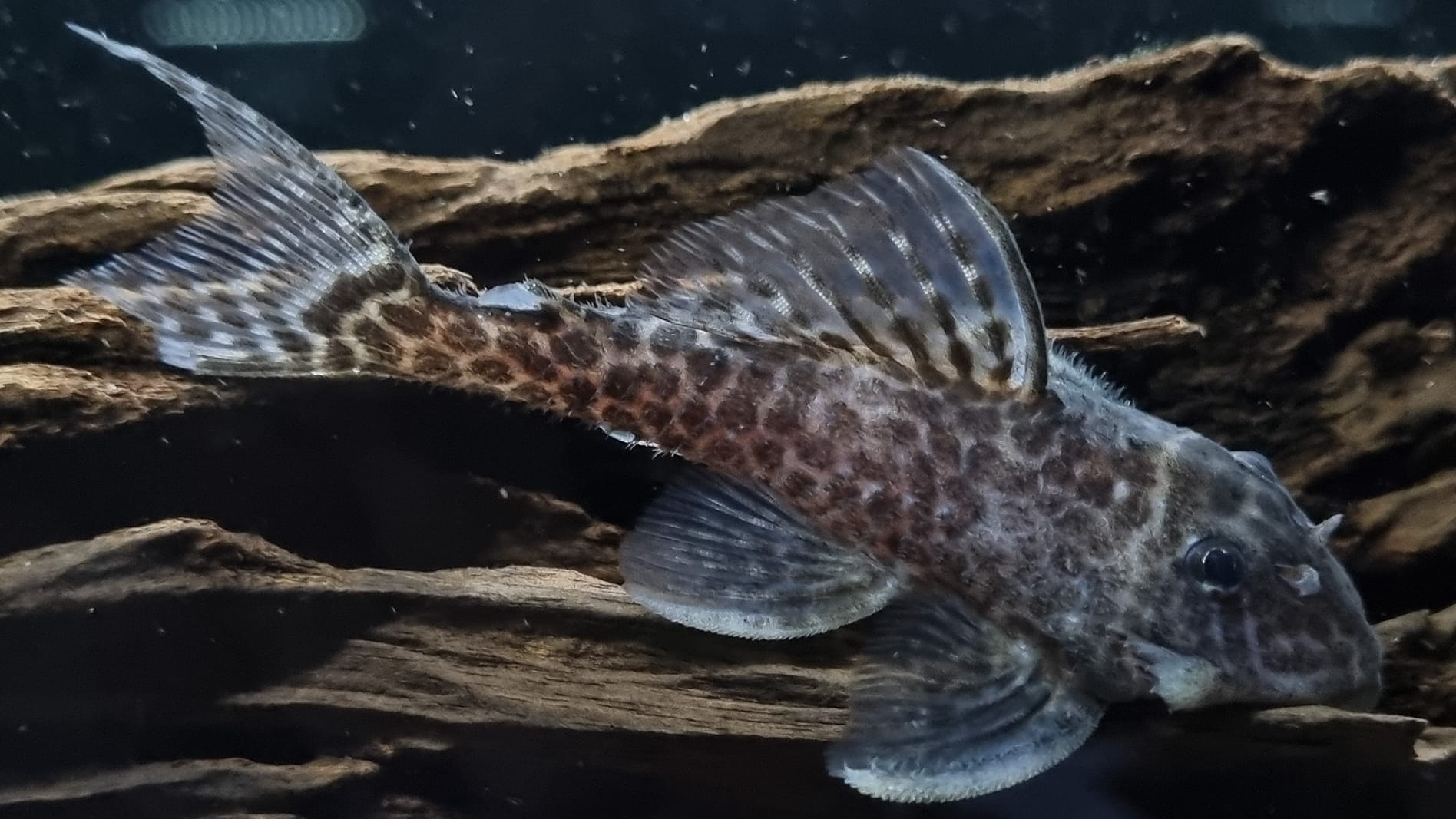
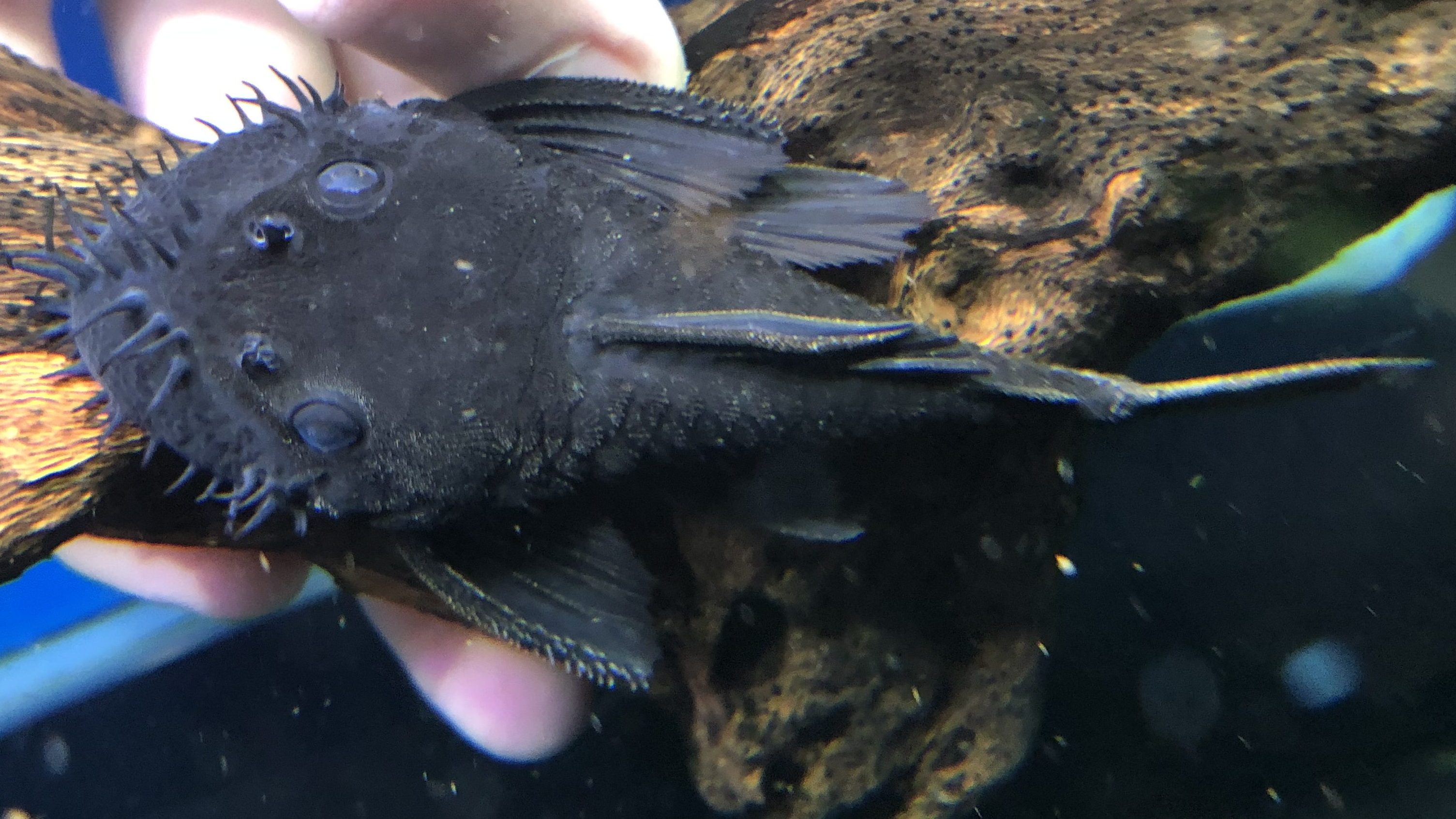
Hypancistrus yudja ‘L174 Ozelot pleco’ Image originated from: Olivia and Dad’s Fish Room https://www.facebook.com/profile.php?id=100063396450007

References:

Armbruster, J. W. (2003). Peckoltia sabaji, a new species from the Guyana Shield (Siluriformes: Loricariidae). Zootaxa344(1), 1-12.

Cardoso, A. L., Carvalho, H. L. S., Benathar, T. C. M., Serrao, S. M. G., Nagamachi, C. Y., Pieczarka, J. C., … & Noronha, R. C. R. (2016). Integrated cytogenetic and mitochondrial DNA analyses indicate that two different phenotypes of Hypancistrus (L066 and L333) belong to the same species. Zebrafish13(3), 209-216.

Magalhães, K. X., da Silva, R. D. F., Sawakuchi, A. O., Gonçalves, A. P., Gomes, G. F. E., Muriel-Cunha, J., … & de Sousa, L. M. (2021). Phylogeography of Baryancistrus xanthellus (Siluriformes: Loricariidae), a rheophilic catfish endemic to the Xingu River basin in eastern Amazonia. Plos one16(8), e0256677.

Splitting up Corydoras: Understanding the Corydoradinae Revision

Corydoras has been revised splitting up the genus and resurrecting previously synonymized genera. But what does this all mean?

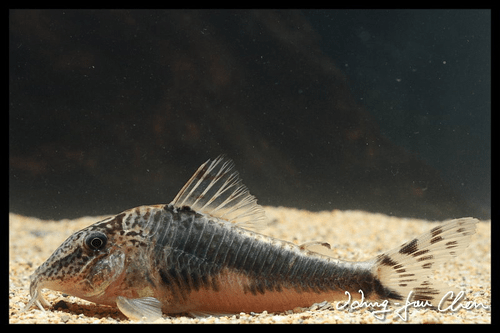
Corydoras semiaquilus, obtained from INaturalist, photo owner: Blair Chen – some rights reserved (CC BY-NC-SA)

Corydoras is a genus of Catfishes in the family Callichthyidae. Callichthyidae includes: Callichthyinae (Callichthys, Lepthoplosternum, Hoplosternum, Megalechis and Dianema); Corydoralinae which is the focus of this article and revision. Figure 1 explains the topography (family tree format) of this group but bare in mind it doesn’t reflect the current knowledge for Corydoralinae.

Figure 1: Phylogeny of Callichthyidae. Bare in mind the topography (shape) of Corydoras doesn’t match our current understanding. As featured in:
Shimabukuro-Dias, C. K., Oliveira, C., Reis, R. E., & Foresti, F. (2004). Molecular phylogeny of the armored catfish family Callichthyidae (Ostariophysi, Siluriformes). Molecular Phylogenetics and Evolution32(1), 152-163.

Previously many genera were inferred for members of what was known for a long time as Corydoras but over time these were synonymized finalizing with Britto (2003) which resulted in Brochis no longer being valid. To put it simply as there were many reasons behind but also to have Corydoras as the genus it was then Brochis would have to be Corydoras.

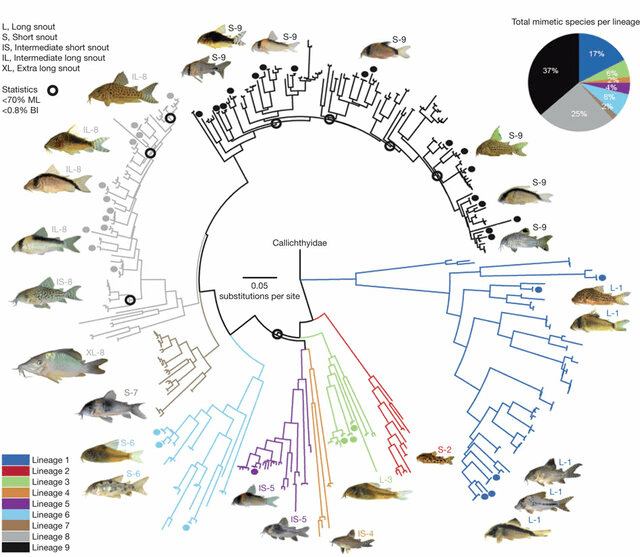
Figure 2: Phylogeny of Corydoralinae featured in: Alexandrou, M. A., Oliveira, C., Maillard, M., McGill, R. A., Newton, J., Creer, S., & Taylor, M. I. (2011). Competition and phylogeny determine community structure in Müllerian co-mimics. Nature469(7328), 84-88.

The history is a bit messy. We have known for a long time Corydoras has had a lineage system, this was explained clearly in Alexandrou et al (2011). This phylogeny shows how embedded Brochis is inside of Corydoras and therefore would not easily be valid as a genus.

The issue of type species

So while many of the ‘Corydoras‘ kept in the aquarium trade are not Corydoras, the type, C. geoffroy places in lineage 1. These would be the only true Corydoras, basically this is the reference species in a way.

Some might note what was known as Aspidoradini, a tribe separate to what was Corydoras branches out in the middle of Corydoras, more problems. It’s really messy.

What are the new genera?

  • Corydoras: Used to represent lineage 1 of Corydoras. These have a but curved block shaped head, most distinctively is a filament behind the barbel’s which can look like an additional barbel.
  • Aspidoras: Always known as Aspidoras but excludes Gastrodermis pauciradiatus.
  • Scleromystax: Sometimes known as bearded Corydoras, the only to show really clear sexual dimorphism through odontodes.
  • Gastrodermus: Originally the C. elegans group, lineage 5 and the microcorydoras such as G. pygmeaus and G. hastatus. Much shorter and rounder in the head but still slightly trinagular unlike Hoplisoma.
  • Osteogaster: Originally the C. aeneus group, contains the bronze, O. aeneus. Rounded head, short.
  • Brochis: This is a much larger group, likely for the time being. Contains the whole of lineage 8 from what was Brochis to species such as C. arcuatus. Similar to Corydoras the majority have large heads but these lack the curvature of Corydoras, similarly contains many large members.
  • Hoplisoma: Lineage 9, another very popular genus from the trade. Very rounded head but much shorter then Osteogaster.

Corydoradinae head shapes

The clearest way to see the difference between the different genera is their head shapes, there is quite the diversity as shown in the above figure. The majority of these genera can be identified from that head shape in my opinion. Brochis seems to display the widest range of morphological disparity in head shape but this can be expected from such a large genus.

Why is this revision important?

This revision reflects our current knowledge of the group Corydoradinae, both regarding morphological and molecular information. Rather then have one large category which doesn’t describe the morphological diversity or any phylogenetic information, these genera are easier to navigate particularly for a hobbyist. Not just does their morphology differ but likely their care. I already know Corydoras and some Brochis display territorial behavior which is not reflective of all groups, from a hobbyist view point knowing the genera helps avoid this, or avoid larger species.

Revisions are normal in science as technology and knowledge advances, they aren’t done for no reason or for publication. Over time we have developed techniques that have helped us understand the evolution of fishes better and therefore give them more accurate names that reflect this evolution. Technology such as Computerized tomography (CT) scanning, extracting DNA from formalin preserved/historical specimens, gene expression, developmental techniques etc. We can now understand fishes in a way we never could before, it means that change is inevitable but it’s the path to understanding evolution, biodiversity and reflecting that in how we name species, genera, families etc.

This work was done by the scientists; Angelica C. Dias, Luiz F. C. Tencatt, Fabio F. Roxo, Gabriel de Souza da Costa Silva, Sérgio A. Santos, Marcelo R. Britto, Dr. Martin I. Taylor and Dr. Claudio Oliveira.

No doubt our knowledge of Corydoradinae wouldn’t be the same without the efforts of Steven Grant (Catfishes of the World) and Ian Fuller who runs Corydoras World, both have done a lot for bridging the gap between the hobbyist and the scientist. Corydoras World I can certainly recommend for anyone who wants to learn more about this curious group of fishes.

What species are what?

To save time I wont cite authors, but this should ideally be done. I wont include C and CW numbers as it’ll make the lists much much longer.

Corydoras

  • Corydoras acutus
  • Corydoras amapaensis
  • Corydoras areio
  • Corydoras aurofrenatus
  • Corydoras blochi
  • Corydoras caramater
  • Corydoras cervinus
  • Corydoras coriatae
  • Corydoras cortesi
  • Corydoras desana
  • Corydoras filamentosus
  • Corydoras fowleri
  • Corydoras fulleri
  • Corydoras geoffroy
  • Corydoras maculifer
  • Corydoras narcissus
  • Corydoras negro
  • Corydoras ourastigma
  • Corydoras oxyrhynchus
  • Corydoras pastazensis
  • Corydoras saramaccensis
  • Corydoras sarareensis
  • Corydoras semiaquilus
  • Corydoras septentrionalis
  • Corydoras serratus
  • Corydoras simulatus
  • Corydoras solox
  • Corydoras spilurus
  • Corydoras stenocephalus
  • Corydoras treitlii
  • Corydoras vittatus
  • Corydoras zawadzkii

Aspidoras

  • Aspidoras albater
  • Aspidoras aldebaran
  • Aspidoras azaghal
  • Aspidoras belenos
  • Aspidoras brunneus
  • Aspidoras carvalhoi
  • Aspidoras depinnai
  • Aspidoras fuscoguttatus
  • Aspidoras gabrieli
  • Aspidoras kiriri
  • Aspidoras lakoi
  • Aspidoras maculosus
  • Aspidoras mephisto
  • Aspidoras poecilus
  • Aspidoras psammatides
  • Aspidoras raimundi
  • Aspidoras rochai
  • Aspidoras velites

Scleromystax

  • Scleromystax barbatus
  • Corydoras lacerdai
  • Scleromystax macropterus
  • Scleromystax prionotos
  • Scleromystax reisi
  • Scleromystax salmacis
  • Scleromystax virgulatus

Gastrodermus

  • Gastrodermus bilineatus
  • Gastrodermus elegans
  • Gastrodermus gracilis
  • Gastrodermus guapore
  • Gastrodermus hastatus
  • Gastrodermus latus
  • Gastrodermus mamore
  • Gastrodermus nanus
  • Gastrodermus napoensis
  • Gastrodermus nijsseni
  • Gastrodermus paucerna
  • Gastrodermus pauciradiatus
  • Gastrodermus pygmaeus
  • Gastrodermus undulatus

Osteogaster

  • Osteogaster aeneus
  • Osteogaster eques
  • Osteogaster hephaestus
  • Osteogaster maclurei
  • Osteogaster melanotaenia
  • Osteogaster rabauti
  • Osteogaster zygatus

Brochis

  • Brochis agassizii
  • Brochis amandajanea
  • Brochis ambiacus
  • Brochis approuaguensis
  • Brochis arcuatus
  • Brochis bethanae
  • Brochis bifasciatus
  • Brochis britskii
  • Brochis brittoi
  • Brochis condiscipulus
  • Brochis costai
  • Brochis crimmeni
  • Brochis crypticus
  • Brochis delphax
  • Brochis deweyeri
  • Brochis difluviatilis
  • Brochis ephippifer
  • Brochis garbei
  • Brochis geryi
  • Brochis gomezi
  • Brochis haraldschultzi
  • Brochis heteromorphus
  • Brochis imitator
  • Brochis incolicana
  • Brochis isbrueckeri
  • Brochis lamberti
  • Brochis leopardus
  • Brochis multiradiatus
  • Brochis noelkempffi
  • Brochis ornatus
  • Brochis orphnopterus
  • Brochis pantanalensis
  • Brochis pinheiroi
  • Brochis pulcher
  • Brochis reticulatus
  • Brochis robineae
  • Brochis robustus
  • Brochis seussi
  • Brochis sodalis
  • Brochis spectabilis
  • Brochis splendens
  • Brochis sychri
  • Brochis virginiae

Hoplisoma

  • Hoplisoma acrensis
  • Hoplisoma adolfoi
  • Hoplisoma albolineatum
  • Hoplisoma amphibelum
  • Hoplisoma apiaka
  • Hoplisoma araguaiaensis
  • Hoplisoma armatum
  • Hoplisoma atropersonatum
  • Hoplisoma axelrodi
  • Hoplisoma baderi
  • Hoplisoma benattii
  • Hoplisoma bicolor
  • Hoplisoma boehlkei
  • Hoplisoma boesemani
  • Hoplisoma bondi
  • Hoplisoma breei
  • Hoplisoma brevirostris
  • Hoplisoma burgessi
  • Hoplisoma carlae
  • Hoplisoma caudimaculatum
  • Hoplisoma cochui
  • Hoplisoma colossus
  • Hoplisoma concolor
  • Hoplisoma copei
  • Hoplisoma coppenamensis
  • Hoplisoma cruziensis
  • Hoplisoma davidsandsi
  • Hoplisoma diphyes
  • Hoplisoma duplicareum
  • Hoplisoma ehrhardti
  • Hoplisoma esperanzae
  • Hoplisoma evelynae
  • Hoplisoma eversi
  • Hoplisoma flaveolum
  • Hoplisoma froehlichi
  • Hoplisoma gladysae
  • Hoplisoma gossei
  • Hoplisoma granti
  • Hoplisoma griseum
  • Hoplisoma gryphus
  • Hoplisoma guianensis
  • Hoplisoma habrosum
  • Hoplisoma julii
  • Hoplisoma kanei
  • Hoplisoma knaacki
  • Hoplisoma lacrimostigmata
  • Hoplisoma leucomelas
  • Hoplisoma longipinnis
  • Hoplisoma loretoensis
  • Hoplisoma loxozonum
  • Hoplisoma lymnades
  • Hoplisoma melanistium
  • Hoplisoma melini
  • Hoplisoma metae
  • Hoplisoma micracanthus
  • Hoplisoma microcephalum
  • Hoplisoma multimaculatum
  • Hoplisoma nattereri
  • Hoplisoma oiapoquensis
  • Hoplisoma ortegai
  • Hoplisoma osteocarum
  • Hoplisoma paleatus
  • Hoplisoma panda
  • Hoplisoma paragua
  • Hoplisoma parallelum
  • Hoplisoma pavanelliae
  • Hoplisoma petracinii
  • Hoplisoma polystictum
  • Hoplisoma potaroensis
  • Hoplisoma punctatum
  • Hoplisoma revelatum
  • Hoplisoma reynoldsi
  • Hoplisoma sanchesi
  • Hoplisoma schwartzi
  • Hoplisoma similis
  • Hoplisoma sipaliwini
  • Hoplisoma steindachneri
  • Hoplisoma sterbai
  • Hoplisoma surinamensis
  • Hoplisoma trilineatum
  • Hoplisoma tukano
  • Hoplisoma urucu
  • Hoplisoma weitzmani
  • Hoplisoma xinguensis

References:

Alexandrou, M. A., Oliveira, C., Maillard, M., McGill, R. A., Newton, J., Creer, S., & Taylor, M. I. (2011). Competition and phylogeny determine community structure in Müllerian co-mimics. Nature469(7328), 84-88.

Britto, M. R. (2003). Phylogeny of the subfamily Corydoradinae Hoedeman, 1952 (Siluriformes: Callichthyidae), with a definition of its genera. Proceedings of the Academy of Natural Sciences of Philadelphia153(1), 119-154.

Dias, A. C., Tencatt, L. F., Roxo, F. F., Silva, G. D. S. D. C., Santos, S. A., Britto, M. R., … & Oliveira, C. (2024). Phylogenomic analyses in the complex Neotropical subfamily Corydoradinae (Siluriformes: Callichthyidae) with a new classification based on morphological and molecular data. Zoological Journal of the Linnean Society, zlae053.

Shimabukuro-Dias, C. K., Oliveira, C., Reis, R. E., & Foresti, F. (2004). Molecular phylogeny of the armored catfish family Callichthyidae (Ostariophysi, Siluriformes). Molecular Phylogenetics and Evolution32(1), 152-163.

Understanding Scientific (Latin) Names of Aquarium Fishes.

This is a subject that rarely gets discussed as it’s not something many are taught, even in the scientific community many are not taught it. Two important terms are needed here; Taxonomy, the study involving the description of species, genera and the larger groupings and Nomenclature, this is more about how these species are named. Since the mid-1700’s we have been using a system for scientific names known as Binomial Nomenclature created by Carl Linnaeus (a name everyone should know). This binomal system uses two names, the genus name (E.g. Corydoras) and the species name/epithet (aeneus), together this forms Corydoras aenus.

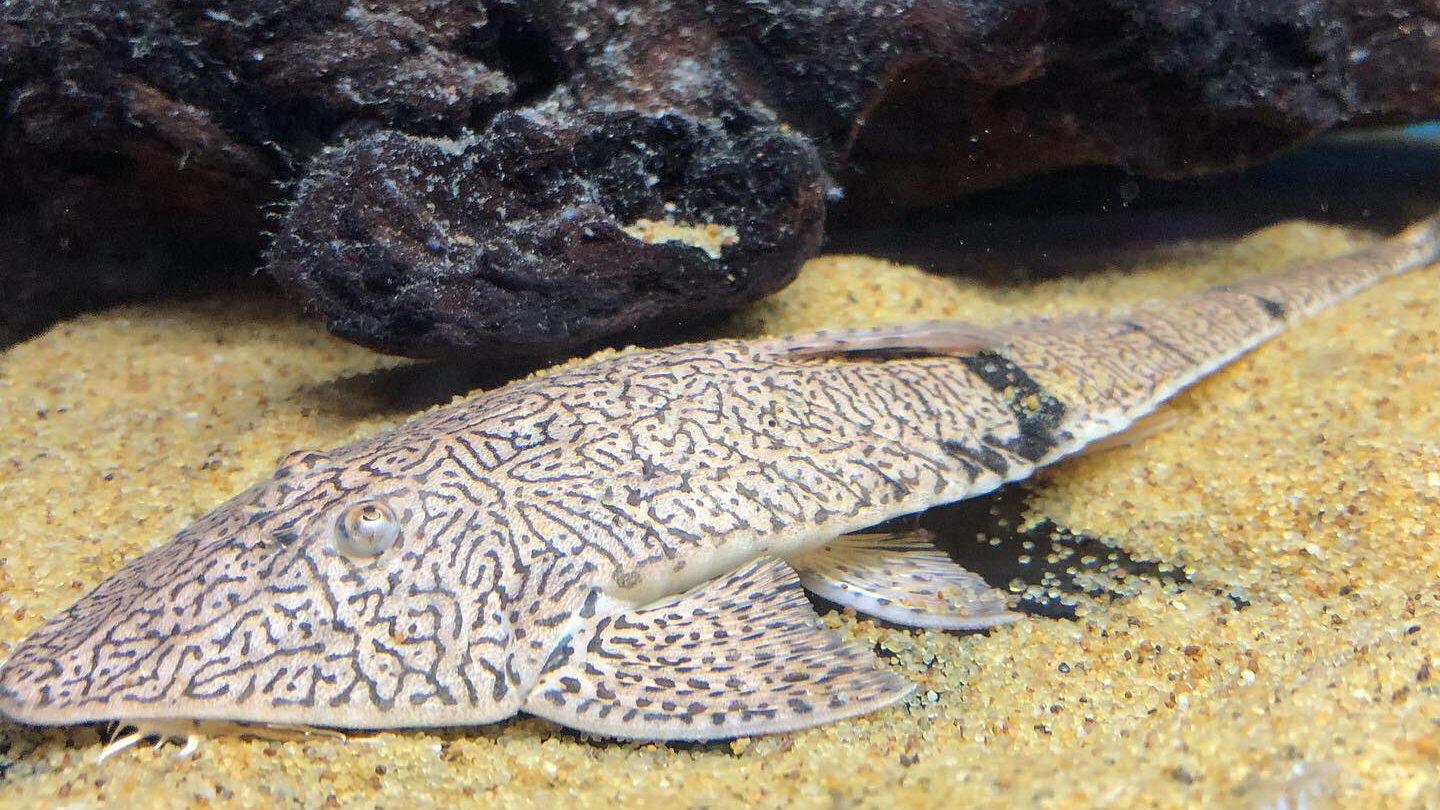
Pseudohemiodon apithanos at Maidenhead Aquatics at Ascot

Scientific names on the face of them aren’t that complex, and a lot of the rules are for those describing species, some rules are formal and others not. There is a guide, rulebook or bible for the naming of species, genera etc. and this is known as the International Code for Zoological Nomenclature, as the name suggests plants, fungi and bacteria have other codes.

The Groupings

To understand scientific names it can be useful to know the hierarchy of animal groups; Kingdom, Phylum, Class, Order, Family, Genus and finally Species. So an example would be Animalia (animals), Chordata (vertebrates, sea squirts etc.), Actinoptergii (Ray-finned fishes), Siluriforme (Catfishes), Loricariidae (Armoured suckermouth catfishes/plecos), Ancistrus (Bristlemouth catfishes/plecos) and Ancistrus ranunculus. There are some intermediate groups e.g. subfamily so in this case for Ancistrus would be Hypostominae, other genera in that group would be like Hypostomus, Hypancistrus, Scobinancistrus etc. I have been giving common names to some of these groups but beware as they can be misleading e.g. Synbranchiformes are eels but they are not closely related to Anguilliforme eels. Ray finned fishes, Actinopterygii doesn’t mean they all have fins, one that I find confuses students is they are asked to find lobe finned fishes, Sarcopterygii and presented with the African lungfish (Protopterus), or worse humans (Homo sapien). So this goes to show how useful scientific names and the systems are, they do teach placement within a group, or more precisely these groups are known as clades.

So this idea of grouping brings up another study, phylogenetics, unlike the name suggests this study uses morphology/anatomy and/or DNA. It is the study of evolutionary relationships between species to produce beautiful trees that hypothesize how species are related. When you know these relationships between whatever interests you, you can then identify trends and maybe keep species who have little information on them, of course understanding anatomy is important too.

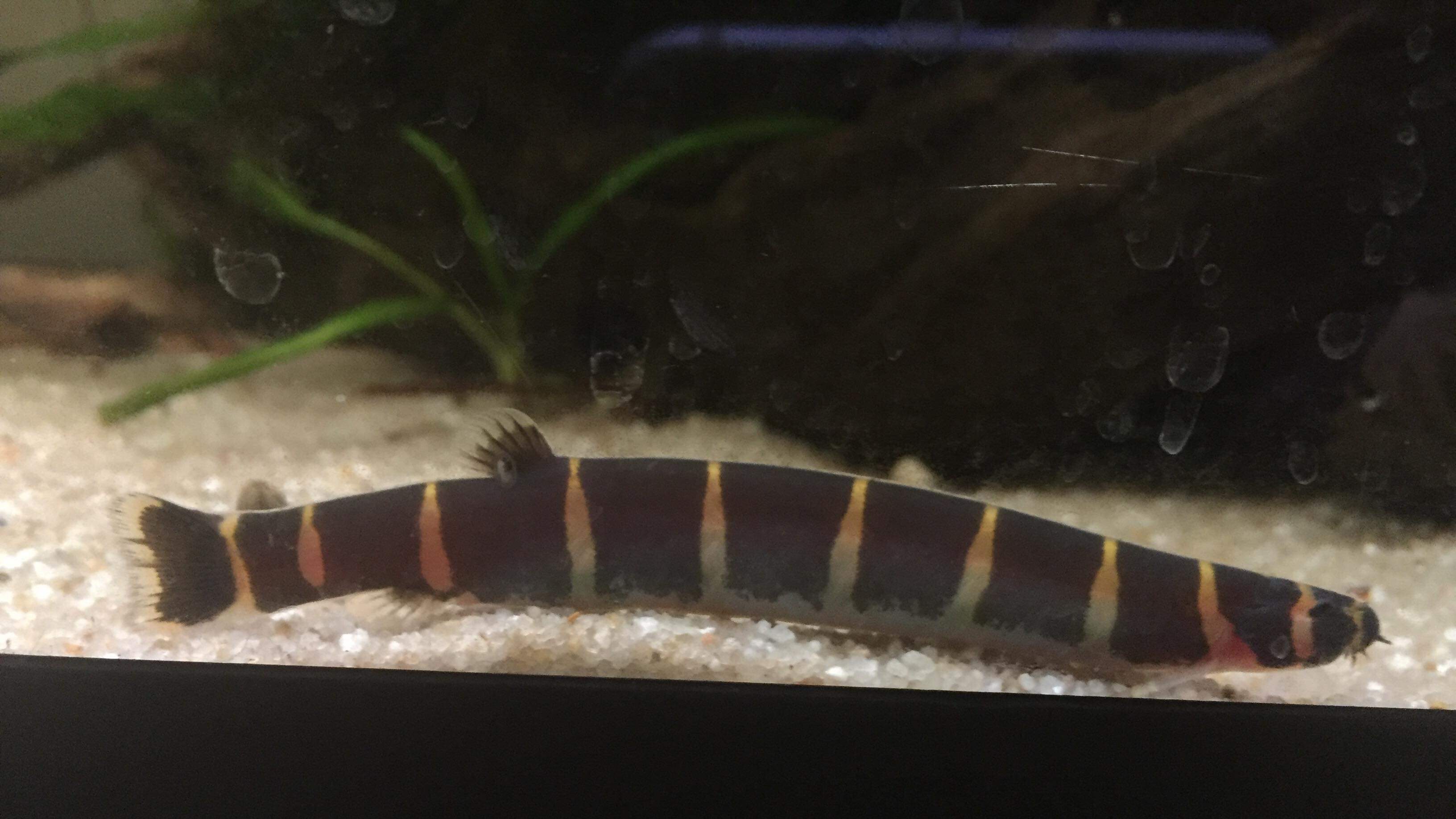
Pangio myersi

Why are Scientific Names Important?

  • Scientific names are universal, they are the same around the world.
  • There is documentation e.g. papers which say the characteristics that define each species. So you can use these to identify your species.
  • Many species lack common names.
  • They are peer reviewed, other scientists have to agree with the decision.
  • Common names are deceptive, mountain chicken is not a bird at all and a racoon dog is neither a racoon or dog.
  • If importing fish the fact scientific names are universal becomes important as they might use direct translations or their own names e.g. Pez globo as common names.
  • Common names change frequently over time with no ability to record how they change.
  • Common names can often describe many vastly different species e.g. Snowball pleco covers Hypancistrus spp. and Baryancistrus sp. ‘L142’ so the size difference is a 7-10cm SL fish vs a 25-30cm SL fish with a much more specialized diet.

How to Write Scientific Names

This is the topic that maybe throws the most people.

So lets go with one of my favorite scientific names:

Satanoperca jurupari (Heckel 1840)

  • Firstly the genus first letter is uppercase, the species is in lower case. This designates the species from the other groupings as the larger groupings above e.g. genus, family etc. are all uppercase for the first letter.
  • Scientific names, genus and species are in italics. If hand written then the scientific name can be underlined. This designates a scientific name from the common names.
  • There is no plural or singular to genera or species names. Corydora is not the name of a genus, Corydoras is the singular and the plural.
  • When first stated technically all scientific names should be cited. This is like if you were citing a paper but it cites the work describing the species, not any revisions just the species. If the name is in brackets it means that there has been a revision in the genus, if not there has been no revision. So in this case Satanoperca jurupari was originally in Geophagus.
Platystacus cotylephorus from Maidenhead Aquatics at Farnham

The Short Hand, and Their Meanings

Frequently you’ll come across letters with a full stop after and they are important. Some designate opinions about a species identification and others just save time.

  • sp. This means species as singular. Usually used where the species is not known or is undescribed. It will mostly be used where the genus is known but can be used even at the family level. Should not be italicized. E.g. Corydoras sp. one unknown or described species of Corydoras.
  • spp. This is plural for multiple species. It can be used for unknown or undescribed species but is more often to describe many species in the genus. E.g. Corydoras spp. multiple species of Corydoras.
  • subsp. Subspecies but most of us don’t really use subspecies, it’ll follow the scientific name between species and subspecies name.
  • aff. affinity with, means that it is similar to that species but likely not. E.g. Parancistrus aff. aurantiacus, it is similar to Parancistrus aurantiacus but in body shape, size etc. certainly a different species.
  • cf. confer to, similar to the species listed and likely that species but unsure.

There are a few others but they aren’t quite as important.

Etymology, the best bit!

Etymology is the origin of words, every scientific name will mean something usually a description of anatomy, a location, a person, an animal etc. This makes them so fascinating and unlike common names the original paper will include why the name was chosen and what it means.

So for the species earlier, Satanoperca jurupari. Satan actually refers to demons, this is largely due to these fishes being mouth brooders and locals associating them with eating their children. Demon in many countries refers more to spirit. Perca refers to perch, cichlids are Periformes but generally perch like. So this genus, Satanoperca is the demon perch. Many of the species in this genus are named after demons, S. lilith is another associated with eating children. S. jurupari is no exception but this is a local demon or more spirit who swallows children, I believe it should be pronounced as if you were saying yurupari.

I recommend checking out Etyfish for anyone who is interested in etymology of scientific names.

Scientific Names are not Latin

There is the idea that all scientific names are in Latin, and when you look at the names properly this is clearly untrue, they are not in the Latin language. Almost every language probably has scientific names in that language and they can be a hybrid of the two. Latin and Greek maybe were the most popular for a time period, it might have a social historical reason why but with most of us not being taught Latin in school I think that is changing. From the start species have been named after people whose names were not Latin.

This is why the term Latin names is generally incorrect.

Who are These Species Named After?

Not the author of the species description, ideally. It’s seen as more polite to name it after someone else, it is generally a huge honor to have a species named after you. It is usually a notation of the amount of work someone has done in a field although celebrities, political figures etc. have species named after them. Every scientist has their preferences and sometimes the naming after a well known person is great, needed publicity for scientists, and that can equate to funding or jobs. There is still debate about names that have become questionable.

Some of the best are the number of species named after characters in mythology, books and tv shows. We have quite a few Tolkien fans who study catfish as scientific names show, but there is also Aenigmachanna gollum.

Hoplarchus psittacus at Pier Aquatics, Wigan

Scientific names have a Gender

English is a language that we all know lacks gender, in French and Spanish it is quite clear words are gendered. Scientific names are as well, only those describing the species really have to concern themselves with this but the name can be feminine, masculine or neutral and this can change, a revision of the genus can change the gender. A great example of changing names was Megalechis thorcata was Hoplosternum thoracatum.

The Dreaded Pronunciation

I think it’s only correct if a species is named after someone aiming for a good pronunciation is only polite. Otherwise everyone does pronounce things differently, those aiming for a correct Latin or Greek pronunciation we aren’t entirely sure how they pronounced everything in the past, additionally like the UK and US, pronunciation varied between localities. Some pronunciations are difficult for some people, and that’s fine. Generally I think no one really minds how you pronounce scientific names, there are some strange ones but who knows theirs could be more correct.

Scientific Names Change

This is an argument many will bring up against their use, common names change as well and there is often no record to identify previous names. I grew up knowing the dwarf butterfly cichlid, a beautiful species yet over the years their name changed to the ramirezi cichlid, then ram cichlid but now there are many common names for the same species, Mikrogeophagus ramirezi. German blue ram being one which technically should only refer to a certain line of the fish, 99% of people no doubt have fishes with no connection to this line but entirely farmed in Asia. I have seen many more.

Scientific names do change, they change for good reason, they change as we know more about a species. Species get split up sometimes but they also might move genera. This shouldn’t be seen as a bad thing, as knowledge improves our naming systems should change. We can track these changes in papers and catalogs, unlike common names.

How to Keep Up to Date with Revisions

The best source for this will always be Catalog of Fishes by William Eschmeyer. Often within days of a scientific paper revising a species this website will update, not just that but it includes all the references and previous names behind all changes.

What is a pleco? To be a pleco or not to be a pleco

Common names are half a mystery to themselves, their origins and what species they really apply to and not. They lack regulations and frequently change spatially and temporally. You can’t expect to go to every country and people call a giraffe, Giraffa, a giraffe. It’s like you can’t expect common names to stay the same, a well known example would be the European robin, Erithacus rubecula was at one point called the redbreast and then that changed to robin redbreast and then just robin. The point maybe is common names change so much with little ability to track, plant common names do so frequently as well.

Pleco is one of those common names, originally Plecostomus but Plecostomus used to be the name of a genus. Much like many have created Cory as a common name for the genus Corydoras. The type and most notable species was Hypostomus Plecostomus (Linnaeus 1758), formally Plecostomus Plecostomus. Plecostomus is no longer a valid genus and has not been since 1980 where species were then placed in multiple other genera such as Ancistrus, Isorineloricaria, Loricariichthys and eventually Aphanotorulus. The majority of those previously known as Plecostomus were moved into Hypostomus, described in 1803 with the type Hypostomus guacari which is now understood to be a synonym of Hypostomus plecostomus (Fricke et al., 2023). Interestingly Pterygoplichthys, a genus that contains species known as the common plecos was never in the genus Plecostomus. This summarizing the main flaws of the arguments behind the common name. Ancistrus, bristlenose plecos are often argued not to be plecos but they had members once in Plecostomus whereas many such as Pterygoplichthys who there is no debate about were never placed in Plecostomus. Currently while there are none with the genus Plecostomus there is Hypostomus plecostomus and H. plecostomoides. Of genera Neoplecostomus, Microplecostomus and Nannoplecostomus exists, currently within Hypoptopominae, which is the same subfamily as Otocinclus. These genera add the other argument do people consider Otocinclus a pleco?

The other issue with the name pleco as a common name is where it is applied evolutionary.

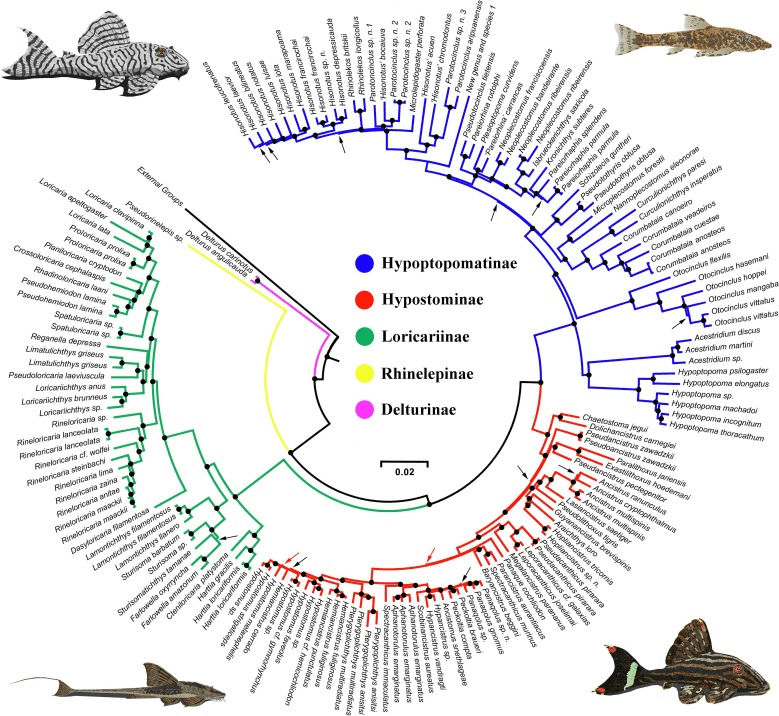
Phylogenetic tree using molecular data of Loricariidae from: Roxo, F. F., Ochoa, L. E., Sabaj, M. H., Lujan, N. K., Covain, R., Silva, G. S., … & Oliveira, C. (2019). Phylogenomic reappraisal of the Neotropical catfish family Loricariidae (Teleostei: Siluriformes) using ultraconserved elements. Molecular phylogenetics and evolution135, 148-165.

Names need some consistency so people can understand each other and that is what scientific names provide. The common name pleco also lacks consistency in where it places in the evolutionary/phylogenetic tree. If you exclude Ancistrus as so many do it is the only member of Hypostominae (coloured in red, Fig 1) to not be a pleco. But members outside of that subfamily are included, right at the earliest branches is Rinelepinae (coloured in yellow, Fig 1) it excludes a lot of later branching Loricariids. Not pictured here is also Pseudancistrus geniseiger who would be considered a pleco and also branches out this far (Lujan et al., 2015). Loricariinae and Hypoptopominae are often debated as if they are a pleco or not.

The problem is more that no one is quite referring to pleco in the same way under this pick and mix system. Some of us refer to the whole of Loricariidae as it would make sense to do, L numbers themselves also do as the L refers to Loricariidae. In Germany these fishes are often referred to as L Welse, meaning Loricariidae Catfish I assume as also members of Siluriforme, catfishes. It means everyone understands each other using this method even if being much broader, we should be recognising the diversity within Loricariidae anyway. In Loricariids and therefore plecos it is an international aspect of the fishkeeping hobby and many countries do not even use the term pleco.

References:

Britto, M. R. (2003). Phylogeny of the subfamily Corydoradinae Hoedeman, 1952 (Siluriformes: Callichthyidae), with a definition of its genera. Proceedings of the Academy of Natural Sciences of Philadelphia153(1), 119-154.

Fricke, R., Eschmeyer, W. N. & Van der Laan, R. (2023).  ESCHMEYER’S CATALOG OF FISHES: GENERA, SPECIES, REFERENCES. (http://researcharchive.calacademy.org/research/ichthyology/catalog/fishcatmain.asp). Electronic version accessed 18/10/2023.

Lujan, N. K., Armbruster, J. W., Lovejoy, N. R., & López-Fernández, H. (2015). Multilocus molecular phylogeny of the suckermouth armored catfishes (Siluriformes: Loricariidae) with a focus on subfamily Hypostominae. Molecular phylogenetics and evolution82, 269-288.

Roxo, F. F., Ochoa, L. E., Sabaj, M. H., Lujan, N. K., Covain, R., Silva, G. S., … & Oliveira, C. (2019). Phylogenomic reappraisal of the Neotropical catfish family Loricariidae (Teleostei: Siluriformes) using ultraconserved elements. Molecular phylogenetics and evolution135, 148-165.

The Medusa Pleco’s, Ancistrus spp. which do you have if one at all?

Ancistrus commonly known as bristlenose plecos, is a gigantic genus with around 50 spp. currently described but many more undescribed species. They are generally described with the presence of tentacles on the head unlike other Loricariids with the exception of Lasiancistrus tentaculatulatus. Tentacles are not a defining feature though for Ancistrus, there are many species who lack them and previously might have been known under the genera Xenocara.

A common misconception is the connection between tentacles and the sex of the fish which is maybe a half truth as for quite a few females tend to have small to no tentacles whereas males develop substantial (hypertrophied) tentacles. Of course there are exceptions here so lets discuss the mythical medusa plecos.

So who are the species called the medusa plecos:

Ancistrus ranunculus Muller et al., (1994)

Common name: L034

Location: Rio Xingu, Brazil

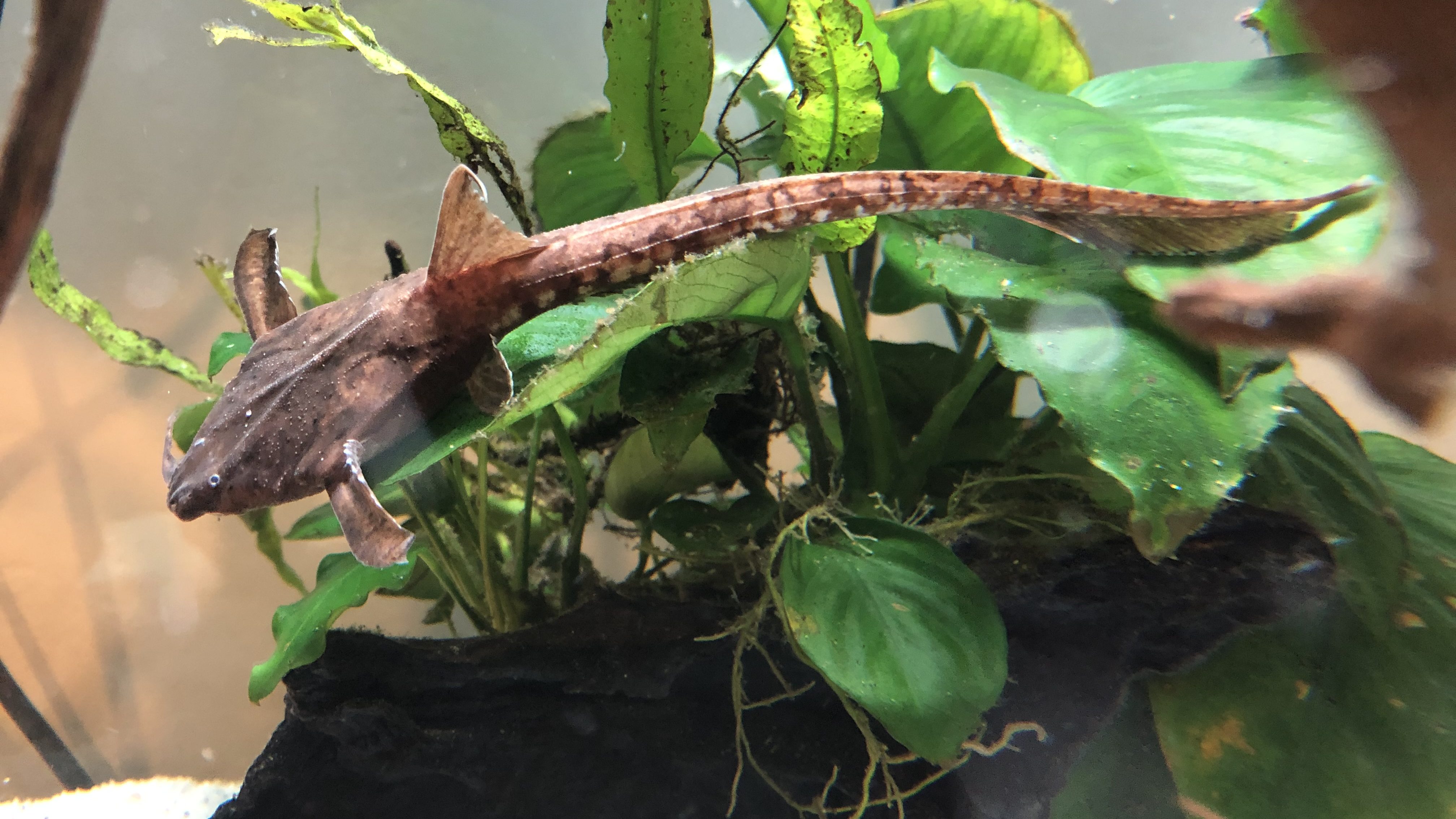
Diagnosis: This is one of the most extreme Ancistrus. This species displays a wide, flat, triangular head. The name ‘ranunculus refers to tadpole and this species definitely looks like the flattest and widest of tadpoles. Some what variable in body shape.

Males and females display very impressive tentacles, males do display often a double row of these tenatacles who are slightly larger. Either way females are often confused with being male.

Colouring is solid black with maybe a little of a blue tinge but not much. When stressed they often express white patches. Juveniles can be spotted in some variants they can have very small almost invisible spotting to maturity.

Ancistrus sp.

Common name: L255, spotted medusa pleco.

Location: Rio Xingu, Brazil

Length: 15cm SL

Diagnosis: This is very very similar to Ancistrus ranunculus although displays spotting into maturity which doesn’t disappear when relaxed. They are very striking and could be confused if it was not for that flat, triangular body shape with A. dolichopterus and other spotted Ancistrus.

Debatable if a new species or not.

Ancistrus macropthalamus Pellegrin (1912)

Common name: LDA074, blue medusa pleco.

Location: Rio Orinoco, Columbia

Length: 7-10cm SL.

Diagnosis: Flat with larger but rounder head then Ancistrus ranunculus. It is very unusual in comparison regarding eye placement to many Ancistrus.

Colouration is much more with a blue tinge and can be spotted but usually not into maturity.

Tentacles tend to be equal size between both sexes.

Ancistrus aguaboensis Fisch-Muller et al. (2001)

Common name: L032, green medusa pleco.

Length: 5cm SL.

Location: Rio Tocatins, Brazil.

Diagnosis: Almost much more like the traditional small Wild Ancistrus. It is some what of a flat head but not particularly wide.

Colouration is a brown/green tone with white spots, nothing impressive.

Tentacles are very sexually dimorphic and while females have tentacles are much smaller.

The Locality Clue

I have to empathise how important the difference in locality is. Always ask where these fishes were imported from as they will not be imported from other countries then their locality listed here. Ancistrus ranunculus is a Brazilian species and this is the biggest mistake as people will sell the Columbian Ancistrus macropthalamus under this name and label.

Husbandry

Not the focus of this article but half a warning. The morphology of these Ancistrus is based on high velocity of water not just that but high temperatures, 28c or more. I’ve tried lower at 26c and it was an awful failure, I don’t just say this from my experience. The Rio Xingu for Ancistrus ranunculus and Ancistrus sp. ‘L255’ rarely if ever dips below 28c (Rofrigues-Filho et al., 2015). Even below they struggle to feed. The other aspect is that as temperature increases oxygen saturation decreases and these are high velocity fishes so a good current is important either a powerhead, wavemaker or a strong air pump.

Many of these Ancistrus are gregarious, social but none more so then the Ancistrus ranunculus and Ancistrus sp. ‘L255’. It came to my notice when I saw so many people struggling but everyone with success had theirs as a group. Even in the ecological and species description of Ancistrus raununculus notes them as gregarious listed as unlike Hypancistrus zebra (Muller et al., 1994). These fishes generally are social in their own space but it goes elsewhere to where they might struggle to feed otherwise.

Diet might be one of the most important aspects of many fishes husbandry, it also is maybe the most forgotten. Most Ancistrus lack any dietary information although Ancistrus ranunculus has some records suggesting they are almost entirely algivores (Zuanon, 2019). Maybe there is evidence to suggest much more diversity to the genus. Generally this genus is very specialist and I cannot empathise the importance of Repashy soilent green.

Ancistrus is one of the most misunderstood genera maybe because everyone sees the common bristlenose, Ancistrus sp. who is largely much more hardy. There are slow feeding species who don’t compete well but could be much more successful in captivity if not treated like side on. They definitely require a tank being considered around them and while I’d love to see more species in the hobby I’d love there be more demand for treating this genus as it is, a pain!

References:

Fisch-Muller, S., Mazzoni, R. & Weber C. (2001). Genetic and morphological evidences for two new sibling species of Ancistrus (Siluriformes: Loricariidae) in upper rio Tocantins drainage, Brazil. Ichthyological Exploration of Freshwaters. 2(4): 289-304.

Muller, S., Rapp Py-Daniel, L. H. and Zuanon, J. (1994). Ancistrus ranunculus, a new species of loricariid fish (Siluriformes: Loricariidae) from the Xingú and Tocantins rivers, Brazil. Ichthyological Exploration of Freshwaters. 5 (4): 289-296.

Pellegrin, J. (1912). Description d’un poisson nouveau de l’Orénoque appartenant au genre Xenocara. Bulletin de la Société Zoologique de France. 37:271-272.

Rodrigues-Filho, J. L., Abe, D. S., Gatti-Junior, P., Medeiros, G. R., Degani, R. M., Blanco, F. P., Faria, C. R. L., Campanelli, L., Soares, F. S., Sidagis-Galli, C. V., Teixeira-Silva, V., Tundisi, J. E. M., Matsmura-Tundisi, T. and Tundisi, J. G. (2015). Spatial patterns of water quality in Xingu River Basin (Amazonia) prior to the Belo Monte dam impoundment. Brazilian Journal of Biology, 75(3).

Zuanon, J. A. S. (1999). “História natural da ictiofauna de corredeiras do rio Xingu, na região de Altamira, Pará” Unpublished Thesis. Dept. Ecologia Universidade Estadual de Campinas : Campinas, SP