It is quite common for nitrates to be labelled as non-toxic to fishes and it is kind of accepted that nitrates have a lower toxicity to ammonia and nitrites, or more that these have a higher acute (short term) toxicity. Every aquarium community will give you a different maximum level of nitrate toxicity, this kind of reflects that nitrate toxicity is very much misunderstood and rarely fact checked. Not just is this topic rarely fact checked but often it is a lot more complex as it takes understanding the limitations of the scientific literature.
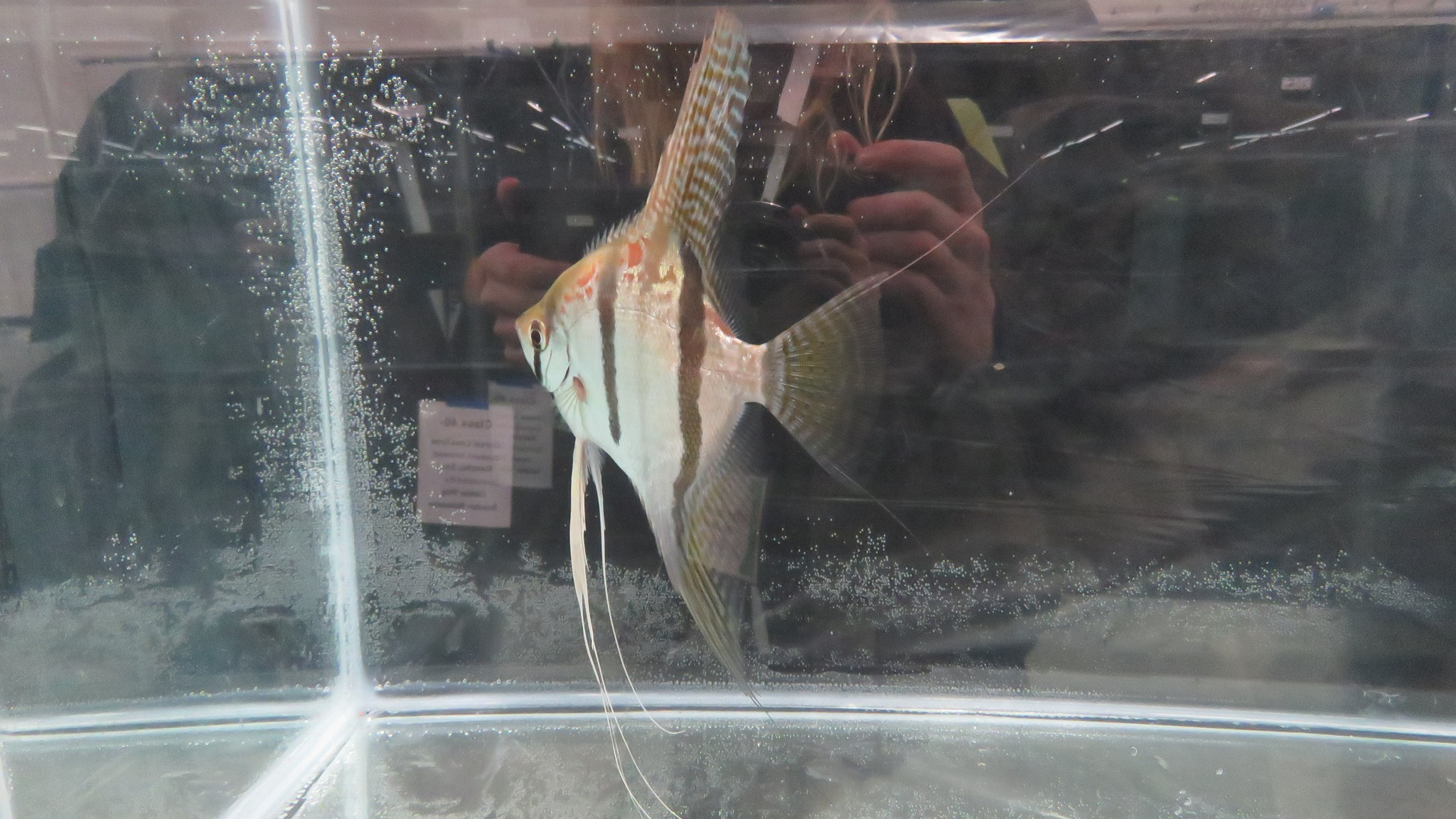
One of the beautiful angelfish, Pterophyllum scalare at the Keystone Clash 2024.
It is noted in the scientific literature that nitrate exposure is neglected (Monsees et al., 2017), so why do we focus on the lack of studies in the assumption it’s non-toxic with little science to say it is.
At the end of the day, we know nitrates is toxic. We don’t know the safe levels and therefore it is more ethical to assume that as little as possible is safer then more because we know that nitrates have no benefits. It is better to assume that negative for the sake of a little bit of hard work if it could benefit the animal.
There are definitely flaws in the idea nitrates are not toxic particularly when saying up to 20, 40, 100ppm are fine. Let me discuss each limitation to these claims:
Most studies focus on species that we do not keep, hardy species such as tilapia (Oreochromis; Monsees et al., 2017), carp, Salmonids (Yu et al., 2021) or Danio rerio. Many of these do not apply either due to temperature or just not closely related to anything we are discussing.
These studies are short term so look at acute exposure not long term chronic exposure (Monsees et al., 2017; Yu et al., 2021). If the studies only look at 30 days it cannot be assumed that the effect is the same at 5, 10 or 20 years.
Studies use distinct gradings of exposure, often wide values so it is not possible to understand effects between those values (Gomez Isaza & Cramp, 2020; 2021; Yu et al., 2021). If they only test from 10ppm onwards the effect below 10ppm is unknown (Cano-Rocabayera et al., 2019) and if effects are only noted at 50ppm but they don’t test between that and 10ppm it cannot be assumed that 50ppm is a minimum level.
No study looks at all effects of exposure, particularly physiological effects so could miss other effects of the treatments exposed (Cano-Rocabayera, 2019; Monsees et al., 2017; Yu et al., 2021).
Many people focus on lethal effects in the short term and lethal doesn’t mean it isn’t causing other damage.
Why these limitations? Well the funding understandably is highest for food fishes and these do not need to be kept long term particularly on the scale for fishkeeping, along with that the aim is often not reproduction.
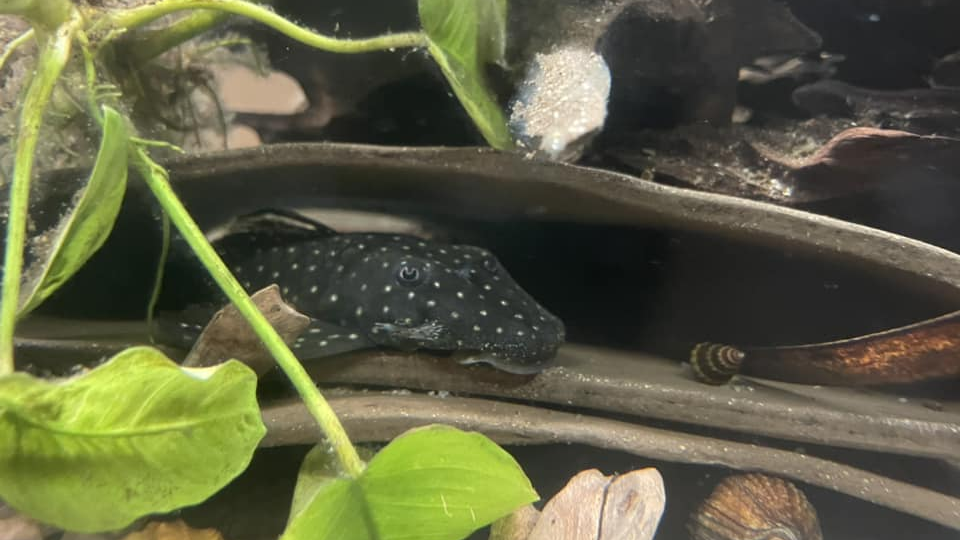
Lasiancistrus sp. obtained from Acres Aquatics, Warminster UK.
We know that nitrate is a pollutant that requires long term, chronic exposure (Yu et al., 2021) so this is where the limitation in understanding arises. When it comes to exposure levels 0ppm is usually the control to the next exposure level is tested there are effects on the fishes physiology (Kellock et al., 2018; Gomez Isaza & Cramp, 2021) that many aquarists would not be able to test for. While not always statistical there seems to always be effect but not lethal till very very high concentrations e.g. 600ppm, Regardless it does effect adaptability to change (Presa et al., 2022).
It does seem in every study there is a difference between low level exposure and no exposure in the short term in those cited but it is not significant, what about long term? If we think this is short term exposure causing some damage but over time and years, is recovery possible? I’d assume likely not.
There is never really any support for any one value to be the toxic level for many or any fishes (Isaza et al., 2020; Presa et al., 2011; Villa-Villaseñor et al., 2022; in general any of the citations).
What are the effects of nitrates?
Natural habitats are known as oligotrophic and normally have very little nitrates that is close to the undetectable level without a pollution event. Clearly captive fishes have a little more adaptability but many of the fishes we keep are wild caught and does it depend on the generation (Isaza et al., 2020).
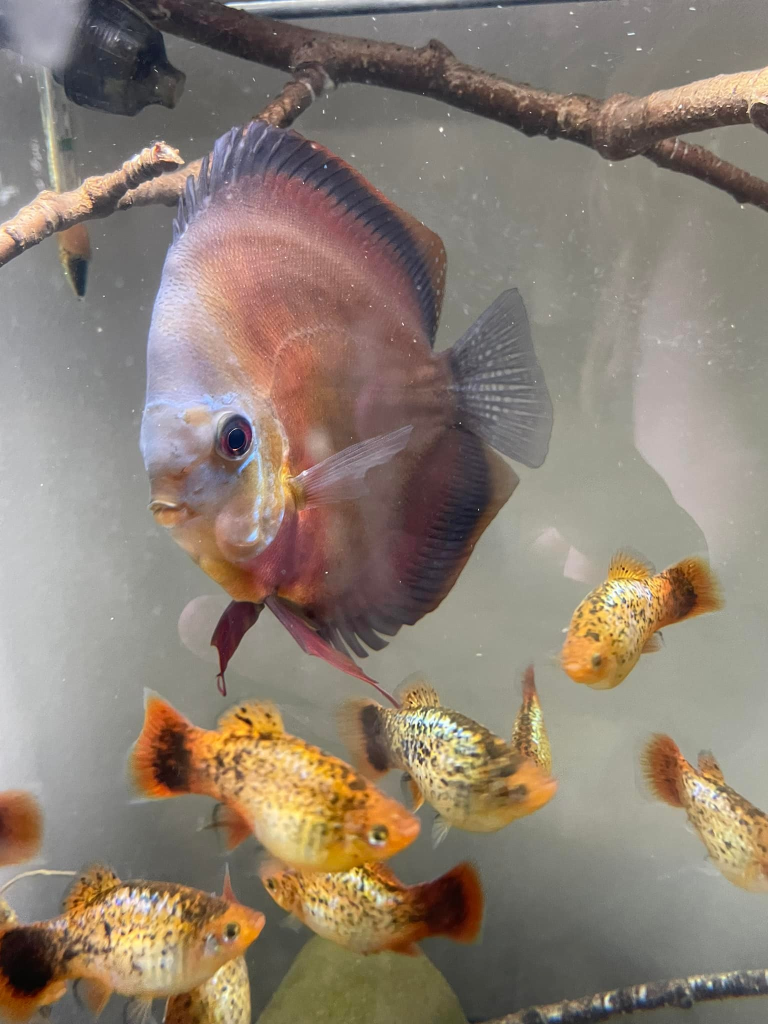
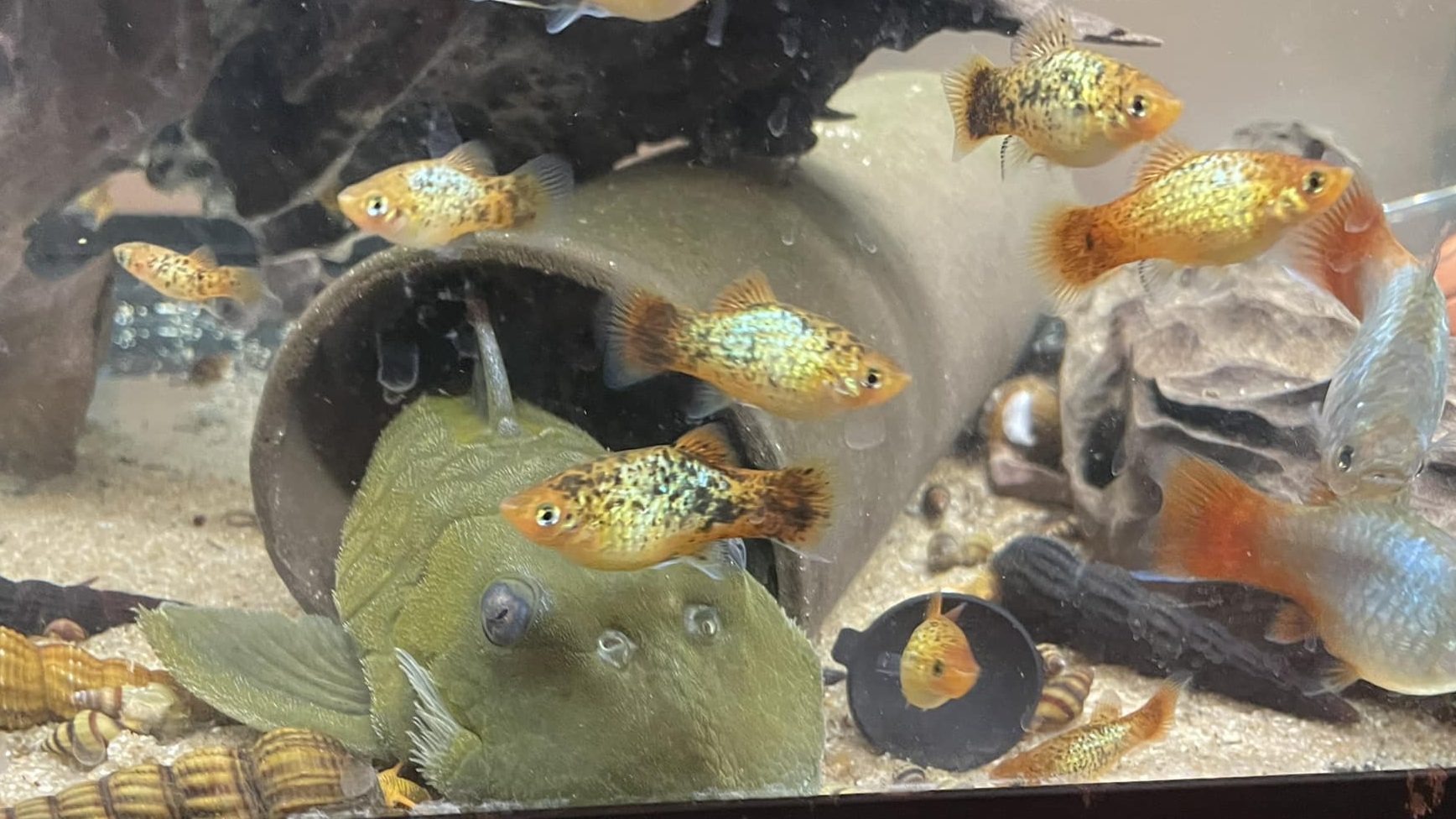
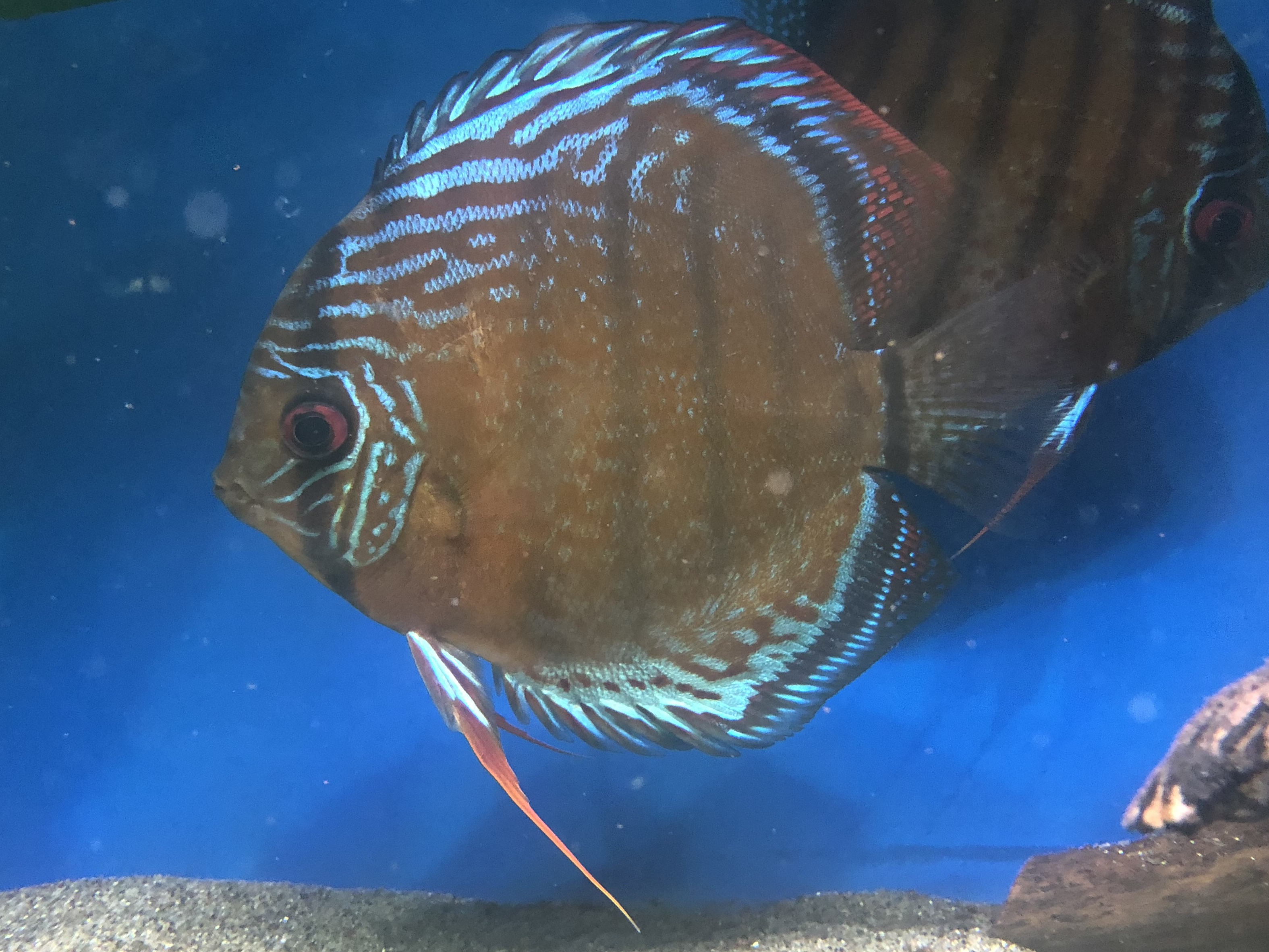
Male red cover discus, Symphysodon sp. x. with Xiphophorus maculatus x. X. variatus
Test kit reliability.
The crutch a reliance on nitrates being low levels before water changes relies on reliable test kits. Dip stick, paper test kits have always been argued as unreliable, giving both false negatives and false positives although when first opened many will note they do show some reliability. Liquid test kits are a little bit more complicated, obviously we can’t calibrate them personally as we have nothing to calibrate them against as a hobby and similarly if using a digital system.
We think our liquid test kits are 100% reliable but they do expire and once opened it’s tricky to say when this happens. I generally say liquid test kits should be replaced annually as there can be false results after that depending on brand and product. But I have seen some test kits newly opened, long before their expiry date give both false negatives and positives for nitrates. So, why rely on these for water changes?
Conclusions
I think this argument is similar to UVB to produce vitamin D in reptiles, there has always been the idea that UVB is not needed for certain reptiles, they are nocturnal or consume whole mammals who provide vitamin D. Yet over time there has been evidence that even in these animals there is a benefit to providing Vitamin D. As this is not a reptile website and to save all the citations I will forward the Reptile Lighting Facebook group: https://www.facebook.com/groups/384134861721116 This group provides many citations.
Water changes are vital but also better to be cautious when it comes to test kits and go on the precaution of maybe more nitrates then you actually have. It’s also worth testing your tap water.
While we don’t know the long term damage of low level nitrates it’s worth acting on the precaution.
References:
Cano-Rocabayera, O., De Sostoa, A., Padrós, F., Cardenas, L., & Maceda-Veiga, A. (2019). Ecologically relevant biomarkers reveal that chronic effects of nitrate depend on sex and life stage in the invasive fish Gambusia holbrooki. Plos one, 14(1), e0211389.
Gomez Isaza, D. F., Cramp, R. L., & Franklin, C. E. (2020). Simultaneous exposure to nitrate and low pH reduces the blood oxygen-carrying capacity and functional performance of a freshwater fish. Conservation physiology, 8(1), coz092.
Gomez Isaza, D. F., Cramp, R. L., & Franklin, C. E. (2021). Exposure to nitrate increases susceptibility to hypoxia in fish. Physiological and Biochemical Zoology, 94(2), 124-142.
Isaza, D. F. G., Cramp, R. L., & Franklin, C. E. (2020). Living in polluted waters: A meta-analysis of the effects of nitrate and interactions with other environmental stressors on freshwater taxa. Environmental Pollution, 261, 114091.
Kellock, K. A., Moore, A. P., & Bringolf, R. B. (2018). Chronic nitrate exposure alters reproductive physiology in fathead minnows. Environmental Pollution, 232, 322-328.
Monsees, H., Klatt, L., Kloas, W., & Wuertz, S. (2017). Chronic exposure to nitrate significantly reduces growth and affects the health status of juvenile Nile tilapia (Oreochromis niloticus L.) in recirculating aquaculture systems. Aquaculture Research, 48(7), 3482-3492.
Presa, L. S., Neves, G. C., Maltez, L. C., Sampaio, L. A., Monserrat, J. M., Copatti, C. E., & Garcia, L. (2022). Acute and sub‐lethal effects of nitrate on haematological and oxidative stress parameters of juvenile mullet (Mugil liza) in freshwater. Aquaculture Research, 53(9), 3346-3357.
Villa-Villaseñor, I. M., Yáñez-Rivera, B., Rueda-Jasso, R. A., Herrera-Vargas, M. A., Hernández-Morales, R., Meléndez-Herrera, E., & Domínguez-Domínguez, O. (2022). Differential sensitivity of offspring from four species of goodeine freshwater fish to acute exposure to nitrates. Frontiers in Ecology and Evolution, 10, 1014814.
Yu, J., Xiao, Y., Wang, Y., Xu, S., Zhou, L., Li, J., & Li, X. (2021). Chronic nitrate exposure cause alteration of blood physiological parameters, redox status and apoptosis of juvenile turbot (Scophthalmus maximus). Environmental Pollution, 283, 117103.
When you picture a freshwater ecosystem it really goes one of two ways, largely there is the group that look for a heavily planted water body with a diverse number of species or something that has a lot of leaf litter almost entirely complete for several layers.
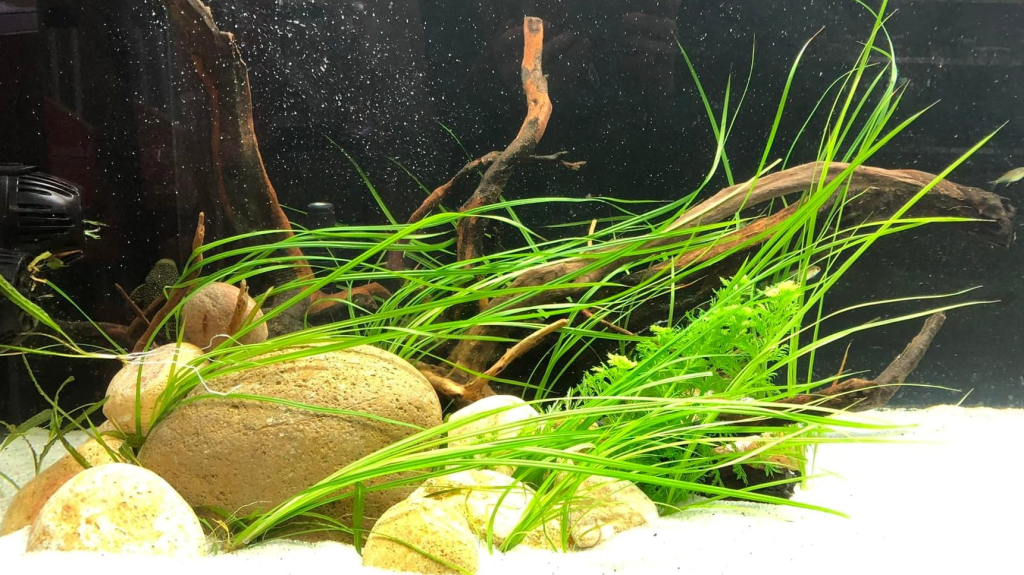
Oase highline at Maidenhead Aquatics Ascot for Pseudancistrus asurini (Gold seam pleco), Baryancistrus xanthellus (Gold nugget pleco), Baryancistrus chrysolomus (Mango/magnum pleco) and rummynose tetra, Hemigrammus.
What if I told you this isn’t entirely true, a half truth or some what out of date?
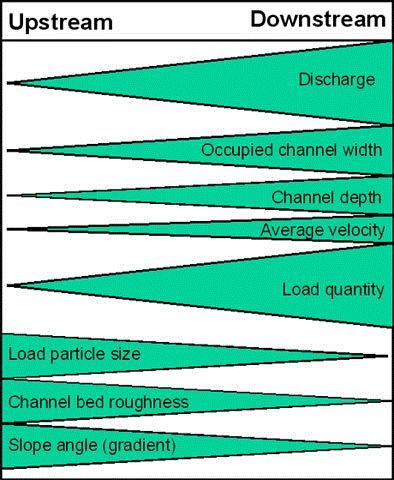
The Bradshaw model (Fig 1) explains this well but being largely based on temperate, North American and European ecosystems it doesn’t reflect tropical systems particularly as well.
The struggle for plant life.
When thinking about plants load particle size is important, plants in freshwater ecosystems largely need something to root onto and this isn’t found upstream where sediment is quickly pushed downstream. Downstream though this sediment load, load particle size is the opposite but because it’s remaining in the water column it becomes what is known as having a high turbidity (low visibility), this means less light can pass through the water and reduces photosynthesis. This is why so many aquarium plants are grown ‘terrestrially’ or aquaponically because they aren’t naturally aquatic. Aquatic plants have a struggle and there are solutions such as developing very strong roots and a reduced amount of structural support as if there is less sediment and a higher flow those stems are highly likely to break. In high turbidity waters that’s where we see the water lilies, Nymphaea spp., Nymphoides but also more floating plants who reach for the surface where they can receive light.
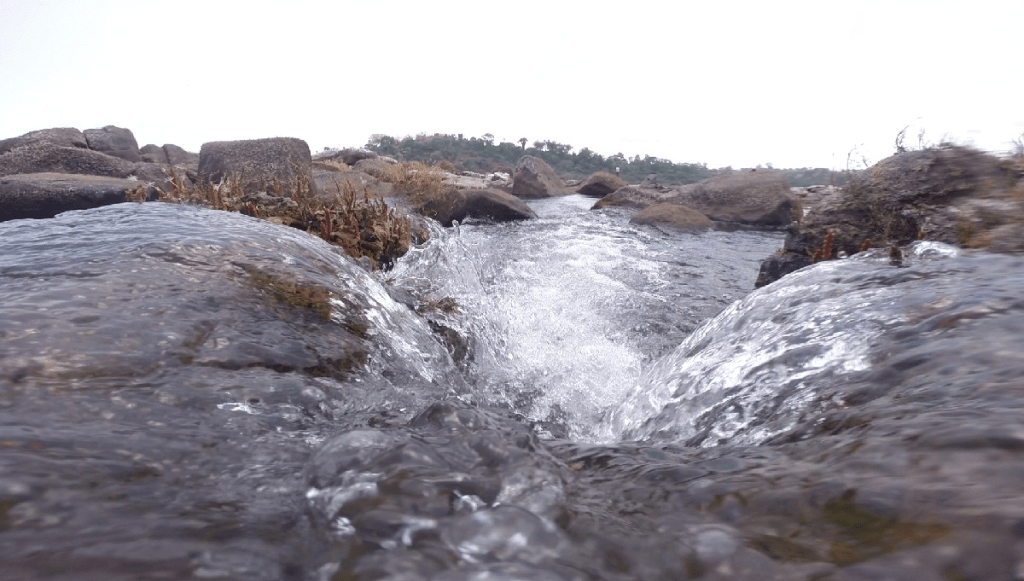
Some plants might have to deal with extreme drought in a dry season and then being drowned in the wet season. This is where we seem to see some really extremophile plants such as some Podostemaceae in the Rio Xingu likely of the genus Morera as reported by Peter Peterson in Amazonas (Fig 2).
Where is the leaf litter?
This is such a similar story for leaf litter as deposition, and particle size largely depends on flow rate but position in the river. Firstly you require that river to be surrounded by trees but also that the current is weak enough that the leaves can just fall to the bottom. When you look at rivers like the Rio Xingu, Rio Orinoco or towards the Rift Valley this is not shown in the major areas of the rivers or lakes where many of our fishes are caught. Hillstreams where other fishes are caught if leaves and fruits fall then the current might be so strong it’ll push it downstream to be deposited in certain areas of a meander known as deposition zones.
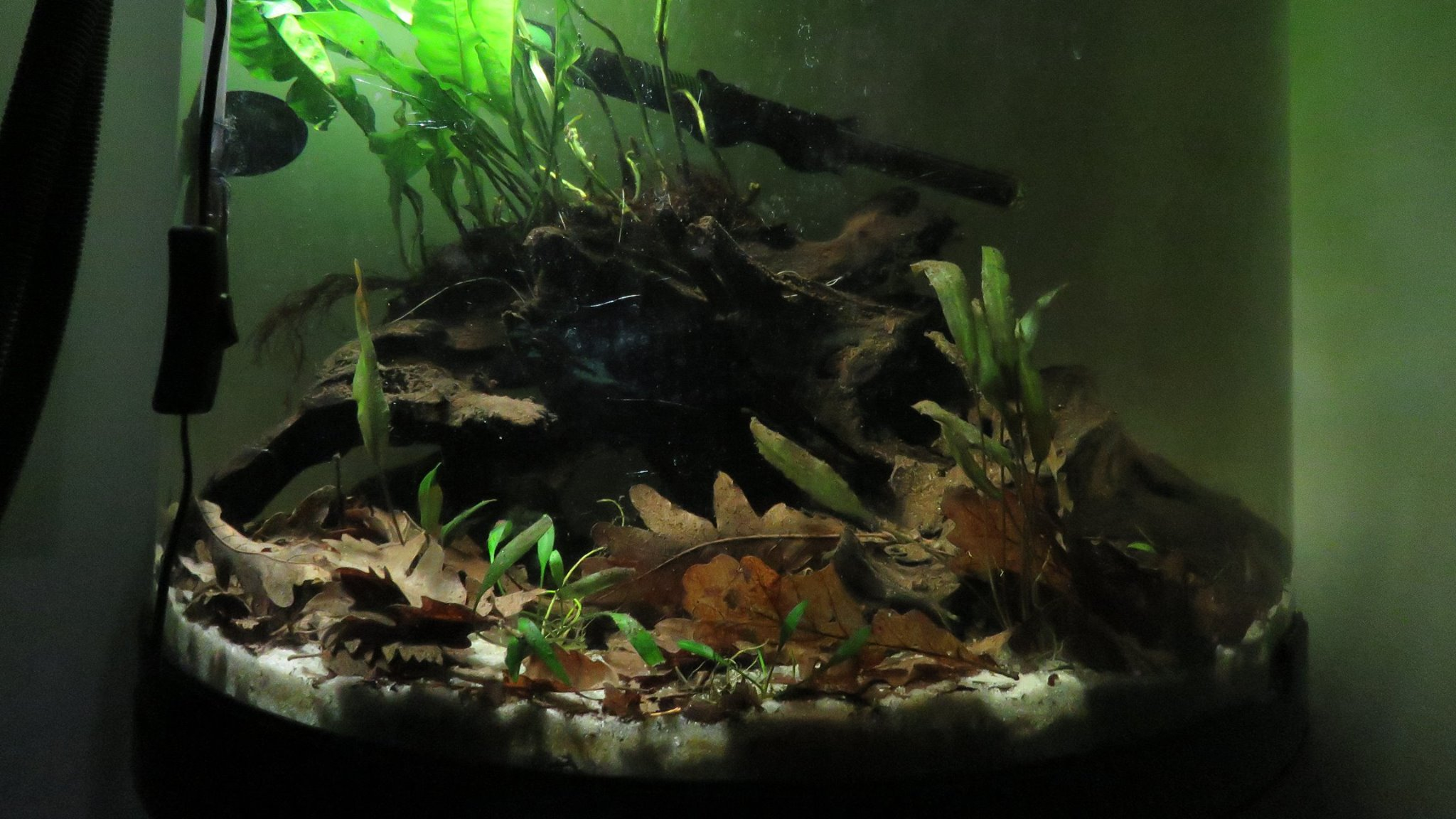
Aqua One 360, 60L for Pangio spp. and Apistogramma
This makes it just really complex to generalize but this is also why some areas have high tannin composition, Rio Negro and others have none such as the main channel of the Amazon and where they meet is known as the meeting of waters. The Rio Negro’s distinct black waters are likely due to it’s geology (Sioli, 1968), but likely those contributing tributaries cause a lot of the difference. Are these tributaries hillstream’s and likely to be less surrounded by plants at those higher elevations? Or maybe that geology largely contributes to the types of trees surrounding smaller source streams? There is a lot to unpack about why, but as hobbyists I’m not sure this why really matters? What matters is what these water bodies are and why what they are effects our fishes.
The reality of freshwater habitat diversity
It is a little bit of a pain but the image we have of freshwater habitats is curated by the idea perpetuated by brands and hobbyists. There is the idea that black water, therefore leaf litter is so common and when we look at the rivers and lakes around us, surely we must notice the difference?
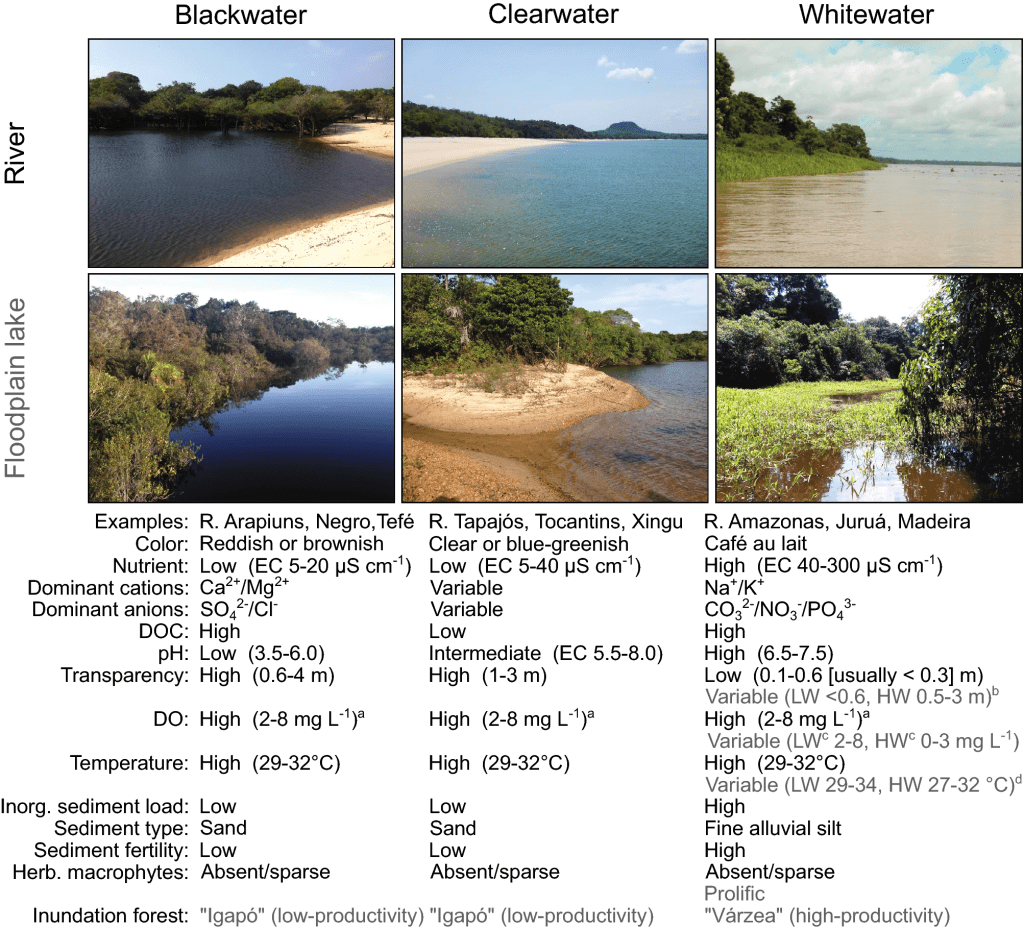
Rivers are generally classified into white water or black water and then subdivided further as explained so clearly by Bogotá-Gregory et al. (2020; fig. 3).
Figure 3: Classification of freshwater river types, can some what apply to lakes source: Bogotá-Gregory, J. D., Lima, F. C., Correa, S. B., Silva-Oliveira, C., Jenkins, D. G., Ribeiro, F. R., … & Crampton, W. G. (2020). Biogeochemical water type influences community composition, species richness, and biomass in megadiverse Amazonian fish assemblages. Scientific Reports, 10(1), 15349.
Do I need to say more? I wonder if the influence of these ideas of freshwater ecosystems comes from the passionate fishkeepers focused on those smaller niche fish such as wild Betta (not domestic Betta splendens), other anabantoids and what I some what try to affectionately say swimmy fishes. Previously these black water, leaf litter tanks would have been seen as dirty but they have effectively justified this ecosystem for the hobby. The problem has come where it’s shoved almost all freshwater species into being black water, particularly if from South America.
Lakes also show a wide amount of diversity between lakes and within that same lake there can be many different habitats.
The deception of anthropomorphic effects
As humans encroach on land and change it, the function changes too. This has been happening for thousands of years but regardless this effects the species that inhabit these waters. Rivers have been straightened and moved, stopped and redirected or even slowed and sped up. New lakes are created and others destroyed. Our waste thrown into rivers and lakes whether it be effluent or invasive species, warm water from coolant systems or mining waste. Freshwater is changing and fishes cannot always adapt fast enough. Your local river might not always be representative of nature, the plants are likely invasive and the sediment is likely due effluent or waste. The presence of a dam or weir means that the entire flow of the river has changed.
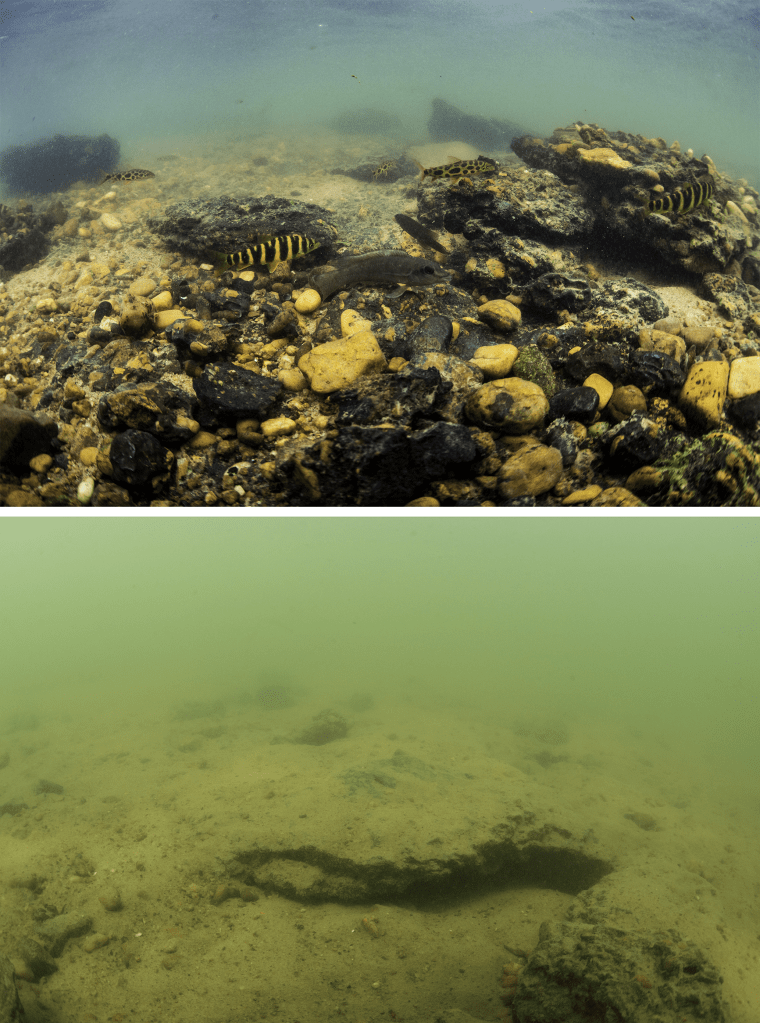
Figure 4: Habitat of Scobinancistrus raonii in the RIo Xingu as featured in: Chaves, M. S., Oliveira, R. R., Gonçalves, A. P., Sousa, L. M., & Py-Daniel, L. H. R. (2023). A new species of armored catfish of the genus Scobinancistrus (Loricariidae: Hypostominae) from the Xingu River basin, Brazil. Neotropical Ichthyology, 21(3), e230038.
This can be similar as to when we look at wild habitats, but much of the footage and images we see today seem to have been taken a while ago. Still the footage and photos of the Rio Xingu is showing that amount of sediment that might be connected to the building of the Belo Monte dam in 2011.
Source of nutrients
This is not where the debate is in the hobby but in the science it certainly is (Neres‐Lima et al., 2017; Hamilton et al., 1992). The long held belief in the hobby is that nutrients originates from leaf litter, fruit, branches etc. Therefore it’s important in the aquarium as some how all fishes even if there is no leaf litter in their habitat benefit from it.
This idea that allochthonous (leaf litter, fruit, branches, other botanicals etc.) nutrients is the major source of nutrients over autochthonous (algaes) can be true in some ecosystems but it doesn’t mean that nutrients is accessible (Thorp & Delong, 2002) and therefore few organisms obtain nutrients from it. This theory of nutrients deriving from allochthonous relies on the presence of leaf litter, botanicals being present in the water or further upstream and in shaded rivers it might contribute where no algae’s are found (Neres-lime et al., 2017). One answer answer is black water, often characterized by high botanicals/allochthonous influences is much lower in productivity and if a source of nutrients this should be another story (Bogotá-Gregory et al., 2020; Lewis et al., 1988). We also know as hobbyists algae’s can grow in very dimly lit aquariums though, nutrients is a whole other discussion.
It doesn’t seem an easy question to answer as while isotopes seem to be an answer and algae’s contribute most to nutrients in one study (Hamilton et al., 1992). As the cited papers suggest rivers flowing through slower flowing areas might contribute to nutrients opposed to it being directly in the rivers, but this means that the nutrients is in the source water not where the fishes are.
Why does algae do so well but plants don’t?
Algae’s are found in all of these habitats but to varying amounts, many do require light as photosynthetic organisms but some are known as heterotrophs so can gain energy by other means. It’s not just algae’s but other microbes that grow in these ecosystems, all of these unlike plants cling to surfaces and in a very small size meaning that there is much less drag. If they do grow too big then parts get broken off to throw downstream. What might be forgotten is bryophytes also do this but still photosynthetic. This leaves sponges as filter feeders.
What is algae?
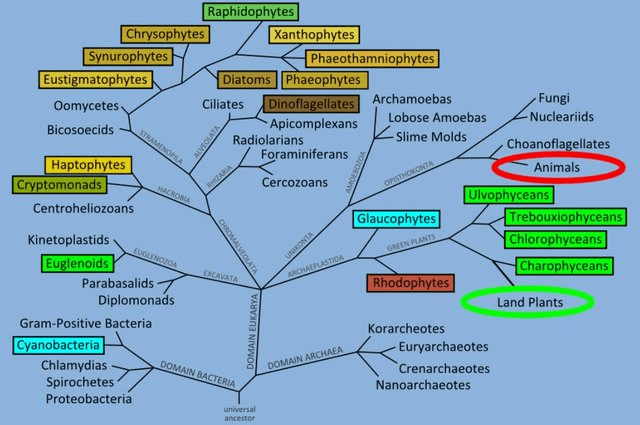
Figure 5: Phylogeny of algae source: SCHLARB-RIDLEY, B. 2011. Algal Research in the UK. A Report for Bbsrc. BBSRC. and Milledge, J. J. (2013). Energy balance and techno-economic assessment of algal biofuel production systems (Doctoral dissertation, University of Southampton).
Algae (Alga, singular) is basically a common name for a whole mixture of different organisms (Milledge, 2013). Some hobbyists will exclude Cyanobacteria as it is a bacteria yet it makes little sense given this clade is already polyphyletic (Fig 5), a real pick and mix. Another opinion is as these organisms are photosynthetic they must be similar to plants, plants particularly vegetables make good nutritional replacements. As you can see from the above it’s unlikely plants make up for algae’s nutritionally (Čengić-Džomba et al., 2022; Nagappan et al., 2021; Vucko et al., 2017).
This makes algae such a diverse grouping to describe as earlier stated some being heterotrophs do not just obtain their ‘energy’ from the sun and others might obtain it from feeding or even parasitism e.g. dinoflagellates (Levy et al., 2007; Sudhagar et al., 2022).
Algae is so important to an ecosystem and I will include other microbial life on that. This wide diversity of organisms feature in many fishes diets even making the majority of many Loricariid diets (Lujan et al., 2015). There is a link between algae’s and the fishes that feed on them influences the habitat’s and those fishes (Power, 1984).
Algae’s have to compete with different microbes and this is fascinating in terms of succession. Succession is the process of a habitat maturing over time with the change in species present. This happens in an aquarium over time but also how we maintain our aquariums seems to effect this. Generally you can expect as a grazing fish moves over an area it removes all the organisms it feeds best on, leaving an opening for other species of microbes to grow. These original fishes might not feed on that new microbes but other fishes will have and could this be where niche partitioning further occurs.
Long live algae! Leaf litter is overrated.
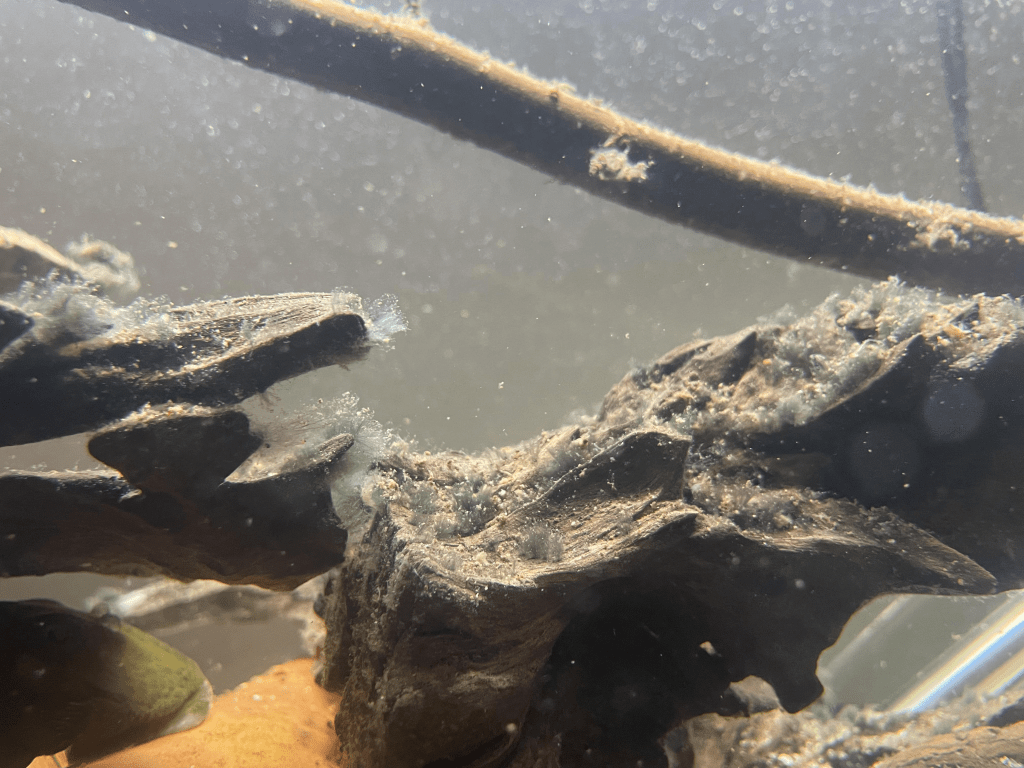
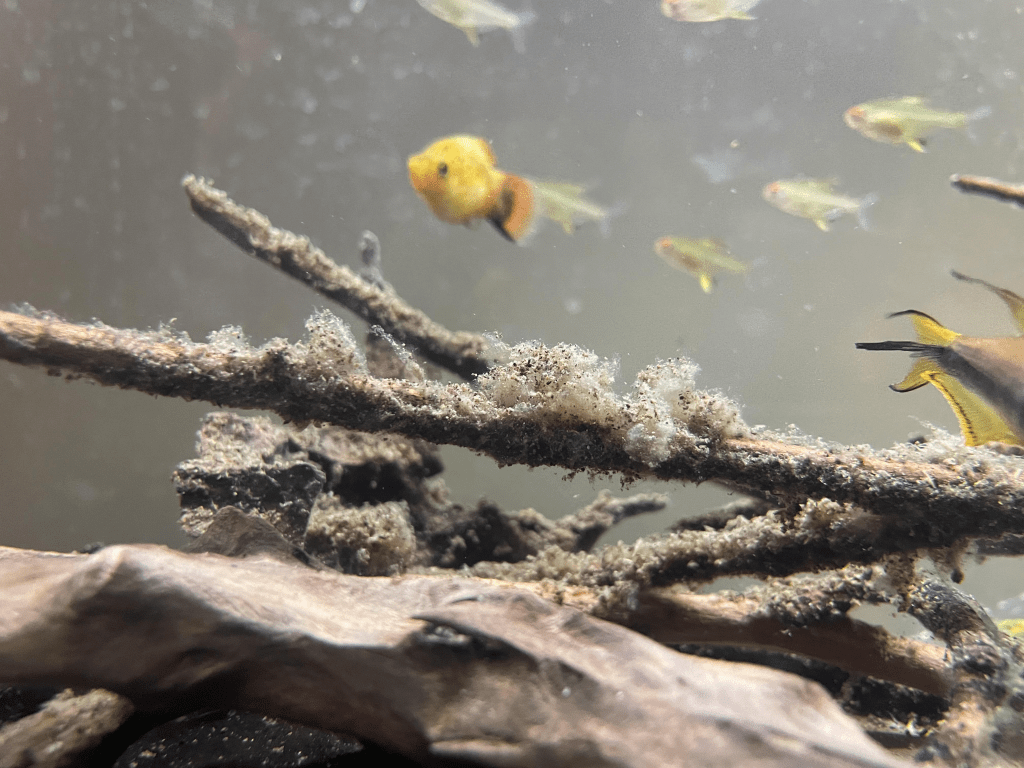
You don’t need a green aquarium to embrace them, realistically if you’re getting high amounts of algae it could infer high levels of a compound or element that encourages their growth as I keep stating. Above where I mention hypothetical niche partitioning regarding algae’s and other surface growing microbes. This will inevitably occur with bacterial films or any growths on leaf litter, if you’re seeing the films on botanicals in general for a while they probably aren’t being eaten by anything and when they eventually go it could be due to exhausting the source of nutrients. I particularly noted this when experimenting with different woods and palms, if these biofilms were being eaten there wouldn’t be so much biofilm’s growing. So far in Loricariids at least we know this niche partitioning is largely in where food items are located (Lujan et al., 2011) and while their diets aren’t the best studied we do have a realistic idea that they are not all feeding on the same algae’s or microbes (Lujan et al., 2012; Valencia & Zamudio, 2007; Delariva & Agostinho, 2001).
It is frequently stated that leaf litter has beneficial properties due to tannins but it is rarely mentioned that tannins are antinutrients and can cause physiological damage (Omnes et al., 2017; Li et al., 2020; Maulidiyah et al., 2019). Given some fishes inhabit these naturally they likely do have physiological mechanisms to manage tannins within the water, although given many fishes do have negative physiological responses as cited above not all do.
The frequent dislike of tea tree oils in the hobby is contrasted with the support for tannins having antimicrobial properties and they possibly do but in prevention and handling of disease in fishes, these effects are minimal (Imperatore et al., 2022). Perhaps the bias against tea tree oils is due to a dislike of brands as a review by Valladão et al. (2015) infers that use of known concentrations of compounds of plant origins (herbal treatments) can show very effective use. Leaf litter and tannins from the leaf litter have a flaw here, species identification and in using the plant as a whole it is difficult to say what compounds and concentrations are being added. We are living in an anti-pharmaceutical age and who can tell us more about how compounds interact with physiology then pharmacologists as the story is quite complex.
Leaf litter is not all bad
Leaf litter and botanicals can add great hiding spaces for smaller fishes, there is still a number of fishes who find it as a part of their natural habitat and this is worth replicating. The main downfall with leaf litter is siphoning to remove waste and therefore excess nutrients, other heavier botanicals would be more ideal if this is a big concern. But without evidence we shouldn’t jump to conclusions.
Pangio myersi with leaf litter, from Springs Aquatic Ltd, Botley, Hampshire.
Is there hope for algal growth?
No doubt algae does actually struggle to grow to much of an extent in a mature aquarium that isn’t constantly being scrubbed. For an aquarium which might benefit from ‘naturally’ growing algae’s such as for feeding fishes there is hope. We can’t use sunlight like outside but perhaps using UVB lighting could encourage growth. Most of our aquarium algae growth relies on nutrients but outside sunlight would perhaps contribute, something I’d certainly like to explore more.
Aquariums are anthropogenic
At the end of the day aquariums are anthropogenic and the argument about the importance of leaf litter vs algae really stall’s there. Algae’s are generally great indicators of nutrients, generally different algae’s hint to the age of an aquarium.
At the end maybe the promotion of leaf litter is easy to justify as natural then algae. There are few true biotopes and few ever show algae’s but the scale you’d need to grow them would be insane.
References:
Delariva, R. L., & Agostinho, A. A. (2001). Relationship between morphology and diets of six neotropical loricariids. Journal of Fish biology, 58(3), 832-847.
Bogotá-Gregory, J. D., Lima, F. C., Correa, S. B., Silva-Oliveira, C., Jenkins, D. G., Ribeiro, F. R., … & Crampton, W. G. (2020). Biogeochemical water type influences community composition, species richness, and biomass in megadiverse Amazonian fish assemblages. Scientific Reports, 10(1), 15349.
Čengić-Džomba, S., Džomba, E., & Hadžić, D. (2022). An Overview of Using Algae Meal in Feeding Freshwater Fish Species. In Scientific-Expert Conference of Agriculture and Food Industry (pp. 171-182). Cham: Springer Nature Switzerland.
Chaves, M. S., Oliveira, R. R., Gonçalves, A. P., Sousa, L. M., & Py-Daniel, L. H. R. (2023). A new species of armored catfish of the genus Scobinancistrus (Loricariidae: Hypostominae) from the Xingu River basin, Brazil. Neotropical Ichthyology, 21(3), e230038.
Farha, A. K., Yang, Q. Q., Kim, G., Li, H. B., Zhu, F., Liu, H. Y., … & Corke, H. (2020). Tannins as an alternative to antibiotics. Food Bioscience, 38, 100751.
Hamilton, S. K., Lewis, W. M., & Sippel, S. J. (1992). Energy sources for aquatic animals in the Orinoco River floodplain: evidence from stable isotopes. Oecologia, 89, 324-330.
Imperatore, R., Fronte, B., Scicchitano, D., Orso, G., Marchese, M., Mero, S., … & Paolucci, M. (2022). Dietary supplementation with a blend of hydrolyzable and condensed Tannins ameliorates diet-induced intestinal Inflammation in Zebrafish (Danio rerio). Animals, 13(1), 167.
Küchler, I. L., Miekeley, N., & Forsberg, B. R. (2000). A contribution to the chemical characterization of rivers in the Rio Negro Basin, Brazil. Journal of the Brazilian Chemical Society, 11, 286-292.
Levy, M. G., Litaker, R. W., Goldstein, R. J., Dykstra, M. J., Vandersea, M. W., & Noga, E. J. (2007). Piscinoodinium, a fish-ectoparasitic dinoflagellate, is a member of the class Dinophyceae, subclass Gymnodiniphycidae: convergent evolution with Amyloodinium. Journal of Parasitology, 93(5), 1006-1015.
Lewis Jr, W. M. (1988). Primary production in the Orinoco River. Ecology, 69(3), 679-692.
Li, M., Feng, L., Jiang, W. D., Wu, P., Liu, Y., Jiang, J., … & Zhou, X. Q. (2020). Condensed tannins decreased the growth performance and impaired intestinal immune function in on-growing grass carp (Ctenopharyngodon idella). British Journal of Nutrition, 123(7), 737-755.
Lujan, N. K., German, D. P., & Winemiller, K. O. (2011). Do wood‐grazing fishes partition their niche?: morphological and isotopic evidence for trophic segregation in Neotropical Loricariidae. Functional Ecology, 25(6), 1327-1338.
Lujan, N. K., Winemiller, K. O., & Armbruster, J. W. (2012). Trophic diversity in the evolution and community assembly of loricariid catfishes. BMC Evolutionary Biology, 12, 1-13.
Maulidiyah, V., Sulmartiwi, L., & Masithah, E. D. (2019). The effect of immersion time in tannin solution towards the adhesiveness and hatching degree of the eggs of common carp (Cyprinus carpio). AACL Bioflux.
Milledge, J. J. (2013). Energy balance and techno-economic assessment of algal biofuel production systems (Doctoral dissertation, University of Southampton).
Nagappan, S., Das, P., AbdulQuadir, M., Thaher, M., Khan, S., Mahata, C., … & Kumar, G. (2021). Potential of microalgae as a sustainable feed ingredient for aquaculture. Journal of Biotechnology, 341, 1-20.
Neres‐Lima, V., Machado‐Silva, F., Baptista, D. F., Oliveira, R. B., Andrade, P. M., Oliveira, A. F., … & Moulton, T. P. (2017). Allochthonous and autochthonous carbon flows in food webs of tropical forest streams. Freshwater Biology, 62(6), 1012-1023.
Omnes, M. H., Le Goasduff, J., Le Delliou, H., Le Bayon, N., Quazuguel, P., & Robin, J. H. (2017). Effects of dietary tannin on growth, feed utilization and digestibility, and carcass composition in juvenile European seabass (Dicentrarchus labrax L.). Aquaculture Reports, 6, 21-27.
Power, M. E. (1984). Habitat quality and the distribution of algae-grazing catfish in a Panamanian stream. The Journal of Animal Ecology, 357-374.
Sioli, H. (1968). Hydrochemlstry and Geology in the Brazilian Amazon Region. Volume 1, fascículo 3, 1968.
Sudhagar, A., Sundar Raj, N., Mohandas, S. P., Serin, S., Sibi, K. K., Sanil, N. K., & Raja Swaminathan, T. (2022). Outbreak of Parasitic Dinoflagellate Piscinoodinium sp. Infection in an Endangered Fish from India: Arulius Barb (Dawkinsia arulius). Pathogens, 11(11), 1350.
Thorp, J. H., & Delong, M. D. (2002). Dominance of autochthonous autotrophic carbon in food webs of heterotrophic rivers. Oikos, 96(3), 543-550.
Valencia, C. R., & Zamudio, H. (2007). Dieta y reproducción de Lasiancistrus caucanus (Pisces: Loricariidae) en la cuenca del río La Vieja, Alto Cauca, Colombia. Revista del Museo Argentino de Ciencias Naturales nueva serie, 9(2), 95-101.
Valladão, G. M. R., Gallani, S. U., & Pilarski, F. (2015). Phytotherapy as an alternative for treating fish disease. Journal of veterinary pharmacology and therapeutics, 38(5), 417-428.
Vucko, M. J., Cole, A. J., Moorhead, J. A., Pit, J., & de Nys, R. (2017). The freshwater macroalga Oedogonium intermedium can meet the nutritional requirements of the herbivorous fish Ancistrus cirrhosus. Algal research, 27, 21-31.
This is one of the most controversial topics and why not? It involves some really detailed physiology and multiple processes. Generally this means getting your head around things you cannot usually see. I shall only discuss juvenile and adult fishes rather then their eggs here.
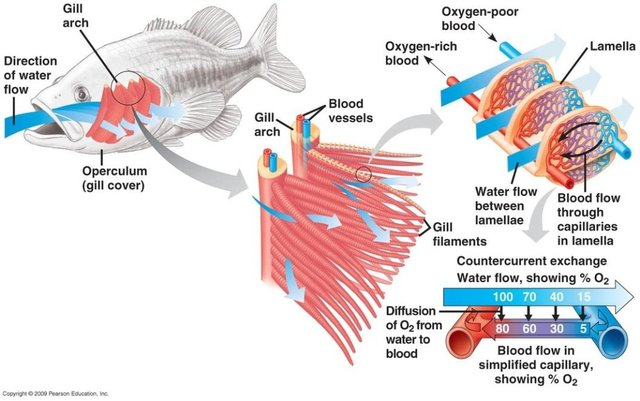
First is to understand the anatomy we are discussing in relation to the topic, this is largely the gills found in all fishes.
Figure 1: A diagram of the gills by Campbell, N. A., Reece, J. B., Taylor, M. R., Simon, E. J., & Dickey, J. (2006). Biology: concepts & connections (pp. 70-78). San Francisco, CA: Benjamin Cummings.
The gills while largely known for taking up O2 and release CO2 so have a role in respiration this organ has other purposes. Two major functions are maintenance in osmoregulation and processing of nitrogenous waste, ammonium (NH4+). You can see that the gills are split into gill arches which support two gill filaments, these filaments are then made of many small structures called lamellae (Fig 1). The aim of these structures is to increase surface area so exposure to the water for these purposes.
Another organ that might be discussed is the kidneys, but forget whatever you previously thought about kidneys, fishes kidneys look very different. The structure isn’t really of much use to us but it is generally a thin stretched structure at the top of the fish if curious this website is great for necropsy images: https://www.necropsymanual.net/en/teleosts-anatomy/excretory-and-osmo-regulatory-system/
So lets get into the real physiology.
pH
pH to put simply is a measure of hydrogen ions (H+, reduces the pH) and hydroxide (OH–, increases the pH), it measured in a logarithmic scale so a pH of 6 is 10x more acidic then a pH of 7.
This measure has two main interactions with fishes ammonia excretion and uptake/maintenance of minerals within fishes.
High pH
Ammonia generally exists in two states ammonia (NH3) and ammonium (NH4+). At higher pH levels ammonia is the dominant compound, at lower pH’s it is converted to the safer ammonium. At a higher pH environment the fish has a reduced ability to transport ammonia out of the body, leading to accumulation within the fishes body (Eddy & Handy, 2012; Wilkie & Wood, 1996).
Low pH
It is well known fishes take up calcium (Ca2+) and sodium (Na+) from their environment, it is important for many biological processes. H+, in higher volumes in low pH water competes with calcium and sodium to be taken up by the fishes. In a similar process to how a high pH results in high ammonia accumulation a low pH increases excretion of ammonium (Malabarba et al., 2020). Although a low pH is not particularly toxic (Eddy & Handy, 2012), it does limit access to these compounds. Many fishes who inhabit these environments have evolved different physiological responses to allow them to inhabit such an environment.
One interaction of a low pH would be that this erodes rocks even slowly that can allow for aluminum to accumulate in it’s more toxic form, Al3+(Eddy & Handy, 2012). This shouldn’t be an issue in a well water changed aquarium, but could be a contributor to “old tank syndrome”.
Regardless this is generally discussed at extremes and not usually the parameters we keep our fishes in.
Hardness, the various measures under that name
Hardness maybe is more complex, the aquarium trade associates it largely with KH or GH but realistically there are so many compounds involved that we are not testing for. These compounds are what is discussed in the scientific literature (Malabarba et al., 2020). I prefer TDS or conductivity, not just are these likely the only measures you’ll find for wild fishes.
Low hardness
At a low hardness ionic balance as discussed in the pH section would become difficult. This results in the increase in cells that maintain this balance known as ionocytes (Malabarba et al., 2020).
High hardness
High hardness can result in stress from calcium in the gills, liver and intestines at extreme levels but fishes do show the ability to adapt (Limbaugh et al., 2012).
Adaptability
Many fishes clearly display adaptations to deal with extremes, this depends on the species to it’s ideal range and what it can deal with (Eddy & Handy, 2012; Malabarba et al., 2020). So unless a species has been studied we really don’t know how much they can adapt to.
Summary
It is really difficult to say how compounds interact with fishes in the aquarium context, we are dealing with such a comparatively narrow range of parameters. Recently people have been even avoiding the extremes on the lower side so it’s become difficult to say to much. This topic unlike many is discussing such a wide diversity of taxa and many inhabit variable regions.
References:
Campbell, N. A., Reece, J. B., Taylor, M. R., Simon, E. J., & Dickey, J. (2006). Biology: concepts & connections (pp. 70-78). San Francisco, CA: Benjamin Cummings.
Eddy, B., & Handy, R. D. (2012). Ecological and environmental physiology of fishes (Vol. 4). Oxford University Press.
Limbaugh, N., Romano, N., Egnew, N., Shrivastava, J., Bishop, W. M., & Sinha, A. K. (2021). Coping strategies in response to different levels of elevated water hardness in channel catfish (Ictalurus punctatus): Insight into ion-regulatory and histopathological modulations. Comparative Biochemistry and Physiology Part A: Molecular & Integrative Physiology, 260, 111040.
Malabarba, L. R., Malabarba, M. C., Baldisserotto, B., Urbinati, E., & Cyrino, J. (2020). Biology and physiology of freshwater neotropical fish. Academic Press.
Wilkie, M. P., & Wood, C. M. (1996). The adaptations of fish to extremely alkaline environments. Comparative Biochemistry and Physiology Part B: Biochemistry and Molecular Biology, 113(4), 665-673.
This has to be one of the most hotly contested, almost every brand has their own product and if someone isn’t aligned with a brand they might have their own personal reputation weighing on their method. It’s worse when it comes to fish in or fishless cycling and that might be a whole other debate.
As a long term fishkeeper who’ve had fishes for a long time I’ve not needed to cycle a tank for a long time. I have plenty of media to cycle an aquarium and I go on a precaution of not enough for the fish I’m adding so I feed less and water change more to start with. For people reading this they are likely not new to fishkeeping so probably in the same field but maybe it means we are rusty on what to recommend? I actually ask is there a wrong and a right? I don’t think so.
When thinking about nitrification and realistically microbial colonies as it’s not just archaea and bacteria (Klotz et al., 2022). So commonly we might think of these as units and because we cannot see them we do not identify them for what they are, biological organisms and effected by the abiotic conditions and the other biological organisms around them. It is a whole ecosystem where they have to compete for particularly space and oxygen. Each nitrifying organism will have it’s own range of tolerance depending on strain and species but there will be much more generalist strains and species. When it comes to what bacterium and archaea are best for our aquariums might be known but so few products label what they contain.
The flaws of research
There is peer reviewed research into the topic (Scagnelli et al., 2023) and comparing brands but it is important to recognise particularly that the effects here are largely dependent on the actual methods. Are their study aquariums representative of what we keep as fishkeepers?
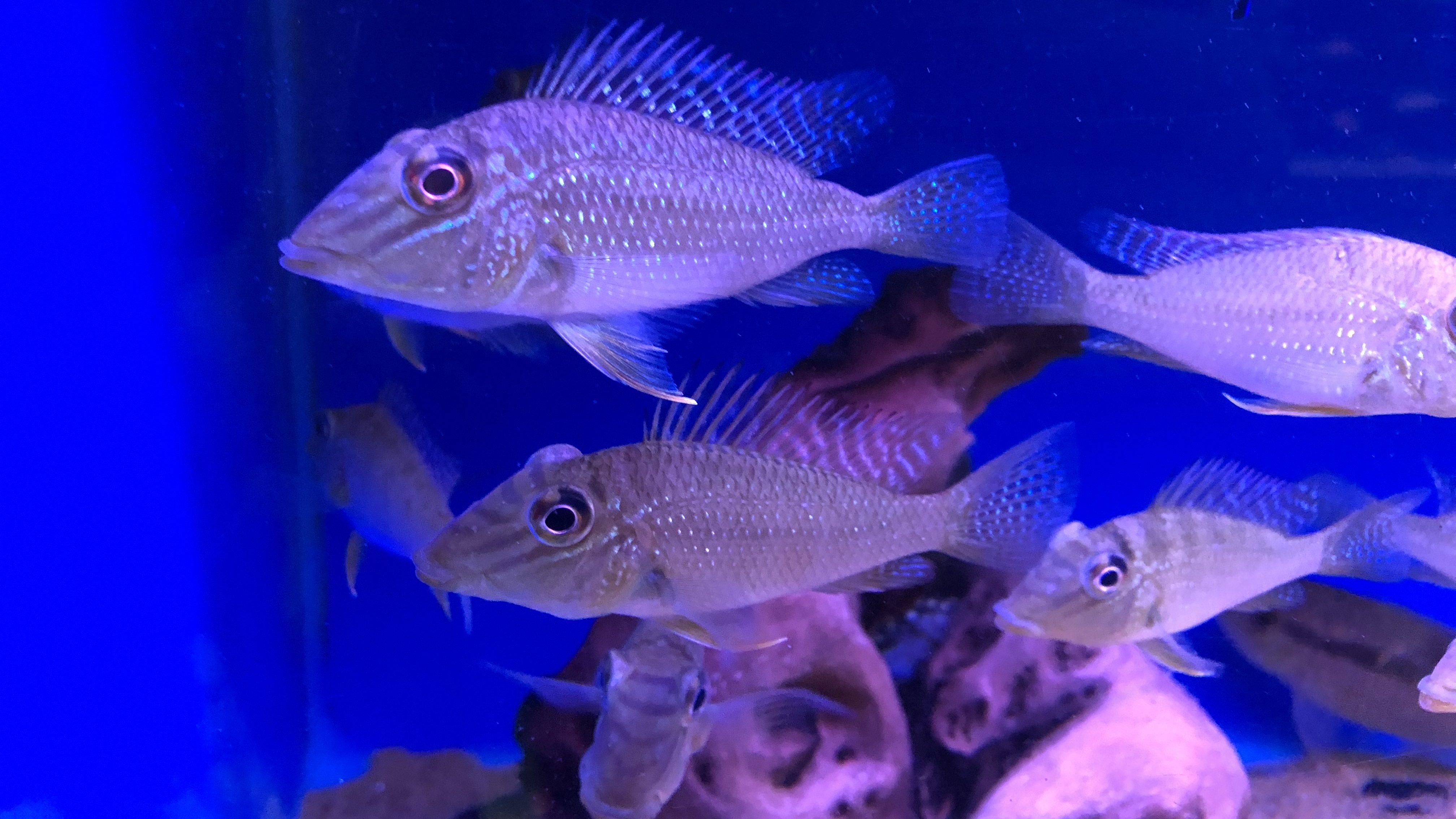
Satanoperca sp. possibly S. leucostictus
It is clear from the results that many of the bottled treatments did not differ from the control where they have no effect on ammonia concentration. Tetra’s bottled bacterial treatment has statistically significant results, decreasing the levels of ammonia over 14 days by 0.562 (+-0.08). This does mean that it still stands that these products vary (Scagnelli et al., 2023). Being scientific though and in the discussion of this topic it is worth critically analysing. The test kits were not mentioned and therefore the accuracy and reliability could be of question both regarding why the other products might not be displaying statistically significant results. It doesn’t seem to be mentioned the age of the products and how close to expiry they are.
It would not be fair to include unreliable experiments that lack peer reviewing.
Dr Tim’s One and Only
One of the most interesting brands, this is a scientist who has a good background in understanding nitrification as a microbiologist and a bibliography in the field. He is an aquarist as well which is of real value to the hobby, I feel in the UK his products have been a little forgotten.
There have been no reliable experiments or investigations into his products which makes them difficult to actually evaluate. While Dr. Hovanec has extensive experience in the field and his own products I guess the issue with him doing research that can get peer reviewed into his own products is conflict of interests. His research into the world of nitrification is particularly interesting.
Few brands as it is not required by law (as far as I know?) are likely to declare what strains and bacteria they contain to avoid competition. Burrell et al., (2001) suggested Nitrosomonas marina-like as a major contributor to nitrification while, Nitrosospira tenuis-like and Nitrosomonas europaea-like bacterium contribute to the mature aquarium. This paper was also contributed to by Dr Hovanec but Dr Tims as a brand was only started in 2007 and it’d make logical sense that the products would contain these strains. It’s not to say other brands do not contain these strains as the research is open access and it likely is that many do. In an earlier paper Nitrospira moscoviensis and Nitrospira marina were further confirmed to be contributors to nitrification but later studies on that mature aquarium were not conducted (Hovanec et al., 1998).
Of course this means brands are likely containing the right strains if did properly but concentrations would vary.
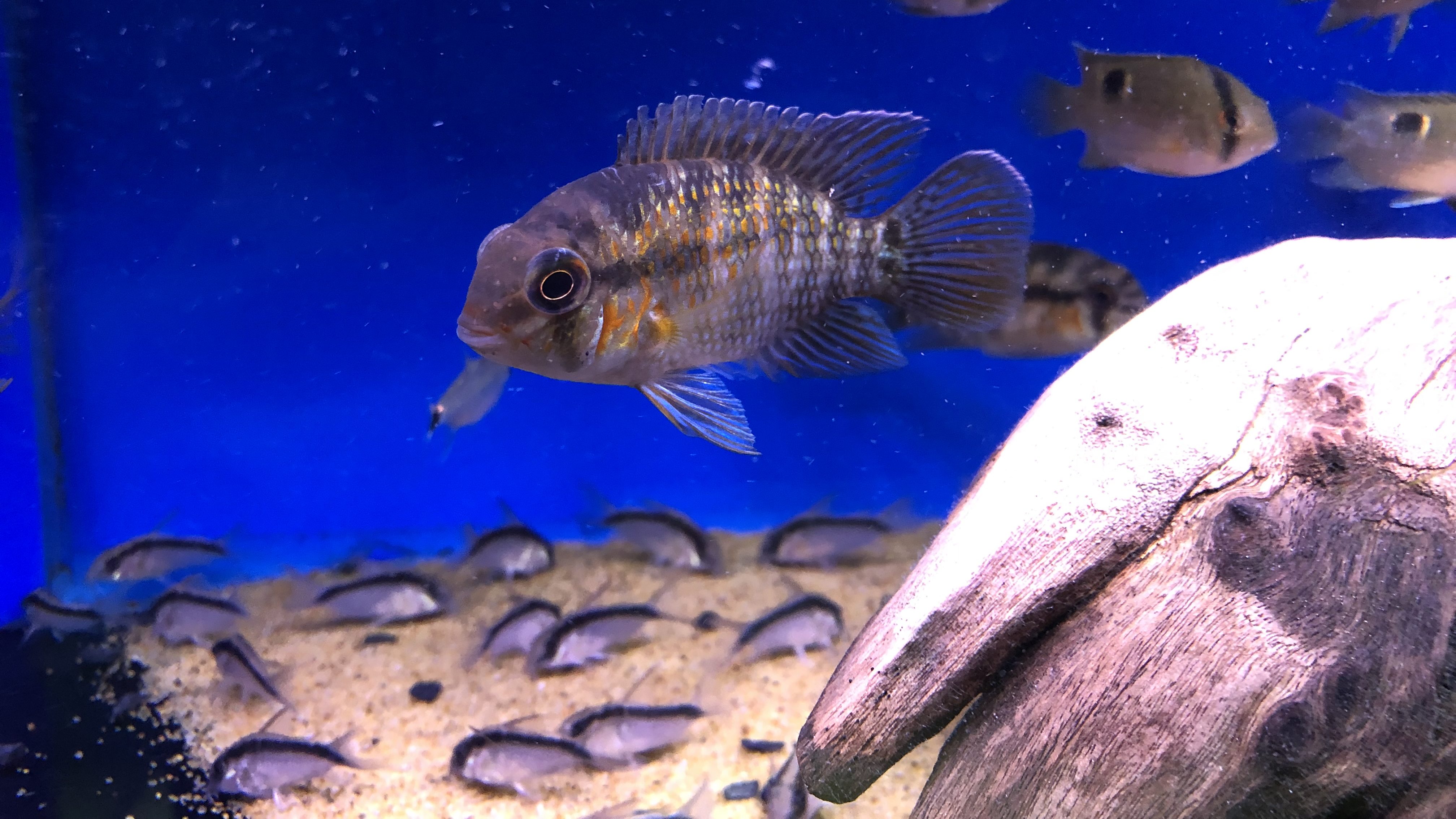
Krobia xinegunesis with Corydoras granti and Cleithracara maronii
So can they live that long?
One of the largest arguments is that the bacteria are all dead, this is quite weak as we know bacteria can go into hibernation for long periods of time when conditions are not ideal, not just when they are cold. Nitrifying bacterium are no exception and can survive long periods of time sealed (Alleman & Preston, 1991). Oxygen is a known cause for dormancy and therefore preventing death (Murphy et al., 2016), this assumes they are sealed without or very limited access to oxygen and many brands are able to provide this. Another aspect is when in the presence of other bacterium if they are not in this state it’s not difficult to see how they could be outcompeted or not survive.
Conclusion
Definitely not the longest discussion as it’s so personal. My personal criticism is there is no way someone can say x fish equals requiring x amount of product, it also depends what the fish is fed on.
I didn’t want to focus on any brands really as a criticism as it would be unfair given how little we know about them. While I do want to do personal experiments on the topic it would only be so reliable, the number of aquariums I’d need and to counter for so many variables.
It’s such a controversial topic and on top of that is social media. I personally think we should be open minded but critical about brands claiming to provide something while claiming other brands do not. That includes personal brands such as social media.
At the end of the day I feel cycle an aquarium how you want, there are too many knowns the discussion of fishless vs fish in entirely cannot be settled so that is another discussion. It’s very emotive as a topic. As a fish biologist I am not a microbiologist and therefore I think it’s worth making that clear.
References:
Alleman, J. E., & Preston, K. (1991). Behavior and physiology of nitrifying bacteria. In Proceedings of the second annual conference on commercial aquaculture, CES (Vol. 240, pp. 1-13).
Burrell, P. C., Phalen, C. M., & Hovanec, T. A. (2001). Identification of bacteria responsible for ammonia oxidation in freshwater aquaria. Applied and Environmental Microbiology, 67(12), 5791-5800.
Hovanec, T. A., Taylor, L. T., Blakis, A., & Delong, E. F. (1998). Nitrospira-like bacteria associated with nitrite oxidation in freshwater aquaria. Applied and environmental microbiology, 64(1), 258-264.
Klotz, F., Kitzinger, K., Ngugi, D. K., Büsing, P., Littmann, S., Kuypers, M. M., … & Pester, M. (2022). Quantification of archaea-driven freshwater nitrification from single cell to ecosystem levels. The ISME Journal, 16(6), 1647-1656.
Murphy, C., Rajabzadeh, A. R., Weber, K. P., Nivala, J., Wallace, S. D., & Cooper, D. J. (2016). Nitrification cessation and recovery in an aerated saturated vertical subsurface flow treatment wetland: Field studies and microscale biofilm modeling. Bioresource technology, 209, 125-132.
Scagnelli, A. M., Javier, S., Mitchell, M., & Acierno, M. (2023). Efficacy of quick-start nitrifying products in controlled fresh-water aquaria. Journal of Exotic Pet Medicine, 44, 22-26.
This statement and those disagreeing features constantly in aquarium groups, websites, videos or any format. It’s such a well known saying with truths and untruths. The truths maybe as are as harmful as the untruths. So can fish grow to the size of the aquarium?
Here we have to really discuss stunting, the process at which growth is stalled or slowed down to one or more organs, tissues or anatomical parts. Here we are looking for causes not caused by malnutrition as that will cause changes in growth of fishes.
It is important to emphasize that the causes of reduced growth are not so much the size of the aquarium but the water it holds so aquariums where water is constantly being refreshed at a level that doesn’t result in a build up of certain compounds are exempt.
There are almost too many studies looking at stocking density and the growth of fishes, definitely inferring that the higher the stocking of fishes where water is not replaced anymore then the lower densities, the lower the growth rate (Björnsson & Ólafsdóttir, 2006; Maucieri et al., 2019).
The causes of this reduced growth rate are diverse and no doubt species dependent. Water quality is no doubt a large contributing factor as with higher stocking the lower the water quality and the more maintenance is required. In Björnsson & Ólafsdóttir (2006) the conclusion was ammonia was the largest cause of that reduced growth rate. While in a 2022 study it was suggested that low oxygen, pH, high ammonia, nitrite and nitrates all contributed to decreasing growth rate in the nile tilapia, Oreochromis niloticus (Abd El-Hack et al., 2022). And nitrite and nitrates particularly were found to reduce growth rate in grass carp, Ctenopharyngodon Idella (Zhang et al., 2023)
Outside of the contributions of fish waste to growth rate is the interaction between different species, higher densities in general and the social interactions, aggression or even without that can decrease or decrease growth rate depending on the species (da Silva et al., 2021). Pheromones are frequently mentioned in the aquarium hobby although I cannot seem to find any scientific research into their influence on growth rate, so should we assume either way?
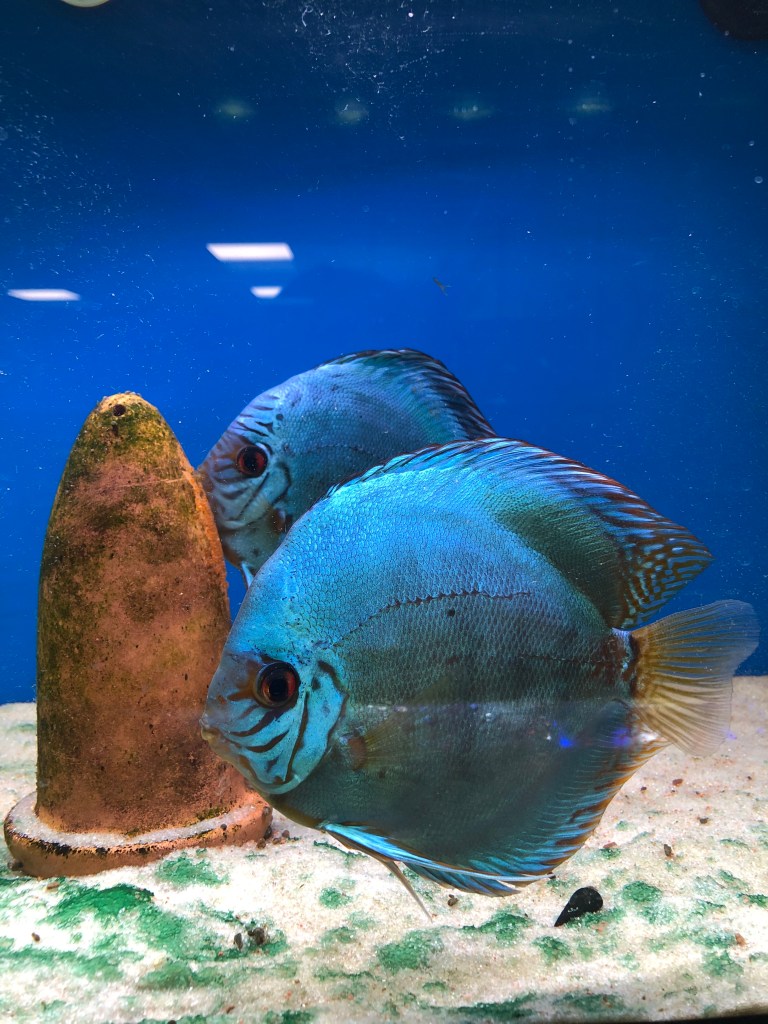
Blue turk Stendker Discus, Symphysodon sp. with cyanobacteria.
There is a lot more to this story though, while there is the argument fishes can be stunted in the hobby what are the effects? No doubt this is largely species specific and depends on the cause of the stunting as certain compounds such as ammonia, nitrites, nitrates and oxygen will have different physiological effects. Many people probably falsely report the organs keep growing but the body does not, I can’t see this being physiologically viable but individual organ enlargement does seem reasonably common.
While not entirely relevant I feel it is particularly interesting where predation and food limitation occurred results in stunting of the rest of the body while the head grows closer to a normal rate and shape (Chizinski et al., 2010). This is so similar to the eye size reported in discus that are stunted. A study with quite the number of variables where goldfish, Carassius auratus were kept in a pond with a limited space displayed abnormalities differing them from wild/feral individuals (Almeida et al., 2008).
So do we have a conclusion here? I’m not entirely sure. We know that growth is effected by what the size of an aquarium usually entails such as poor water quality and increased stocking but that is not quite the same as growing to the same size as the aquarium. What I did miss is the many studies into how water quality increases mortality and is that maybe a lot more important? So regardless if a fish is stunted but has a higher chance of death that should be the real focus of appropriate aquarium size.
References
Abd El-Hack, M. E., El-Saadony, M. T., Nader, M. M., Salem, H. M., El-Tahan, A. M., Soliman, S. M., & Khafaga, A. F. (2022). Effect of environmental factors on growth performance of Nile tilapia (Oreochromis niloticus). International Journal of Biometeorology, 66(11), 2183-2194.
Almeida, D., Almodóvar, A., Nicola, G. G., & Elvira, B. (2008). Fluctuating asymmetry, abnormalities and parasitism as indicators of environmental stress in cultured stocks of goldfish and carp. Aquaculture, 279(1-4), 120-125.
Björnsson, B., & Ólafsdóttir, S. R. (2006). Effects of water quality and stocking density on growth performance of juvenile cod (Gadus morhua L.). ICES Journal of Marine Science, 63(2), 326-334.
Chizinski, C. J., Pope, K. L., Wilde, G. R., & Strauss, R. E. (2010). Implications of stunting on morphology of freshwater fishes. Journal of Fish Biology, 76(3), 564-579.
Maucieri, C., Nicoletto, C., Zanin, G., Birolo, M., Trocino, A., Sambo, P., … & Xiccato, G. (2019). Effect of stocking density of fish on water quality and growth performance of European Carp and leafy vegetables in a low-tech aquaponic system. PloS one, 14(5), e0217561.
da Silva, M. C., Canário, A. V. M., Hubbard, P. C., & Gonçalves, D. M. F. (2021). Physiology, endocrinology and chemical communication in aggressive behaviour of fishes. Journal of Fish Biology, 98(5), 1217-1233.
Zhang, J. M., Fu, B., Li, Y. C., Sun, J. H., Xie, J., Wang, G. J., … & Yu, E. M. (2023). The effect of nitrite and nitrate treatment on growth performance, nutritional composition and flavor-associated metabolites of grass carp (Ctenopharyngodon idella). Aquaculture, 562, 738784.
Biological/Biochemical Oxygen Demand (BOD) is a topic we never discuss in the hobby, it refers to largely to the amount of oxygen that aerobic microorganisms use to remove or process waste (Brenniman, 1999) and are directly connected with oxygen saturation and nitrate concentration (Alam et al., 2020).
In a way the hobby talks so little about decomposition focusing on other aspects of nutrient cycling. For a fishkeeper that water changes, siphons and leaves little to no waste or items decaying in the aquarium it might not be of concern.
Botanicals and planted tanks are very popular as of recent with people reaching for some idea of nature they feel they have lost, natural or not. Both of these setups can allow for the trapping of waste where siphoning is not possible or limited. One solution is reduced stocking but definitely keeping fishes adapted for low oxygen saturations is a great solution such as airbreathers.
Decomposition of material such as decaying plants or botanicals involve bacteria, protozoa and other microorganism’s. It’s not just these as an introduction of nutrients but also anything that can be used as a nutrient source for bacteria, I find particularly sugars and carbohydrates. We can split them between aerobic (With oxygen) and anaerobic (without oxygen), anaerobic is another topic here but it does involve the production of other compounds. Just because there is a thick layer of substrate it doesn’t mean it is anaerobic particularly with the presence of plant roots that encourage oxygenation. We also don’t know the rate of either and this will depend on a variety of factors.
These microorganisms are more then capable of competing with fishes for oxygen and the rate will depend on multiple conditions (Nolan, 1996; El-Moghazy & El-Morsy, 2017). Microorganisms can proliferate much faster then fishes so can quickly adapt and increase to those higher nutrient levels.
The issue is that we can barely measure BOD but we can measure oxygen saturation. This means it is difficult to experiment the BOD within any aquarium so we do have to make assumptions.
Most of these are purely assumptions and ideas based on previous knowledge as it’s not so much a topic that the literature will look into. It’s also something fishkeepers certainly need to be thinking about or considering particularly for heavily stocked tanks or fishes who uptake a lot of oxygen.
Temperature, oxygen saturation and decomposition rate
It is a well known effect that as temperature increases oxygen saturation in turn decreases although when thinking about decomposition this increases as microbial decomposers can proliferate at a much faster rate and consume their resources further. This could result in further BOD when there are already low levels (El-Moghazy & El-Morsy, 2017).
Generally it’s better safe then sorry so removing detritus that has built up in the tank and within the filter. Decomposers are probably only providing a benefit maybe for plants but for fishes in many aspects discussed previously they are not of benefit. Any botanicals or high nutrient imputs should be added gradually over time so not to unload a lot of nutrients into the aquarium or when decaying again as much nutrients for these microbes and reducing oxygen saturation.
While we don’t have values and honestly, there is no way of doing that as every aquarium is difficult it’s difficult to predict.
References
Alam, M. S., Han, B., Gregg, A., & Pichtel, J. (2020). Nitrate and biochemical oxygen demand change in a typical Midwest stream in the past two decades. H2Open Journal, 3(1), 519-537.
Brenniman, G. R. (1999). Biochemical oxygen demand. Environmental Geology. Encyclopedia of Earth Science. Springer, Dordrecht. https://doi. org/10.1007/1-4020-4494-1_34.
El-Moghazy, M. M., & El-Morsy, A. M. (2017). Effect of water aquaria changes on growth performance of Nile tilapia Oreochromis niloticus and the relationship between bacterial load and biological oxygen demand. International Journal of Fisheries and Aquatic Studies, 5(3), 341-349.
Nolan, C. (1996). Ventilation rates for carassius auratus during changes in dissolved oxygen.
Freshwater is a very diverse set of habitats located across the world, given this there is a wide range of different mineral contents within the waters fish inhabit. This mineral content will also vary in elements and compounds present.
Symphysodon tarzoo from the Rio Nanay, Peru.
Minerals are important for living things to function: Sodium (Na) and calcium (Ca) for example is used in the nervous system and; Ca and Magnesium (Mg) is important in bone growth and repair.
For fishes there might be multiple sources of minerals whether it be dietary or environmental. For Ca around 50-97% depending on the species is taken up from the water itself (Baldisserotto et al., 2019; McCormick et al., 1992; Liao et al., 2007). As far as suggested in the literature fishes are able to adapt to higher and lower levels (Sanderson et al., 2021) although there seems to be no research in how freshwater fishes adapt to none or extremely low levels.
Mg is similarly around 50% is taken up from the water itself in freshwater fishes (Baldisserotto et al., 2019). This value does not seem to vary in Tilapia as to how much is taken up from the water where there is higher or lower dietary additions (Van der Velden et al., 1991) although in goldfishes where dietary Mg was low the fishes has a significant increase in magnesium uptake from the water (Dabrowska et al., 1991). This shows that the amount of magnesium required in the water is at least varies depending on the species but given not every species will be studied it is an important element to provide both in the diet and water.
These are just two examples of the many elements vital to life that maybe need to be considered by a fishkeeper. The only issue is we can’t often test for them so it’s best maybe to work on assumptions, water changes will definitely replenish these elements and many reverse osmosis remineralisation powders/salts contain these.
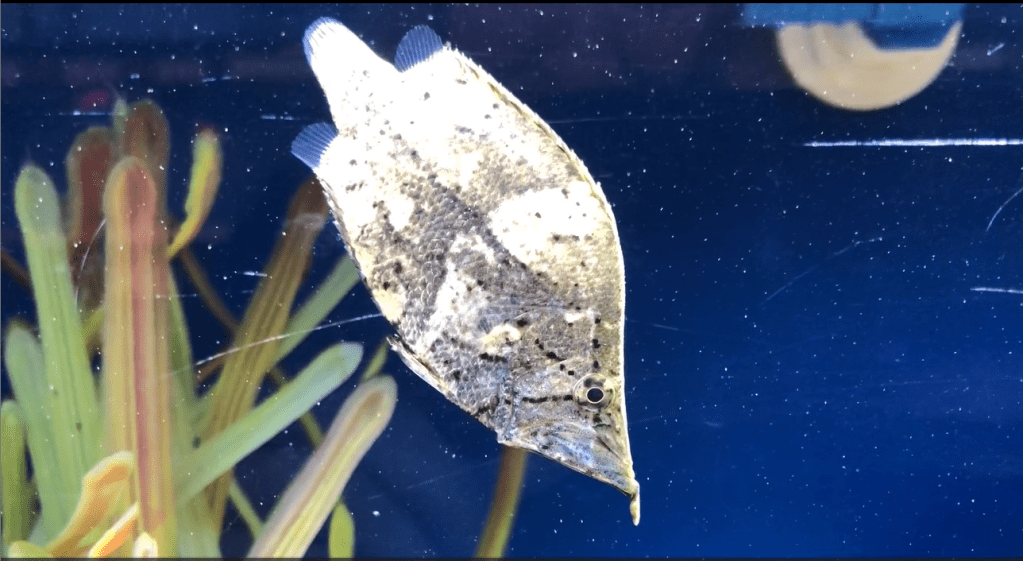
South American leaf fish, Monocirrhus polyacanthus
The influence of pH
The reason I never went into detail regarding Na and Cl is because there is a bit more to it then whether these are present in the water or not. pH has a strong influence on the whether fishes can uptake or maintain levels of these elements. At a low pH of 5 uptake is inhibit and Na loss is increased, higher calcium levels can be important for preventing this. Interestingly fishes some fishes have adapted methods to handle this e.g. neon tetras and angelfishes (Eddy & Handy, 2012).
Conclusion
This is just an example for the importance of water changes in not just removing waste but replenishing mineral content. While we don’t really know the exact levels required for all the fishes we keep we can make assumptions based on the conductivity or TDS based on where fishes are located in the wild.
References
Eddy, B., & Handy, R. D. (2012). Ecological and environmental physiology of fishes (Vol. 4). Oxford University Press.
Baldisserotto, B., Urbinati, E. C., & Cyrino, J. E. P. (Eds.). (2019). Biology and physiology of freshwater neotropical fish. Academic Press.
Dabrowska, H., Meyer-Burgdorff, K. H., & Gunther, K. D. (1991). Magnesium status in freshwater fish, common carp (Cyprinus carpio, L.) and the dietary protein-magnesium interaction. Fish Physiology and Biochemistry, 9, 165-172.
Liao, B. K., Deng, A. N., Chen, S. C., Chou, M. Y., & Hwang, P. P. (2007). Expression and water calcium dependence of calcium transporter isoforms in zebrafish gill mitochondrion-rich cells. BMC genomics, 8(1), 1-13.
McCormick, S. D., Hasegawa, S., & Hirano, T. (1992). Calcium uptake in the skin of a freshwater teleost. Proceedings of the National Academy of Sciences, 89(8), 3635-3638.
Sanderson, S., Derry, A. M., & Hendry, A. P. (2021). Phenotypic stability in scalar calcium of freshwater fish across a wide range of aqueous calcium availability in nature. Ecology and Evolution, 11(11), 6053-6065.
Van der Velden, J. A., Kolar, Z. I., & Flik, G. (1991). Intake of magnesium from water by freshwater tilapia fed on a low-Mg diet. Comparative Biochemistry and Physiology Part A: Physiology, 99(1-2), 103-105.

 The Scientific Fishkeeper