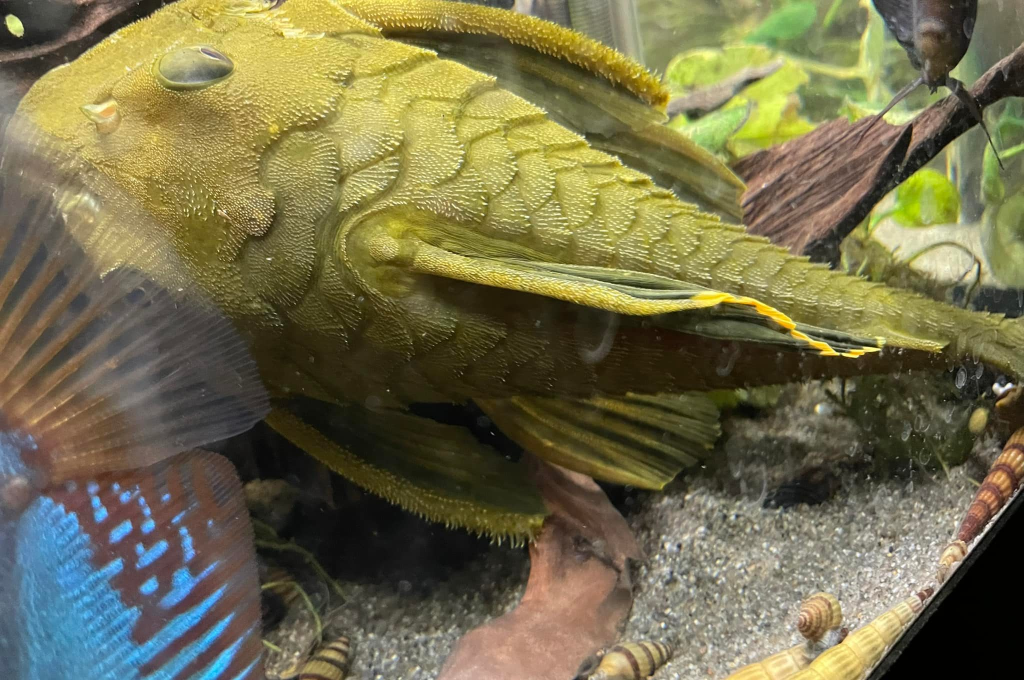
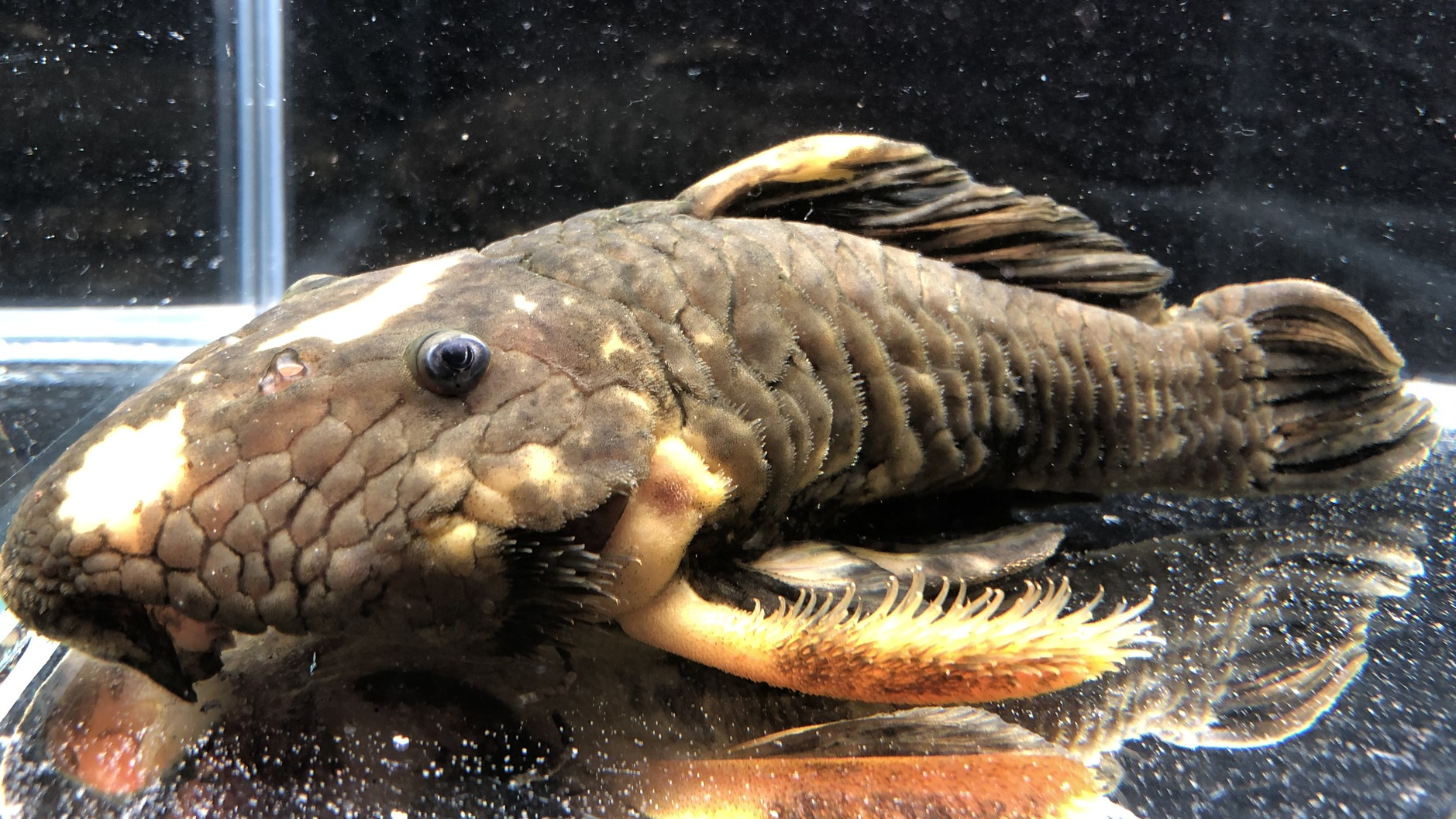
This is a commonly mentioned topic when it comes to pleco’s, it is a bit of a telephone game over time even since many scientific studies have disproven it. There are three aspects to cover here can they digest it, do they need it for digestion and does wood have other benefits?
The Background
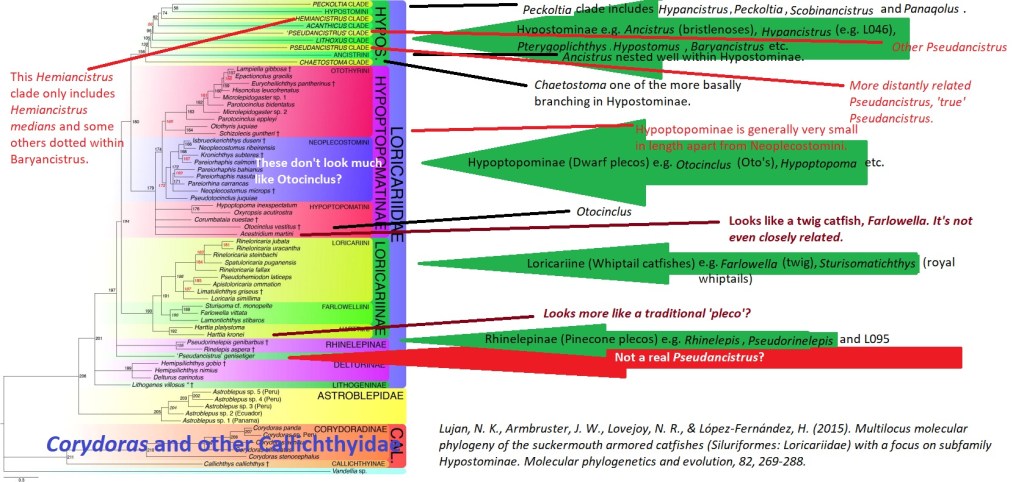
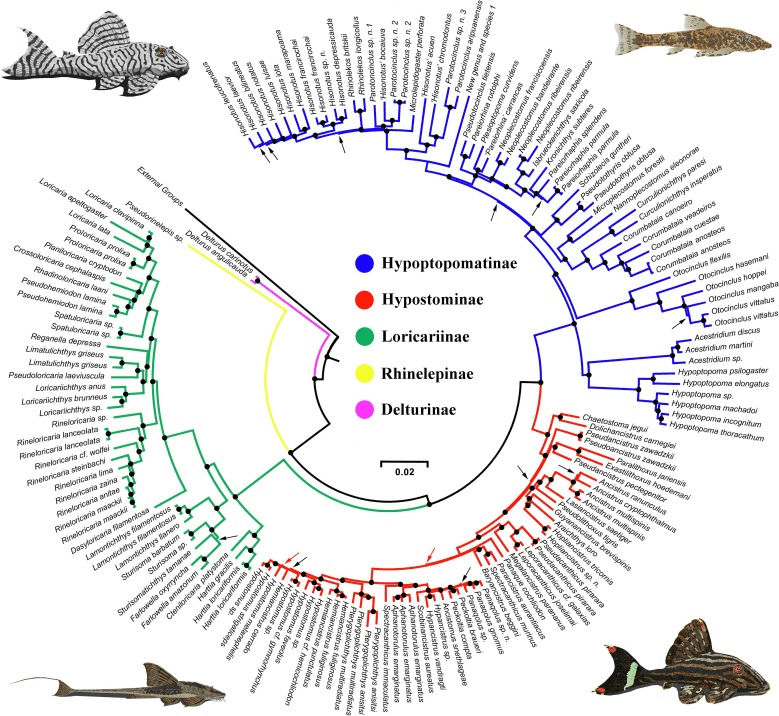
Loricariids are a group of around 1,080 currently accepted and described species according to Eschmeyer’s Catalog of Fishes, they are endemic to Central and South America. While common names within this group are unreliable it generally includes pleco’s, whiptail catfishes, oto’s, bristlenoses etc. Here in this article I am focusing on a subfamily known as Hypostominae, this includes some of the pleco’s (the most popular ones) and bristlenose pleco’s (Ancistrus, which is nested well within).
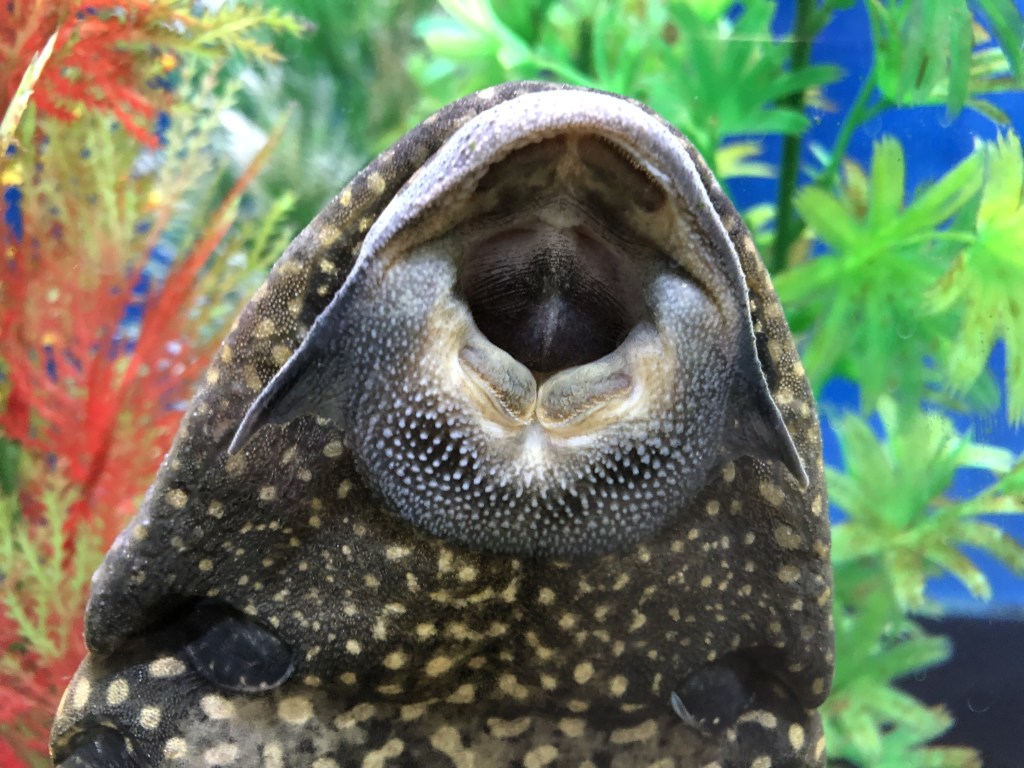
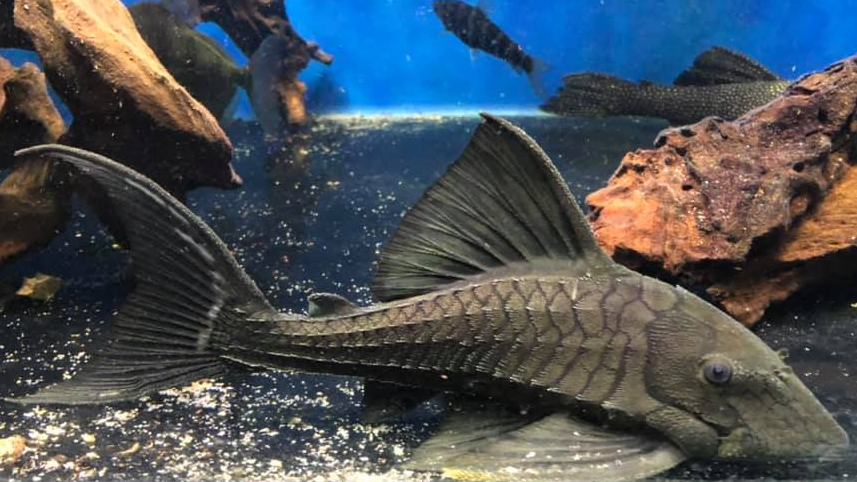
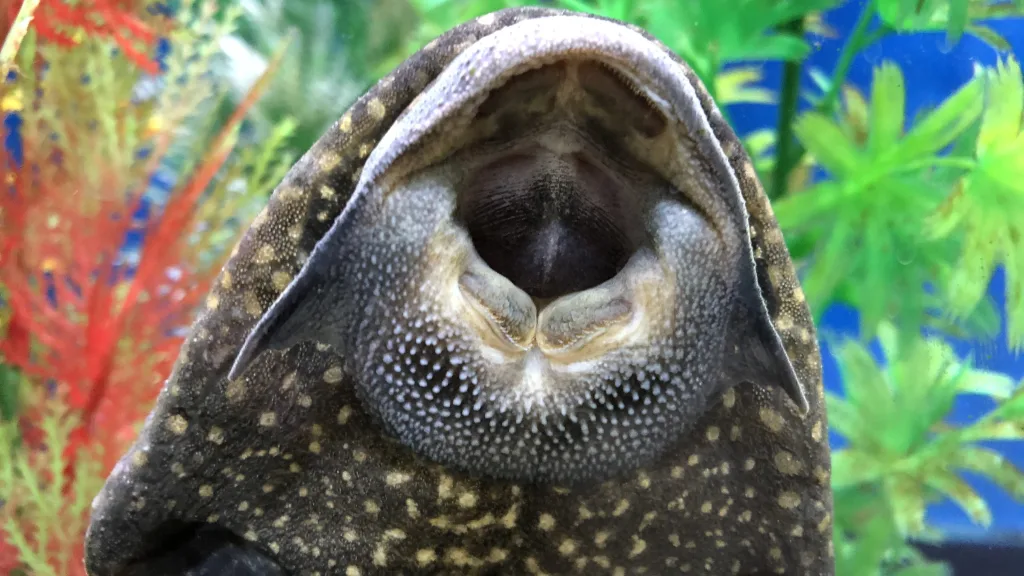
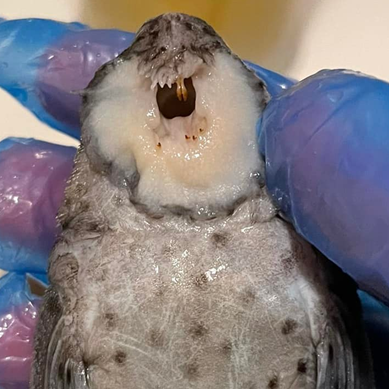
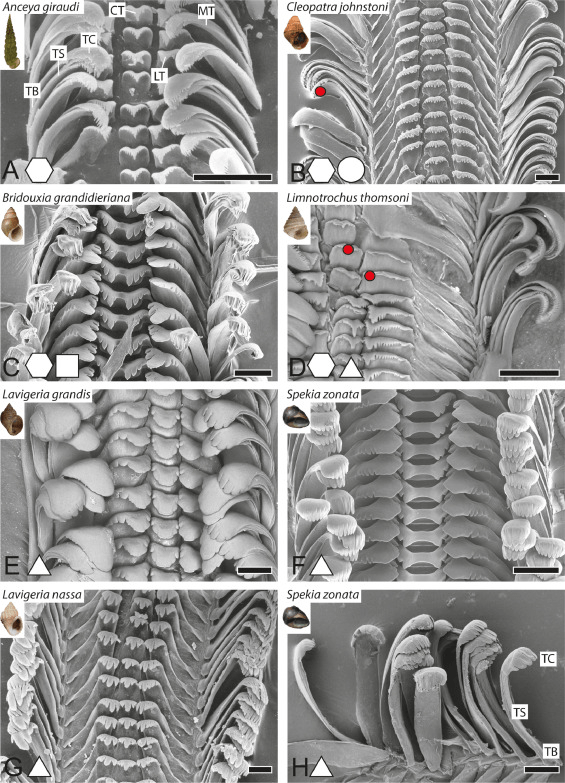
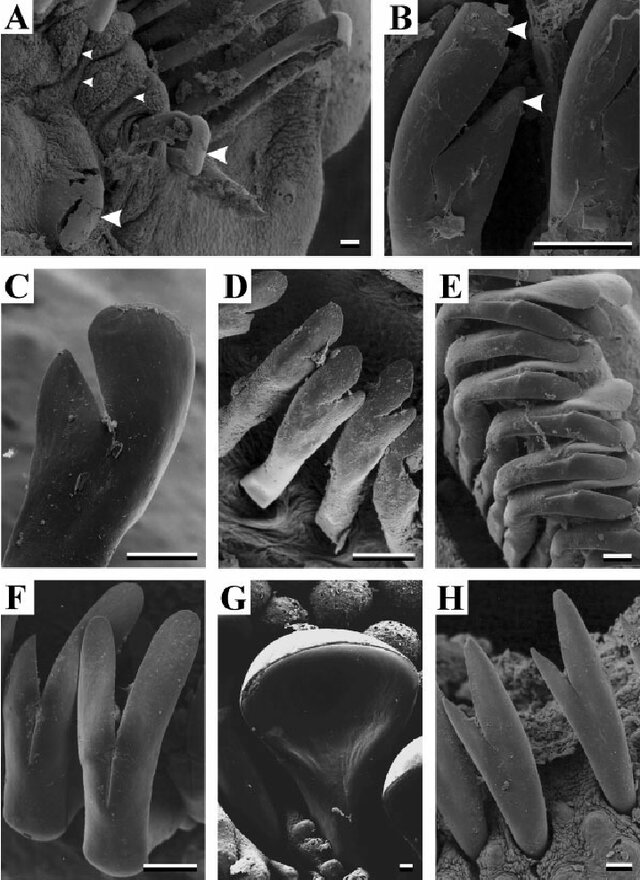
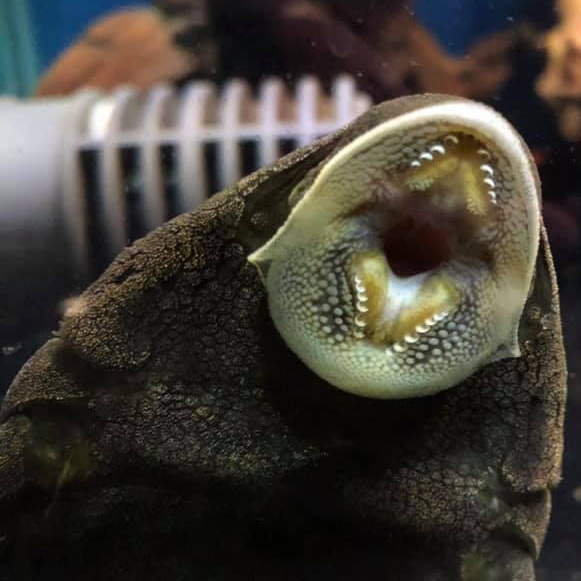
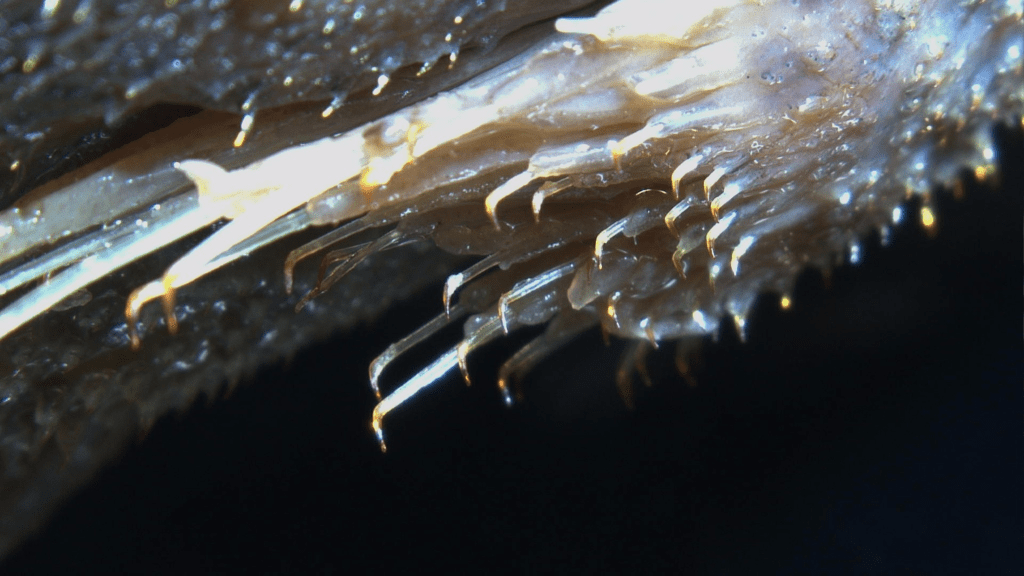
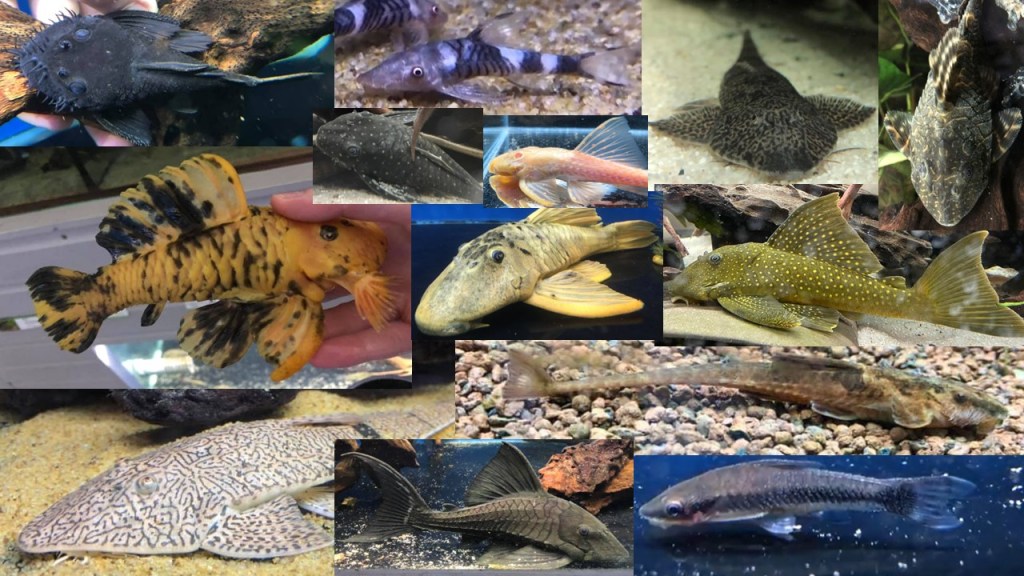
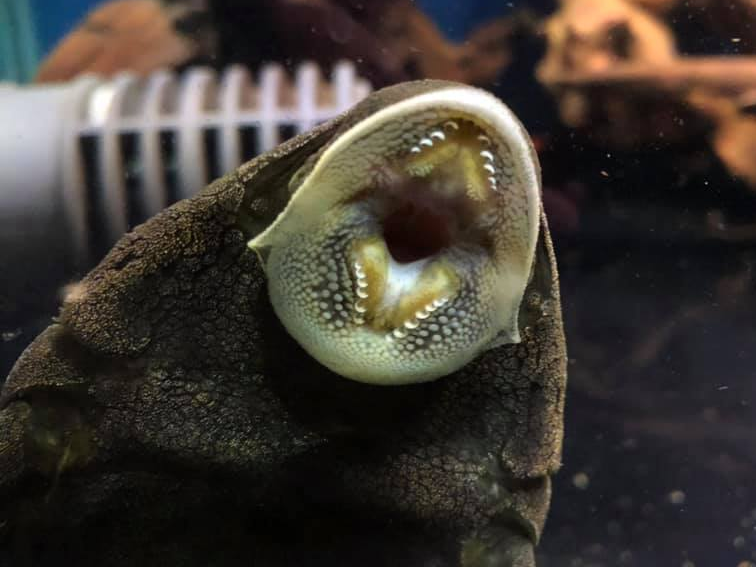
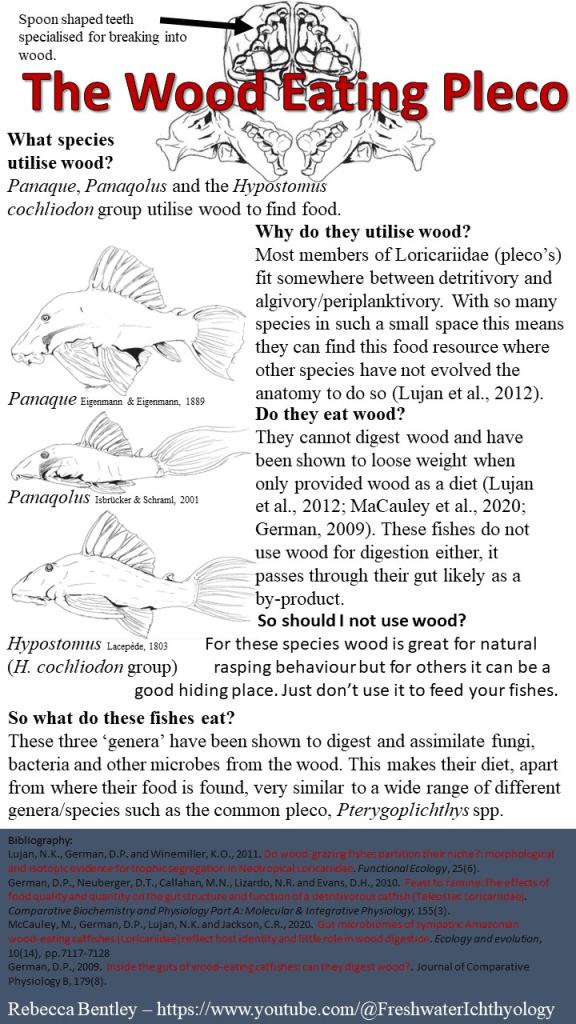
Some Loricariid genera were observed to gouge on wood using their jaws, Loricariids do not suck their food unlike the name suckermouth catfish suggests. They use a pair of oral jaws and basically rasp at it (Adriaens et al., 2009), which is then further processed by some pharyngeal jaws (a second pair of jaws) who often contain small teeth (Bentley et al., 2026). These paraphyletic genera displayed spoon shaped teeth (Fig. 1; spoon shaped) not found in other groups (Fig. 2).These teeth are unique within Loricariidae for being able to gouge into the wood and often mineralised for strength (Schaefer & Stewart, 2009).
Genera associated with wood eating:
- Panaque in the Hemiancistrus medians group close to genera such as Baryancistrus and Parancistrus (Lujan et al., 2015; Roxo et al., 2019).
- Panaqolus was previously in Panaque but identified to be in the Peckoltia group also with genera such as Scobinancistrus and Hypancistrus (Lujan et al., 2015; Roxo et al., 2019).
- Hypostomus in the Hypostomus cochliodon group, so not far from Hypostomus plecostomus.
- Pseudoqolus, also in the Peckoltia group (Lujan et al., 2015; Roxo et al., 2019).
- Potentially Lasiancistrus heteracanthicus, sister genus to Ancistrus (Lujan et al., 2015; Roxo et al., 2019).
These genera have uniquely been identified to also have wood in their stomach (Lujan, German & Winemiller, 2011; German, 2009), aquarists will notice their faeces will also reflect this and, any wood will usually slowly be broken down faster then if there was not these fishes. This doesn’t tell the full picture as many animals including animals consume things that we do not digest, use for digestion or any other purpose.
Questioning their ability to digest wood
The issue is xylovory, the ability to eat wood is quite rare and unseen in fishes so any occurrence would be fascinating to study. In the initial German (2009) experiment neither Panaque nigrolineatus (Royal pleco) hypothesised to be a wood eater and Pterygoplichthys disjunctivus (common pleco) which was used as a detritivore retained any wood in their gut and the fishes actually lost weight throughout German (2009) experiment where the fishes were only provided with wood. In fact the wood passed through their digestive tract in only 4 hours so not nearly enough time to digest wood (German, 2009), in contrast I identified around 2-4 days for Ancistrus on an algivore diet but in Bentley et al. (2026) Planiloricaria took around 4 days for food and even substrate to pass through the gut.
Anatomical issues
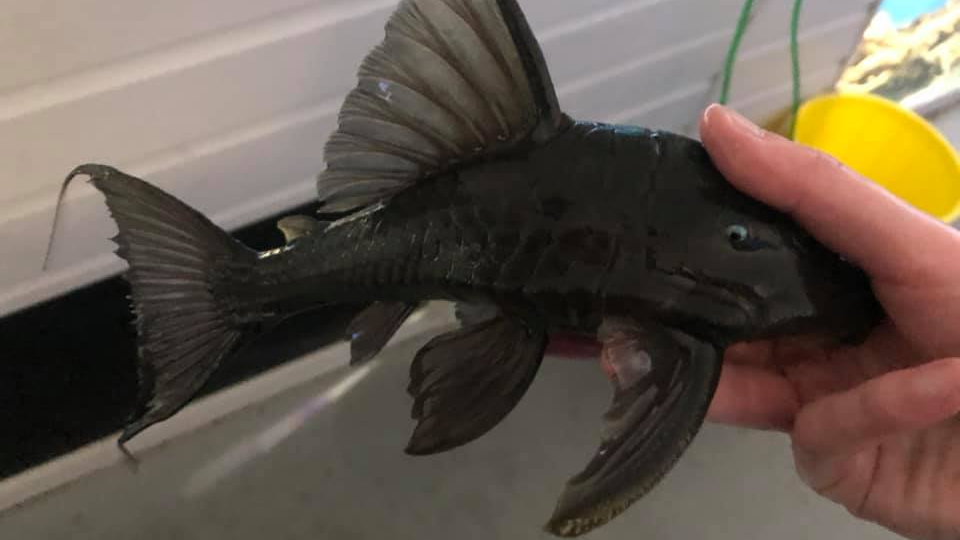
Regardless of differences in jaw and tooth shape neither Panaque or Pterygoplichthys actually differed in intestinal anatomy (German, 2009), showing they are unable to digest the wood using an anatomical method. Teeth and jaw shape only allow for so much processing and, even gut anatomy only allows for so much too. In a way the anatomy should just speed up processing, which is why those animals which swallow prey whole have that food in their stomach and then intestines a long time. Wood is particularly difficult to digest due to the lignin and cellulose although this is present in many plants it’s what creates the structure to these plant structures so you’d expect a longer gut should the fish be able to digest wood and in fact it was also shorter for Panaque (German, 2009), I hypothesise this is due to Panaque consuming more microbes, fungi and in some habitats algae (Lujan et al., 2011) opposed to Pterygoplichthys who possibly consumes more algal matter but is also much more of a generalist (Stolbunov et al., 2021) as also consuming plant matter and some invertebrates, perhaps if both feed on algae’s it could infer a difference in algae’s as the vast group differ in structure. Regardless other then jaw anatomy, the wood ‘eating’ species don’t differ.
Are they actually processing any of this wood?
While many studies have identified wood in the guts of these fishes it doesn’t entirely say what is being digested, many organisms consume different items for a variety of reasons and not all are there for a purpose of which I will discuss later. This is where isotopes are useful as these can indicate what food is actually being processed and assimilated. Lujan et al. (2011) used isotopes to identify that of the wood consumed they were not digesting it, instead they were actually digesting the microbes and even the fungi within the wood. This study was the first to not just use Panaque and Panaqolus but additionally used a member of the Hypostomus cochliodon group.
This inability to process wood had additionally been shown in Pterygoplichthys which has never had wood in the gut within Pterygoplichthys disjunctivus (German and Miles, 2010).
Enzymes
German and Bittong (2009) identified that neither Panaque nigrolineatus (Royal pleco) and Pterygoplichthys disjunctivus had nearly enough of the enzymes (cellulase and xylanase) to digest wood.
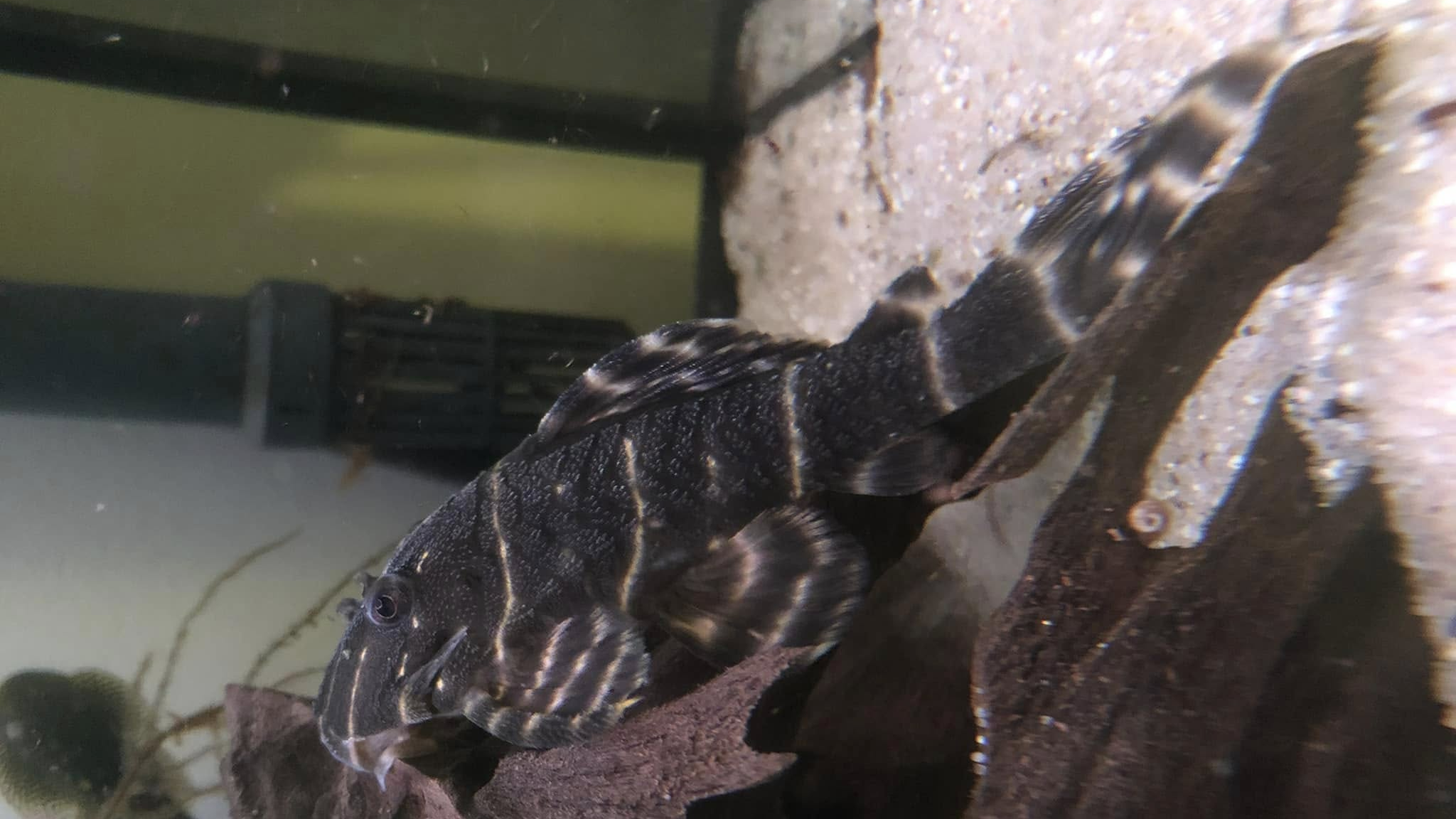
Gut microbes
This aspect has been debated a little but gut bacteria can significantly influence what we can digest but also what we eat influences the gut bacteria. Neither Panaque nor Pterygoplichthys contained enough gut bacteria that would allow for the digestion of wood when cultured (Nelson et al., 1999); in Panaque nigrolineatus when genetic analyses of gut micromes were assessed (McDonald et al., 2019) or; in a larger study using the DNA and RNA of Panaqolus albomaculatus, Panaqolus gnomus, Panaqolus nocturnus and Panaque bathyphilus (McCauley et al., 2020). When comparing to the wood, those microbes alive in the gut used in digestion also differed but it did leave the opportunity that they are digesting the microbes within natural wood.
Niche Partitioning
All of this evidence (Lujan et al., 2011; McCauley et al., 2020; German, 2009; German and Bittong, 2009; McDonald et al., 2019) proves that there are no xylovorous Loricariids, pseudoxylovory could be a good term but in fact they are detritivores. As earlier the majority of Loricariids are algivores or detritivores (Lujan et al., 2012) which might disappoint a lot of people but this actually says something quite interesting. Loricariids are a massive group of fishes, well over 1,000 species described according to Eschmeyer’s Catalog of Fishes, many are found in the same area. As you might well know, species can’t often co-exist if competing. While these pseudoxylovores (‘wood-eaters’) are not competing due to the use of wood they are actually not competing due to likely where these fishes can find their food, these fishes can find their food in wood, where none of the others actually can. This partitioning of dietary niche is maybe more common in Loricariidae but we don’t really know, there are many algivore’s in the same locality and it’s likely each is eating different algae’s, there is a diversity of jaw and tooth shapes afterall so maybe some are consuming say diatoms and others filamentous algae.
Panaque are actually found in habitats where there isn’t any wood (https://amazonas.dk/index.php/articles/brasilien-rio-xingu), so they are certainly capable of generalisation. Within the aquarium Panaqolus and Hypostomus cochliodon group have proven to be hardy, good growers and long lived and while it is difficult to assume, they might not always be kept around wood. While we like to think of species as specialists, while they are to some extent many also are capable of generalisation, such as why many who are really great at consuming one food item take guinea pigs are great with grass are more then capable at eating a wide range of different plant matter, even if it might not be as good nutritionally to depend on this. This is a massive topic discussed in evolutionary biology for a variety of species.
The reason pleco’s don’t eat wood is why we have so many species available to us. It’s why they are so interesting for evolutionary biology.
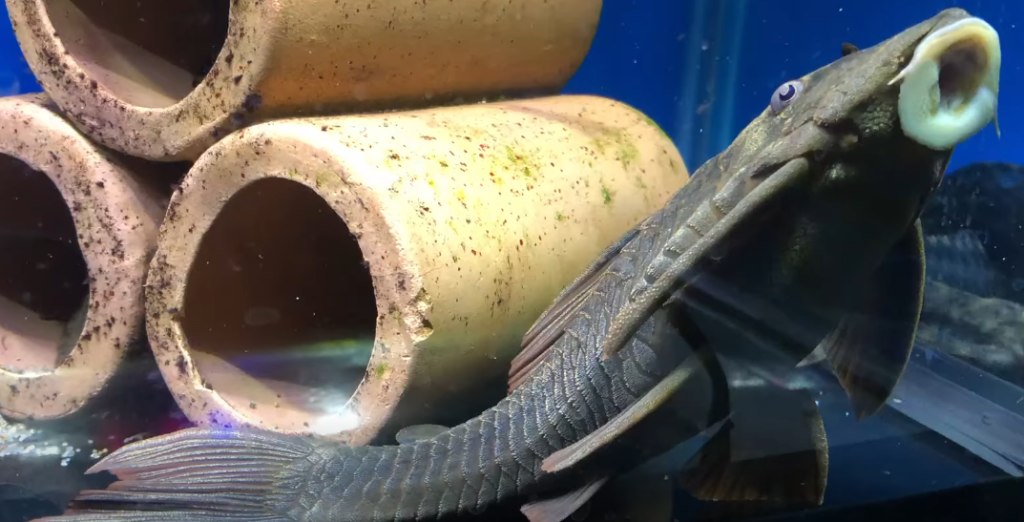
Of course this topic actually got wider, like the telephone game people changed their ideas. While no other Loricariid other then these three(ish) genera consume wood, it got extended to a pick and mix of most Loricariids.
So they will eat the microbes within aquarium wood?
This is a common topic brought up, while it is logical we have to remember that we tend to use a very niche range of woods in the aquarium hobby, we also want them to last as long as possible. Microbes within wood are generally there to break down this wood and ideally we, as aquarists want to avoid this so we actively choose woods that last a long time in the aquarium and this means that there will be minimal microbial growth. They obviously just don’t decay quickly enough if lasting years to provide many microbes. We also tend to sterilise the wood beforehand and choose very hard woods, for a variety of reasons aquarium woods are unlikely to have these microbes. McCauley et al. (2020) used similar methods and actually struggled to find microbes involved in wood decay in the gut but also they might not have been able to identify microbes being digested but allowed them to identify any microbes used to digest wood.
Personally, I collect fresh and dried woods of a variety of ‘safe’ trees such as palms, beech, birch, oak and fruit trees, all actually break down quickly sometimes within a year, even before that they become softer and easy to break. So it is clear that most aquarium woods are of not much use, I also personally keep Panaqolus (P. albivermis and P. aff. maccus) and while wood consumption differs they really don’t consume that much. I also find particularly Panaque maybe due to their size prone to stunting when really not fed enough which is common as many do depend on the wood, when I’ve fed them daily or twice daily they do grow much more rapidly.
So they need it for digestion?
This has been mentioned a lot but actually has no backing in science or actually really any reliable origin. I assume it relates to if they cannot digest it, why is it in the gut and many will think about gastroliths, stones within the gut that are used to aid in digestion. While an interesting thought, wood is only found in these few genera, given they are digesting the ‘norm’ compared to the majority of Loricariids (Lujan et al., 2012), why are the others not consuming wood even where wood is present? Many lack the teeth to do so as well, so haven’t evolved the mechanism of consuming even a small amount of wood. There are Loricariids who consume tougher food items from seeds, insects and even molluscs like snails, but many of these have completely different jaw shapes likely aimed at extracting the soft tissues from these items or large pharyngeal jaws. It’s not always well known Loricariids have two pairs of jaws, this means they can actually chew almost twice (Bentley et al., 2026). With the pharyngeal jaws the use of some material to digest makes little sense but also why wood consumption is not so common throughout the group.
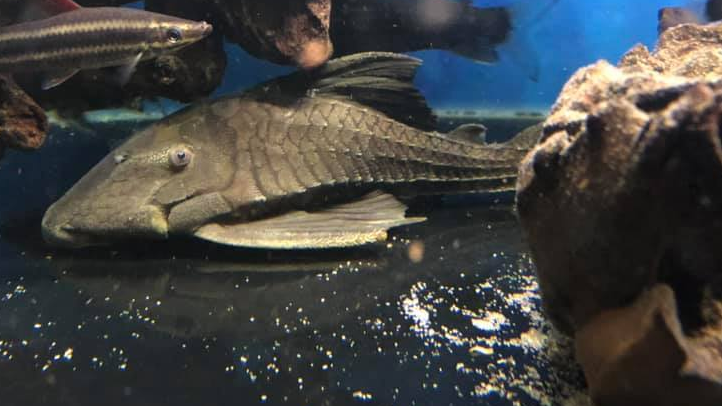
Consuming items for no purpose
Why is the wood in their gut if it has no purpose? This is likely due to what they are digesting and the niche partitioning, to consume the bacteria, fungi and other microbes they are digesting (Lujan et al., 2011), just to consume these food items with their mouth it is likely to pass through the gut.
One item that doesn’t seem to get discussed is substrate, it is found throughout Loricariid guts (Lujan et al., 2012), so sand is an interesting concept for Loricariids although they definitely have no issue without substrate. So it’s likely again they are consuming a food item because they are foraging around it so it just passes through the gut. This is also observed in Labridae specifically parrotfish which seem to eat sponges but in actual fact they are digesting the microbes within these sponges (Crossman et al., 2005) as identified by Professor Donovan German (https://german.bio.uci.edu/PFK_response.html).
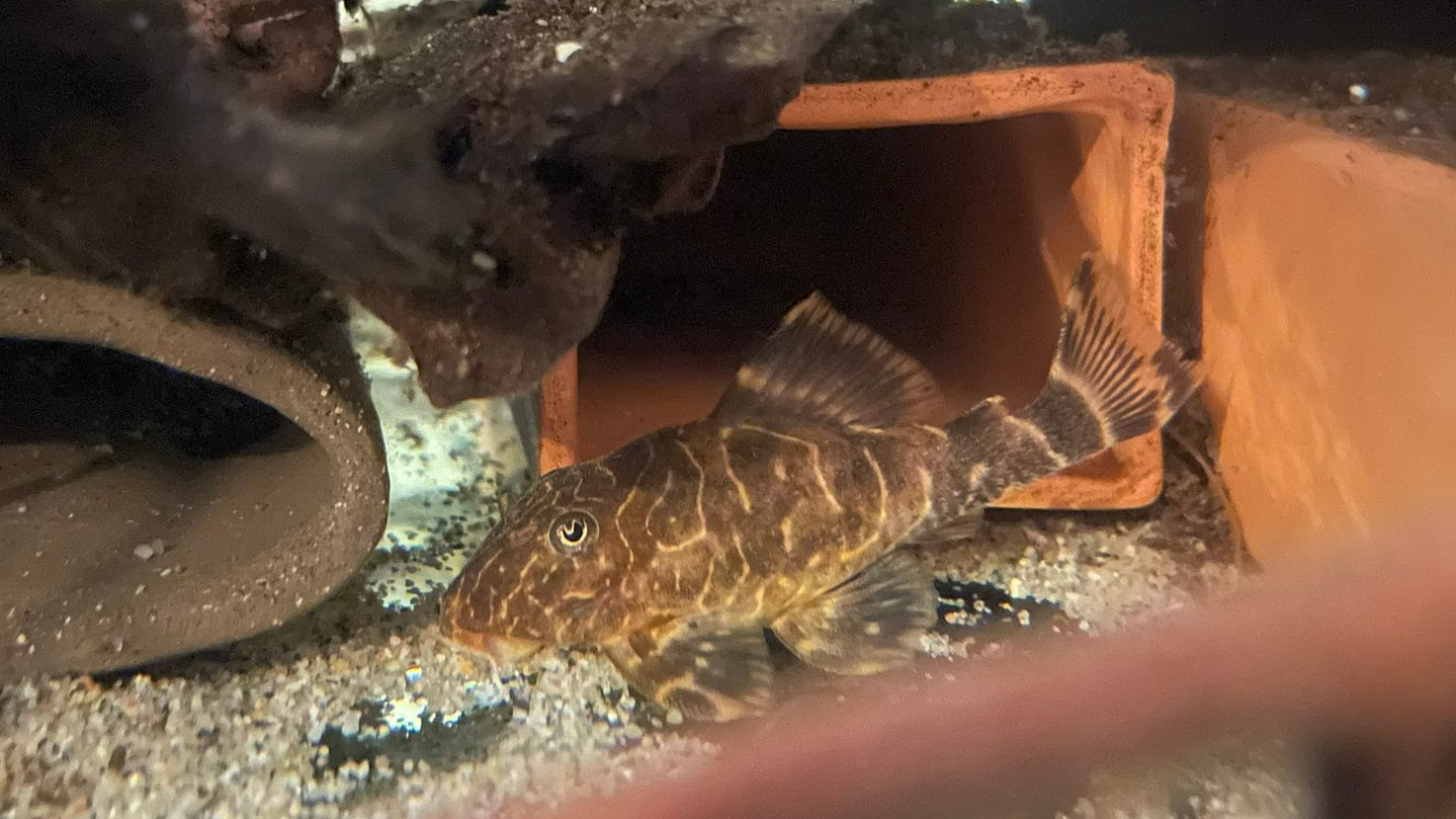
Just because it is fed on doesn’t mean it is consumed, other Loricariids.
The issue has become wider though, although originally it was restricted to those pseudoxylophagous species although after the last few years it has spread to a paraphyletic pick and mix of Loricariids. The majority of these species lack the teeth or jaws to consume wood, quite a lot also aren’t found around wood in the wild such as the gold nugget pleco (Baryancistrus xanthellus) who is an extreme algivore almost exclusively found around rocks (Py-Daniel et al., 2011).
This idea is often backed by the idea if the fish are rasping on something or feed on it maybe they are eating it. But this is somewhat flawed, these fishes are evolved to rasp on a surface (Adriaens et al., 2009), it doesn’t mean they eat that surface or find a benefit on rasping from that individual type of surface. Finding some of your food in one place doesn’t mean you depend on this place particularly when algae and detritus grows on a variety of surfaces.
Is there a place for wood?
Ofcourse, it can be a hiding space for many species, it’s also complex in shape so allows for many more different hiding spaces. For those that are considered pseudoxylophagous, while they don’t digest the wood and it’s not used for digestion there is still a behavioural benefit to provide it as it acts as enrichment, it would also be interesting to provide caves made of wood for these species.
So why is this topic an issue?
Initially it seems harmless, wood could provide enrichment benefits so why not provide it? But the harm actually comes from two aspects 1) depending on it as a food source and 2) assuming the lack of it as a cause of death. The first aspect is maybe clearest on Panaque who seem so easily stunted for a generalist, it shouldn’t take 15-20 years for them to reach adult size, particularly when compared to their relatives but with such poor food provision it seems to be the excuse used. The second aspect is more of a feedback issue, when fishes die the assumption the lack of wood is a cause detracts from the actual cause and can mean that that issue is not solved. Loricariids aren’t the super hardy fishes they are often labelled as, they are diverse and complex so we still need to identify issues with water quality, disease, food provision, nutrition etc. blaming the presence of wood solves nothing.
References:
Adriaens, D., Geerinckx, T., Vlassenbroeck, J., Van Hoorebeke, L., & Herrel, A. (2009). Extensive jaw mobility in suckermouth armored catfishes (Loricariidae): a morphological and kinematic analysis of substrate scraping mode of feeding. Physiological and Biochemical Zoology, 82(1), 51-62.
Bentley, R. F., Collins, R. A., & Genner, M. J. (2026). Evolutionary innovation of functional fused molariform pharyngeal jaws in suckermouth catfishes. Evolutionary Journal of the Linnean Society, kzag009.
Crossman, D. J., Choat, J. H., & Clements, K. D. (2005). Nutritional ecology of nominally herbivorous fishes on coral reefs. Marine Ecology Progress Series, 296, 129-142.
German, D. P. (2009). Inside the guts of wood-eating catfishes: can they digest wood?. Journal of Comparative Physiology B, 179(8), 1011-1023.
German, D. P., & Bittong, R. A. (2009). Digestive enzyme activities and gastrointestinal fermentation in wood-eating catfishes. Journal of Comparative Physiology B, 179(8), 1025-1042.
German, D. P., & Miles, R. D. (2010). Stable carbon and nitrogen incorporation in blood and fin tissue of the catfish Pterygoplichthys disjunctivus (Siluriformes, Loricariidae). Environmental Biology of Fishes, 89(2), 117-133.
Lujan, N. K., Armbruster, J. W., Lovejoy, N. R., & López-Fernández, H. (2015). Multilocus molecular phylogeny of the suckermouth armored catfishes (Siluriformes: Loricariidae) with a focus on subfamily Hypostominae. Molecular phylogenetics and evolution, 82, 269-288.
Lujan, N. K., German, D. P., & Winemiller, K. O. (2011). Do wood‐grazing fishes partition their niche?: morphological and isotopic evidence for trophic segregation in Neotropical Loricariidae. Functional Ecology, 25(6), 1327-1338.
McCauley, M., German, D. P., Lujan, N. K., & Jackson, C. R. (2020). Gut microbiomes of sympatric Amazonian wood‐eating catfishes (Loricariidae) reflect host identity and little role in wood digestion. Ecology and Evolution, 10(14), 7117-7128.
Nelson, J. A., Wubah, D. A., Whitmer, M. E., Johnson, E. A., & Stewart, D. J. (1999). Wood‐eating catfishes of the genus Panaque: gut microflora and cellulolytic enzyme activities. Journal of fish biology, 54(5), 1069-1082.
Py-Daniel, L. R., Zuanon, J., & Oliveira, R. R. D. (2011). Two new ornamental loricariid catfishes of Baryancistrus from rio Xingu drainage (Siluriformes: Hypostominae). Neotropical Ichthyology, 9(2), 241-252.
Roxo, F. F., Ochoa, L. E., Sabaj, M. H., Lujan, N. K., Covain, R., Silva, G. S., … & Oliveira, C. (2019). Phylogenomic reappraisal of the Neotropical catfish family Loricariidae (Teleostei: Siluriformes) using ultraconserved elements. Molecular phylogenetics and evolution, 135, 148-165.
Schaefer, S. A., & Stewart, D. J. (1993). Systematics of the Panaque dentex species group (Siluriformes: Loricariidae), wood-eating armored catfishes from tropical South America. Ichthyological Exploration of Freshwaters, 4(4), 309-342.
Stolbunov, I. A., Gusakov, V. A., Dien, T. D., & Thanh, N. T. H. (2021). Food spectrum, trophic and length-weight characteristics of nonindigenous suckermouth armored catfishes Pterygoplichthys spp.(Loricariidae) in Vietnam. Inland Water Biology, 14(5), 597-605.