Category Archives: Taxonomy

Two New Loricariids Described: Hypancistrus seideli and H. yudja

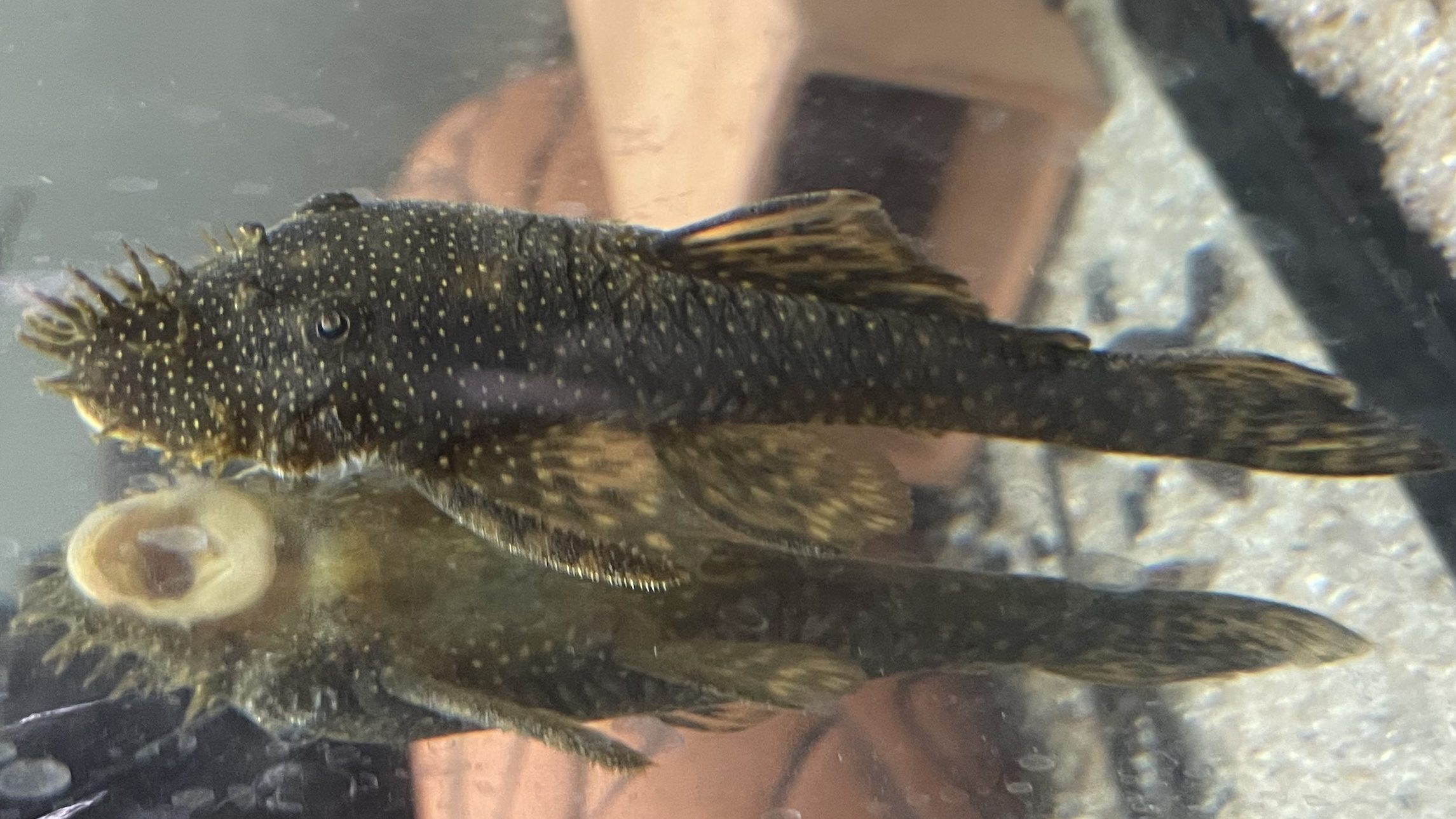
Hypancistrus have long been an issue for hobbyists and taxonomists providing challenges to identify and define what is a species, over time a few have been described but leaving one of the most common species.
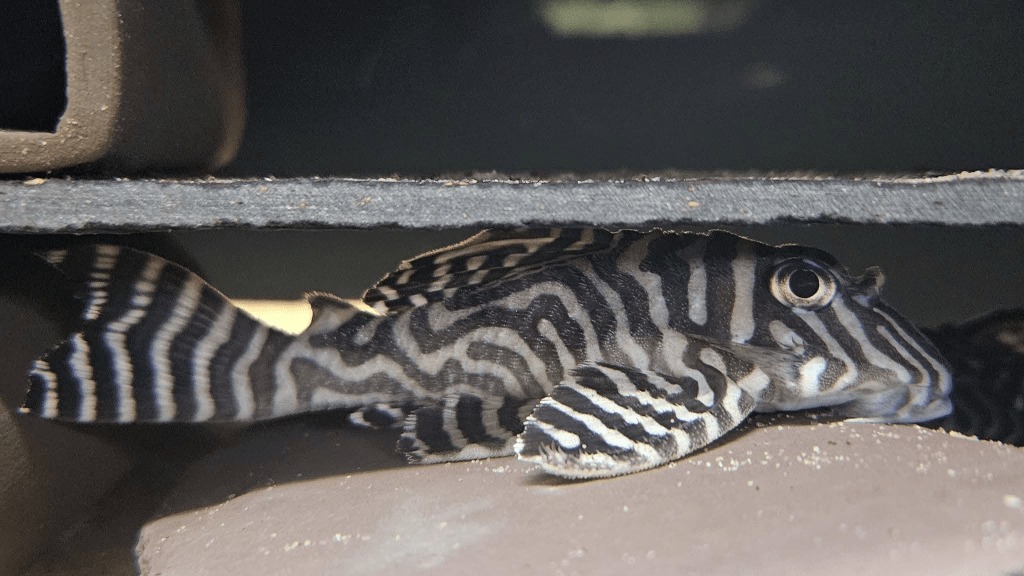
Hypancistrus seideli ‘L333 King tiger’ Image originated from: Olivia and Dad’s Fish Room https://www.facebook.com/profile.php?id=100063396450007

This topic is tricky for scientists regarding how a species is defined and where do you draw a line, even trickier for hobbyists. The Rio Xingu species have been particularly tricky as there are many striped species with only Hypancistrus zebra being particularly distinctive. For the hobbyist the L number system can add to the confusion as while different individuals can be given different L number it doesn’t infer they are different species. Morphology can be tricky to navigate as there are many very diverse species both morphologically and genetically for example Baryancistrus xanthellus (of which does include a green variant, verde that is not B. chrysolomus) or Peckoltia sabaji (Fig 1; Magalhães et al., 2021; Armbruster 2003).
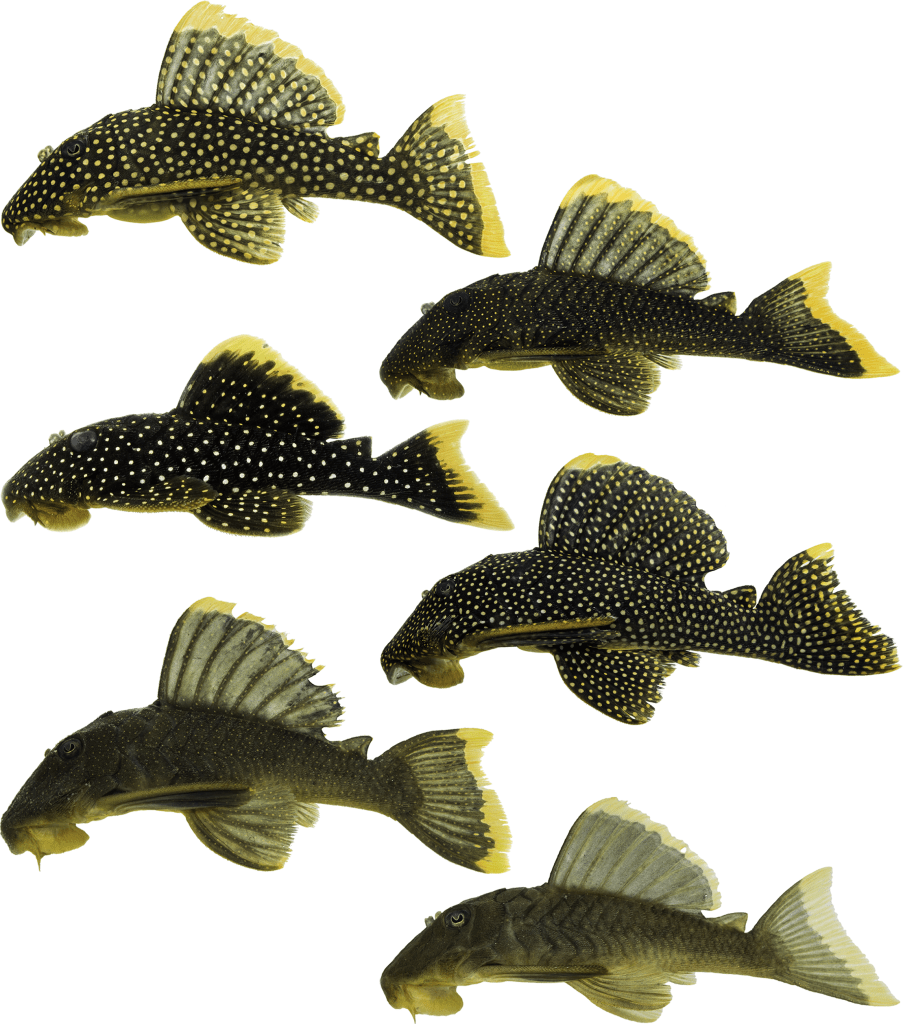
Figure 1: The morphological diversity of Baryancistrus xanthellus, the gold nugget pleco (L177, L018, L081, L085, verde) as featured in Magalhães, K. X., da Silva, R. D. F., Sawakuchi, A. O., Gonçalves, A. P., Gomes, G. F. E., Muriel-Cunha, J., … & de Sousa, L. M. (2021). Phylogeography of Baryancistrus xanthellus (Siluriformes: Loricariidae), a rheophilic catfish endemic to the Xingu River basin in eastern Amazonia. Plos one16(8), e0256677.

Some of this morphological and genetic diversity can be based on different populations and localities, it is tricky to infer whether there is interbreeding as to when and extent this occurs without detailed analysis for both morphologically and genetically. We also risk drawing lines between populations or individuals of the same species that don’t exist in nature.

Commonly understood is the importance of species as a biological unit and in some manner it is, but this is no one overarching definition for a species, it’s much more complex then that. As said earlier species can be both morphologically and genetically diverse or not at all, it varies so much and on where the line is drawn. The common misconception is that genetics solves any issues with defining a species but when you create these trees to plot species different genes, regions or even whether you use mitochondrial or nuclear DNA can infer different groupings. But this reliance on species being the important factor that matters for many aquarists ignores much of this and can lead to splitting species into unrealistic groupings. Realistically like the killifish and Poecilidae sides of the hobby, we need to recognize populations are as valuable as species, even if they cross or not. Populations might have unique genetics or morphology, doesn’t make them different species but we should really think through how we breed our fishes and what individuals we choose. If fishes come from different suppliers maybe double checking locality, maybe considering if certain captive bred fishes are useful for maintaining a population.

So in summary just because some species might look different it doesn’t mean they are but doesn’t mean they aren’t distinct populations that shouldn’t be valued.
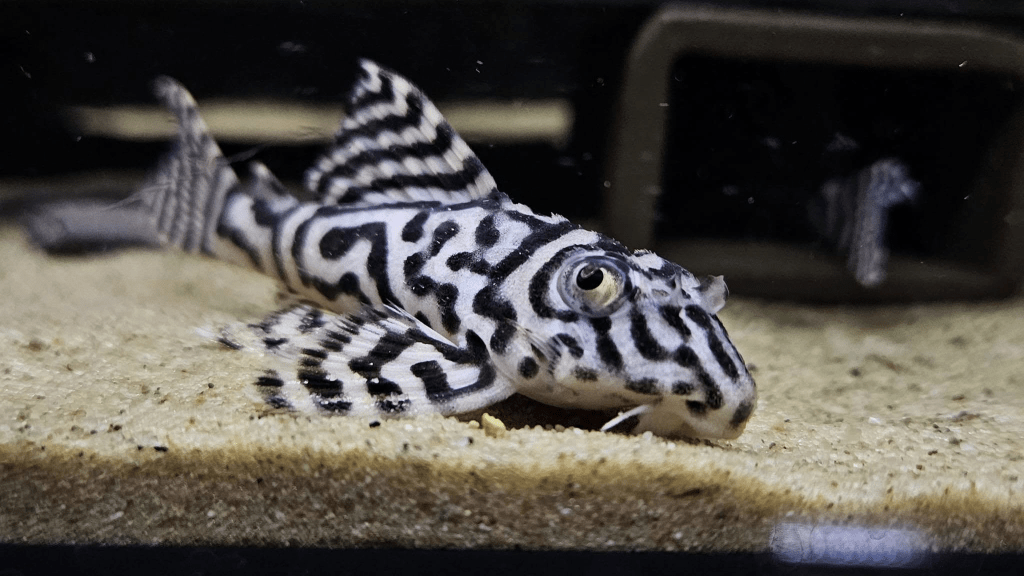
Hypancistrus seideli ‘L236 basic’ Image originated from: Olivia and Dad’s Fish Room https://www.facebook.com/profile.php?id=100063396450007

The Two New Species of Hypancistrus

Description for Hypancistrus seideli and H. yudja:

Sousa LM, Sousa EB, Oliveira RR, Sabaj MH, Zuanon J, Rapp Py-Daniel L. (2025). Two new species of Hypancistrus (Siluriformes: Loricariidae) from the rio Xingu, Amazon, Brazil. Neotropical Ichthyology. 23(1). https://doi.org/10.1590/1982-0224-2024-0080

These exciting descriptions help us understand the Loricariids we keep in the aquariums better and more accurately describe them. Hopefully it leads to further studies of Hypancistrus.

Hypancistrus seideli Sousa, Sousa, Oliveira, Sabaji, Zuanon & Rapp Py-Daniel 2025.
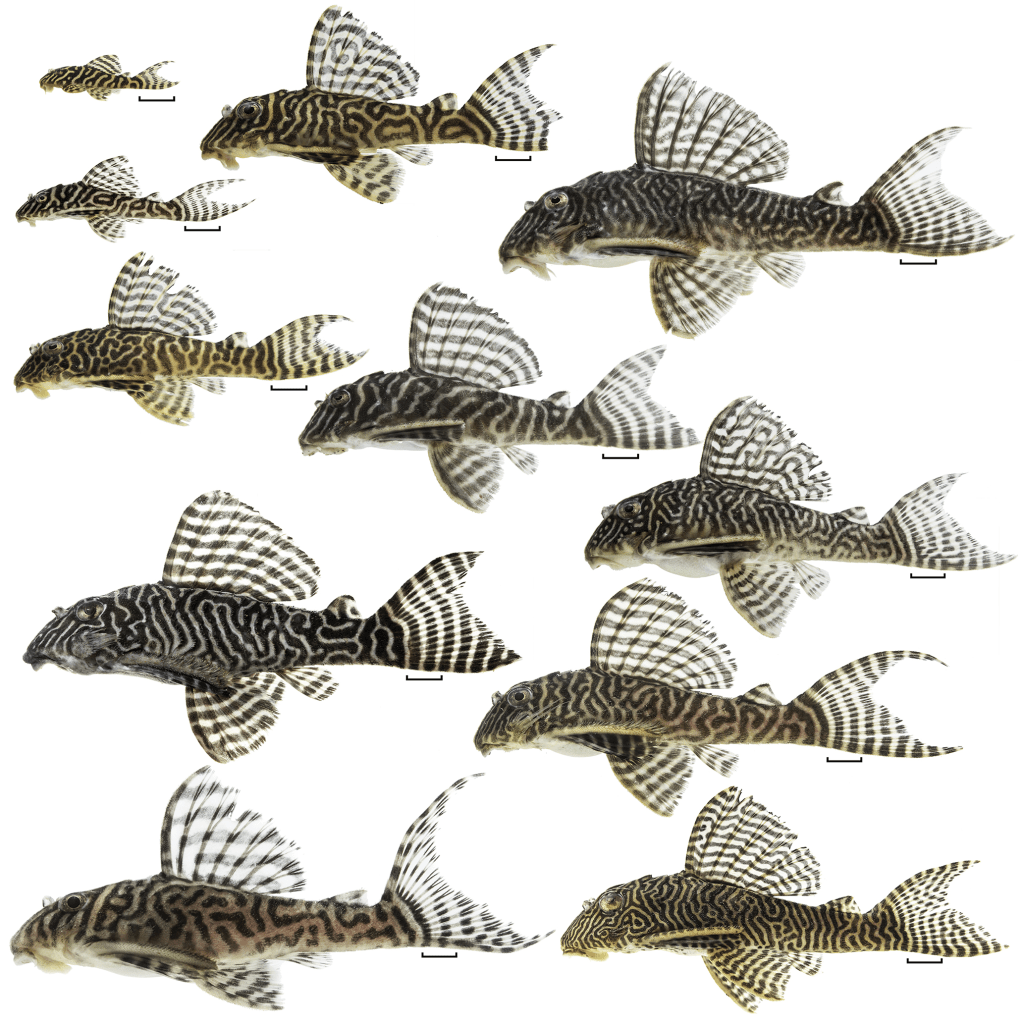
Figure 2: Hypancistrus seideli as featured in: Sousa LM, Sousa EB, Oliveira RR, Sabaj MH, Zuanon J, Rapp Py-Daniel L. (2025). Two new species of Hypancistrus (Siluriformes: Loricariidae) from the rio Xingu, Amazon, Brazil. Neotropical Ichthyology. 23(1). https://doi.org/10.1590/1982-0224-2024-0080

This species includes the L numbers: L333, L066, L236, L287, L399, L400.

This species includes the common names: King tiger pleco, maze zebra pleco.

Diagnosed by alternating dark and pale vermiculation’s from currently described species although recognised as extremely varied (Sousa et al., 2025). Hypancistrus seideli covers a wide range of the Hypancistrus diversity in the Rio Xingu and some of the most popular species in the aquarium trade. Although morphologically diverse (Fig 2) there it seems to not have the same amount of molecular diversity so further inferring at least L066 and L333 regardless are the same species. Phylogenetically there also seems to be an issue to designate them as different species given L066 and Belo Monte seem to be paraphyletic (Cardoso et al., 2016). Although using sequences from a public database does rely on correct identification of those sequencing the samples (Fig 3).
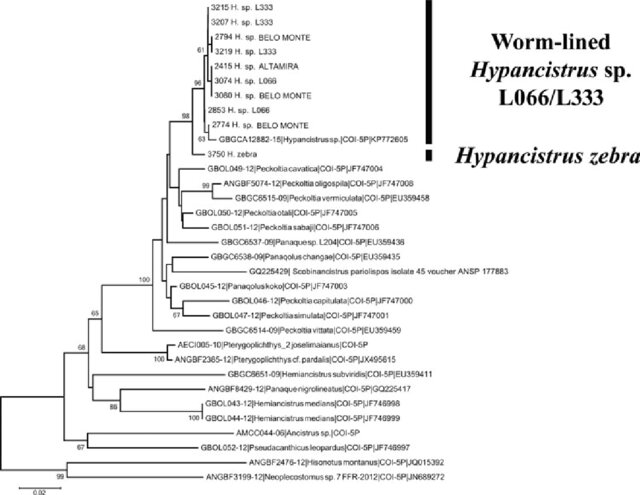
Figure 3: Molecular phylogeny using the COI barcode sequences located from a public database as featured in: Cardoso, A. L., Carvalho, H. L. S., Benathar, T. C. M., Serrao, S. M. G., Nagamachi, C. Y., Pieczarka, J. C., … & Noronha, R. C. R. (2016). Integrated cytogenetic and mitochondrial DNA analyses indicate that two different phenotypes of Hypancistrus (L066 and L333) belong to the same species. Zebrafish13(3), 209-216.

Etymology: Hypancistrus seideli is named after the well known and respected aquarist Ingo Seidel who has contributed a lot to the knowledge of Hypancistrus (Sousa et al., 2025).

Habitat: While the paper doesn’t go into detail that isn’t well known it describes their environment as rocky with strong currents (Sousa et al., 2025).
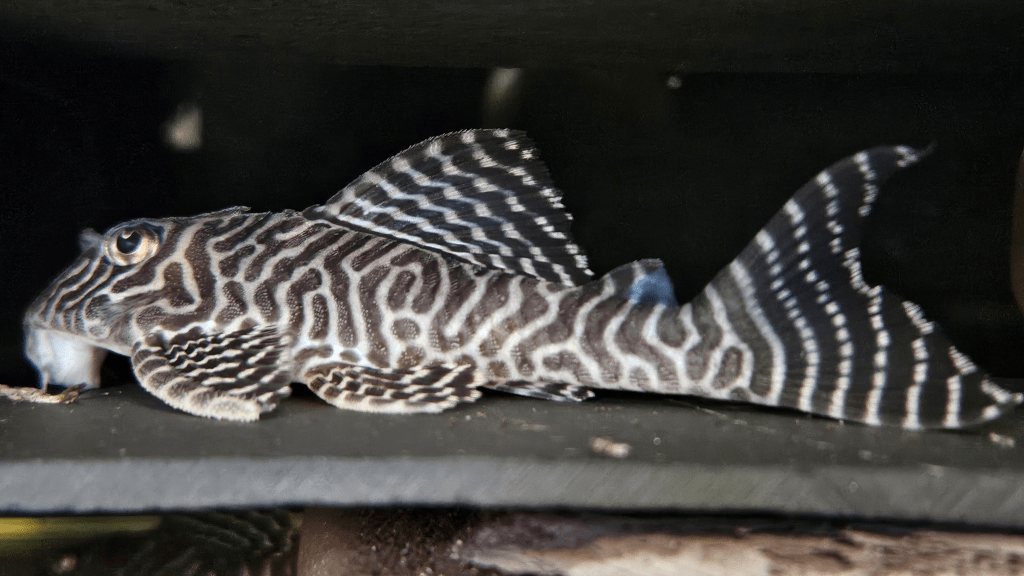

Hypancistrus seideli ‘L066 King Tiger’ Image originated from: Olivia and Dad’s Fish Room https://www.facebook.com/profile.php?id=100063396450007

Hypancistrus yudja Sousa, Sousa, Oliveira, Sabaji, Zuanon & Rapp Py-Daniel 2025.
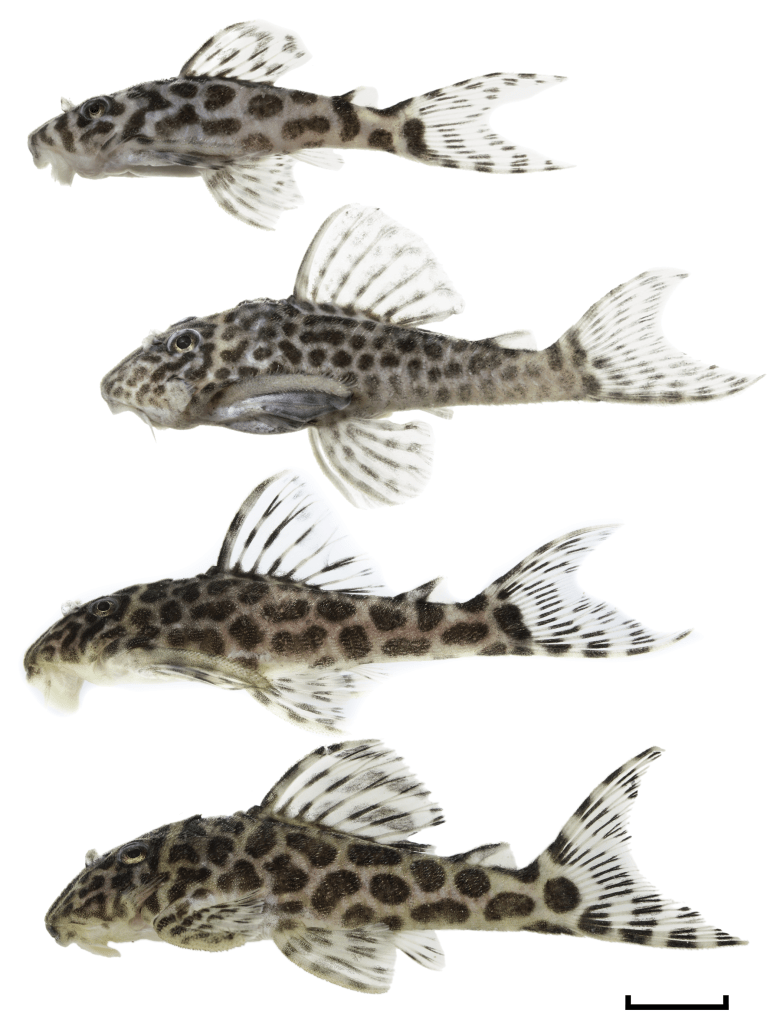
Figure 4: Hypancistrus yudja as described in: Sousa LM, Sousa EB, Oliveira RR, Sabaj MH, Zuanon J, Rapp Py-Daniel L. (2025). Two new species of Hypancistrus (Siluriformes: Loricariidae) from the rio Xingu, Amazon, Brazil. Neotropical Ichthyology. 23(1). https://doi.org/10.1590/1982-0224-2024-0080

This species includes the L numbers: L174.

This species includes the common names: Ozelot pleco.

Diagnosed by large brown splotches and saddles on a tanned background (Sousa et al., 2025).

Etymology: Named after the Yudjá people of the Volta Grande, Rio Xingu, Brazil who are located in the same area as these fishes and described as equally threatened by the Belo Monte dam (Sousa et al., 2025).

Habitat: Located specifically from deep but rocky waters but remains hidden in crevices for large amounts of time (Sousa et al., 2025).
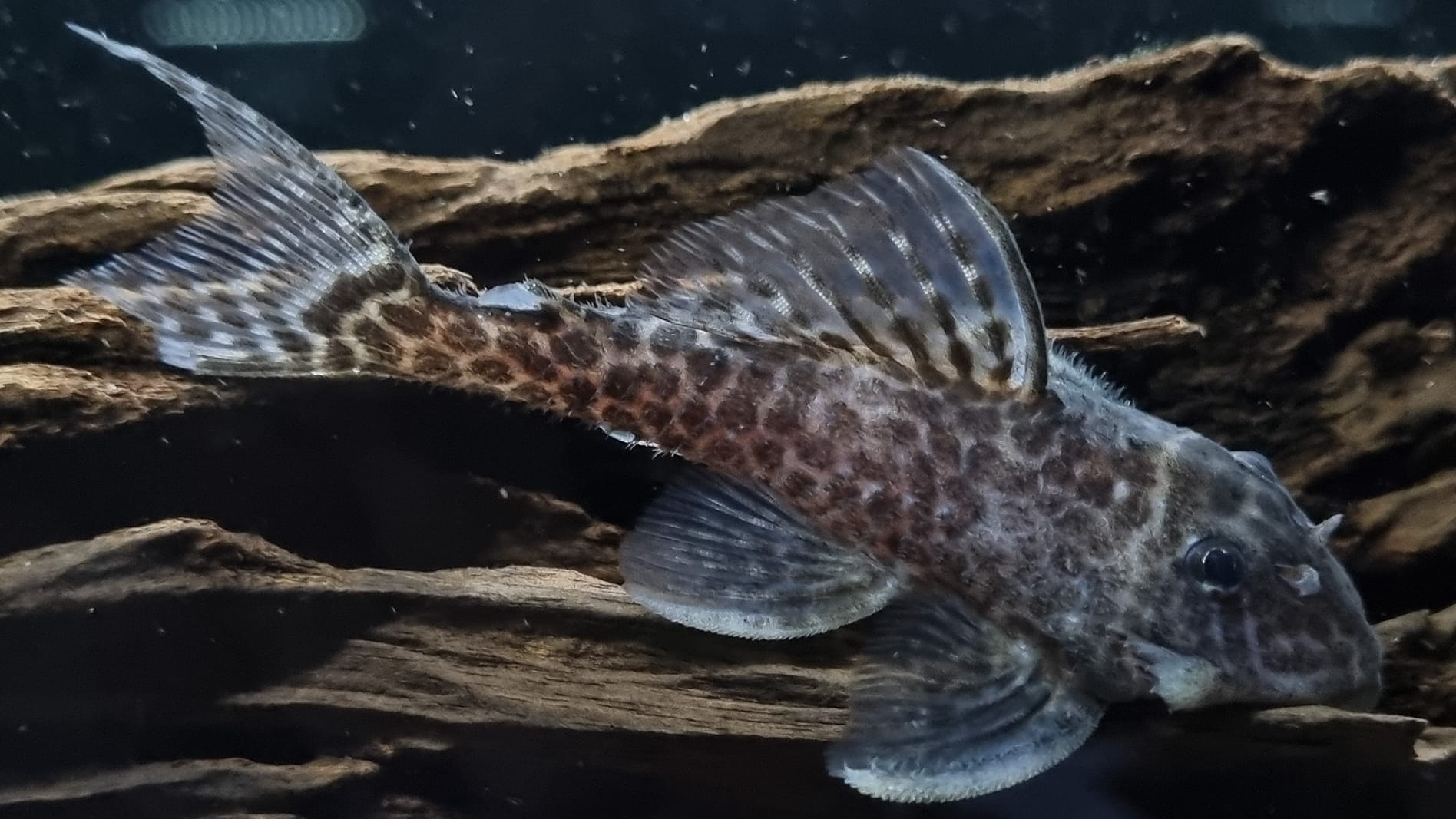
Hypancistrus yudja ‘L174 Ozelot pleco’ Image originated from: Olivia and Dad’s Fish Room https://www.facebook.com/profile.php?id=100063396450007

References:

Armbruster, J. W. (2003). Peckoltia sabaji, a new species from the Guyana Shield (Siluriformes: Loricariidae). Zootaxa344(1), 1-12.

Cardoso, A. L., Carvalho, H. L. S., Benathar, T. C. M., Serrao, S. M. G., Nagamachi, C. Y., Pieczarka, J. C., … & Noronha, R. C. R. (2016). Integrated cytogenetic and mitochondrial DNA analyses indicate that two different phenotypes of Hypancistrus (L066 and L333) belong to the same species. Zebrafish13(3), 209-216.

Magalhães, K. X., da Silva, R. D. F., Sawakuchi, A. O., Gonçalves, A. P., Gomes, G. F. E., Muriel-Cunha, J., … & de Sousa, L. M. (2021). Phylogeography of Baryancistrus xanthellus (Siluriformes: Loricariidae), a rheophilic catfish endemic to the Xingu River basin in eastern Amazonia. Plos one16(8), e0256677.

What is a pleco? To be a pleco or not to be a pleco

Common names are half a mystery to themselves, their origins and what species they really apply to and not. They lack regulations and frequently change spatially and temporally. You can’t expect to go to every country and people call a giraffe, Giraffa, a giraffe. It’s like you can’t expect common names to stay the same, a well known example would be the European robin, Erithacus rubecula was at one point called the redbreast and then that changed to robin redbreast and then just robin. The point maybe is common names change so much with little ability to track, plant common names do so frequently as well.

Pleco is one of those common names, originally Plecostomus but Plecostomus used to be the name of a genus. Much like many have created Cory as a common name for the genus Corydoras. The type and most notable species was Hypostomus Plecostomus (Linnaeus 1758), formally Plecostomus Plecostomus. Plecostomus is no longer a valid genus and has not been since 1980 where species were then placed in multiple other genera such as Ancistrus, Isorineloricaria, Loricariichthys and eventually Aphanotorulus. The majority of those previously known as Plecostomus were moved into Hypostomus, described in 1803 with the type Hypostomus guacari which is now understood to be a synonym of Hypostomus plecostomus (Fricke et al., 2023). Interestingly Pterygoplichthys, a genus that contains species known as the common plecos was never in the genus Plecostomus. This summarizing the main flaws of the arguments behind the common name. Ancistrus, bristlenose plecos are often argued not to be plecos but they had members once in Plecostomus whereas many such as Pterygoplichthys who there is no debate about were never placed in Plecostomus. Currently while there are none with the genus Plecostomus there is Hypostomus plecostomus and H. plecostomoides. Of genera Neoplecostomus, Microplecostomus and Nannoplecostomus exists, currently within Hypoptopominae, which is the same subfamily as Otocinclus. These genera add the other argument do people consider Otocinclus a pleco?

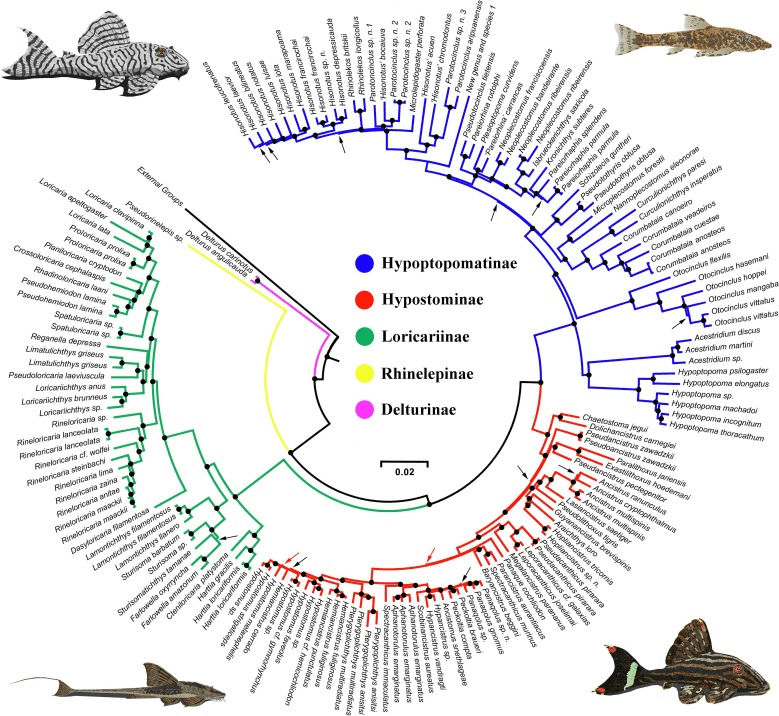
The other issue with the name pleco as a common name is where it is applied evolutionary.

Phylogenetic tree using molecular data of Loricariidae from: Roxo, F. F., Ochoa, L. E., Sabaj, M. H., Lujan, N. K., Covain, R., Silva, G. S., … & Oliveira, C. (2019). Phylogenomic reappraisal of the Neotropical catfish family Loricariidae (Teleostei: Siluriformes) using ultraconserved elements. Molecular phylogenetics and evolution135, 148-165.

Names need some consistency so people can understand each other and that is what scientific names provide. The common name pleco also lacks consistency in where it places in the evolutionary/phylogenetic tree. If you exclude Ancistrus as so many do it is the only member of Hypostominae (coloured in red, Fig 1) to not be a pleco. But members outside of that subfamily are included, right at the earliest branches is Rinelepinae (coloured in yellow, Fig 1) it excludes a lot of later branching Loricariids. Not pictured here is also Pseudancistrus geniseiger who would be considered a pleco and also branches out this far (Lujan et al., 2015). Loricariinae and Hypoptopominae are often debated as if they are a pleco or not.

The problem is more that no one is quite referring to pleco in the same way under this pick and mix system. Some of us refer to the whole of Loricariidae as it would make sense to do, L numbers themselves also do as the L refers to Loricariidae. In Germany these fishes are often referred to as L Welse, meaning Loricariidae Catfish I assume as also members of Siluriforme, catfishes. It means everyone understands each other using this method even if being much broader, we should be recognising the diversity within Loricariidae anyway. In Loricariids and therefore plecos it is an international aspect of the fishkeeping hobby and many countries do not even use the term pleco.

References:

Britto, M. R. (2003). Phylogeny of the subfamily Corydoradinae Hoedeman, 1952 (Siluriformes: Callichthyidae), with a definition of its genera. Proceedings of the Academy of Natural Sciences of Philadelphia153(1), 119-154.

Fricke, R., Eschmeyer, W. N. & Van der Laan, R. (2023).  ESCHMEYER’S CATALOG OF FISHES: GENERA, SPECIES, REFERENCES. (http://researcharchive.calacademy.org/research/ichthyology/catalog/fishcatmain.asp). Electronic version accessed 18/10/2023.

Lujan, N. K., Armbruster, J. W., Lovejoy, N. R., & López-Fernández, H. (2015). Multilocus molecular phylogeny of the suckermouth armored catfishes (Siluriformes: Loricariidae) with a focus on subfamily Hypostominae. Molecular phylogenetics and evolution82, 269-288.

Roxo, F. F., Ochoa, L. E., Sabaj, M. H., Lujan, N. K., Covain, R., Silva, G. S., … & Oliveira, C. (2019). Phylogenomic reappraisal of the Neotropical catfish family Loricariidae (Teleostei: Siluriformes) using ultraconserved elements. Molecular phylogenetics and evolution135, 148-165.

The Medusa Pleco’s, Ancistrus spp. which do you have if one at all?

Ancistrus commonly known as bristlenose plecos, is a gigantic genus with around 50 spp. currently described but many more undescribed species. They are generally described with the presence of tentacles on the head unlike other Loricariids with the exception of Lasiancistrus tentaculatulatus. Tentacles are not a defining feature though for Ancistrus, there are many species who lack them and previously might have been known under the genera Xenocara.

A common misconception is the connection between tentacles and the sex of the fish which is maybe a half truth as for quite a few females tend to have small to no tentacles whereas males develop substantial (hypertrophied) tentacles. Of course there are exceptions here so lets discuss the mythical medusa plecos.

So who are the species called the medusa plecos:

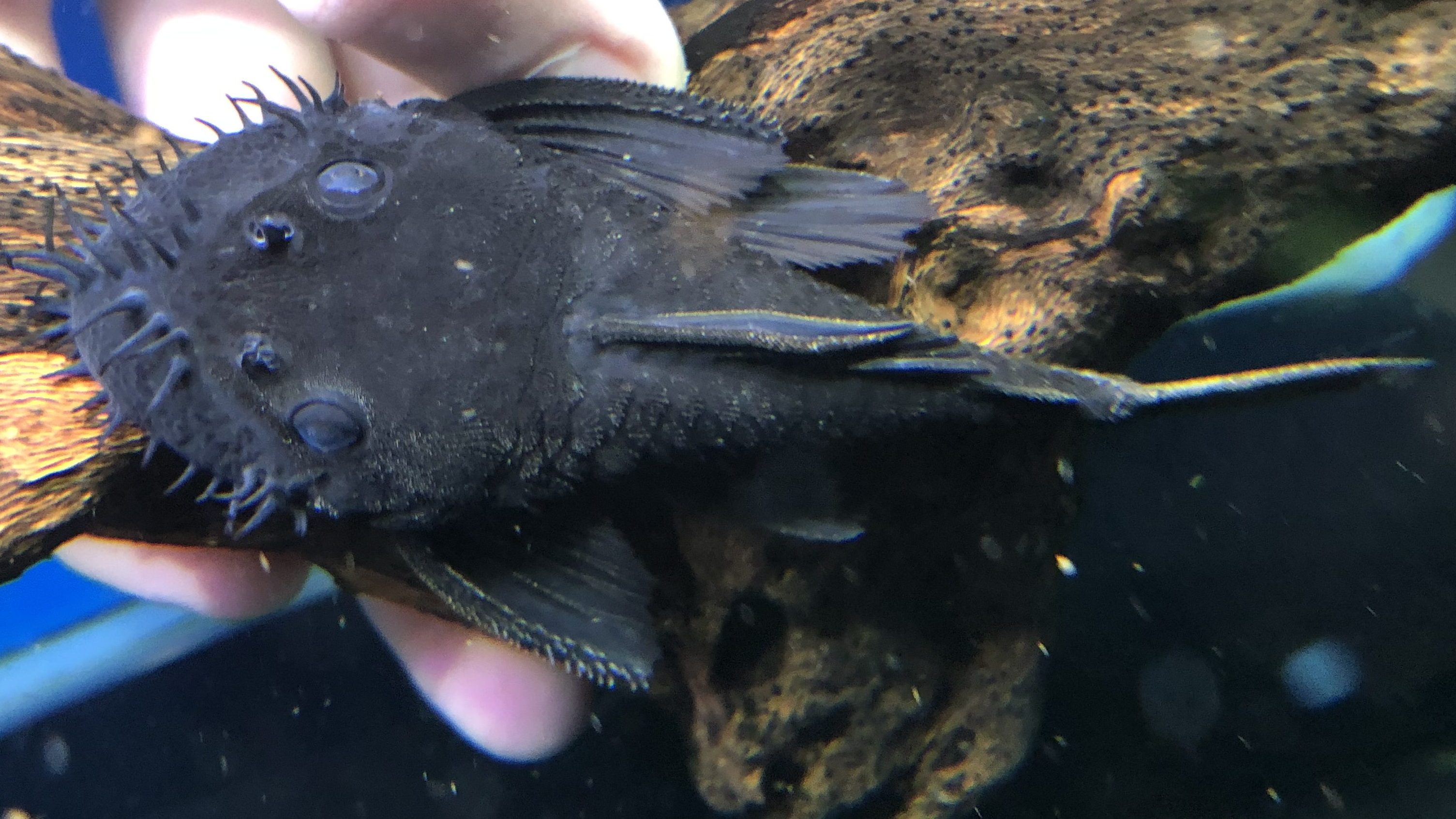
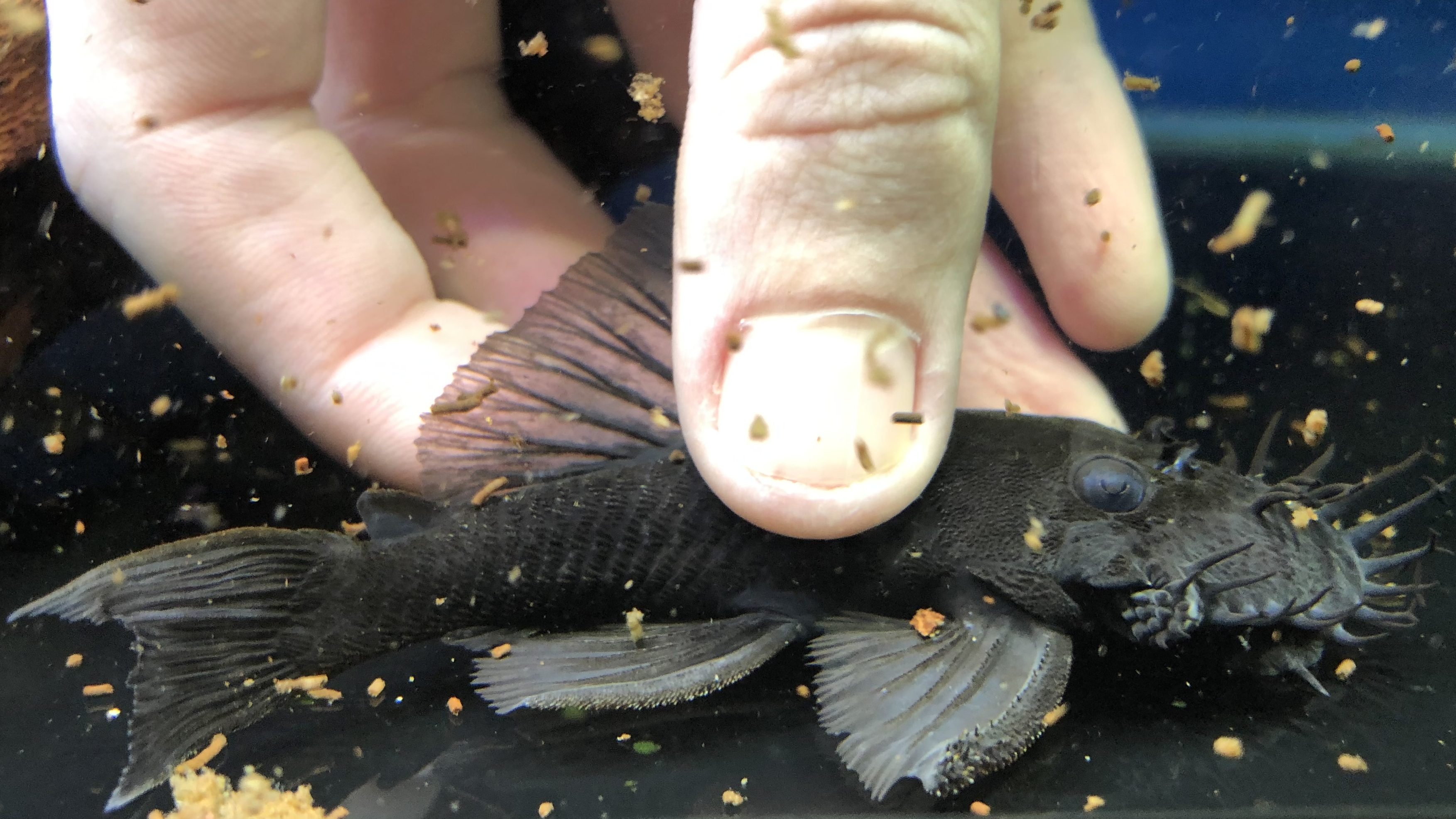
Ancistrus ranunculus Muller et al., (1994)

Common name: L034

Location: Rio Xingu, Brazil

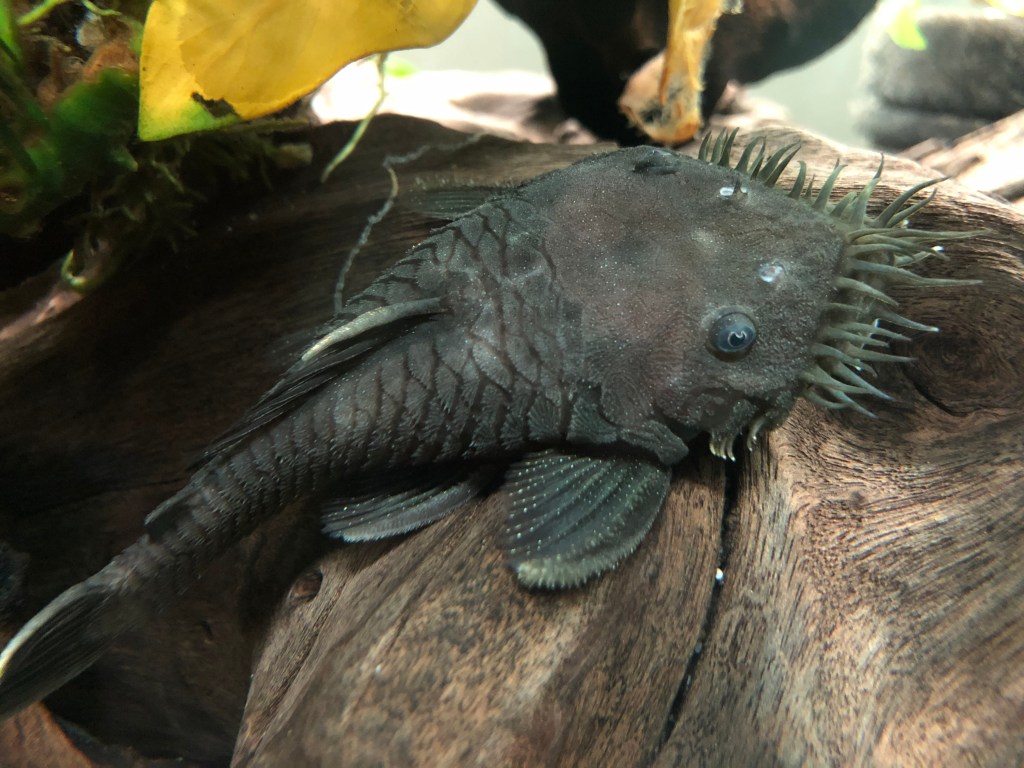
Diagnosis: This is one of the most extreme Ancistrus. This species displays a wide, flat, triangular head. The name ‘ranunculus refers to tadpole and this species definitely looks like the flattest and widest of tadpoles. Some what variable in body shape.

Males and females display very impressive tentacles, males do display often a double row of these tenatacles who are slightly larger. Either way females are often confused with being male.

Colouring is solid black with maybe a little of a blue tinge but not much. When stressed they often express white patches. Juveniles can be spotted in some variants they can have very small almost invisible spotting to maturity.

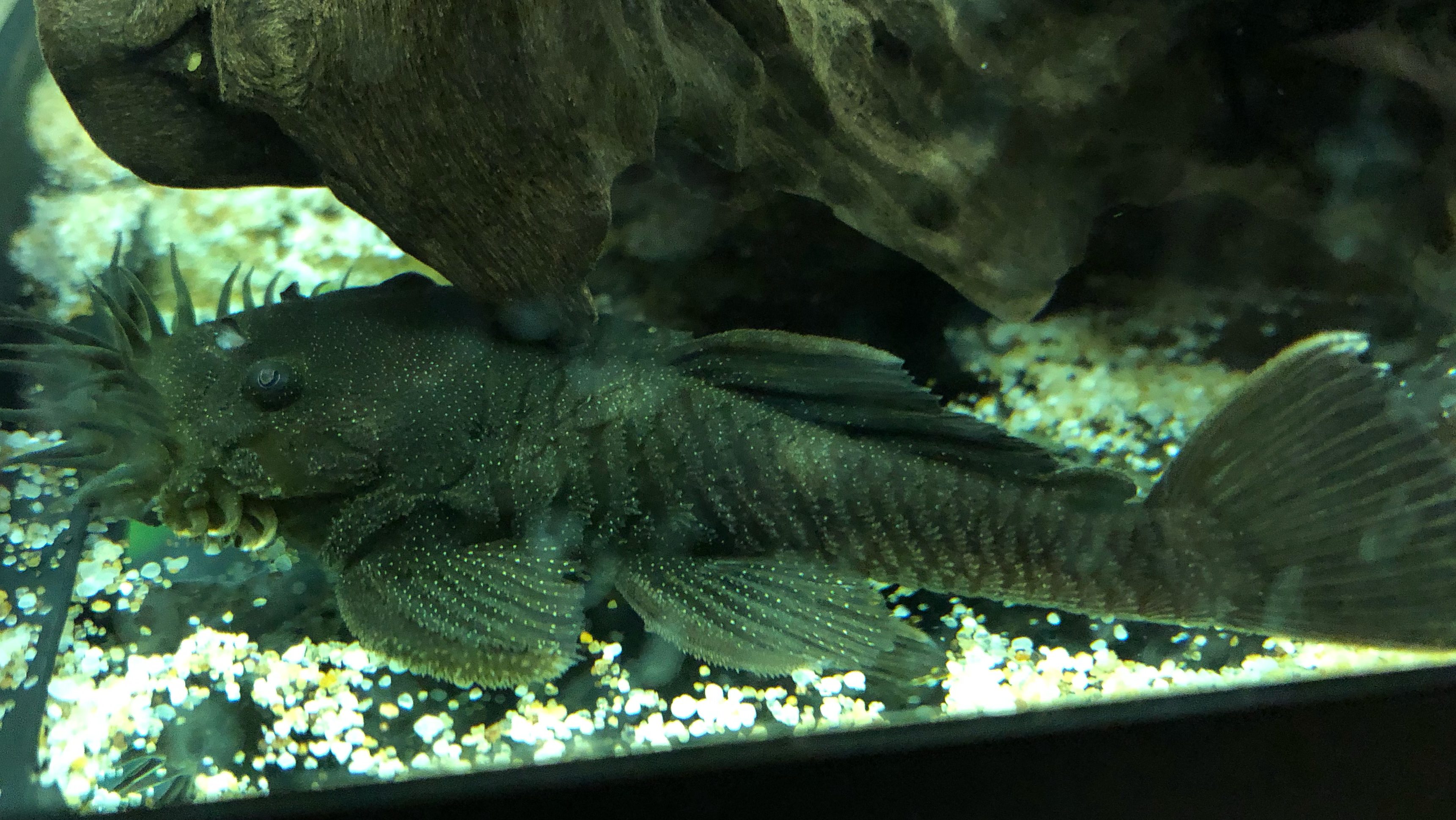
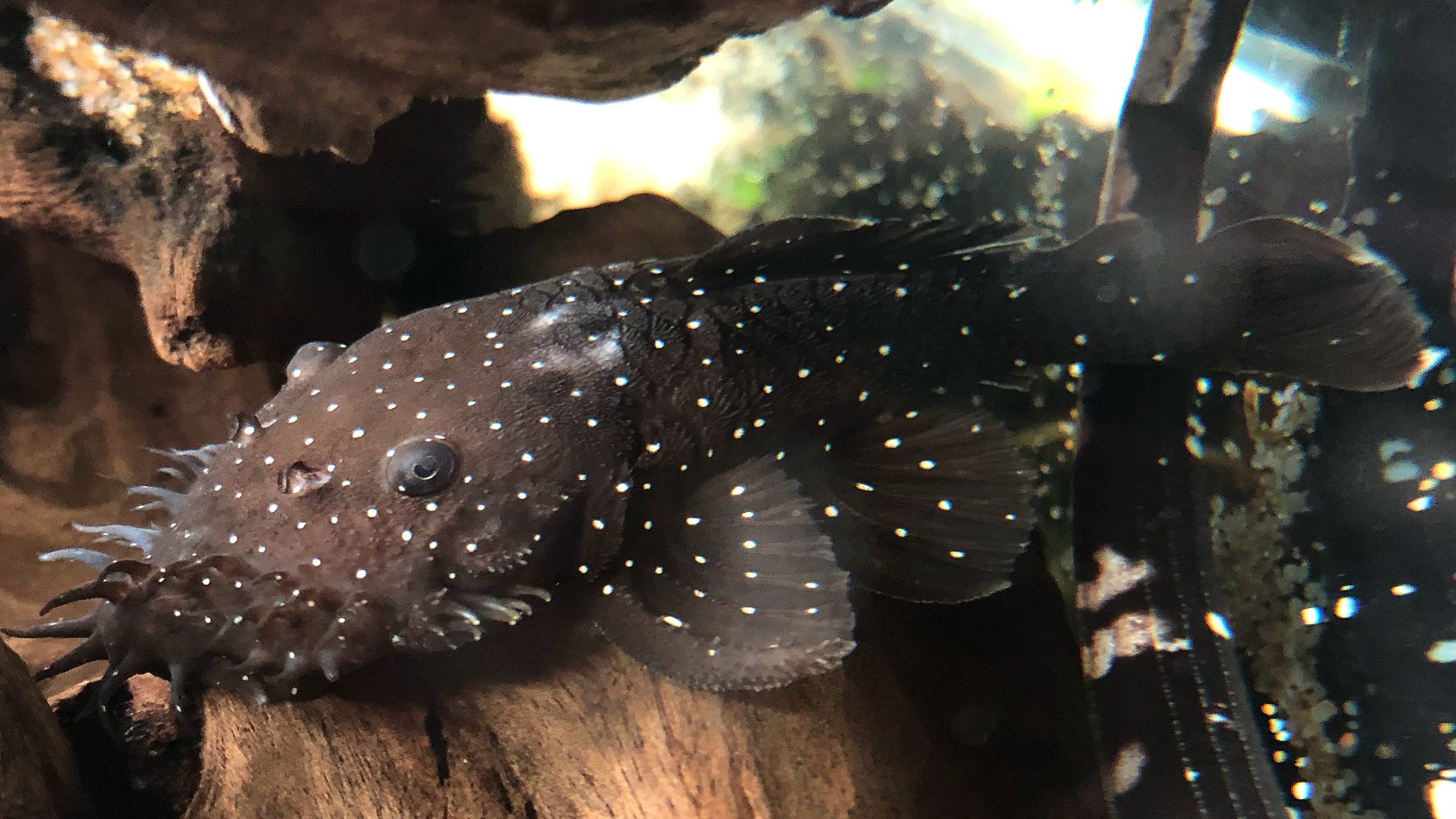
Ancistrus sp.

Common name: L255, spotted medusa pleco.

Location: Rio Xingu, Brazil

Length: 15cm SL

Diagnosis: This is very very similar to Ancistrus ranunculus although displays spotting into maturity which doesn’t disappear when relaxed. They are very striking and could be confused if it was not for that flat, triangular body shape with A. dolichopterus and other spotted Ancistrus.

Debatable if a new species or not.

Ancistrus macropthalamus Pellegrin (1912)

Common name: LDA074, blue medusa pleco.

Location: Rio Orinoco, Columbia

Length: 7-10cm SL.

Diagnosis: Flat with larger but rounder head then Ancistrus ranunculus. It is very unusual in comparison regarding eye placement to many Ancistrus.

Colouration is much more with a blue tinge and can be spotted but usually not into maturity.

Tentacles tend to be equal size between both sexes.

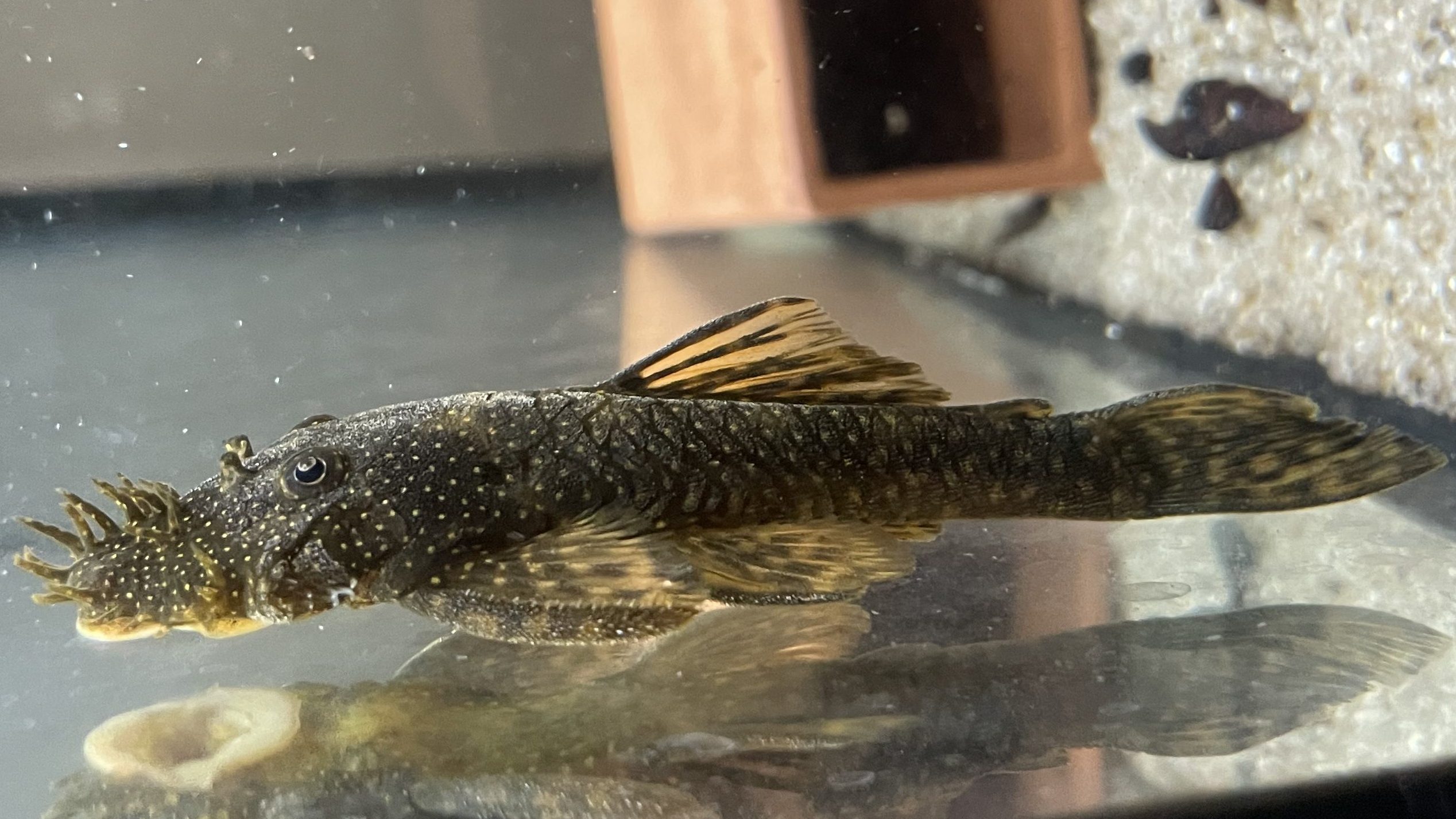
Ancistrus aguaboensis Fisch-Muller et al. (2001)

Common name: L032, green medusa pleco.

Length: 5cm SL.

Location: Rio Tocatins, Brazil.

Diagnosis: Almost much more like the traditional small Wild Ancistrus. It is some what of a flat head but not particularly wide.

Colouration is a brown/green tone with white spots, nothing impressive.

Tentacles are very sexually dimorphic and while females have tentacles are much smaller.

The Locality Clue

I have to empathise how important the difference in locality is. Always ask where these fishes were imported from as they will not be imported from other countries then their locality listed here. Ancistrus ranunculus is a Brazilian species and this is the biggest mistake as people will sell the Columbian Ancistrus macropthalamus under this name and label.

Husbandry

Not the focus of this article but half a warning. The morphology of these Ancistrus is based on high velocity of water not just that but high temperatures, 28c or more. I’ve tried lower at 26c and it was an awful failure, I don’t just say this from my experience. The Rio Xingu for Ancistrus ranunculus and Ancistrus sp. ‘L255’ rarely if ever dips below 28c (Rofrigues-Filho et al., 2015). Even below they struggle to feed. The other aspect is that as temperature increases oxygen saturation decreases and these are high velocity fishes so a good current is important either a powerhead, wavemaker or a strong air pump.

Many of these Ancistrus are gregarious, social but none more so then the Ancistrus ranunculus and Ancistrus sp. ‘L255’. It came to my notice when I saw so many people struggling but everyone with success had theirs as a group. Even in the ecological and species description of Ancistrus raununculus notes them as gregarious listed as unlike Hypancistrus zebra (Muller et al., 1994). These fishes generally are social in their own space but it goes elsewhere to where they might struggle to feed otherwise.

Diet might be one of the most important aspects of many fishes husbandry, it also is maybe the most forgotten. Most Ancistrus lack any dietary information although Ancistrus ranunculus has some records suggesting they are almost entirely algivores (Zuanon, 2019). Maybe there is evidence to suggest much more diversity to the genus. Generally this genus is very specialist and I cannot empathise the importance of Repashy soilent green.

Ancistrus is one of the most misunderstood genera maybe because everyone sees the common bristlenose, Ancistrus sp. who is largely much more hardy. There are slow feeding species who don’t compete well but could be much more successful in captivity if not treated like side on. They definitely require a tank being considered around them and while I’d love to see more species in the hobby I’d love there be more demand for treating this genus as it is, a pain!

References:

Fisch-Muller, S., Mazzoni, R. & Weber C. (2001). Genetic and morphological evidences for two new sibling species of Ancistrus (Siluriformes: Loricariidae) in upper rio Tocantins drainage, Brazil. Ichthyological Exploration of Freshwaters. 2(4): 289-304.

Muller, S., Rapp Py-Daniel, L. H. and Zuanon, J. (1994). Ancistrus ranunculus, a new species of loricariid fish (Siluriformes: Loricariidae) from the Xingú and Tocantins rivers, Brazil. Ichthyological Exploration of Freshwaters. 5 (4): 289-296.

Pellegrin, J. (1912). Description d’un poisson nouveau de l’Orénoque appartenant au genre Xenocara. Bulletin de la Société Zoologique de France. 37:271-272.

Rodrigues-Filho, J. L., Abe, D. S., Gatti-Junior, P., Medeiros, G. R., Degani, R. M., Blanco, F. P., Faria, C. R. L., Campanelli, L., Soares, F. S., Sidagis-Galli, C. V., Teixeira-Silva, V., Tundisi, J. E. M., Matsmura-Tundisi, T. and Tundisi, J. G. (2015). Spatial patterns of water quality in Xingu River Basin (Amazonia) prior to the Belo Monte dam impoundment. Brazilian Journal of Biology, 75(3).

Zuanon, J. A. S. (1999). “História natural da ictiofauna de corredeiras do rio Xingu, na região de Altamira, Pará” Unpublished Thesis. Dept. Ecologia Universidade Estadual de Campinas : Campinas, SP