Category Archives: Diet/Food

Rebecca’s Menu for Pleco’s 2025

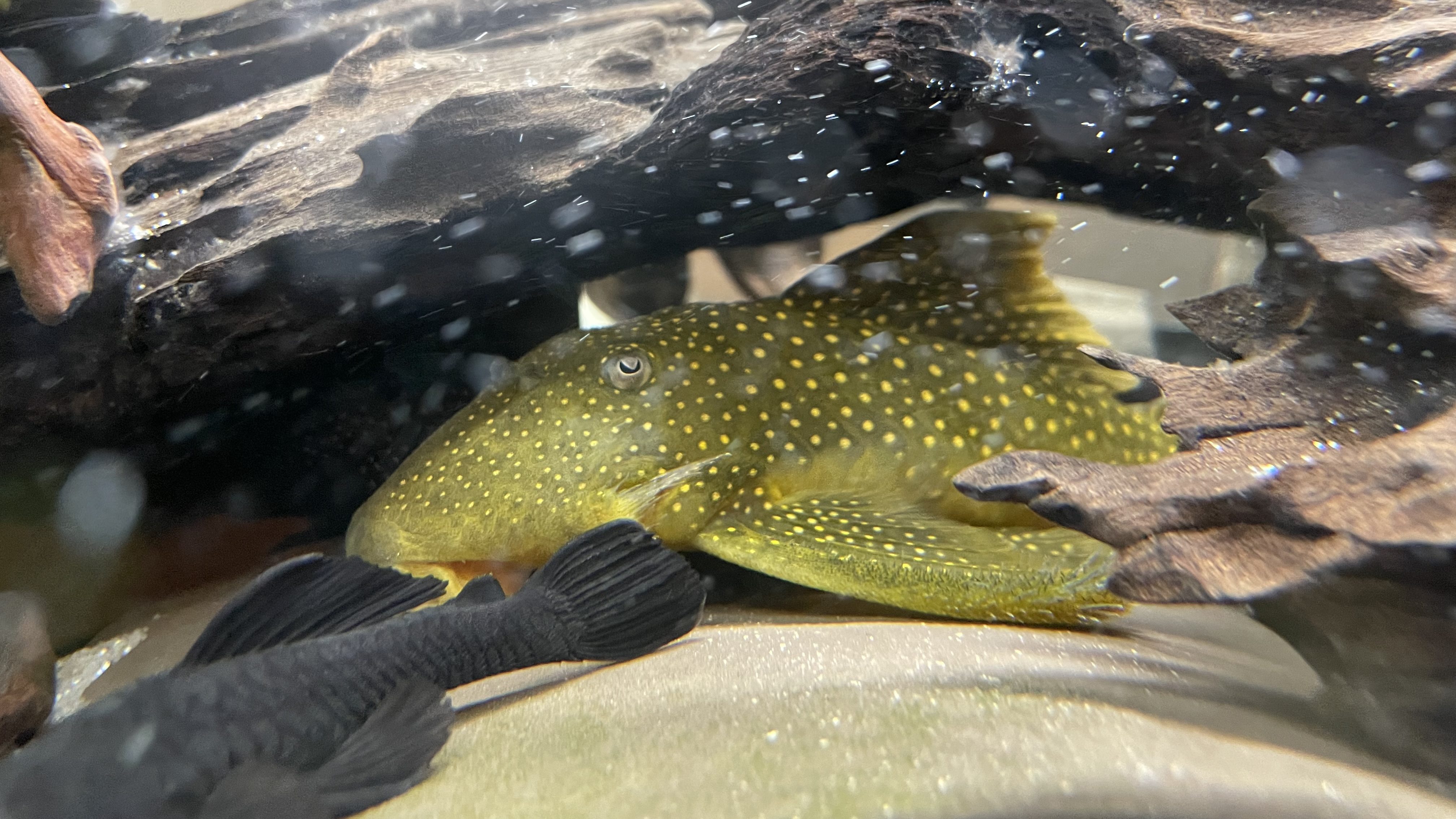
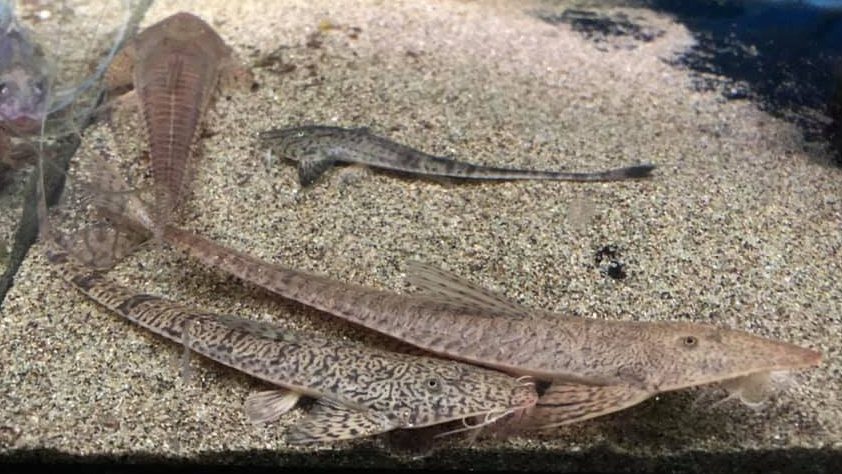
I commonly get asked what I’d feed different groups of pleco’s and it does vary by the pleco, Loricariid but also by what is available in your country. Some genera are more generalist and forgiving then others, some will withstand a less then ideal diet for maybe a few decades and others a few months/days.

While I would love to provide more details some I cannot list yet or am not entirely clear on some aspects of a species dietary ecology. So this should hopefully help for now.

I shall split it up by diet, some species might feed on a different diet to what you expect so please search for the genus/species.

The majority of Loricariids are algivores and detritivores so this contains the larger amount of categories.

Algivores

This is one of the largest categories as many Loricariids specialize in different algae’s, biofilms etc. But due to mode of feeding and availability of ingredients I will kind of have to generalize. Due to this the algae growing in the aquarium might be the wrong species so the fish might not feed on it, regardless any algae in the aquarium will not sustain most species long term.

Prepared diets:

  • Repashy Super Green
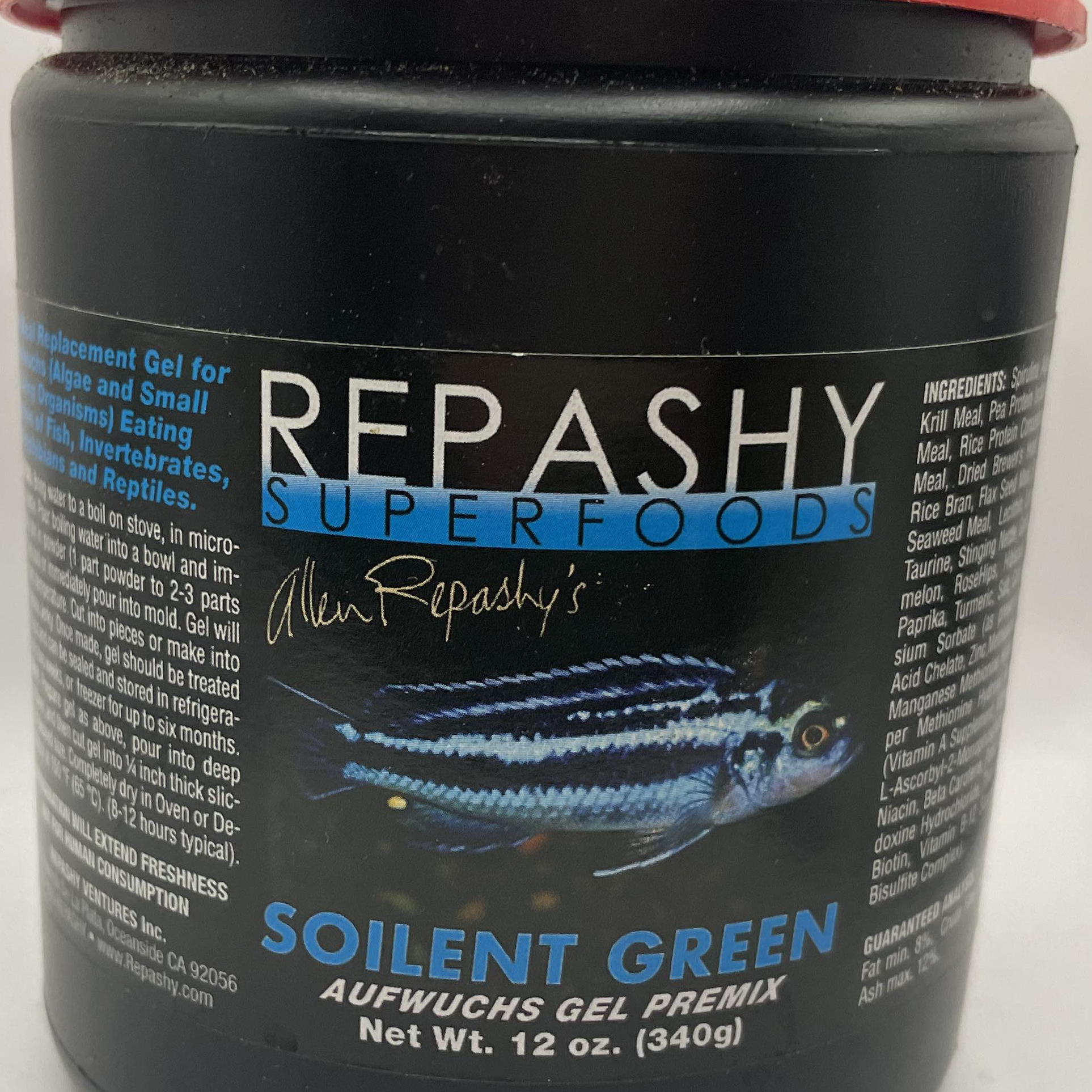
  • Repashy Soilent Green (you can add in extra algae powders to bulk it out, fishes seem to prefer this diet).

Making your own Algivore Diet

This is a trial as it seems Repashy is becoming unavailable in many countries. I have done many different trials and tests but am still developing something.

Nutritional ingredients:

These are the main ingredients and should make up at least 80% of the nutritional ingredients used but can makeup the whole diet minus gelling agents (Vucko et al., 2017). Percentages might vary, ideally try to include higher volumes of those highlighted in bold, not all will be available so try to include as wide of a diversity of possible. High spirulina content might take a while for the fishes to get used to. Seaweeds will need to be blended or might not be eaten.

  • Chlorella algae (Vital)
  • Spirulina algae (Vital)
  • Seaweed meal (Vital)
  • Kelp meal (vital)
  • Wakame algae (vital)
  • Nori (Vital)
  • Bladderwrack
  • Other human consumption seaweeds and algaes.
  • Potentially mosses, never tried but are recorded in Loricariid diets.

Herbal ingredients:

These should be very limited excluding the mushrooms I wouldn’t go above around 1-2% per ingredient.

  • Paprika, associated with red enhancing.
  • Mushrooms, dried or powdered while not entirely known it is potential they feed on fungi in the wild. While edible mushrooms might not be the same taxa it does seem to be a taste enhancer for fishes at least.
  • Basil, associated with improved physiological and immunological health while being an attractant (Mansour et al., 2023).
  • Ginger, feed attractant and immunological support (Ahmad et al., 2024).
  • Garlic, I don’t always use it but feed attractant with potential immunological support but can cause liver damage.
  • Seeds, particularly found in the guts of Hypancistrus and potentially Peckoltia. Higher in fats and proteins.

Gelling agents:

I would recommend using carrageenan powder due to it lasting longer then the alternatives. I would use this regardless as to whether it is a carnivorous or herbivorous diet.

Who are the algivores that we keep?

  • Ancistrus
  • Baryancistrus
  • Dekeyseria
  • Farlowella
  • Hemiancistrus
  • Hypostomus
  • Isorineloricaria
  • Lamontichthys
  • Lasiancistrus
  • Nannoptopoma
  • Otocinclus
  • Panaque
  • Panaqolus
  • Parancistrus
  • Parotocinclus
  • Pseudancistrus
  • Pseudorinelepis
  • Pterygoplichthys
  • Rhinotocinclus
  • Spectracanthicus zuanoni/punctasissimus
  • Sturisoma/Sturisomatichthys

This diet will cover most of Loricariidae but particularly these genera, while they might be also more detritivorous in the wild this is the closest we can get to their natural diet.

Regarding Hypancistrus, Peckoltia and potentially Panaqolus I would add seeds to their diet and maybe look at the addition of infrequent invertebrates.

A little more carnivorous

If you want to increase the volume of carnivorous ingredients, Loricariids don’t consume fishes in the wild so we will be looking at invertebrates. Due to the presence of thiaminase in some ingredients I do not recommend the frequent use of mussels or prawns.

So as you’re looking more into carnivory I would increase the volume of these ingredients, luckily for carnivorous ingredients you could feed as a frozen or live food they have to forage.

Ingredients:

  • Daphina
  • Brine shrimp
  • Tubifex
  • Bloodworm (Chironomatid larvae).
  • Cockels
  • Mysis
  • Red plankton
  • Ant eggs
  • Earthworms
  • Cyclops
  • Whiteworms
  • Blackworms
  • Vinegar worms

What about molluscivores?

Scobiancistrus, Leporacanthicus, Pseudohemiodon, Loricaria and Planiloricaria are likely capable on feeding on mussels and occasionally this is proven. A diversity of snails can be trialed for the Scobinancistrus and Leporacanthicus larger species such as Ampulluridae would be ideal as these are evolved to extract snails from their shells, escargot snails that are not treated with garlic would be interesting to explore. For others then smaller snails whether it be juveniles of harder species of pest snails.

Plant eaters

Realistically many Loricariids do not consume traditional plants so often these are best to identify if a fish is feeding or not. Some very broad generalist taxa might consume more like Pterygoplichthys and Hypostomus.

Using other premade foods as a base.

This is largely only possible with gel diets but possibly some pastes. The main rule is not to add so many that the gelling agent doesn’t hold as well as it used to but also this will depend on how fast your fishes feed.

What base diets can you use?

  • Repashy. It does have a wide range of other ingredients.
  • In the Bag Tropical Fish UK’s pleco pops. Very strong gelling agents and true carnivorous and herbivorous diets.
  • EBO pastes
  • Tropical’s gels/pastes

Testing diets to identify if they are being used.

Glass petri dishes can be ideal here as they sink and are inert, you can pipette or place food on and ideally it will not be disturbed over the time you are not observing the food being eaten. Therefore it can be a reliable method of identifying what is taken and what is not.

References:

Ahmad, I., Irm, M., Ahmed, I., Haoran, Y., Taj, S., Bhat, T. A., … & Amin, A. (2024). Role of ginger in fish nutrition with special emphasis on growth, health, gut and liver morphology. Journal of the World Aquaculture Society55(6), e13101.

Mansour, A. T., Diab, A. M., Khalil, R. H., Eldessouki, E. A., El-Sabbagh, N., Elsamannoudy, S. I., & Younis, N. A. (2023). Physiological and immunological responses of Nile tilapia fed dietary supplementation of sweet basil ethanolic and aqueous extracts. Frontiers in Marine Science9, 1064455.

Vucko, M. J., Cole, A. J., Moorhead, J. A., Pit, J., & de Nys, R. (2017). The freshwater macroalga Oedogonium intermedium can meet the nutritional requirements of the herbivorous fish Ancistrus cirrhosus. Algal research27, 21-31.

What to feed your pleco when they wont eat.

Loricariidae, also known under the common names L numbers, whiptail catfishes and pleco’s are popular fishes within the aquarium trade. Many people will come across the problem in their new fish where they will not eat and in fact they might never eat.

Worming

The first sign might be that the fish might have a concaved stomach and the first solution will be to worm the fish. I doubt this is the usual cause of the concave stomach in Loricariid’s but it is worth crossing out, Loricariids do quite frequently have parasitic worm’s (usually nematodes rather then Annelid’s) in the wild and these will maintain at a low level (Borges et al., 2018). If a fish is stressed such as from import this parasite load can become much higher then a healthy level. So there is logic in worming fishes when they arrive and most stores do this. Most wormers cover different internal parasites but the most common would be containing praziquantel, levamisole and flubendazole (do not use with stingrays). I would personally advise definitely not using more then one as they do all have side effects. Generally wormers need to be repeated after a week to cover the parasites lifecycle.

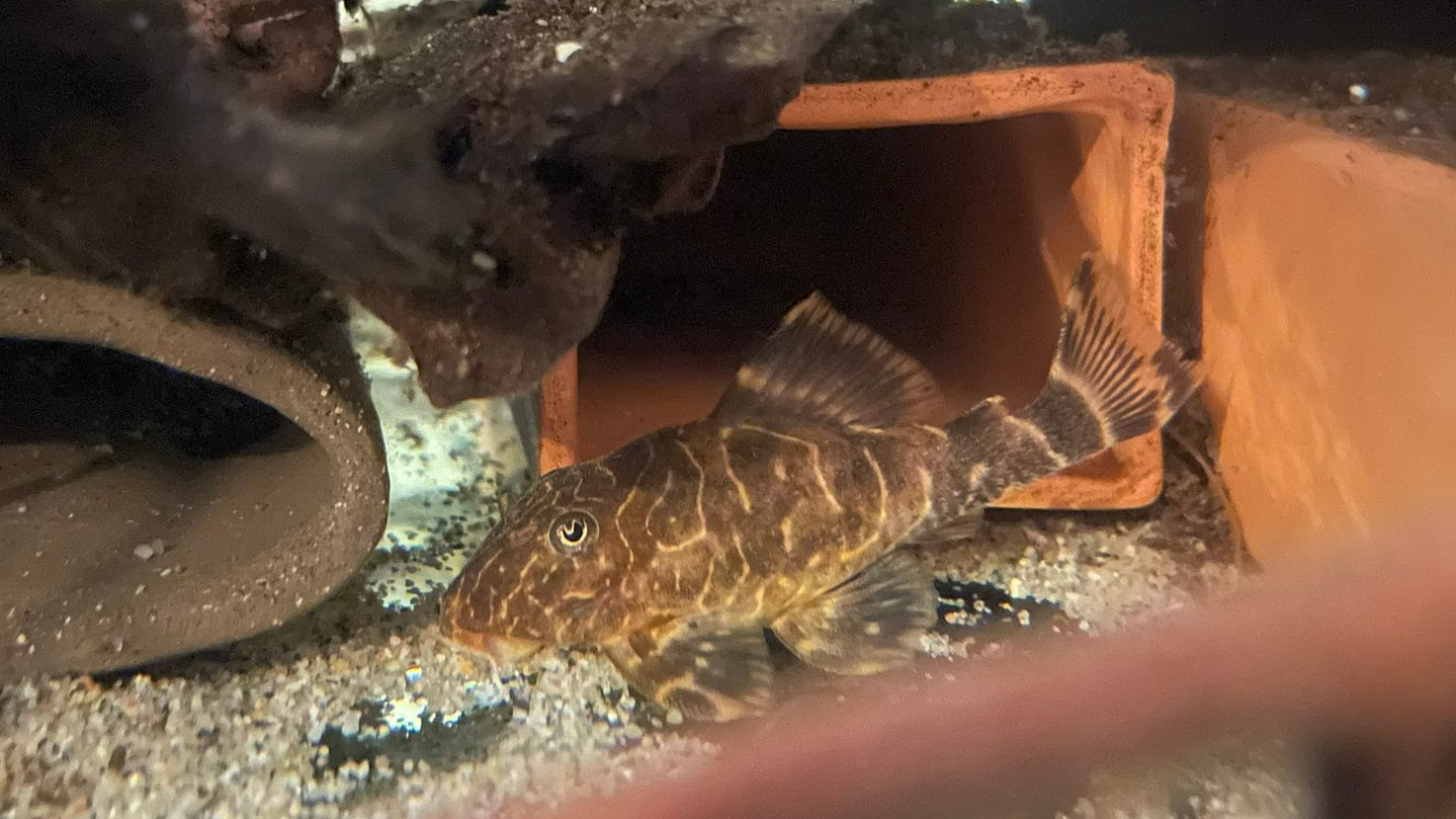
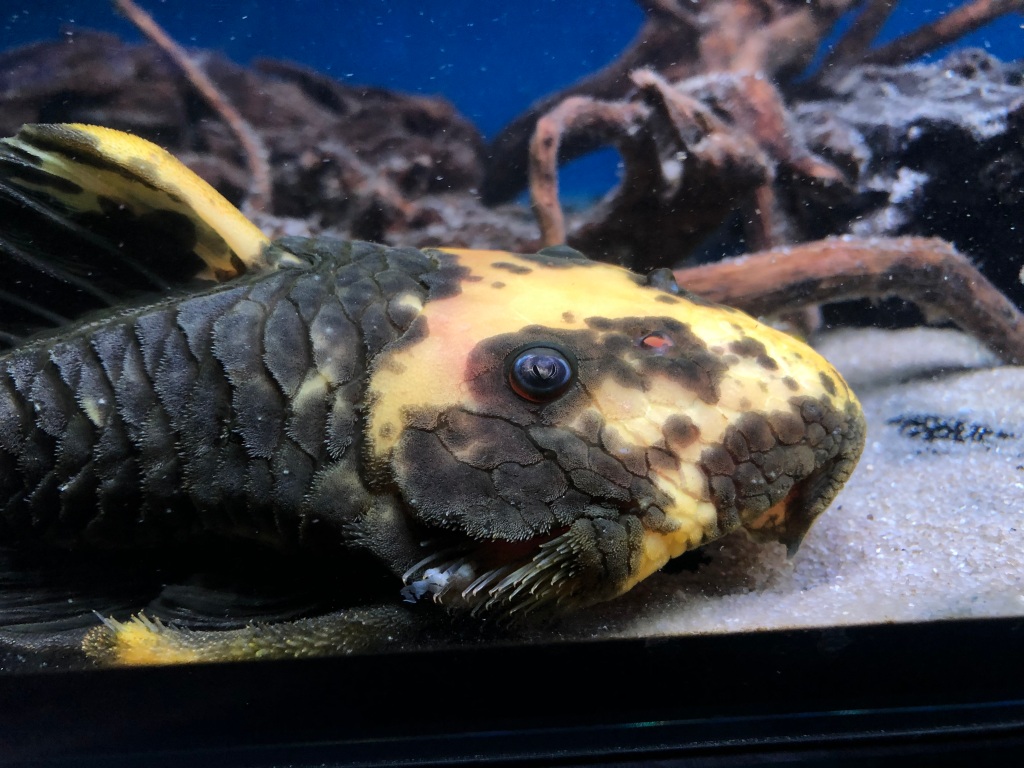
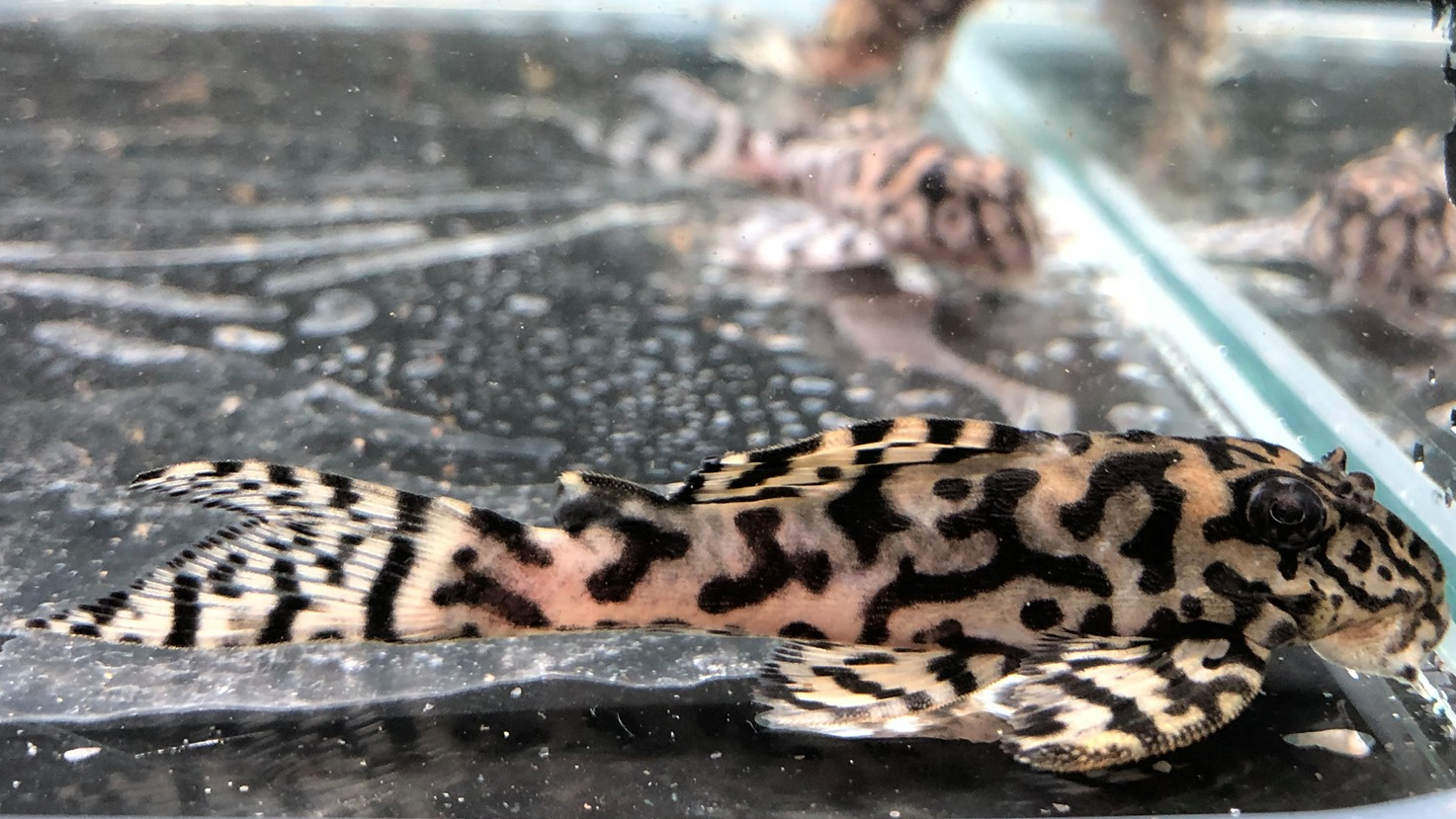
Panaqolus aff. maccus

The importance of getting the fish feeding.

While a rounded and healthy diet is important for wild caught fishes particularly they do need to feed. It is quite a large jump for many from a wild diet to a captive diet and many might not even identify it as food.

More importantly it is possible that the gut flora, microbes will start to decline in number while they are not eating and for shipping this is useful but not for keeping the fish. One possible thing that could help this is rather then adding them to a clean quarantine tank is to one where other similar species have lived, there is likely a benefit from those fishes waste in rebuilding that gut flora lost after shipping.

What should I feed my fish?

First identify what they eat, so their natural diet. While most diets contain the steryotypical fish/insect/krill meal, cereal, vegetable and minimal algae diets this is no issue in the short term but many wont touch these diets at first. So regardless of long term them being vastly different from their natural diet and homogenous whether you have a Trophius, Loricariid or angelfish they actually are the same (Vucko et al., 2017); they can also be unhelpful.

One day I will create a proper list of what Loricariid eats what as far as we know but currently I cannot. I do have articles on some commonly misunderstood fishes; Hypancistrus (zebra, king tigers, queen arabesque, snowball pleco, L236 etc.), Panaque and Panaqolus (royal pleco’s, flash pleco and the clown pleco’s), substrate dwelling Loricariinae (Pseudohemiodon, Planiloricaria etc.), Baryancistrus (gold nugget pleco, mango/magnum pleco, snowball pleco), mollusc specialists (Scobinancistrus, goldie/sunshine pleco, vampire pleco, galaxy pleco, Leporacanthicus), Chaetostoma (Rubbernoses and one of the bulldog plecos) and finally algivores/detritivores. Maybe some more will be created in the future.

This is important as feeding an incorrect diet can lead to bloat and other issues, it has been commonly noted when Hypancistrus are fed a wholly carnivorous diet.

Carnivorous species

This is only for true carnivores but aspects of this can be fed to others in small numbers with care, avoid it with some of the more extreme algivores such as Ancistrus, Chaetostoma, Baryancistrus etc.

Mussels and prawns are very good for getting a fish feeding at first but the issue with these two food items at high in thiaminase and therefore degrade thiamin, vitamin b1.

Generally for this reason I’d advise a range of frozen foods and for some larger species earthworms might not be a bad choice.

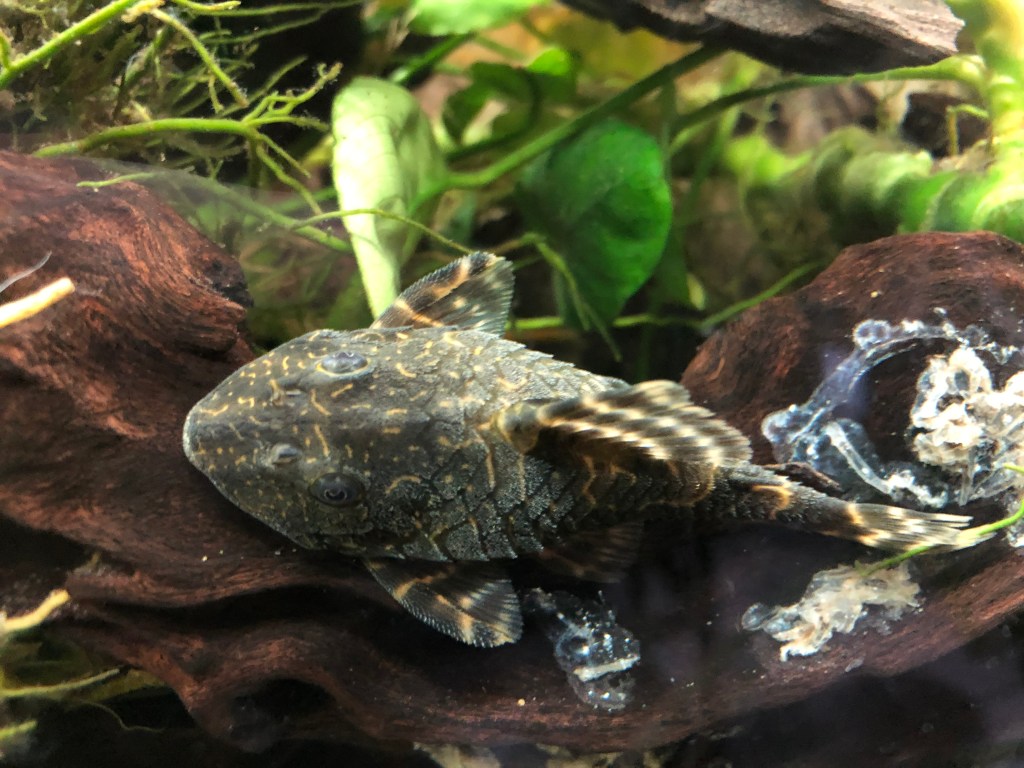
Nannopotopoma sp. ‘Peru/robocop’ at Maidenhead Aquatics at Ascot

Algivores and Detritivores

This includes most Loricariids that people keep to some degree but the specialities within their diet are best looking at later.

These are definitely the most tricky to get feeding at first and I often give a range of options even at the same time. Generally I’d offer that dry/gel diet once or twice a day and vegetables replaced every 12-24 hours depending on how quickly they are braking down.

For dry/gel diets I’d offer certainly Repashy soilent green if possible as I’ve never had a fish fail to give it a go. Later on I’d bulk it out with other ingredients such as algal powders, you could do similar with other gel diets but I can’t say fishes are going to take up them as well. At the end of the day whatever they are eating in the short term is worth it. Remember vegetables and similar are more treats as do not even closely replicate their wild diets.

Vegetables and other easy food items you can leave in for the fishes:

CourgetteReasonable in nutrition, is willingly eaten by many fishes but they might select either the flesh or skin over the other.
CucumberWhile often declared as low nutrients due to water content they do contain minerals and other compounds that have nutritional value.
Mushrooms (Edible species from supermarket)Could be part of a staple diet for Panaqolus, Panaque and Hypostomus cochliodon group as they do feed on fungi in the wild (Lujan et al., 2011). It is difficult to say the nutrition levels for these fishes as many might be able to digest more so then nutritional estimates for humans. So far mushrooms are shown to increase weight gain opposed to traditional diets (Zakaria et al., 2021; Dawood et al., 2010), a potential prebiotic (Chandra & Qureshi, 2023) and other potential benefits (Sánchez-Velázquez et al., 2014)
Sweet PotatoesThese doesn’t need to be blanched and I am not convinced by their digestibility for Loricariids (Omoregie et al., 2009) but if they can get the fish feeding that is what matters.
Further on I find whether fishes feed on these more hit and miss.
Green beansThe common bristlenose, Ancistrus sp. is meant to be a big fan of this. Nutrition doesn’t need to be debated but as a plant would be more of a treat after acclimation.
Bell peppersI don’t think it entirely matters whether the pepper is red, yellow or green but the sugar and nutrition levels will vary.
Pumpkins and other squashesI find very hit or miss but never blanched them. They can break down very quickly producing a film over the fruit. I would say they are much more similar to courgette.

Later on and narrowing down the diet

While whatever they will eat is generally the best rule as they are acclimatizing over the first few weeks and months. Afterwards I would look to narrowing down their diet to what they would feed on in the wild as in the articles mentioned earlier on.

Is the setup right?

This sometimes get’s forgotten but a major part of why a fish might not be feeding could be they are not getting to the food. Loricariids are slow to feed, some might take hours even without lights to feed and this can make some tankmates ill-suited. Some tankmates might work better where if needed you can remove them to another tank so that is worth considering particularly for many cichlids, many shoaling species in very high numbers or quite a few live numbers.

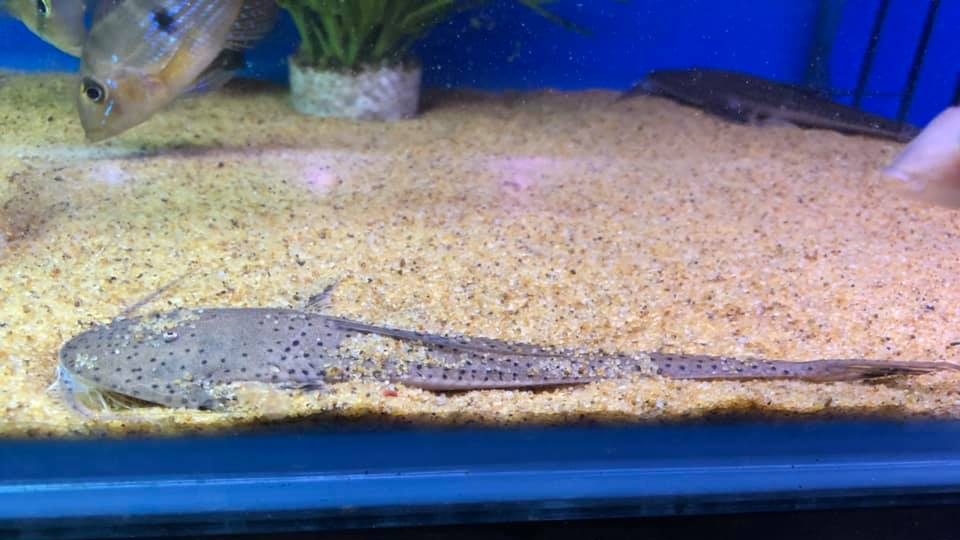
Planiloricaria cryptodon at Maidenhead Aquatics at Ascot.

References:

Borges, W. F., de Oliveira, M. S. B., Santos, G. G., & Tavares-Dias, M. (2018). Parasites in Loricariidae from Brazil: checklist and new records for fish from the Brazilian Amazon. Acta Scientiarum. Biological Sciences40, 1-9.

Chandra, O. P., & Qureshi, Y. (2023). Importance of mushroom supplementation as a prebiotic amalgamation in fed diet of improvement of weight gain (WG) in Nile Tilapia,(Oreochromis niloticus). Journal of Pharmaceutical Negative Results, 1681-1687.

Dawood, M. A., Eweedah, N. M., El-Sharawy, M. E., Awad, S. S., Van Doan, H., & Paray, B. A. (2020). Dietary white button mushroom improved the growth, immunity, antioxidative status and resistance against heat stress in Nile tilapia (Oreochromis niloticus). Aquaculture523, 735229.

Lujan, N. K., German, D. P., & Winemiller, K. O. (2011). Do wood‐grazing fishes partition their niche?: morphological and isotopic evidence for trophic segregation in Neotropical Loricariidae. Functional Ecology25(6), 1327-1338.

Omoregie, E., Igoche, L., Ojobe, T. O., Absalom, K. V., & Onusiriuka, B. C. (2009). Effect of varying levels of sweet potato (Ipomea Batatas) peels on growth, feed utilization and some biochemical responses of the cichlid (Oreochromis Niloticus). African Journal of Food, Agriculture, Nutrition and Development9(2), 700-712.

Sánchez-Velázquez, J., Peña-Herrejón, G. A., & Aguirre-Becerra, H. (2024). Fish Responses to Alternative Feeding Ingredients under Abiotic Chronic Stress. Animals14(5), 765.

Vucko, M. J., Cole, A. J., Moorhead, J. A., Pit, J., & de Nys, R. (2017). The freshwater macroalga Oedogonium intermedium can meet the nutritional requirements of the herbivorous fish Ancistrus cirrhosus. Algal research27, 21-31.

Zakaria, Z., Abd Rasib, N. A., & Tompang, M. F. (2021). Spent mushroom substrate based fish feed affects the growth of catfish (Clarias gariepinus). In IOP Conference Series: Earth and Environmental Science (Vol. 765, No. 1, p. 012082). IOP Publishing.

Premixed foods for plecos (Loricariids) and other rasping fishes.

Choosing fish foods can be very confusing, there are many products on the market all with various claims. The majority of fish diets are formulated based on the nutrition for food fishes, these diets have an aim to have a high growth rate while minimizing costs, efficiency would be the best term. The aim of the ornamental aquarist is far from that, we want a long lived healthy fish with good coloration. The nutritional composition requirements are differ between the two aims (Vucko et al., 2017). This has resulted in many diets not catering for the aim of the fishkeeper and no where is this more obvious then diets aimed at plecos, Loricariids.

  1. Catering for Algivores/detritivores.
  2. Catering for Carnivores.
  3. Other niches and specialization.
  4. Will they eat it?
  5. Premade diets and their ingredients
  6. The hidden issue with premade diets
  7. Products sold for plecos

The majority of Loricariids are algivores or detritivores, but there is a diversity of dietary niches (Lujan et al., 2015). Contrastingly many products labelled as pleco or algae wafers/pellets contain little to no algae but higher proportions of fish meal (Vucko et al., 2017). The majority of popular Loricariids are along the lines of algivory or feed on various volumes so this should be a focus for the aquarist. Additionally I have yet to see fish ever recorded in the gut of any Loricariid.

Catering for Algivores/detritivores.

I have written quite a bit about this niche and therefore I recommend reading this article here which covers details into algivory, detritivory and wood eating.

These fishes are the most difficult to cater for giving there isn’t quite the selection of algaes available in any diet. Some of them can be difficult for the fish to take to so hence I find Repashy soilent green good and can then be bulked out with even more algae’s.

Catering for Carnivores.

I am not really discussing carnivores so much in this article as there are many diets that cater for them and in recent years with the focus into invertebrates it is only improving. Still, many diets are very high in fish meals, something Loricariids do not consume and nutritionally these do not compare. Not just can fish meals be different nutritionally, the nutrients can be difficult to access (Žák et al., 2022).

There is a little diversity of carnivory within Loricariidae but we don’t entirely know to what extent. I have written this article for mollusc specialists and although diverse in diets this for dwell in and around the substrate.

The great thing for carnivores is the diversity of frozen foods we have available within the hobby and even fishmongers. Although keep aware for the enzyme thiaminase (in mussels and some fishes) and limit the frequency these are fed to your fishes.

Other niches and specialization.

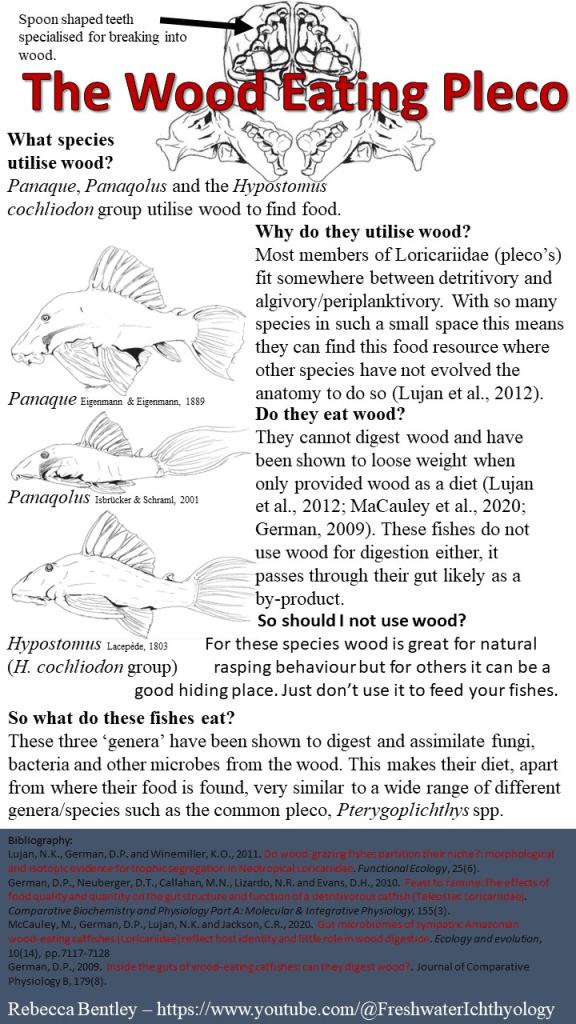
Fungi hyphae are found in the diets of Panaque, Panaqolus and the Hypostomus cochliodon group and are likely digested, mushrooms or mycoproteins would be the closest to replicating this (Lujan et al., 2011). Sadly most diets don’t contain these. It would be interesting to feed wood that has many of these but usually by the point they have obvious hyphae they are almost entirely broken down.

While Hypancistrus are largely algivores, there is evidence a few of them feed on seeds, read about Hypancistrus here. The exception being Hypancistrus vandragti who seems a little more carnivorous in comparison (Lujan & Armbruster, 2011).

Will they eat it?

Something few consider is that just because a diet might be amazing with ingredients they might not eat it. So there are a range of ingredients such as some herbs used entirely to encourage fishes to eat a diet. This has been the issue I’ve found with some that have great ingredients Repashy super green for example.

Premade diets and their ingredients

Premade diets unlike if you were to make anything yourself entirely will have a reasonable range of nutrients. They are best more as a basis to work from for a more well rounded diet.

From these tables it is easy to understand the varying suitability of different diets to different species and genera. The colour coding is only to give an idea as many ingredients have multiple purposes e.g. fish meal can be a binding agent as well as for nutrition.

Ingredients are ordered in quantity so the top of the list contributes the most.

The hidden issue with premade diets

There is a hidden issue, as you look across the table how similar are many of these diets? Many fishkeepers will buy a range of different products in the aim of diversity of nutrition and ingredients. If so many of the ingredients and the orders are similar this means that there is little diversity, the exception would be there the major ingredients are very different.

Products sold for plecos

CompanyRepashy
ProductSoilent GreenSuper GreenBottom scratcherMorning wood
Dietary NicheAlgivoryAlgivoryCarnivoryXylovory
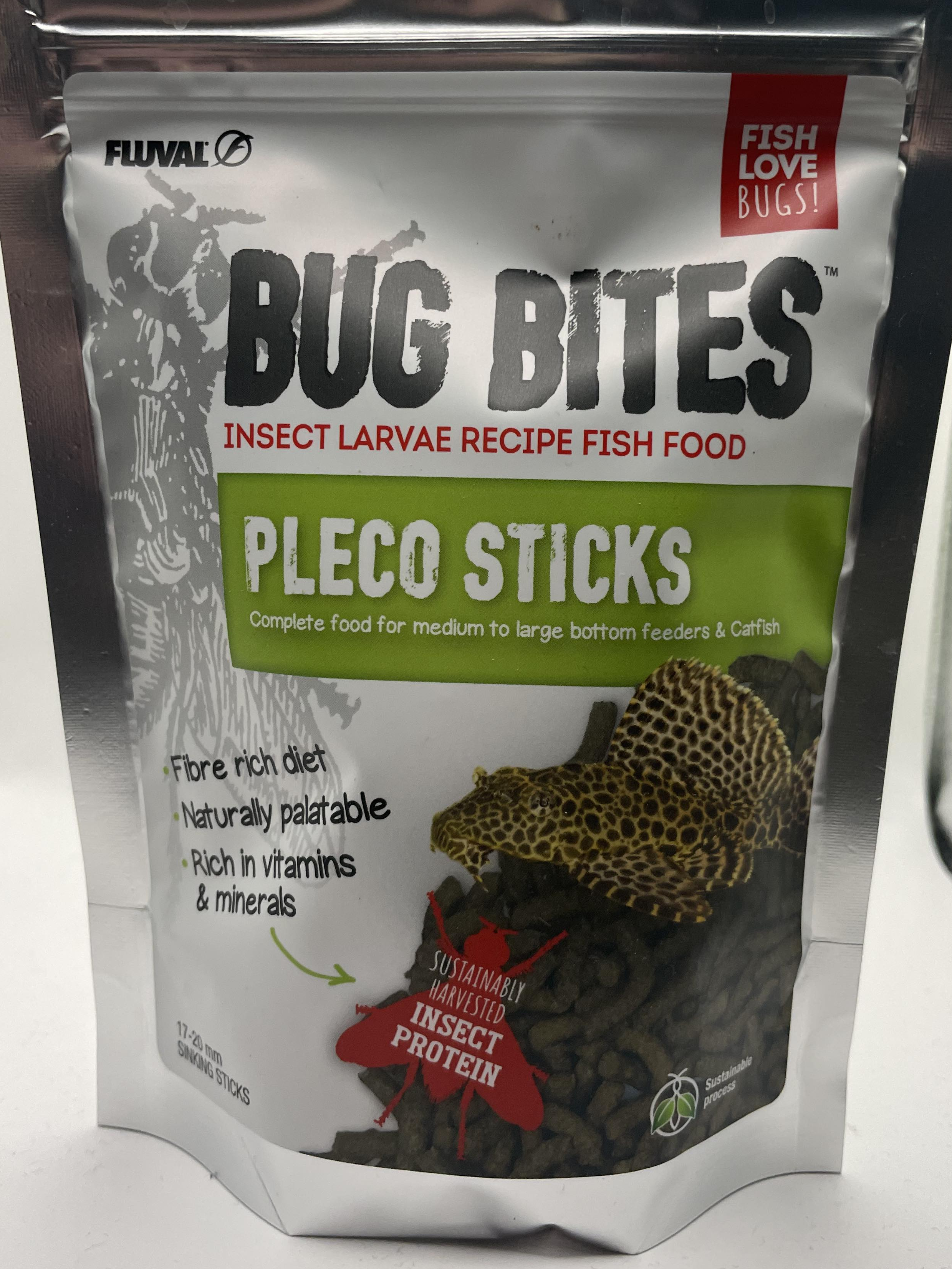
SummaryFishes tend to prefer this diet. Contains mostly algae but has a some animal meals but can be bulked out with more algae’s.Contains no animal products. Fish seem less keen on it. High in algae’s.Contains a diversity of invertebrates. Shouldn’t be fed as the only diet for non-carnivores as can lead to bloat e.g. Hypancistrus.No Loricariids digest wood, cellulose is the main ingredient.
Composition (%):
Protein40354520
Fat88103
Fibre881250
Moisture8888
Ash1291115
Ingredients
Spirulina Algae, Algae Meal (Chlorella), Krill Meal, Pea Protein Isolate, Squid Meal, Rice Protein Concentrate, Fish Meal, Alfalfa Leaf Meal, Dried Brewer’s Yeast, Coconut Meal, Stabilized Rice Bran, Flax Seed Meal, Schizochytrium Algae, Dried Seaweed Meal,  Lecithin, Dried Kelp, Locust Bean Gum, Potassium Citrate, Taurine, Stinging Nettle, Garlic, RoseHips, Hibiscus Flower, Calendula Flower, Marigold Flower, Paprika, Turmeric, Salt, Calcium Propionate and Potassium Sorbate (as preservatives), Magnesium Amino Acid Chelate, Zinc Methionine Hydroxy Analogue Chelate, Manganese Methionine Hydroxy Analogue Chelate, Copper Methionine Hydroxy Analogue Chelate, Selenium Yeast. Vitamins: (Vitamin A Supplement, Vitamin D Supplement, Choline Chloride, Calcium L-Ascorbyl-2-Monophosphate, Vitamin E Supplement, Niacin, Beta Carotene, Pantothenic Acid, Riboflavin, Pyridoxine Hydrochloride, Thiamine Mononitrate, Folic Acid, Biotin, Vitamin B-12 Supplement, Menadione Sodium Bisulfite Complex).Spirulina Algae, Algae Meal (Chlorella),  Pea Protein Isolate, Rice Protein Concentrate, Alfalfa Leaf Powder, Stabalized Rice Bran, Dandelion Powder, Dried Brewer’s Yeast, Coconut Meal, Ground Flaxseed, Schizochytrium Algae, Dried Seaweed Meal, Dried Kelp, Locust Bean Gum, Lecithin,  Potassium Citrate, Taurine, Stinging Nettle, Garlic, RoseHips, Hibiscus Flower, Calendula Flower, Marigold Flower, Paprika, Turmeric, Calcium Propionate and Potassium Sorbate (as preservatives), Magnesium Amino Acid Chelate, Zinc Methionine Hydroxy Analogue Chelate, Manganese Methionine Hydroxy Analogue Chelate, Copper Methionine Hydroxy Analogue Chelate, Selenium Yeast. Vitamins: (Vitamin A Supplement, Vitamin D Supplement, Choline Chloride, Calcium L-Ascorbyl-2- Monophosphate, Vitamin E Supplement, Niacin, Beta Carotene, Pantothenic Acid, Riboflavin, Pyridoxine Hydrochloride, Thiamine Mononitrate, Folic Acid, Biotin, Vitamin B-12 Supplement, Menadione Sodium Bisulfite Complex).Krill Meal, Insect Meal, Mussel MealSquid Meal, Dried Brewer’s Yeast, Dried Seaweed Meal,  Lecithin,  Dried Kelp, Locust Bean Gum, Potassium Citrate, Taurine, Watermelon, RoseHips, Hibiscus Flower, Calendula Flower, Marigold Flower, Paprika, Turmeric, Stinging Nettle, Garlic, Salt, Calcium Propionate and Potassium Sorbate (as preservatives), Magnesium Amino Acid Chelate, Zinc Methionine Hydroxy Analogue Chelate, Manganese Methionine Hydroxy Analogue Chelate, Copper Methionine Hydroxy Analogue Chelate, Selenium Yeast. Vitamins: (Vitamin A Supplement, Vitamin D3 Supplement, Choline Chloride, Calcium L-Ascorbyl-2-Monophosphate, Vitamin E Supplement, Niacin, Beta Carotene, Pantothenic Acid, Riboflavin, Pyridoxine Hydrochloride, Thiamine Mononitrate, Folic Acid, Biotin, Vitamin B-12 Supplement, Menadione Sodium Bisulfite Complex).Cellulose Powder, Dried Seaweed Meal, Alfalfa Leaf Meal, Spirulina Algae, Rice Protein Concentrate, Pea Protein Isolate, Stabilized Rice Bran, Dried Brewer’s Yeast, Dried Kelp, Stinging Nettle, Locust Bean Gum, Calcium Carbonate, Potassium Citrate, Malic Acid, Taurine, GarlicWatermelon, RoseHips, Hibiscus Flower, Calendula Flower, Marigold Flower, Paprika, Turmeric, Salt, Calcium Propionate and Potassium Sorbate (as preservatives), Magnesium Amino Acid Chelate, Zinc Methionine Hydroxy Analogue Chelate, Manganese Methionine Hydroxy Analogue Chelate, Copper Methionine Hydroxy Analogue Chelate, Selenium Yeast. Vitamins: (Vitamin A Supplement, Vitamin D Supplement, Choline Chloride, Calcium L-Ascorbyl-2-Monophosphate, Vitamin E Supplement, Niacin, Beta Carotene, Pantothenic Acid, Riboflavin, Pyridoxine Hydrochloride, Thiamine Mononitrate, Folic Acid, Biotin, Vitamin B-12 Supplement, Menadione Sodium Bisulfite Complex).
Repashy products, coloured by type of product; algae (Dark green), Plant Matter (blue), cereal (Orange), animal matter (red), vitamins (pink), not highlighted might have other purposes such as binding agents or other nutrition.

Repashy unlike the other brands is a gel diet, this means other products such as algae powders can be added in. This means for any of them you can increase the algal composition or add ingredients such as basil.

CompanyFluvalAquaCare
ProductBug Bites Pleco SticksBug Bites Pleco CrispsSpirulina Sinking WafersOak
Dietary NicheCarnivoreOmnivore/cerealsOmnivoreOmnivore/cereals
SummaryA reasonable amount of insects so more ideal then those with more fish meals for carnivores. A smaller amount of insect meals and contains a wider range of cereals.Mostly fish meal with a lot of cereals, little algae. Loricariids cannot digest wood/cellulose nor is it used for digestion. Mostly wheat, which will have limited nutrition and a high amount of fish meal.
Composition (%):
Protein3243.543.738.3
Fat1245.73.7
Fibre6333.2
Moisture??7.19
Ash9510.513.4
Ingredients
Black soldier fly larvae (30%), salmon (22%), wheat, peas, potato, dicalcium phosphate, alfalfa nutrient concentrate, calcium carbonate, calendula, rosemary.Insect Meal (Mealworm Meal 15%, Black Soldier Fly Larvae 10%), Wheat flour, Wheat Gluten, Wheat germ, Alfalfa, Spirulina, Fish Protein Hydrolyzed, Kelp (5%), Shrimp Protein Hydrolyzed, Spinach (5%), Activated Charcoal.Fish meal, Wheat, Wheat Gluten, Mycoprotein, Shrimp, Spirulina, Alfa-Alfa, Salmon Oil, Wheat germ, Spinach, Vitamins, MineralsWheat, Herring Meal, Wheatgerm, Spirulina, Alfalfa, Kelp, Oak Bark, Zeolite, Minerals, Vitamins
Coloured by type of product; algae (Dark green), Plant Matter (blue), cereal (Orange), animal matter (red), vitamins and minerals (pink), not highlighted might have other purposes such as binding agents or other nutrition.
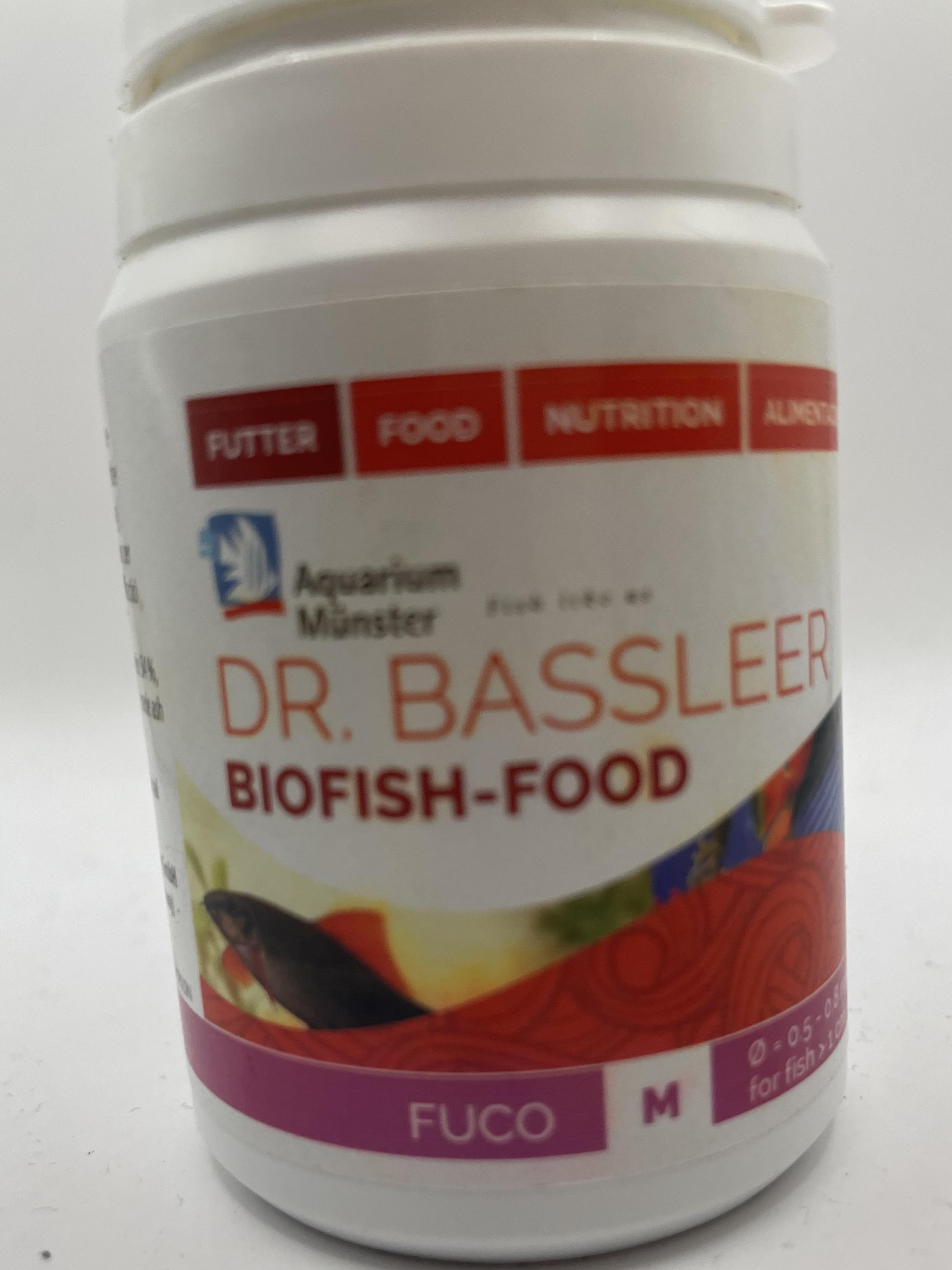
CompanyHikariDr BasslerVitalis
ProductAlgae WafersGreen RegularPleco Pellets
Dietary NicheOmnivoreOmnivoreOmnivoreOmnivore
SummaryNot ideal. Contains a lot of fish meal and cereals. A general diet that targets no species. Very high in cereals and fish meals. Too few algaes to cater for an algivore. Pretty much the same as the green diet. A lot of fish meal and cereals. Not ideal. A very general diet that doesn’t cater for any species. Mostly contains fish.
Composition (%):
Protein33575439.4
Fat418167
Fibre3241.5
Moisture10?625
Ash17101017.3
Ingredients
Fish meal, wheat flour, wheat germ meal, cassava starch, dried bakery product, dried seaweed meal, alfalfa nutrient concentrate dehydrated, dehydrated alfalfa meal, brewers dried yeast, soybean meal, fish oil, krill meal, spirulina, garlic.Cereals, fish and fish derivatives, derivatives of vegetable origin, Chlorella pyrenoidosa (5 %), Moringa oleifera (5 %), molluscs and crustaceans, yeast, minerals
Additives: Vitamins: E672 Vitamin A 7,500 IE/kg, E671 Vitamin D3 2,500 IE/kg , E300 Vitamin C 500 mg/kg, E307 Vitamin E 260 mg/kg, Magnesium 400 mg/kg, Iron 300 mg/kg, Omega-3 fatty acids 50 mg/g, Vitamin B3 7.5 mg/kg, Chlorophyll 2 mg/kg, Folic acid 2 mg/kg, Selenium 1 mg/kg, Iodine 0.02 mg/kg
Fish and fish derivatives, cereals, molluscs and crustaceans, derivatives of vegetable origin, yeast, minerals
Additives: Vitamins: E672 vitamin A 7500 IU/kg, E671 vitamin D3 2500 IU/kg, E300 vitamin C 500 mg/kg, E307 vitamin E 260 mg/kg
Fish and Fish Derivatives, Derivatives of Vegetable Origin, Algae, Oils and Fats, Minerals, Molluscs and Crustaceans.
Coloured by type of product; algae (Dark green), Plant Matter (blue), cereal (Orange), animal matter (red), vitamins (pink), not highlighted might have other purposes such as binding agents or other nutrition.
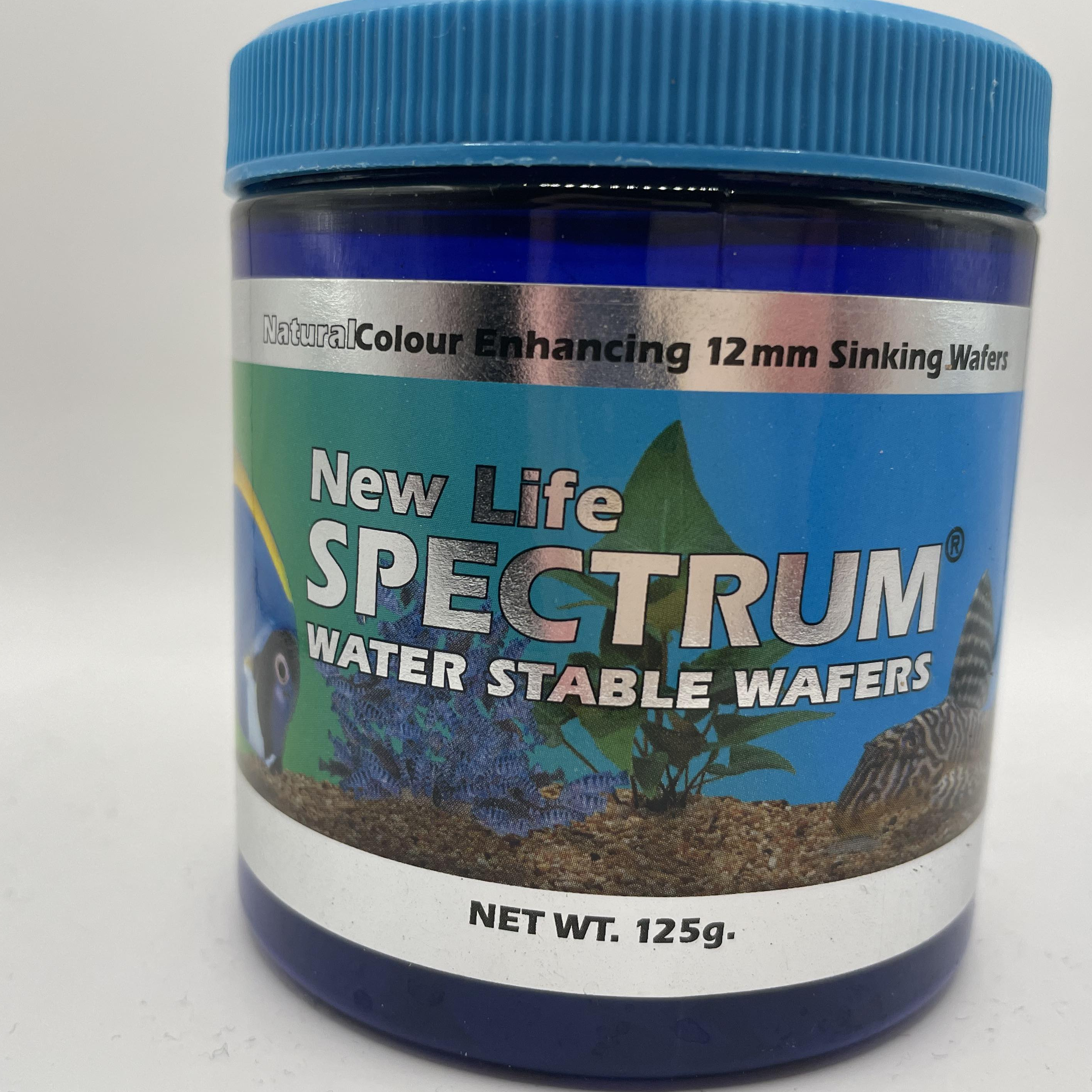
CompanyOaseTetraNew Life SpectrumFish Science
ProductOrganix Veggievore TabsSpirulina WafersAlgae MaxAlgae wafers
Dietary NicheCarnivoreHerbivoreAlgivoreOmnivore
SummaryA lot of fish/shrimp meals. Only a small amount of krill. Plant focused but lacks a lot of algaes.Beware some have higher fish meal volumes. Otherwise a great range of algaes.Would benefit from more algaes, the use of mycoproteins is interesting but still a large amount of cereals and fish meal.
Composition (%):
Protein35283442
Fat13687.5
Fibre1582.2
Moisture?91010
Ash9??8.5
Ingredients
Whole Salmon, Whole Shrimp, Wheat Flour, Kelp, Whole Herring, Wheat GermVitamins and Minerals.Cereals, Vegetable protein extracts, Derivatives of vegetable origin, Yeasts, Oils and fats, Algae (Ascophyllum Nodosum 3,0%, Spirulina 0,9 %), Minerals.
Vitamins: Vitamin D3 1810 IU/kg. Trace elements: Manganese (manganese (II) sulphate, monohydrate) 81 mg/kg, Zinc (zinc sulphate, monohydrate) 48 mg/kg, Iron (iron(II) sulphate, monohydrate) 32 mg/kg. Colourants, Preservatives, Antioxidants.
Seaweed (Ulva latuca, Undaria pinnatafida, Eucheuma cottonii, Eucheuma spinosum, Chondrus crispus, Porphyra umbilicus), Krill (Euphasia superba), Squid (Dosidicus gigas), Whole Wheat Flour, Kelp, Spirulina, Fish (Brevoortia tyrannus), Fish Oil, Garlic, Ginger, Astaxanthin, Marigold, Bentonite Clay, Sea Salt, Vitamin A Acetate,Vitamin D Supplement,Vitamin E Supplement, Vitamin B12 Supplement,Niacin, Folic Acid, Biotin, Thiamine Hydrochloride, Riboflavin Supplement, Pyridoxine Hydrochloride, Calcium Pantothenate, L-Ascorbyl-2-Polyphosphate (Vitamin C), Choline, Chloride, Ethylenediamine Dihydroiodide, Cobalt Sulfate, Ferrous Sulfate, Manganese Sulfate, Tocopherols (a preservative).Algae (Spirulina & Kelp 15%), Mycoprotein, Cereals, Herring meal, Vegetable protein extracts, Insect meal, Vegetables (Cucumber, Spinach), Molluscs and crustaceans, Yeast, Salmon oil and Garlic.
Coloured by type of product; algae (Dark green), Plant Matter (blue), cereal (Orange), animal matter (red), vitamins (pink), not highlighted might have other purposes such as binding agents or other nutrition.

References:

Lujan, N. K., & Armbruster, J. W. (2011). Two new genera and species of Ancistrini (Siluriformes: Loricariidae) from the western Guiana Shield. Copeia2011(2), 216-225.

Lujan, N. K., German, D. P., & Winemiller, K. O. (2011). Do wood‐grazing fishes partition their niche?: morphological and isotopic evidence for trophic segregation in Neotropical Loricariidae. Functional Ecology25(6), 1327-1338.

Lujan, N. K., Winemiller, K. O., & Armbruster, J. W. (2012). Trophic diversity in the evolution and community assembly of loricariid catfishes. BMC Evolutionary Biology12, 1-13.

Vucko, M. J., Cole, A. J., Moorhead, J. A., Pit, J., & de Nys, R. (2017). The freshwater macroalga Oedogonium intermedium can meet the nutritional requirements of the herbivorous fish Ancistrus cirrhosus. Algal research27, 21-31.

Žák, J., Roy, K., Dyková, I., Mráz, J., & Reichard, M. (2022). Starter feed for carnivorous species as a practical replacement of bloodworms for a vertebrate model organism in ageing, the turquoise killifish Nothobranchius furzeri. Journal of Fish Biology100(4), 894-908.

Company
Product
Dietary Niche
Summary
Composition (%):
Protein
Fat
Fibre
Moisture
Ash
Ingredients
Coloured by type of product; algae (Dark green), Plant Matter (blue), cereal (Orange), animal matter (red), vitamins (pink), not highlighted might have other purposes such as binding agents or other nutrition.

Hypancistrus – A Dietary Guide to the Fancy Pleco

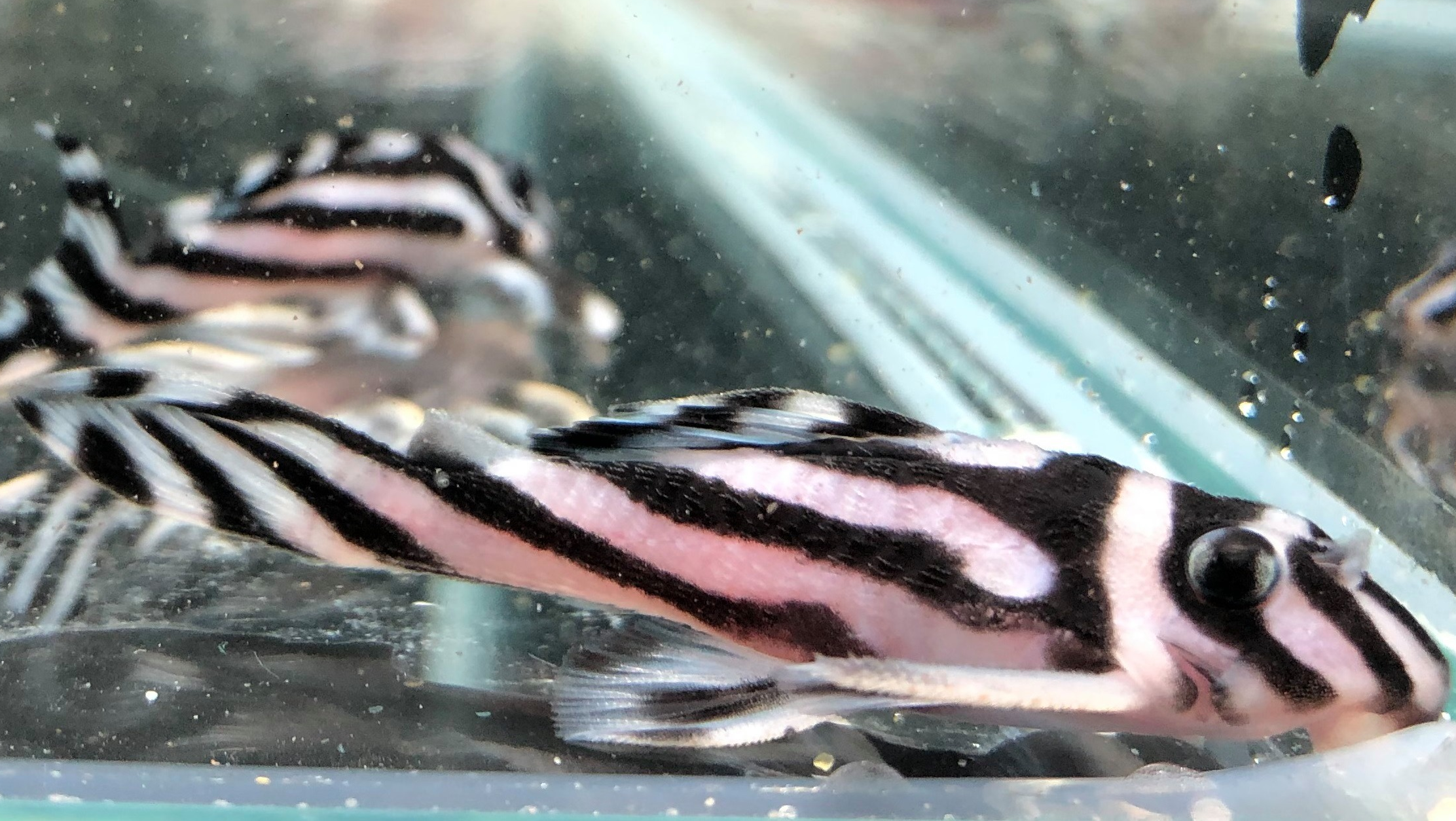
Figure 1: Hypancistrus zebra (Zebra pleco, L046)

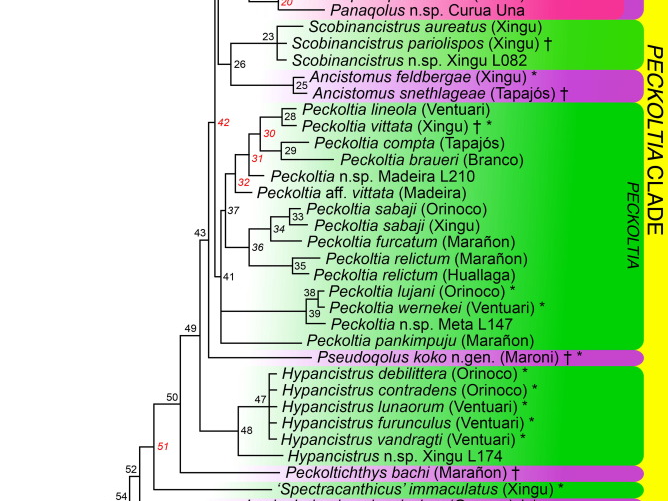
Hypancistrus is a relatively medium sized genera with a type species of Hypancistrus zebra (Fig 1). The genus is nested within the Peckoltia clade in the subfamily Hypostominae (Fig 2) and displays similar morphology to many members of this group.

Figure 2: Phylogeny of the Peckoltia clade: Lujan, N. K., Cramer, C. A., Covain, R., Fisch-Muller, S., & López-Fernández, H. (2017). Multilocus molecular phylogeny of the ornamental wood-eating catfishes (Siluriformes, Loricariidae, Panaqolus and Panaque) reveals undescribed diversity and parapatric clades. Molecular phylogenetics and evolution109, 321-336.

The body shape of Hypancistrus is generally quite characteristic of many typical Hypostominae plecos. They tend to have a shorter head and larger eyes compared to Panaqolus and Peckoltia. Markings are spotted or striped but vermiculations are present, these might reduce with age or change shape. Colouration similarly becomes less distinctive with age but the majority of members are white/yellow and grey/black.

Like the majority of the Peckoltia group Hypancistrus displays hypertrophied (large) odontodes (external teeth, not used for feeding) on the caudal peduncle, pectoral fin spines and at the gill opercula. These odontodes are sexually dimorphic being hypertrophied in the caudal peduncle and pectoral fin spines within males while females also absent. In mature males the odontodes that cover the body tend to become larger giving a more blurred appearance to the fish (Reis et al., 2022).

Figure 3: Hypancistrus sp. ‘L236’

Regardless of the popularity of the genus Hypancistrus, there are only 9 described species (Fricke et al., 2023) but almost four times that are undescribed with and without L numbers. This doesn’t define if these undescribed individuals are species as L066 and L333 has been suggested to be the same species (Cardoso et al., 2016).

Hypancistrus is generally located within areas of high velocity water residing between the cracks and crevices. Water temperatures are a minimum of 28c and this is why flow within captivity is important to keep oxygen levels high (de Sousa et al., 2021).

The Ecomorphology of Hypancistrus

Figure 4: Hypancistrus sp. L333, the image is from the amazing website: https://www.suedamerikafans.de/en/wels-datenbank/maulstudien/?cookie-state-change=1701028628501 Great for anyone wanting to look at mouths of Loricariids and other information.

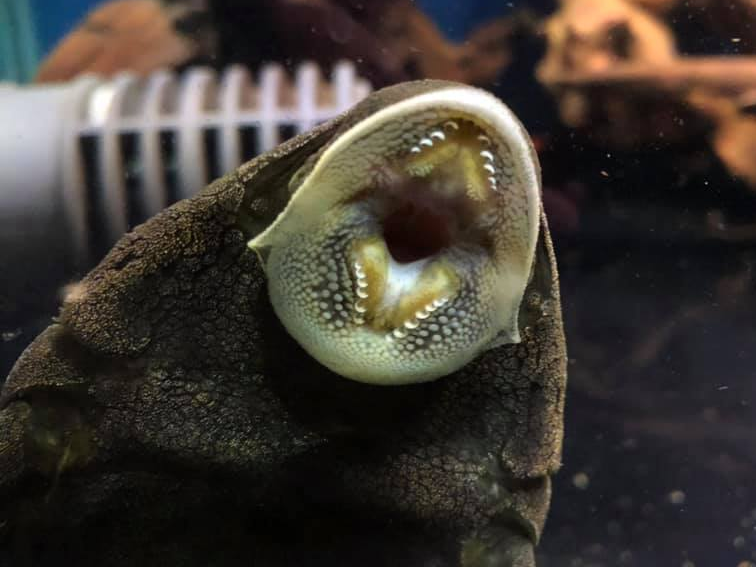
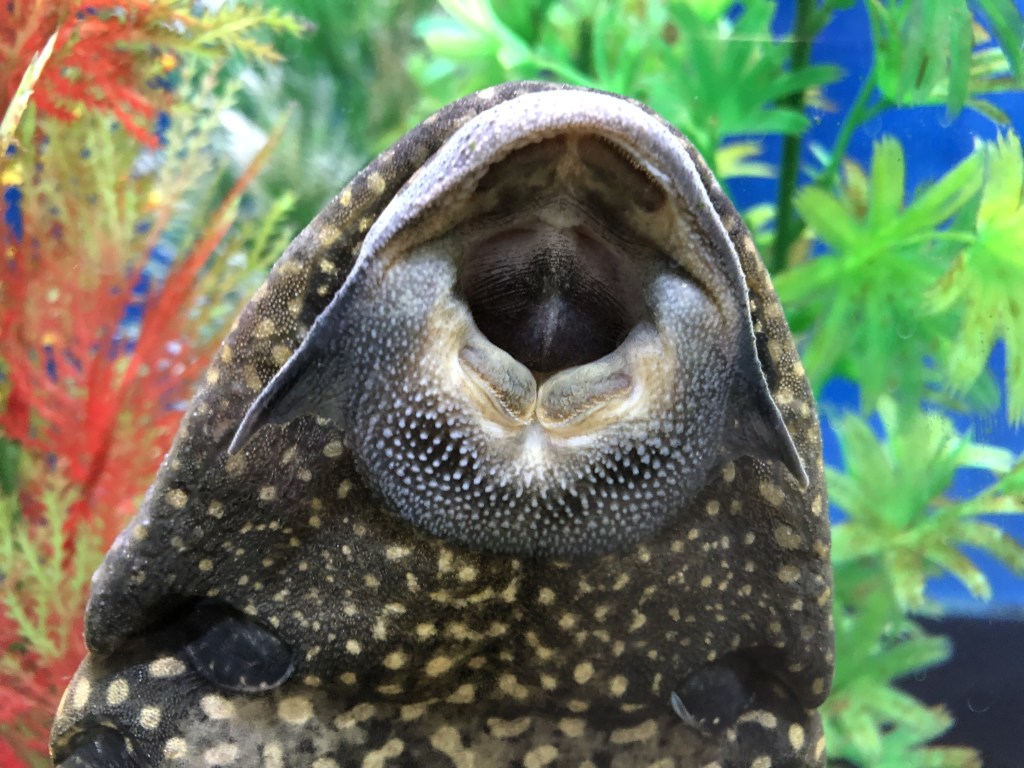
Ecomorphology are anatomical traits that are involved in functional behaviour such as feeding. This oral morphology (Fig 4) is very similar to particularly Peckoltia itself. There are a reasonable amount of teeth particularly on the maxaillae, upper jaw and less on the dentary, lower jaw. While there are a few it is a lot more then the closely related, carnivorous Scobinancistrus. The jaws of Hypancistrus are strong and robust, very similar again to Peckoltia but not quite the same as the other closely related genus, Panaqolus.

Dietary Ecology

Hypancistrus is often recorded as being a carnivore, I don’t entirely know where the assumption comes from but it must stem from this common idea that any of the colourful Loricariids are, I have seen this stated quite frequently. Additionally maybe the doctorial thesis of Dr. Jansen Zuanon where the species Hypancistrus zebra is suggested to feed on reasonable amounts of Bryozoa along with algaes (Zuanon, 1999). As many things do with time information is lost, some older information generalises the genus as omnivores and later others have suggested carnivores.

When reading the scientific literature including Zuanon (1999) there is limited references to the diet of Hypancistrus. There is gut analysis attached to the description of four species. While various algae and detritus made up the majority of the gut contents of these four species: numerous processed seeds were located in the gut of Hypancistrus inspector (Armbruster, 2002), bryophytes (mosses) within Hypancistrus lunaorum and; in Hypancistrus contradens in addition to mostly algae and detritus, some aquatic invertebrates were located (Armbruster et al., 2007). This infers that Hypancistrus is some what of a generalist but likely more on the herbivorous side.

So what should you feed Hypancistrus in captivity?

Don’t forget those algae’s, a diet with a range and high amounts of these algae’s will be beneficial. Always check ingredient lists, algae’s unlike many macrophyte plants are high in protein and various vitamins and minerals. As the fish are evolved to feed on these it’ll be much more easy for them to digest and less waste produced as a result. In addition a little bit of variation, the odd frozen food such as brine shrimp, tubifex etc. would not be bad but many diets that contain algaes also contain this. Mosses would be an interesting addition to trial, aquarium mosses can be quite expensive but perhaps terrestrial mosses from areas without pesticides?

Of all the things to trial seeds, as mentioned by Armbruster (2002), at least Hypancistrus inspector feeds on seeds. This is certainly worth exploring with many more Loricariids and a variety of seeds as bare in mind the number of plants that produce seeds is immense, fruits that contain seeds such as blueberries and pomegranate could be worth trying. They might not jump to them but it’s worth sitting back and watching, in discussion with other fishkeepers seeds have been worth the trial. As seeds are almost a storage body for many plants they will contain a lot of nutrition and could explain why Hypancistrus and maybe Peckoltia have such strong jaws. A selective advantage at a seasonal or occasional food item? Selective advantages towards awkward to reach food items are not rare in Loricariidae.

Conclusion

Hypancistrus might be popular for their colours, their patterning but ecologically they offer quite a lot that has yet to be explored. The focus on breeding them has maybe moved the husbandry of the genus away from a curiosity of just keeping them and understanding them.

References:

Armbruster, J. W. (2002). Hypancistrus inspector: a new species of suckermouth armored catfish (Loricariidae: Ancistrinae). Copeia2002(1), 86-92.

Armbruster, J. W., Lujan, N. K., & Taphorn, D. C. (2007). Four new Hypancistrus (Siluriformes: Loricariidae) from Amazonas, Venezuela. Copeia2007(1), 62-79.

Cardoso, A. L., Carvalho, H. L. S., Benathar, T. C. M., Serrao, S. M. G., Nagamachi, C. Y., Pieczarka, J. C., … & Noronha, R. C. R. (2016). Integrated cytogenetic and mitochondrial DNA analyses indicate that two different phenotypes of Hypancistrus (L066 and L333) belong to the same species. Zebrafish13(3), 209-216.

Fricke, R., Eschmeyer, W. N. & Van der Laan, R. (eds) 2023.  ESCHMEYER’S CATALOG OF FISHES: GENERA, SPECIES, REFERENCES. (http://researcharchive.calacademy.org/research/ichthyology/catalog/fishcatmain.asp)

Lujan, N. K., Cramer, C. A., Covain, R., Fisch-Muller, S., & López-Fernández, H. (2017). Multilocus molecular phylogeny of the ornamental wood-eating catfishes (Siluriformes, Loricariidae, Panaqolus and Panaque) reveals undescribed diversity and parapatric clades. Molecular phylogenetics and evolution109, 321-336.

Reis, R. G. A., Oliveira, R. S. D., da Silva Viana, I. K., Abe, H. A., Takata, R., de Sousa, L. M., & da Rocha, R. M. (2022). Evidence of secondary sexual dimorphism in King Tiger Plecos Hypancistrus sp, Loricariidae, of the Amazon River basin. Aquaculture Research53(10), 3718-3725.

de Sousa, L. M., Lucanus, O., Arroyo-Mora, J. P., & Kalacska, M. (2021). Conservation and trade of the endangered Hypancistrus zebra (Siluriformes, Loricariidae), one of the most trafficked Brazilian fish. Global Ecology and Conservation27, e01570.

Zuanon, J. A. S. (1999). História natural da ictiofauna de corredeiras do rio Xingu, na região de Altamira, Pará.